Our Top Picks
- Best Overall Rain Jacket: Patagonia Torrentshell — Features a 3-layer H2No Performance Standard shell for elite waterproofness and breathability.
- Best Snow Boot: Merrell Snow Quest Lite — Incredibly lightweight at 311g with 200g of insulation for sub-zero warmth.
- Best Post-Activity Gear: Toastie Changing Robe — A weatherproof changing robes for kids post-activity that provides instant thermal recovery.
Finding the best kids outdoor gear means balancing protection with movement. As weather patterns shift, parents need durable, waterproof outdoor clothing for kids that can survive forest school activities and sub-zero temperatures alike. When selecting kids outdoor gear, prioritize items with room for growth and adjustable features like cuffs or extendable sleeves. Effective layering is key for cold-weather play; begin with moisture-wicking base layers, add insulating mid-layers such as fleece, and finish with a technical waterproof shell to regulate body temperature and ensure comfort in harsh conditions.
The 2026 Safety Standard: PFAS-Free & Breathability
The landscape of kids outdoor gear is undergoing a massive shift. Starting in 2025 and 2026, major regulations in states like New York and California are banning the use of "forever chemicals" or PFAS in textile products. This means the hydrophobic coatings we previously relied on are being replaced by safer, more sustainable alternatives. When choosing kids outdoor gear with room for growth for the coming seasons, looking for PFAS-free labels is no longer just an environmental choice—it is the new safety standard.
Understanding the technical performance membranes in modern gear is essential for keeping children comfortable. Many parents find themselves confused by the waterproof vs water resistant kids rain gear distinction. The primary difference lies in the level of protection. Waterproof clothing features sealed seams and specialized membranes designed to block heavy rain during prolonged exposure. In contrast, water-resistant items are typically treated with light coatings suitable only for short periods of drizzle and may soak through during sustained wet weather.
To truly test a jacket’s integrity, many experts suggest the 3-minute shower test. If water beads and rolls off for three minutes without the interior fabric feeling damp or heavy, the taped seam integrity is holding up. Technical waterproof ratings for children's outdoor jackets are categorized by performance, where a 10,000mm rating is suitable for typical rainy days, while a rating of 20,000mm or higher is required to withstand heavy rain and wet snow under high pressure.
| Brand | Best For | Key Feature | Weight |
|---|---|---|---|
| Patagonia | Torrential Rain | H2No 3-Layer Shell | 215g |
| Merrell | Sub-Zero Snow | 200g Insulation | 311g |
| Toastie | Post-Activity | Sherpa-fleece lining | 650g |
| REI Co-op | Budget/Active | HydroWall Membrane | 240g |
Best Breathable Rain Jackets for Forest School
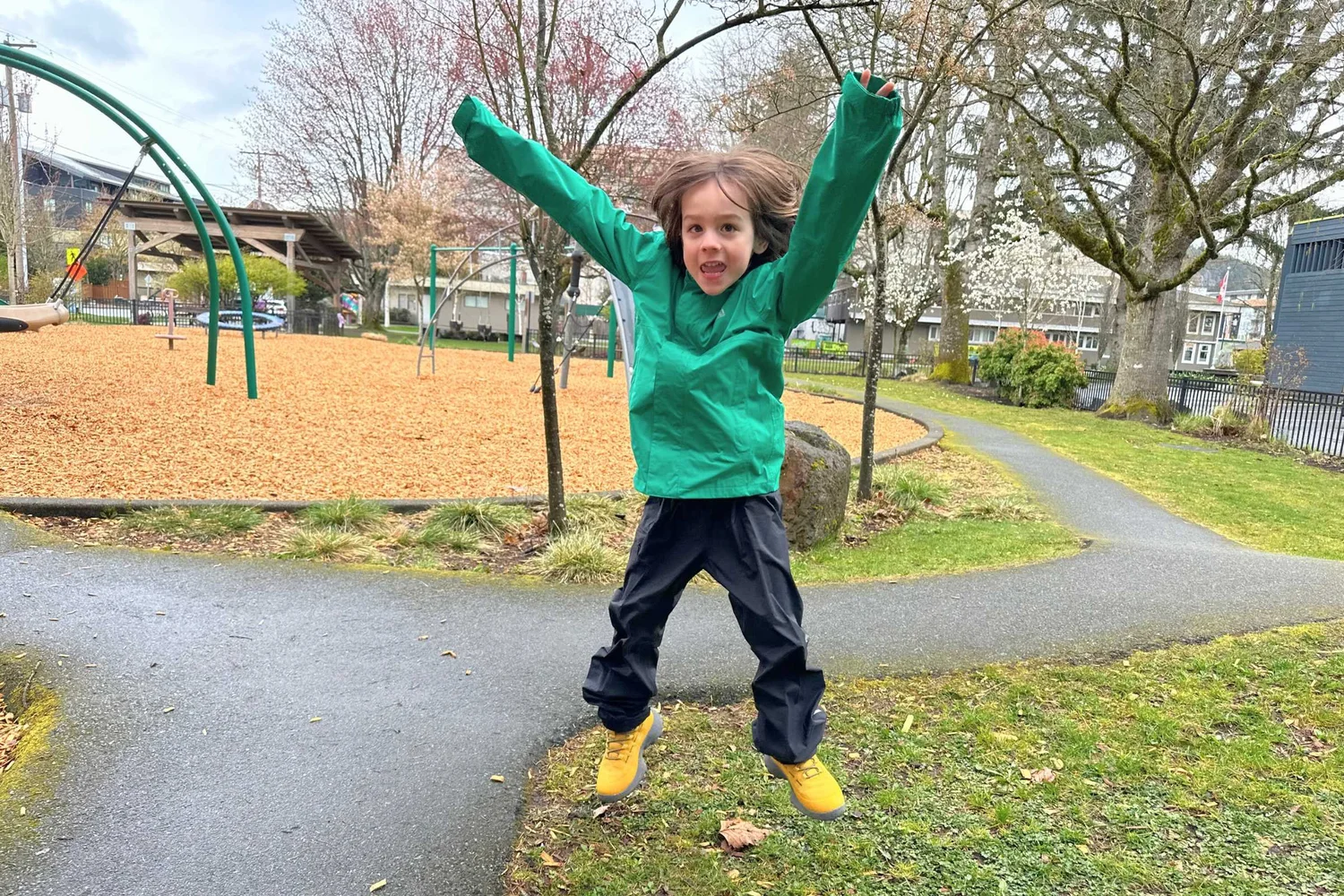
For families involved in forest school activities, the demands on gear are significantly higher than a simple walk to the bus stop. We are looking for puddle-jumping protection that does not result in a "garbage bag effect" where the child gets soaked from their own sweat. This is where best breathable rain jackets for active kids come into play. Brands like Patagonia and REI have mastered the use of ripstop textiles that can handle the abrasion of climbing trees and sliding down muddy banks.
High-visibility safety elements are another critical factor for forest school environments. As the sky turns gray and the woods grow dark, neon accents or reflective strips ensure that children remain visible to instructors and other parents. When reviewing weatherproof kids adventure gear, we look for jackets that offer a balance of durability and flexibility. The Patagonia Torrentshell, for instance, uses their proprietary H2No membrane which provides a "hand-me-down quality" that persists even after dozens of wash cycles.
Another excellent option is the REI HydroWall series. It offers a slightly softer hand-feel than traditional hard shells, making it more comfortable for younger children who might find stiff fabrics restrictive. Regardless of the brand, ensuring that the jacket has an adjustable hood and "grow-fit" sleeves will help you get at least two seasons of use out of a single purchase.
Durable Winter Boots for Sub-Zero Protection
Footwear is often where outdoor play sessions go to die. Cold, wet feet lead to shivering kids and shortened adventures. Durable kids winter boots should feature seamless, waterproof construction and thick insulation to maintain warmth in slush and sub-zero temperatures. Look for rugged rubber outsoles with deep treads for traction on mud and snow. Quality molded designs prevent leaks at typical wear points, ensuring the footwear remains reliable across multiple seasons of outdoor exploration.
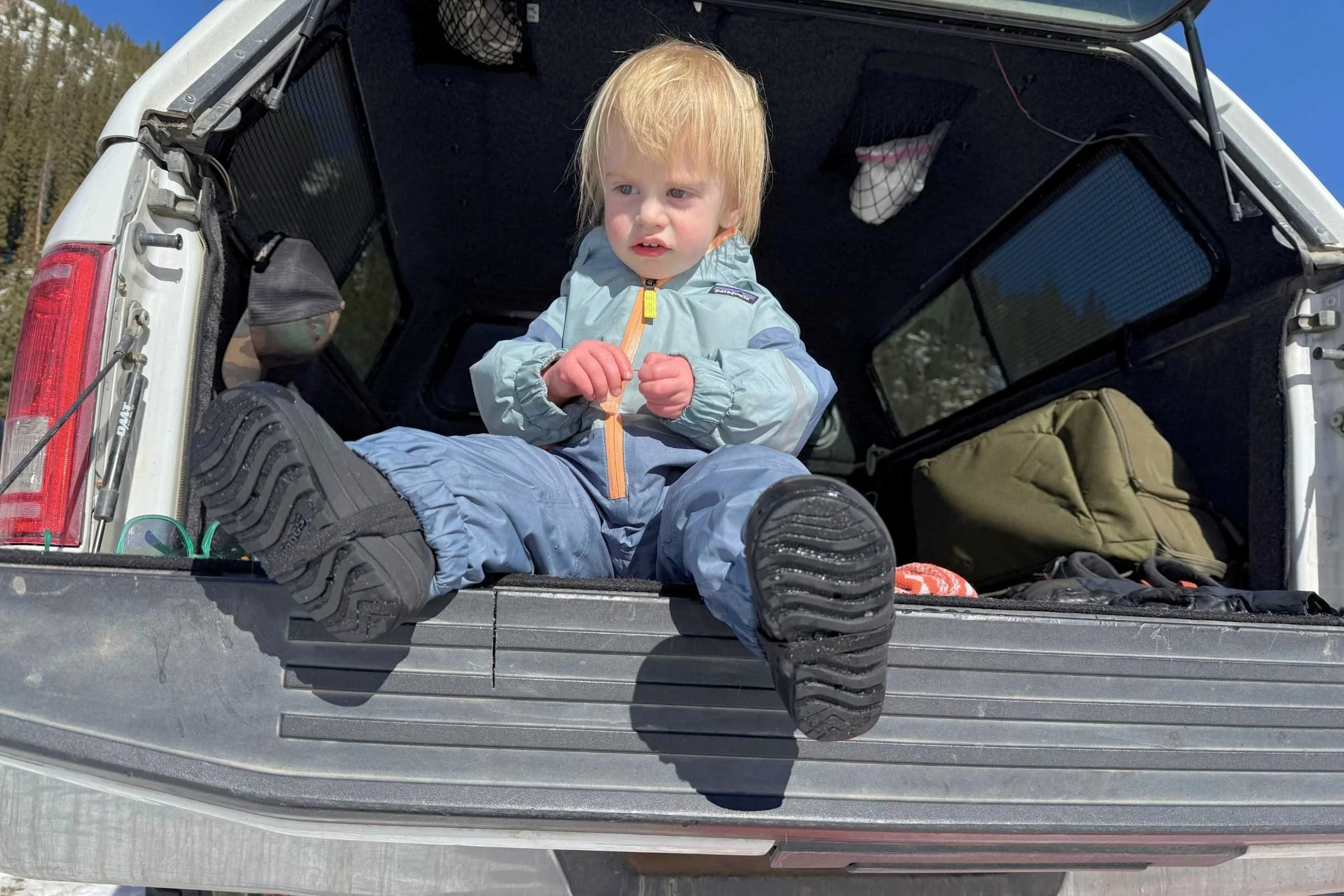
When we evaluate durable kids snow boots for sub-zero temperatures, weight is a deciding factor. Traditional pac boots can be incredibly heavy, making it difficult for toddlers to lift their feet in deep snow. The Merrell Snow Quest Lite has become a parent favorite because it weighs only 311g while maintaining a comfort rating down to -35°F. This weight reduction allows for more active movement and less fatigue during long winter hikes.
Slush and mud resilience is achieved through a combination of a waterproof lower "shell" and a water-resistant upper. This hybrid construction allows the boot to breathe while ensuring that the foot remains dry even if the child stands directly in a freezing puddle.
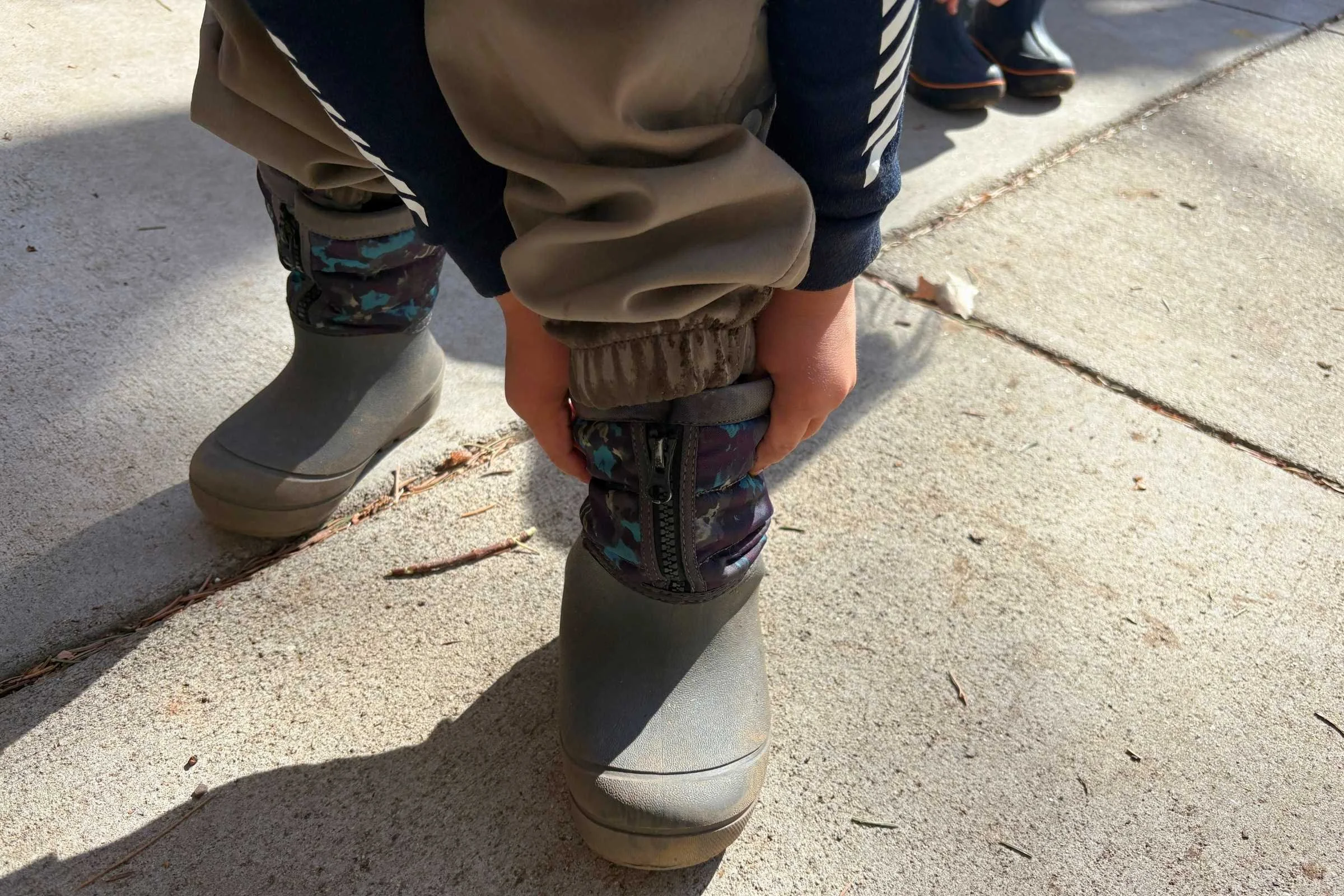
Ease of use is the final piece of the puzzle. If a child cannot get their own boots on, it adds another barrier to getting outside. Look for oversized pull-on loops or simple bungee lacing systems that can be operated while wearing gloves. These small design choices foster independence and make the transition from the mudroom to the backyard much smoother for everyone involved.
Post-Play Recovery: Changing Robes and Layering
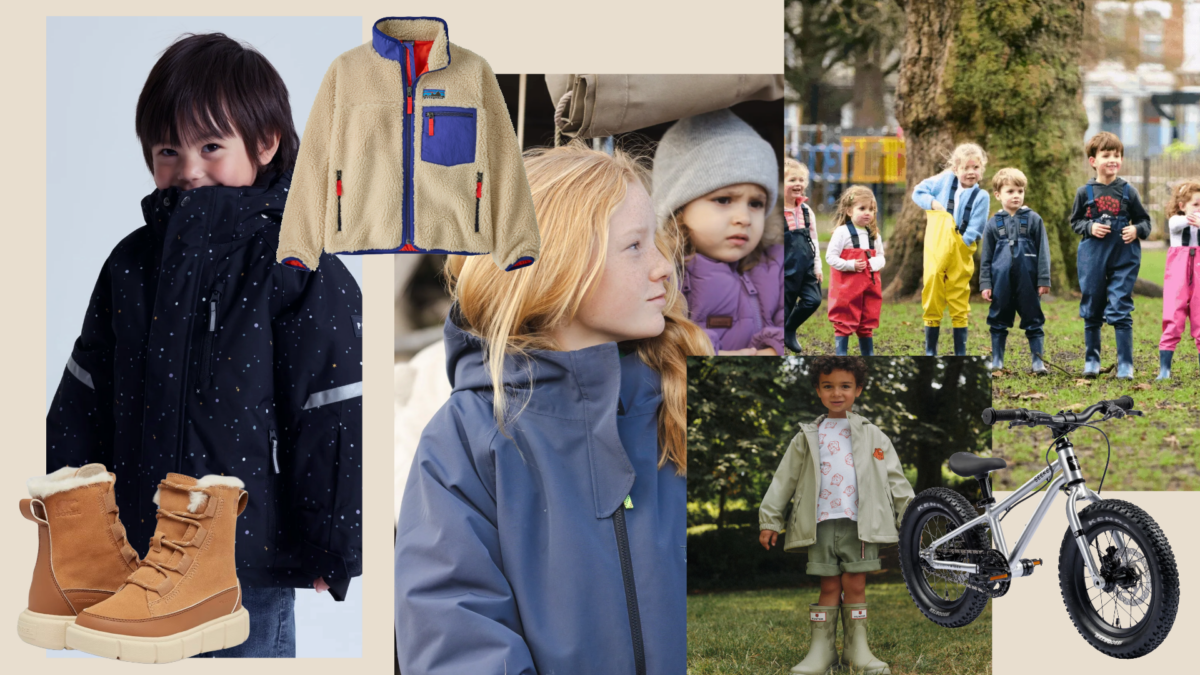
Even the best shell cannot do all the work alone. Understanding how to layer kids clothes for winter outdoor play is the secret to all-day comfort. Think of it as a three-part system:
- The Base Layer: This must be moisture-wicking. Avoid cotton at all costs, as it holds moisture against the skin and causes rapid cooling. Synthetic blends or merino wool provide excellent thermal regulating layers that keep skin dry.
- The Mid Layer: This is your insulation. Fleece or down-alternative jackets trap body heat. Look for heritage brand quality in mid-layers, as these items often serve as standalone jackets during the spring and fall.
- The Outer Shell: This is your shield against rain, wind, and snow.
For those truly wet or cold days, especially after sports or beach-side forest school sessions, we are seeing a rise in the use of weatherproof changing robes for kids post-activity. These oversized, fleece-lined robes serve as a portable warm room. They are designed to be thrown over wet gear or swimsuits, providing immediate warmth and a dry space to change. While they are a larger investment, their utility for coastal families or year-round outdoor explorers is unmatched.
Maintenance: Extending Gear Life
High-quality kids outdoor gear is an investment, and with proper care, it can last through multiple children. The most common issue parents face is the "wetting out" of the outer fabric, where water stops beading and starts soaking in. This doesn't necessarily mean the jacket is broken; it usually means the hydrophobic coatings need to be reactivated.
- Wash Regularly: Dirt, oils, and campfire smoke can clog the pores of technical performance membranes. Use a specialized technical wash (like Nikwax) rather than harsh household detergents.
- Heat Reactivation: After washing, a short tumble in the dryer on low heat can often "reset" the DWR (Durable Water Repellent) coating.
- Repair Rips: Don't let a small snag ruin a jacket. Use Tenacious Tape for permanent, waterproof repairs on the go.
- Storage: Never store waterproof gear while it is still damp, as this can lead to delamination and mold.
By choosing kids outdoor gear with room for growth and maintaining it properly, you are not just buying clothes; you are investing in your child's ability to connect with the natural world regardless of the forecast.
FAQ
What are the must-have outdoor gear items for kids?
The foundational pieces for any child's outdoor kit include a high-quality waterproof shell, moisture-wicking base layers, and durable kids winter boots with good traction. Depending on your climate, you may also want to add waterproof mittens and a thermal hat. For active kids, look for items that feature high-visibility safety elements and ripstop textiles to ensure the gear lasts through rough play and varied weather conditions.
How do I choose the right size of outdoor clothing for growing children?
When choosing kids outdoor gear with room for growth, look for brands that offer "grow-cuffs" or extendable seams that can be unpicked to add an extra inch or two of length. It is generally better to size up slightly to allow for thick mid-layers, but ensure the gear isn't so large that it trips the child or leaves huge gaps at the neck and wrists where cold air can enter.
Is it worth buying high-quality outdoor gear for kids?
Yes, investing in heritage brand quality often pays off because the gear remains functional and waterproof for years. Higher-end gear uses superior technical performance membranes that provide better breathability, meaning kids stay dry from both rain and sweat. These items also hold their resale value well or can be passed down to younger siblings, making the cost-per-wear much lower than cheap, disposable alternatives.
How do I layer clothes for kids during cold weather activities?
The best strategy for how to layer kids clothes for winter outdoor play involves three layers. Start with a thin, moisture-wicking base layer made of wool or synthetic fabric. Add an insulating mid-layer like a fleece jacket to trap heat. Finally, top it with a windproof and waterproof outer shell. This system allows you to remove or add layers as the child's activity level or the weather changes throughout the day.
How do I maintain and clean kids' waterproof gear?
To maintain the integrity of waterproof outdoor clothing for kids, wash them with a specialized technical cleaner rather than standard laundry detergent, which can strip away hydrophobic coatings. After washing, you can often reactivate the water-repellency by putting the garment in the dryer on a low-heat setting for 20 minutes. For small tears, use waterproof repair tape to maintain the garment's weatherproofing without needing a sewing machine.