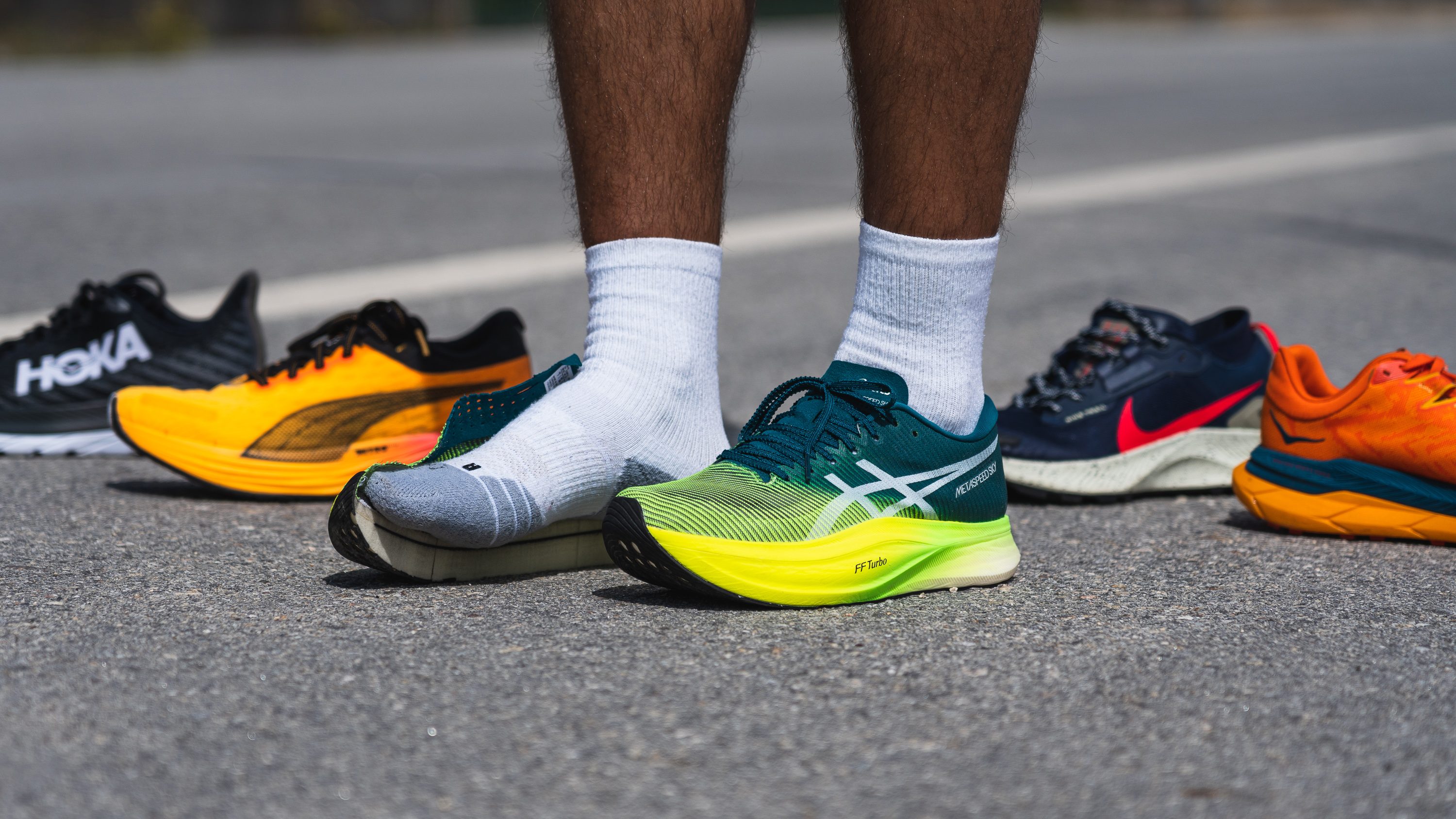
Our Top Picks
- Overall Winner: Brooks Glycerin 21 — The ultimate balance of plush nitrogen-infused foam and long-term durability for daily high mileage.
- Best for Maximum Cushion: Hoka Clifton 9 — Features a signature rocker geometry that minimizes joint impact during long efforts.
- Best for Stability: Saucony Guide 16 — Engineered for overpronators, providing structured support without sacrificing a smooth transition.
- Best Value: ASICS Novablast 4 — High-energy return at a competitive price point, perfect for beginners tackling their first half-marathon.
Choosing the best long distance running shoes is critical for preventing injury during high mileage training. In 2024, the market has shifted toward high-stack foams and advanced energy return technologies. The best long distance running shoes prioritize responsive cushioning and durability, with top picks including the Brooks Glycerin and Hoka Clifton series. Selecting the right pair depends on your foot shape, gait, and whether you require stability for overpronation or neutral support for high arches.
| Shoe Model | Weight (Men's 9) | Heel-to-Toe Drop | Best For |
|---|---|---|---|
| Brooks Glycerin 21 | 10.0 oz | 10mm | Everyday High Mileage |
| Hoka Clifton 9 | 8.7 oz | 5mm | Maximum Impact Protection |
| Saucony Endorphin Pro 3 | 7.2 oz | 8mm | Marathon Racing |
| Altra Torin 7 | 9.8 oz | 0mm | Natural Foot Movement |
| ASICS Novablast 4 | 9.1 oz | 8mm | Versatile Daily Training |
| ASICS Superblast 2 | 8.8 oz | 8mm | Long, Slow Distance (LSD) |
| Saucony Guide 16 | 9.5 oz | 8mm | Overpronation Support |
Expert Methodology: How We Test High Mileage Footwear
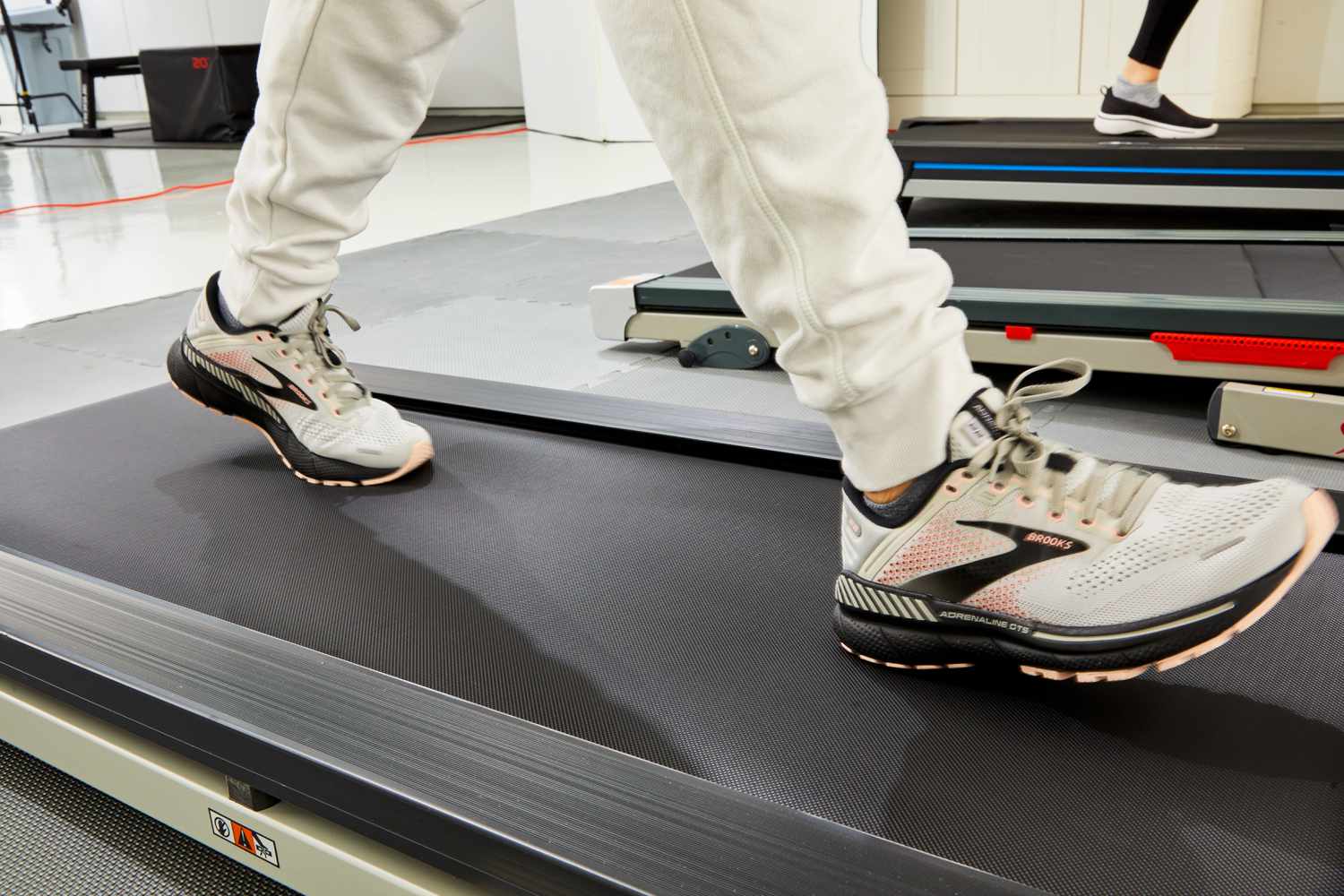
As an editor, I don’t believe in "surface-level" reviews. To find the best long distance running shoes, our team puts every model through a rigorous testing protocol. We start with a baseline of 300 miles per shoe, distributed across various terrains from asphalt to light gravel. This high mileage testing allows us to see how the midsole foam holds up after the initial "honeymoon phase" and whether the outsole rubber begins to peel or thin.
Beyond the road, we take these marathon training shoes into the lab. We use professional gait analysis software to see how the shoe’s geometry affects foot strike patterns and ankle stability. We also measure energy return using specialized compression sensors to determine how much "pop" is left in the foam after 100 miles versus 300 miles.
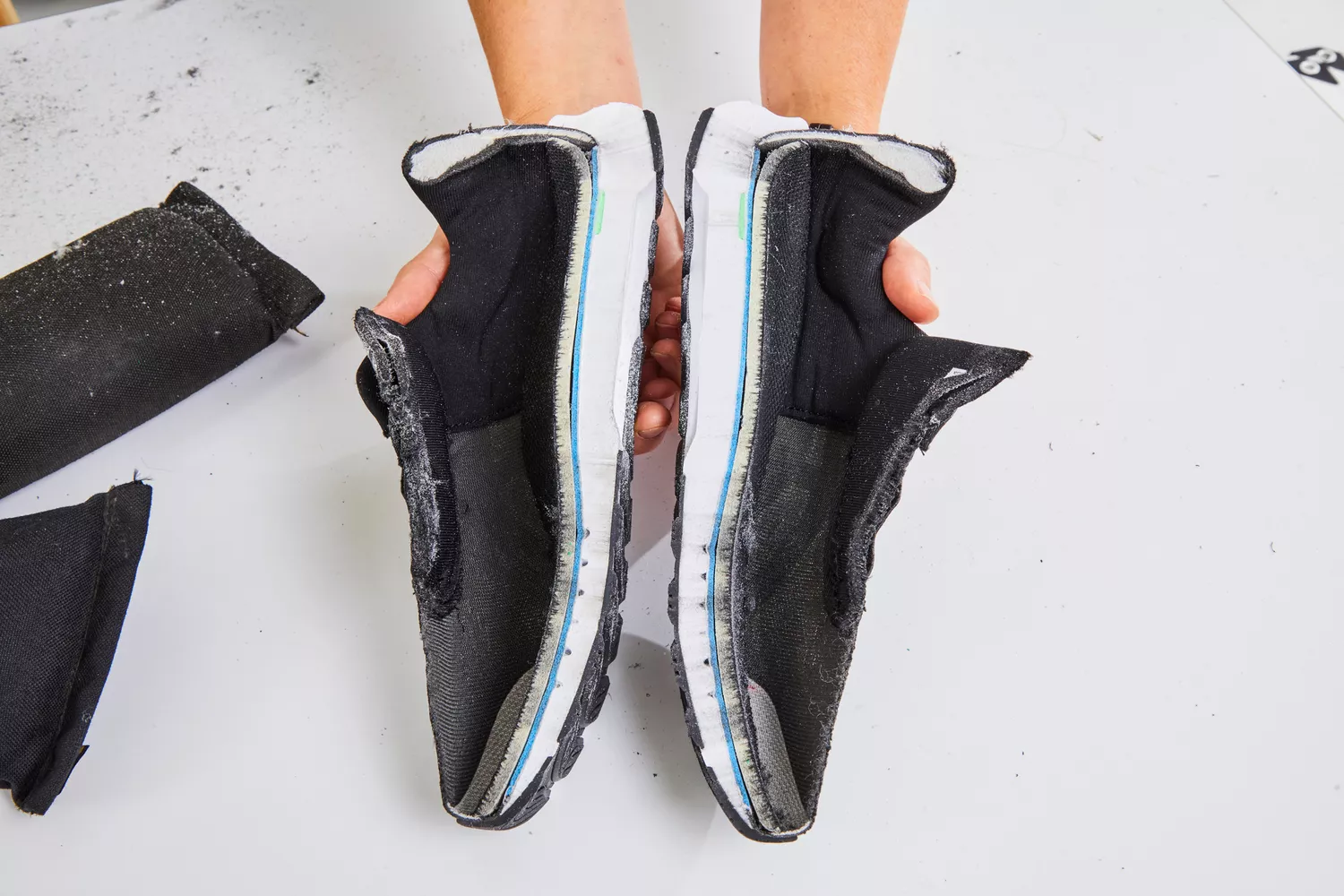
Our lab-slicing technique is where we truly differentiate our reviews. We literally cut the shoes in half to inspect the internal components. This allows us to verify the actual stack height and see how internal plates or dual-density foams are positioned. In an industry where the global running shoe market reached an estimated valuation of approximately $50.98 billion in 2024, we believe runners deserve transparency about the technology they are buying.
1. Best Overall: Brooks Glycerin 21
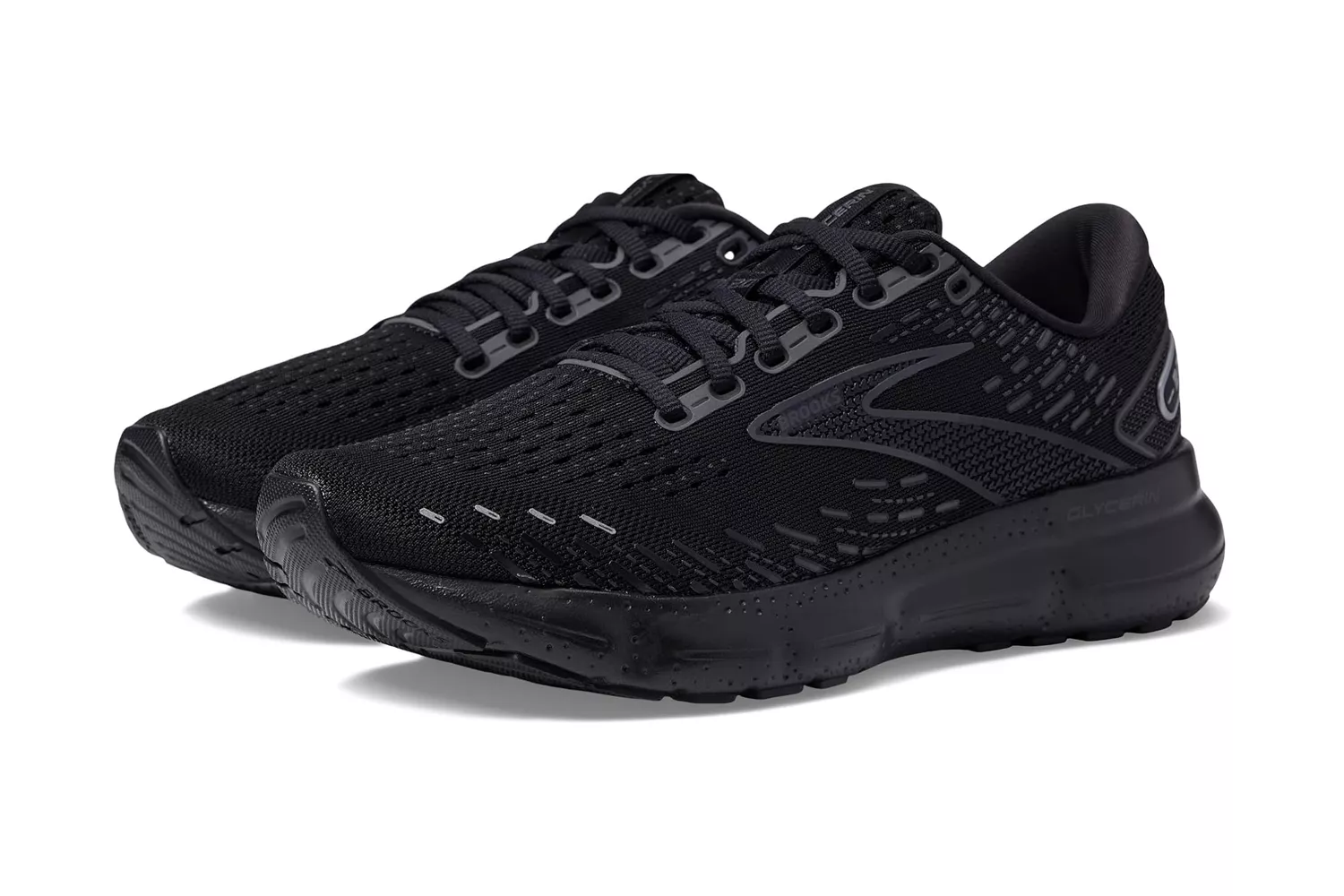
The Brooks Glycerin 21 remains the gold standard for runners who want a reliable, high mileage trainer that doesn't overcomplicate things. It features a 10mm heel-to-toe drop, which is ideal for those who tend to land on their heels and need that extra bit of protection. The standout feature is the DNA LOFT v3 foam. This is a nitrogen-infused EVA midsole foam that feels incredibly soft but doesn't feel like you're sinking into quicksand.
During our testing, we found the Glycerin 21 to be one of the top-rated neutral long distance running shoes for high arches because the midfoot wrap provides a secure, cradled feel. It also carries the APMA Seal of Acceptance, meaning it’s recognized for promoting good foot health. This is the shoe we reach for on recovery days when our legs feel heavy but the training plan calls for double-digit miles.
Technical Specs
- Weight: 10.0 oz
- Drop: 10mm
- Midsole: DNA LOFT v3
Who it's for
- Runners seeking consistent cushioned running shoes for distance.
- Those who prefer a traditional, high-drop feel.
Who it's NOT for
- Runners seeking aggressive carbon propulsion for speed work.
- Athletes who prefer a low-stack, ground-feel shoe.
2. Best for Maximum Cushion: Hoka Clifton 9
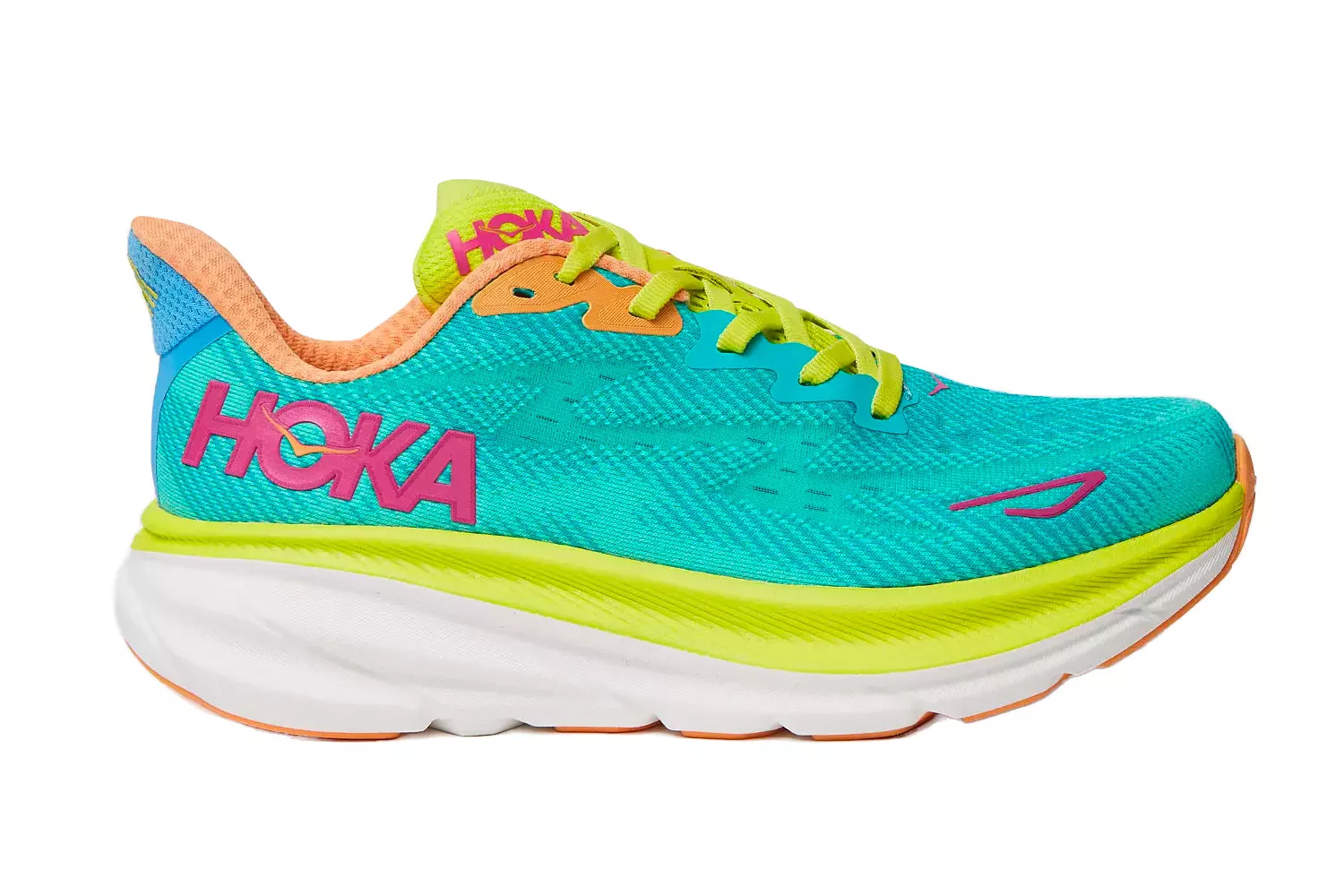
Hoka virtually invented the "maximalist" category, and the Clifton 9 is their most refined version yet. While some high mileage running shoes feel clunky, the Clifton 9 manages to be surprisingly lightweight. It utilizes a compression-molded EVA foam that provides significant impact protection, which is a lifesaver for runners concerned about knee health during 50-mile weeks.
The most important aspect of this shoe is the rocker geometry. This curved sole design helps the foot roll forward efficiently, reducing the workload on your calves and Achilles. Despite its massive appearance, it only has a 5mm heel-to-toe drop, encouraging a more midfoot strike. During our 20-mile test runs, the stack height provided a consistent buffer against road vibration, keeping our feet feeling fresh much longer than traditional trainers.
Technical Specs
- Weight: 8.7 oz
- Drop: 5mm
- Stack Height: 32mm (Heel) / 27mm (Toe)
Who it's for
- Runners looking for most cushioned running shoes for distance and knee protection.
- Athletes who struggle with calf tightness or Achilles issues.
Who it's NOT for
- Runners who dislike a "mushy" feel underfoot.
- Sprinters or those doing high-intensity interval training.
3. Best for Marathon Racing: Saucony Endorphin Pro 3
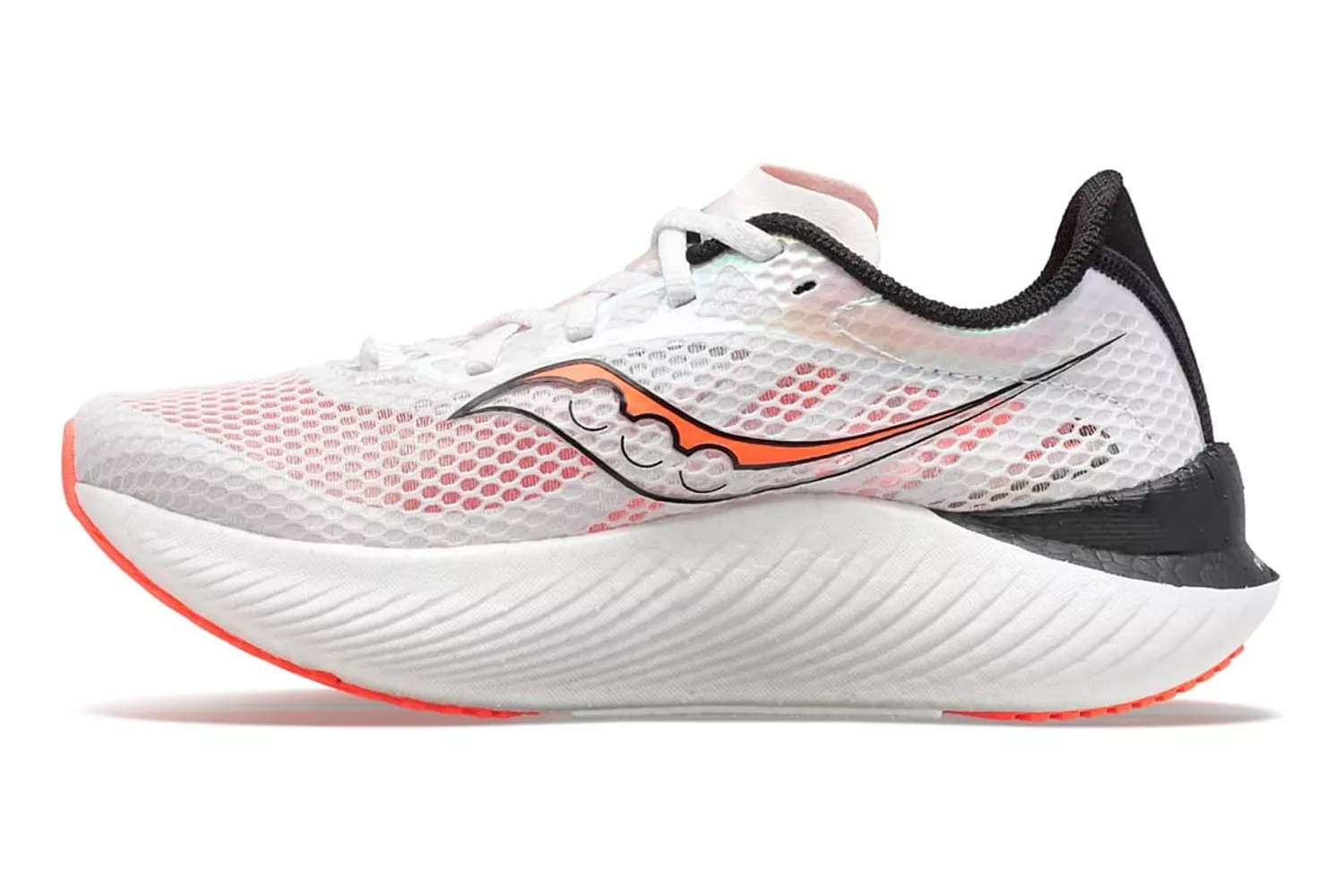
When the clock is ticking and you’re chasing a personal best, you need lightweight carbon fiber plate shoes for marathon racing. The Saucony Endorphin Pro 3 is built for speed. It combines a massive stack of PWRRUN PB foam (a PEBA-based material) with a S-curve carbon fiber plate. This combination creates an incredible amount of energy return, literally propelling you forward with every stride.
The upper is made of a minimalist jacquard mesh that is almost transparent, ensuring maximum breathability. However, because it is a race-day shoe, it is less durable than a daily trainer. While Nike still holds approximately 25% of the global running shoe market share in 2024, Saucony has gained a massive following among serious marathoners for the aggressive yet stable ride of the Endorphin Pro series.
Technical Specs
- Weight: 7.2 oz
- Drop: 8mm
- Plate: Carbon Fiber
Who it's for
- Competitive athletes looking for marathon training shoes that transition to race day.
- Runners who want a "super shoe" feel with a stable base.
Who it's NOT for
- Beginners who haven't developed the leg strength for carbon plates.
- Slow recovery runs where the plate can feel too stiff.
4. Best Wide Toe Box: Altra Torin 7
Distance running causes the feet to swell, sometimes by as much as a full size. This is where the Altra Torin 7 shines. It features the signature FootShape toe box, which allows your toes to splay naturally. This is critical for preventing black toenails and blisters during 20+ mile efforts.
The Torin 7 is also a Zero Drop shoe, meaning the heel and forefoot are the same distance from the ground. This mimics a barefoot stride while still providing plenty of EGO MAX foam for protection. In our testing, this was the best wide toe box running shoes for high mileage comfort, especially for runners who find traditional "pointed" toe boxes too restrictive.
Technical Specs
- Weight: 9.8 oz
- Drop: 0mm
- Midsole: Altra EGO MAX
Who it's for
- Runners with wide feet or those prone to bunions.
- Athletes seeking a more natural, biomechanically neutral stride.
Who it's NOT for
- Runners with tight calves who need a high heel-to-toe drop.
- Those used to the "pushed forward" feel of a rocker.
5. Best Value for Beginners: ASICS Novablast 4
If you are just starting your journey toward high mileage and don't want to spend $200+, the ASICS Novablast 4 is your best bet. It offers a trampoline-like bounce that makes running feel fun. The FF BLAST PLUS ECO cushioning provides a soft landing and an energetic takeoff.
For affordable high mileage running shoes for beginner distance runners, the Novablast 4 punches way above its weight class. It features a breathable jacquard mesh upper that keeps feet cool during summer training blocks. While it doesn't have a plate, the geometry of the midsole creates a natural forward momentum that helps you maintain your pace as you fatigue.
Technical Specs
- Weight: 9.1 oz
- Drop: 8mm
- Midsole: FF BLAST PLUS ECO
Who it's for
- Beginners looking for a do-it-all shoe for distance and speed.
- Runners who want a high-performance feel on a budget.
Who it's NOT for
- Extreme overpronators who need dedicated stability features.
- Runners looking for a low-profile, minimalist trainer.
6. Best for Long, Slow Distance (LSD): ASICS Superblast 2
The ASICS Superblast 2 has become a cult favorite among marathoners. Industry experts in 2024 frequently designated the ASICS Superblast 2 as a top long-distance training shoe, noting its unique combination of Asics' premier racing foam and a lightweight, plate-less design. It features an ultra-high stack height of over 45mm in the heel, providing a level of leg protection that is hard to match.
This is the best marathon training shoes for long slow distance runs because it absorbs so much impact that your legs feel significantly less beat up the next day. Even without a plate, the energy return is high because it uses the same foam found in ASICS' top-tier racing flats. It's an "illegal" amount of foam for professional racing, but it’s perfect for training.
Technical Specs
- Weight: 8.8 oz
- Drop: 8mm
- Stack Height: 45.5mm (Heel)
Who it's for
- Marathoners doing high-volume training blocks.
- Runners who want the most foam possible without a stiff carbon plate.
Who it's NOT for
- Those who prefer to feel the ground beneath their feet.
- Runners with balance issues who might feel "unstable" on high stacks.
7. Best Stability for Distance: Saucony Guide 16
For runners who deal with overpronation—where the foot rolls inward excessively—the Saucony Guide 16 is a masterclass in stability. It uses a dual-density midsole that is firmer on the inner side of the shoe, gently guiding your foot into a neutral position. Unlike the stiff stability shoes of the past, the Guide 16 feels smooth and relatively light.
When performing a gait analysis on our testers, we saw a marked improvement in ankle alignment when wearing this shoe compared to neutral models. It provides the necessary impact protection for those with flat feet while ensuring that the extra support doesn't make the shoe feel "dead" during the late stages of a half-marathon.
Technical Specs
- Weight: 9.5 oz
- Drop: 8mm
- Support Type: Stability
Who it's for
- Overpronators who need structured cushioned running shoes for distance.
- Runners with flat feet or collapsing arches.
Who it's NOT for
- Neutral runners who don't need arch support (it will feel intrusive).
- Athletes seeking a very soft, "marshmallow" feel.
Buyer’s Guide: What to Look for in Distance Footwear
When selecting the best long distance running shoes, you need to look past the colors and marketing buzzwords. High mileage training places unique demands on your body, and your footwear is your first line of defense.
Cushioning vs. Ground Feel
For distance, more cushioning is generally better for preserving your joints, but it shouldn't come at the cost of stability. Look for high-performance foams like PEBA or nitrogen-infused EVA that offer energy return rather than just "softness." If a shoe is too soft, your foot muscles have to work harder to stabilize you, which can lead to premature fatigue.
Pronation and Gait
Understand your gait. If your shoes wear out on the inner edge, you likely need a stability shoe. If they wear out on the outer edge, you are a supinator and need neutral, cushioned running shoes for distance. We recommend getting a professional gait analysis at a local running store before making a major purchase.
Sizing and the Thumb Rule
Never buy running shoes that fit like your dress shoes. Your feet will swell during a long run. Always aim for a "thumb's width" of space between your longest toe and the end of the shoe. Approximately 68% of runners are wearing shoes that are too small, which leads to lost toenails and nerve pain.
Maintenance: When to Replace Your Marathon Trainers
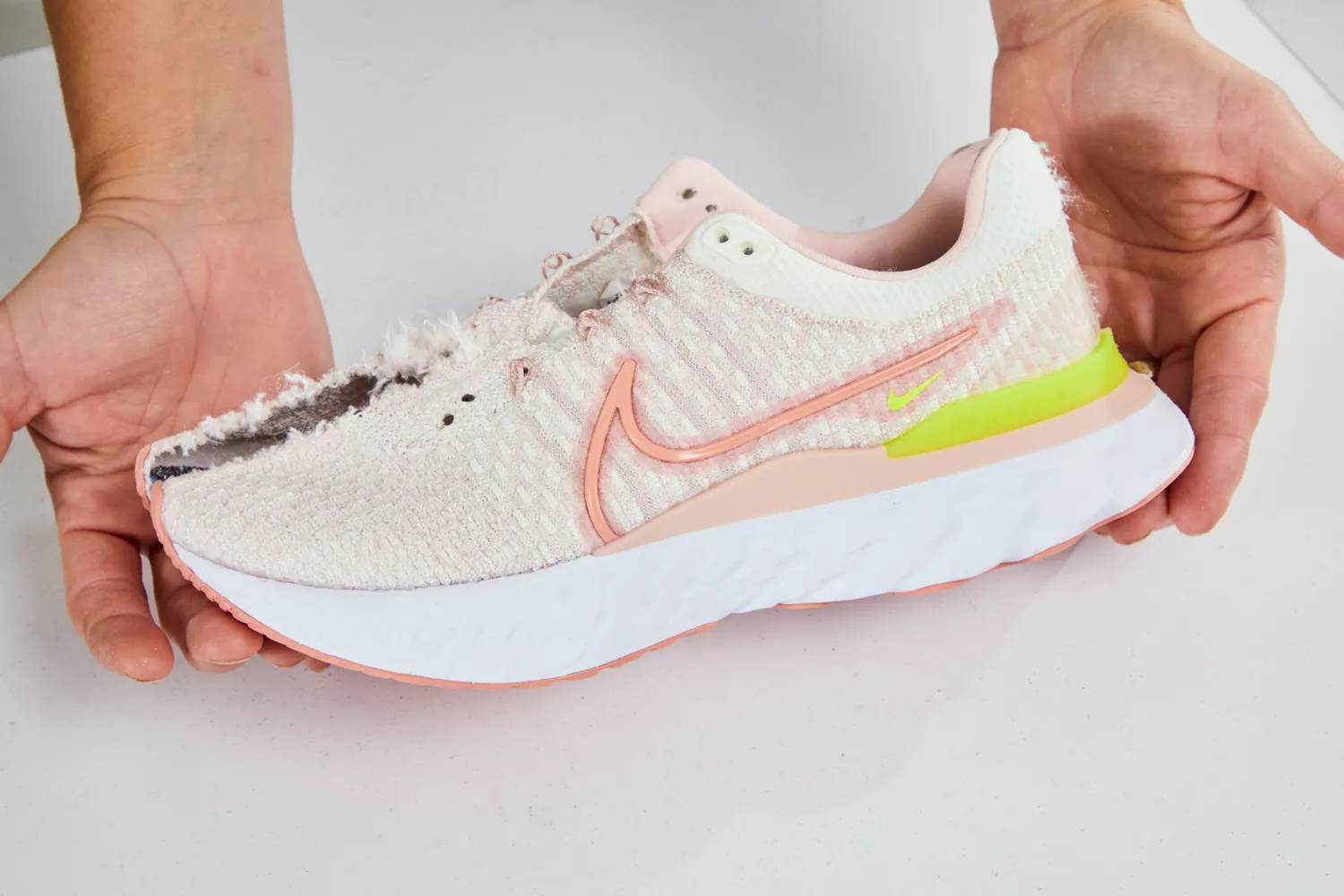
Long-distance running shoes typically last between 300 and 400 miles before the midsole cushioning and support begin to degrade. Signs that a shoe needs replacement include smoothed-out treads on the outsole, visible compression or unevenness in the foam, and new aches in the feet or joints.
To maximize the life of your footwear, it is recommended to use dedicated running shoes only for training and avoid wearing them for casual daily activities. We also suggest rotating between two different pairs. This allows the EVA midsole foam to fully decompress between runs, which can extend the life of the cushioning by up to 20%.
FAQ
What should I look for in long distance running shoes?
You should prioritize a combination of responsive cushioning, a secure upper fit, and a heel-to-toe drop that matches your running mechanics. Look for breathable materials and a durable rubber outsole that can handle 300+ miles.
How many miles do long distance running shoes last?
Most high-quality marathon training shoes last between 300 and 500 miles. Heavier runners or those who run on rougher surfaces may find their shoes degrade closer to the 300-mile mark.
Should I buy a half size larger for long distance running?
Yes, most experts recommend buying a half size to a full size larger than your casual shoes. This accommodates natural foot swelling that occurs during extended efforts and prevents toe injuries.
Are carbon plate shoes good for long distance training?
While they are excellent for racing and specific "tempo" sessions, using lightweight carbon fiber plate shoes for marathon racing every day can be hard on the feet. They are very stiff and may increase the risk of injury if used for every slow recovery mile.
Is more cushioning better for long distance running?
Up to a point, yes. More cushioning provides better impact protection, which is vital for high mileage. however, it must be paired with a stable platform so that the shoe doesn't feel "wobbly" at higher speeds.