Quick Facts
- Prevalence: Approximately 5 percent of the US population suffers from seasonal affective disorder annually.
- Geographic Variance: Rates range from 1 percent in Florida to 9 percent in Alaska, showing a clear link to latitude.
- Top Recommendation: Vitamin D remains the most critical supplement for managing winter depression.
- Suggested Dosage: Experts recommend a therapeutic vitamin d dosage for winter depression between 600 and 2,000 IU.
- Key Efficacy: St. John’s Wort has been found to be as effective as standard antidepressants for mild-to-moderate cases.
- Sleep Support: A magnesium and l-theanine stack for SAD sleep issues is highly effective for improving rest.
- Timeframe: Most natural remedies for SAD require 2 to 4 weeks of consistent use before noticeable mood improvements.
The most effective SAD supplements for managing seasonal affective disorder include Vitamin D, which regulates serotonin and compensates for lack of sunlight, and St. John’s Wort for mood support. Other evidence-based options include Omega-3 fatty acids, B-complex vitamins, and magnesium stacks to address winter-related sleep issues.
The Biology of Winter Blues: Why We Need Support
As the days grow shorter and the temperature drops, many of us feel a shift in our internal landscape. This isn't just a psychological reaction to the cold; it is a profound biological response to the lack of light. Seasonal affective disorder, or SAD, is primarily driven by a disruption in our circadian rhythm. When the sun disappears earlier in the evening, our brain's internal clock becomes de-synchronized, leading to an overproduction of melatonin and a sharp decline in serotonin regulation.
The biology of the winter blues is complex. For most people, the struggle is winter-pattern SAD, characterized by hypersomnia, overeating, and a heavy feeling in the limbs known as leaden paralysis. For a smaller group, summer-pattern SAD brings about insomnia and poor appetite. In both cases, the root cause often involves a struggle with neurotransmitter synthesis. Without sufficient sunlight, the body struggles to produce enough serotonin, the chemical responsible for mood stability. At the same time, the brain may continue producing melatonin well into the morning hours, leaving you feeling sluggish and lethargic.
Understanding this biological "why" is the first step toward building resilience. While light therapy boxes are a common first-line treatment, many individuals find that their biological systems need more targeted support through SAD supplements to bridge the gap between the seasons. By addressing specific nutrient deficiencies and supporting the brain's chemistry, we can help restore the emotional well-being that often feels lost during the darker months.
1. Vitamin D: The Sunlight Nutrient
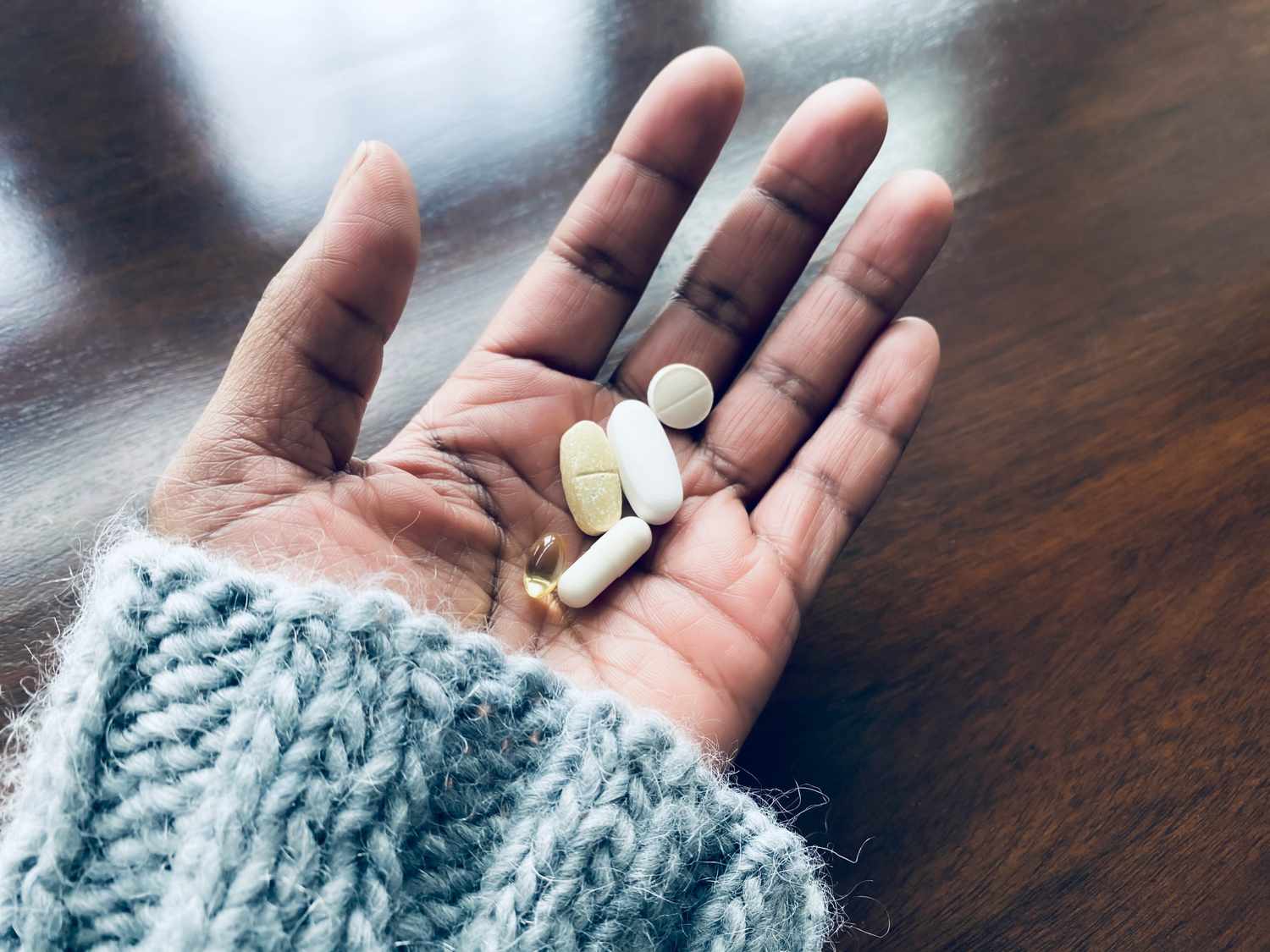
Vitamin D is frequently called the sunshine vitamin because our skin produces it in response to UV-B rays. During the winter, especially at higher latitudes, the sun's angle is too low for this process to occur effectively. This is a significant issue because Approximately 5 percent of the United States population experiences seasonal affective disorder in a given year, and a deficiency in Vitamin D is a common thread among those who suffer most.
Research has shown that Vitamin D is crucial for seasonal depression because it assists in neurotransmitter synthesis and helps regulate the circadian rhythm. A meta-analysis of clinical trials involving 948 individuals found that vitamin D supplementation produces moderate antidepressant effects, particularly in individuals with clinical depression or existing deficiencies.
When considering Vitamin D for seasonal depression, the dosage matters. While the standard RDA is lower, many experts suggest a therapeutic vitamin d dosage for winter depression ranging from 600 to 2,000 IU daily. This helps alleviate symptoms like lethargy and low mood. However, because Vitamin D is fat-soluble and can build up in the system, it is wise to have your blood levels tested to determine your specific needs and ensure optimal bioavailability.
2. St. John's Wort: Nature's Antidepressant
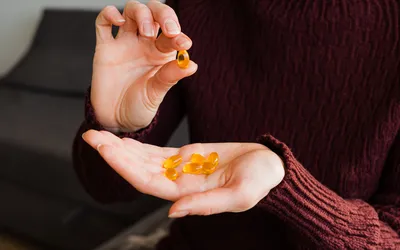
St. John’s Wort is one of the most well-studied natural remedies for SAD. It has been used for centuries to treat mood disorders, and modern science largely supports its use for mild-to-moderate depression. A systematic review of 29 international trials concluded that St. John's Wort extracts are as effective as standard prescription antidepressants and are generally associated with fewer side effects.
This herbal remedy works by preventing the reuptake of serotonin, dopamine, and norepinephrine, effectively keeping more of these "feel-good" chemicals available in the brain. For those seeking St. John's Wort for mood support, it offers a compelling alternative to synthetic medications.
Safety Warning: While effective, st john's wort safety and medication interactions are a serious concern. This supplement can significantly reduce the effectiveness of birth control, blood thinners, and certain heart medications. Most importantly, it should never be combined with prescription antidepressants (SSRIs), as this can lead to a dangerous condition called serotonin syndrome. Always consult a healthcare provider before adding this to your stack.
3. Omega-3 Fatty Acids and B-Complex Vitamins
When we talk about the best supplements for seasonal affective disorder 2026, we cannot ignore the foundations of brain health: Omega-3s and B-vitamins. Omega-3 fatty acids, specifically EPA and DHA found in fish oil, are essential for maintaining the fluidity of brain cell membranes. This helps neurotransmitters like serotonin move more easily between cells, improving overall mood and cognitive function.
B-complex vitamins play an equally vital role in energy metabolism. Many people experiencing winter blues feel a crushing sense of fatigue. B12 and B6 are necessary for the production of chemicals that affect mood and other brain functions. Specifically, B1 (thiamine) is often recommended as part of herbal remedies for SAD fatigue and lethargy because it helps convert nutrients into energy, fighting off that heavy, sluggish feeling.
Using these in tandem creates a powerful baseline for mental wellness. While Vitamin D and St. John's Wort target the mood directly, Omega-3s and B-vitamins ensure the brain has the physical resources it needs to function under the stress of a changing season.
4. Magnesium and L-Theanine: The Sleep & Stress Stack
One of the most disruptive symptoms of seasonal depression is the change in sleep patterns. Whether you find yourself sleeping twelve hours a day and still feeling tired, or struggling with anxious thoughts at night, magnesium can help. This mineral is a natural relaxant that helps regulate cortisol levels, the body's primary stress hormone.
A magnesium and l-theanine stack for SAD sleep issues is particularly effective. L-theanine is an amino acid commonly found in green tea that promotes relaxation without drowsiness. When combined with magnesium, it helps quiet the mind and improve the quality of restorative sleep. This is crucial for managing seasonal affective disorder, as poor sleep quality only exacerbates the daytime symptoms of irritability and low energy.
By keeping cortisol levels in check, this stack also helps with the anxiety that sometimes accompanies the transition into winter. It allows the nervous system to shift from a "fight or flight" state into a "rest and digest" state, which is essential for emotional resilience.

5. Zinc and Probiotics: The Gut-Brain Connection
Looking ahead to 2026, new research is highlighting the importance of the gut-brain axis in mental health. Zinc is an essential mineral that acts as a cofactor in neurotransmitter synthesis, particularly for serotonin and dopamine. Low levels of zinc have been linked to increased depressive symptoms. Including zinc in your list of natural mood boosting supplements for seasonal depression can provide an extra layer of support for those who find standard remedies insufficient.
Furthermore, probiotics are emerging as a surprising tool for seasonal mood regulation. Since a significant portion of the body's serotonin is produced in the gut, maintaining a healthy microbiome is essential for a stable mood. Probiotics help reduce systemic inflammation, which is often higher during the winter months and can contribute to feelings of "brain fog" and low mood.
2026 Supplement Comparison Guide
| Supplement | Recommended Dosage | Primary Benefit | Common Food Sources |
|---|---|---|---|
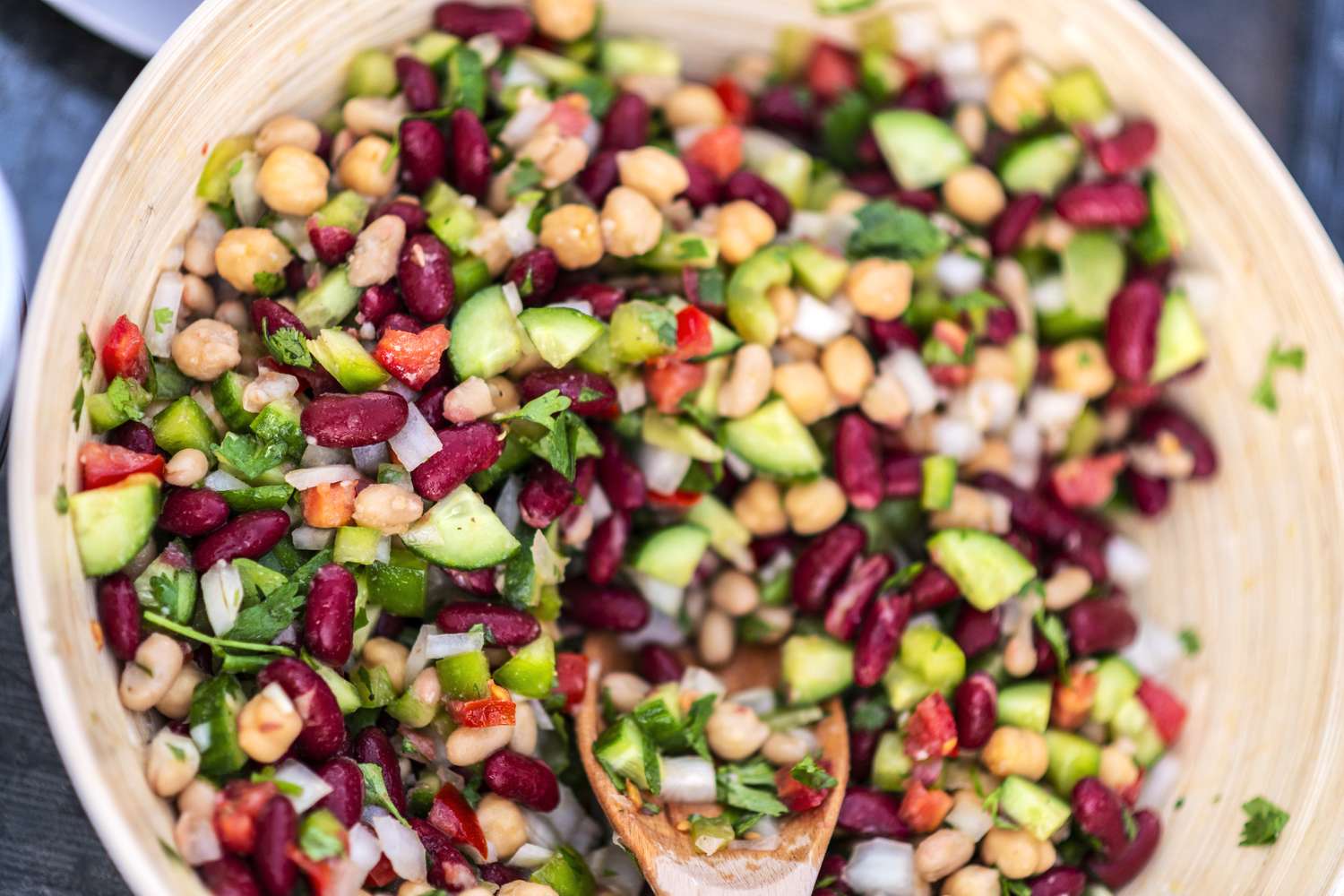
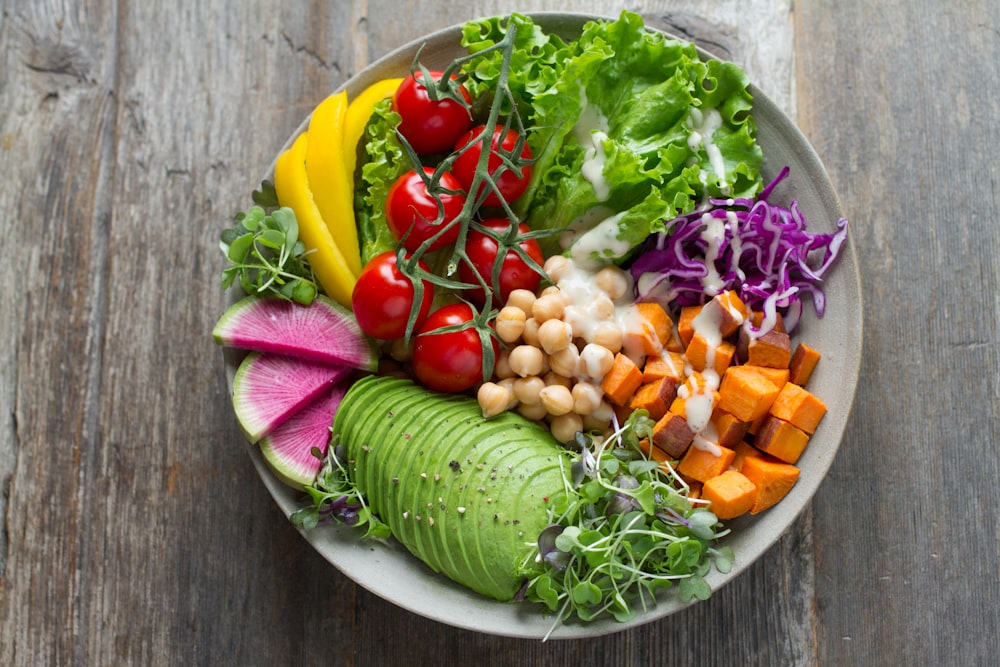
| Vitamin D3 | 600 - 2,000 IU | Serotonin regulation | Fatty fish, egg yolks, fortified milk |
| St. John's Wort | 300 mg (3x daily) | Mood elevation | Herbal extract (standardized) |
| Omega-3 (EPA) | 1,000 - 2,000 mg | Brain cell health | Salmon, walnuts, chia seeds |
| Magnesium | 200 - 400 mg | Sleep & anxiety | Spinach, pumpkin seeds, dark chocolate |
| B-Complex | 1 Daily Tablet | Energy & metabolism | Whole grains, meat, leafy greens |
Customizing Your Protocol: Stacks and Alternatives
No two people experience seasonal depression in exactly the same way. Therefore, learning how to create a personalized SAD supplement stack is essential for long-term success. For someone struggling with high anxiety and insomnia, the magnesium and l-theanine stack should be the priority. For those whose primary symptom is extreme lethargy and "hibernation," a combination of Vitamin D, B-complex, and light therapy might be more effective.
It is also worth exploring effective supplement alternatives to light therapy boxes. While phototherapy is highly effective, it requires a 20-30 minute daily commitment that doesn't fit everyone's lifestyle. In these cases, a robust supplement protocol that targets neurotransmitter synthesis and circadian rhythm regulation can act as a "chemical sunlight" to help stabilize the system.
When building your stack, consider the maintenance burden. It is better to take two supplements consistently than to have a five-pill routine that you skip half the time. Start with Vitamin D as your foundation and add other elements based on your most pressing symptoms.
Clinical Threshold: When Supplements Aren't Enough
While natural remedies for SAD are powerful tools, they are not a substitute for clinical care when symptoms become severe. If you find that you are unable to function at work, are withdrawing from loved ones, or are experiencing thoughts of self-harm, it is time to look beyond the supplement aisle.
In 2026, we have access to incredible advancements for treatment-resistant seasonal depression. Options like fMRI-guided TMS (Transcranial Magnetic Stimulation) and Ketamine therapy are becoming more accessible for those who do not respond to traditional SAD supplements or SSRIs. These treatments work by directly stimulating or "re-wiring" the neural pathways responsible for mood regulation.
When to See a Doctor Checklist
- Your symptoms persist despite 4-6 weeks of supplementation and light therapy.
- You experience significant weight changes or loss of appetite.
- You feel a sense of hopelessness or worthlessness that doesn't lift.
- You are having difficulty performing basic daily tasks (showering, cooking).
- You are considering using supplements like St. John's Wort and are already on other medications.

FAQ
What are the best supplements for seasonal affective disorder?
The top evidence-based choices include Vitamin D for light replacement, St. John’s Wort for neurotransmitter support, Omega-3 fatty acids for brain health, B-complex vitamins for energy, and magnesium for sleep and stress regulation.
Does Vitamin D help with SAD?
Yes, Vitamin D is essential for the synthesis of serotonin and dopamine. Research indicates that maintaining healthy levels can significantly reduce the severity of seasonal depressive symptoms, especially in those who are deficient due to lack of winter sunlight.
How long does it take for SAD supplements to start working?
Most people begin to feel a shift in energy within 1 to 2 weeks, but full antidepressant effects, particularly from St. John’s Wort or Vitamin D, typically take 4 to 6 weeks of consistent daily use.
Can magnesium help with seasonal affective disorder symptoms?
Magnesium is excellent for addressing specific symptoms like anxiety, muscle tension, and the sleep disturbances often associated with seasonal shifts. It helps by regulating cortisol levels and supporting the nervous system's ability to relax.
Is Vitamin D or light therapy better for SAD?
Both are highly effective, but they work through different mechanisms. Light therapy provides a rapid signal to the brain to reset the circadian rhythm, while Vitamin D provides the nutritional building blocks for mood chemicals. Using them together is often considered the gold standard.
Can I take St. John's Wort for seasonal depression?
You can, and it is highly effective for mild-to-moderate cases. However, it is vital to check for drug interactions with a doctor first, as it can interfere with many common medications, including antidepressants and hormonal birth control.
Building Your Winter Wellness Routine
Managing seasonal affective disorder is about more than just a single pill; it is about creating a comprehensive ecosystem of support. By combining high-quality SAD supplements with mindful movement, adequate rest, and professional guidance, you can build the resilience needed to navigate the colder months with grace.
As you move through this season, remember to be patient with yourself. Your biology is reacting to a challenging environment, and providing it with the right nutrients is a profound act of self-care. Start small, track your mood, and don't hesitate to reach out for professional support if the shadows feel too heavy to lift on your own.