Our Top Picks
- Best Daily Trainer: Salomon Aeroglide 4 – Maximum cushioning for high-mileage protection.
- Best Tech Accessory: Garmin Forerunner Series – Precise tracking for performance metrics.
- Best Recovery Tool: Compression socks – Essential for reducing soft tissue vibration and muscle soreness.
The best running gear starts with gait-specific footwear and high-performance moisture-wicking apparel to ensure thermal regulation and comfort across all training intensities.
Choosing the best running gear is about more than just style; it's about optimizing performance and preventing injury. Whether you need essential running gear for beginners or specialized running equipment for athletes, our 2026 guide covers 16 expert-approved items to elevate your stride. By focusing on biomechanical alignment and environmental adaptability, you can transform your training from a chore into a high-performance pursuit.
| Category | Expert-Approved Pick | Best Use Case |
|---|---|---|
| Footwear | Salomon Aeroglide 4 | Daily high-mileage training |
| Footwear | Asics Novablast 5 | Versatile tempo and long runs |
| Apparel | Synthetic Moisture-Wicking Tee | Hot weather sweat management |
| Apparel | High-Impact Sports Bra | Support for intense training |
| Apparel | Lightweight Running Shorts | Friction-less speed sessions |
| Apparel | Waterproof Running Jacket | Rainy and windy environments |
| Apparel | Thermal Base Layers | Winter training and cold weather |
| Accessories | Anti-Blister Performance Socks | Long-distance comfort |
| Safety | 1100-Lumen Headlamp | Nighttime trail and road safety |
| Safety | Reflective Visibility Vest | Low-light urban running |
| Safety | UV-Protective Sunglasses | Eye protection and glare reduction |
| Tech | GPS Fitness Watch | Metric tracking and heart rate |
| Endurance | Salomon Adv Skin 12 Vest | Marathon training and hydration |
| Endurance | Anti-Chafing Balm | Skin protection on long runs |
| Recovery | Graduated Compression Socks | Post-run muscle recovery |
| Recovery | Specialized Recovery Slides | Post-training foot relief |
The Foundation: Footwear and Biomechanics
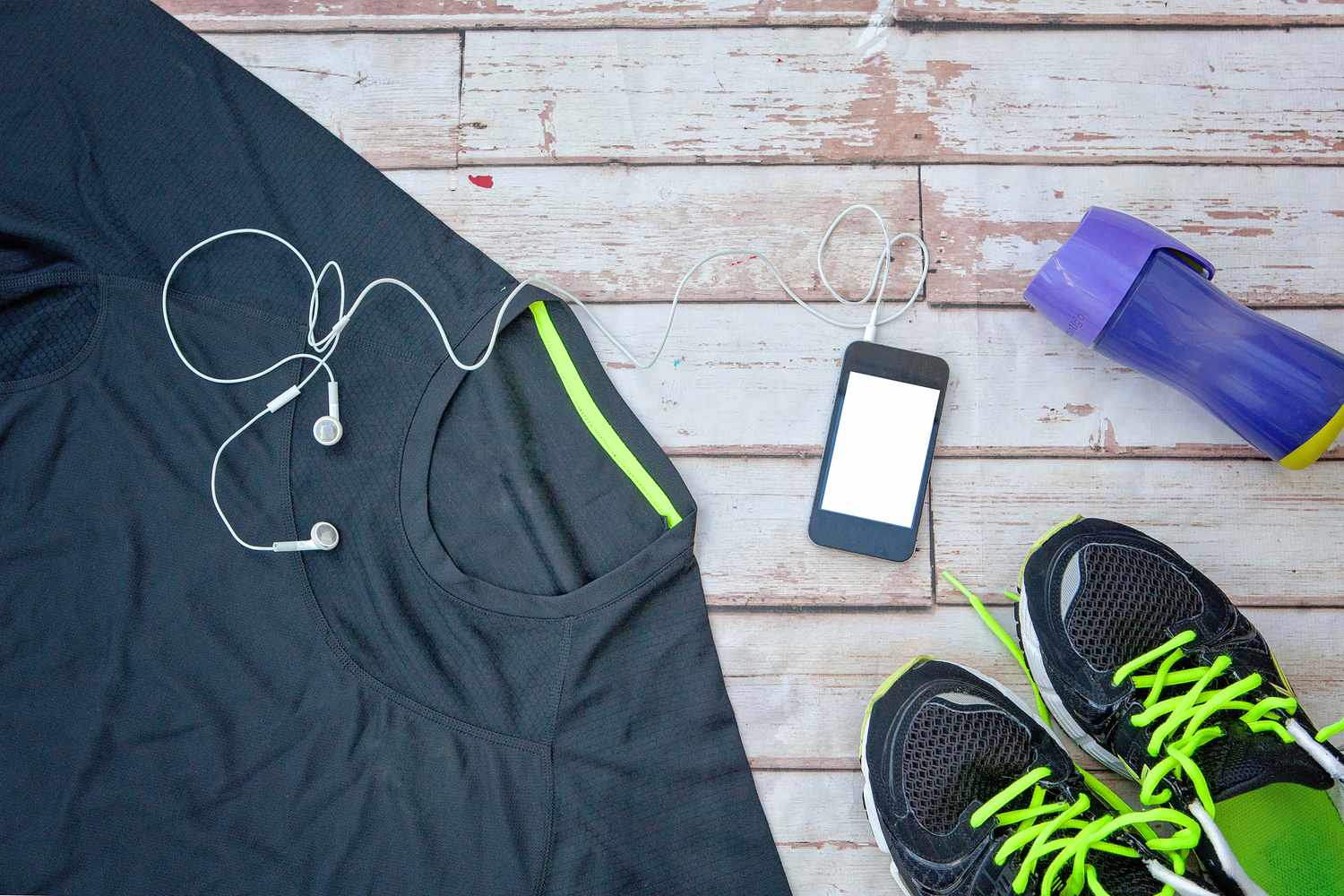
The most critical investment any runner makes is in their footwear. In my years of training athletes, I’ve found that many injuries stem from a lack of proper Gait analysis. Understanding your foot strike and whether you experience Overpronation is the first step in selecting the best running gear for your specific needs. The goal is to find a shoe that passes the Comfort Filter—it should feel like an extension of your foot the moment you lace it up.
Two standouts currently dominating the market are the Salomon Aeroglide 4 and the Asics Novablast 5. The Aeroglide 4 is a powerhouse of cushioning, weighing in at a mere 9.2 oz, providing a plush ride without the bulk. On the other hand, the Novablast 5 offers a more energetic, "trampoline" effect that works well for various paces.
Safety isn't just about external factors; it's about internal longevity. Research shows that approximately 42% of all running-related injuries affect the knee, often caused by improper support or worn-out gear. To mitigate this risk, rotating between different shoe models can be a game-changer. Experts have found that rotating footwear can result in a 39% reduction in injury risk by slightly varying the stress placed on the musculoskeletal system with each run.
Beyond selection, maintenance is key. You must replace your shoes on a regular cycle to maintain structural integrity. Experts typically recommend that runners replace their shoes every 300 to 500 miles to prevent injuries caused by the degradation of midsole cushioning and shock absorption.
Apparel: Mastering the Elements
Once your footwear is sorted, your focus must shift to Thermal regulation. The human body is remarkably efficient at cooling itself, but only if the clothing allows for effective Sweat management. For most athletes, moisture wicking running clothes for hot weather are non-negotiable. Stick to Synthetic performance fabrics that pull moisture away from the skin; cotton is your enemy here, as it retains water, leads to chafing, and causes heavy, saturated clothing.
For female athletes, High-impact support from a specialized sports bra is essential running gear for beginners and veterans alike. It prevents soft tissue strain and ensures you can focus on your stride rather than discomfort. Similarly, lightweight shorts with a moisture-wicking liner help prevent friction and skin irritation.
As the weather shifts, your strategy must evolve. The best cold weather running gear for athletes follows the 50-degree rule: if the temperature is above 50°F, you likely do not need headwear or heavy layers. Below that, thermal layers become vital. Furthermore, if you are training in unpredictable climates, waterproof running jackets for rainy weather provide a barrier against the elements while maintaining breathability. Interestingly, the market for high-end shells is shifting, especially with major players like Gorewear transitioning their distribution models, making it essential to find reliable must-have running accessories that offer high-performance membranes.

Visibility and Safety for Every Environment
As a training editor, I cannot stress enough that safety is a performance metric. If you don't feel safe, you won't train consistently. For those who log miles before dawn or after dusk, reflective running gear for night safety is a requirement, not an option. Being visible to motorists from 360 degrees can prevent catastrophic accidents.
A high-quality headlamp is the centerpiece of a night-running kit. While basic lights work for walking, runners need an 1100-lumen standard to illuminate uneven surfaces and provide adequate reaction time. Complement this with stainless steel ID tags and bone-conduction headphones. These headphones allow you to enjoy your music or podcasts while keeping your ears open to ambient sounds like approaching vehicles or other pedestrians. This situational awareness is a key part of running equipment for athletes who prioritize longevity and safety.
Endurance and Tracking: Marathon Ready
For those moving into the realm of long-distance training, your gear needs to support hours of continuous movement. This is where must-have running accessories for marathon training come into play. A dedicated hydration system, such as the Salomon Adv Skin 12, allows you to carry water, nutrition, and essentials comfortably against your body without bouncing.
Maintaining your Electrolyte balance is a science. During long runs, water alone isn't enough; you need a system to replace the sodium and potassium lost through sweat. Additionally, advanced running accessories like GPS watches have revolutionized how we train. These devices do more than just tell time; they track heart rate, cadence, and recovery metrics, allowing for a data-driven approach to fitness.
I've also seen an increase in athletes using specialized tools like CannaTape or CBD-infused tape to improve proprioception and manage minor inflammation during high-mileage blocks. When every mile counts, these small adjustments in your kit can prevent a "did not finish" (DNF) result on race day. Using the best running hydration packs for long distances ensures you never hit the wall due to dehydration.
Post-Run: Recovery and Longevity
The workout doesn't end when you stop your watch. Post-run recovery tools are what allow you to wake up the next day and do it all again. Compression gear is highly effective here; by applying graduated pressure to the limbs, it minimizes soft tissue vibration during the run and improves blood flow afterward to flush out metabolic waste.
Blister prevention is another pillar of longevity. Quality running socks made of wool or synthetic blends are critical. They should have a seamless toe and a snug fit to prevent the friction that causes blisters. Finally, consider your skin health. Sports-specific sunscreen that doesn't run when you sweat and anti-chafing products are vital for maintaining skin health across various training environments. Your body is your most important piece of gear—treat it with the respect it deserves by prioritizing recovery.
FAQ
How do I choose the right running shoes for my foot type?
The most effective way to choose shoes is to undergo a professional gait analysis at a specialized running store. This process identifies if you have a neutral strike, overpronation, or supination. Once you understand your biomechanics, look for shoes that offer the appropriate level of support and cushioning, but always prioritize the comfort filter—the shoe should feel natural and comfortable immediately without a "break-in" period.
How often should you replace your running shoes?
Most experts and shoe manufacturers recommend replacing your running shoes every 300 to 500 miles. By this point, the foam cushioning and shock-absorbing materials in the midsole have usually degraded, which increases the impact on your joints and can lead to injuries like shin splints or runner's knee. If you notice visible wear on the outsole or feel new aches after a run, it is time for a new pair.
What safety gear is recommended for running at night?
Night running requires a multi-layered approach to visibility. At a minimum, you should wear a reflective vest or high-visibility clothing that provides 360-degree coverage. A headlamp with at least 1100 lumens is recommended for seeing the path ahead, while a rear-facing red blinker helps motorists see you from behind. Additionally, bone-conduction headphones are recommended to maintain situational awareness.
Is high-end running gear worth the investment?
For serious athletes, high-end gear is often worth the investment because of the specialized materials and durability. Premium moisture-wicking fabrics last longer through multiple wash cycles and perform better at managing sweat, while high-end GPS watches provide more accurate data for training optimization. However, beginners can start with the essentials and upgrade as their mileage and commitment increase.
What is the best gear for running in the rain?
The best gear for rain includes a waterproof yet breathable jacket and a brimmed hat to keep water out of your eyes. Look for jackets with sealed seams and ventilation to prevent overheating. Additionally, moisture-wicking synthetic socks are crucial in the rain to prevent your feet from becoming waterlogged, which is a primary cause of blisters.