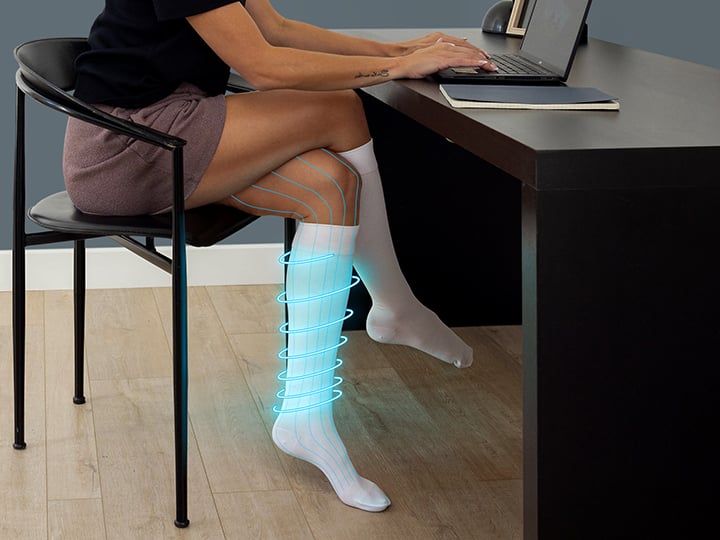
Our Top Picks
- Top Overall: Sigvaris Medical Deluxe – Boasts a documented 87% compression retention rate and unmatched durability for clinical use.
- Best for Travel: Neo-G Travel Compression – A Class 1 Medical Device designed specifically for the rigors of long-haul flight comfort.
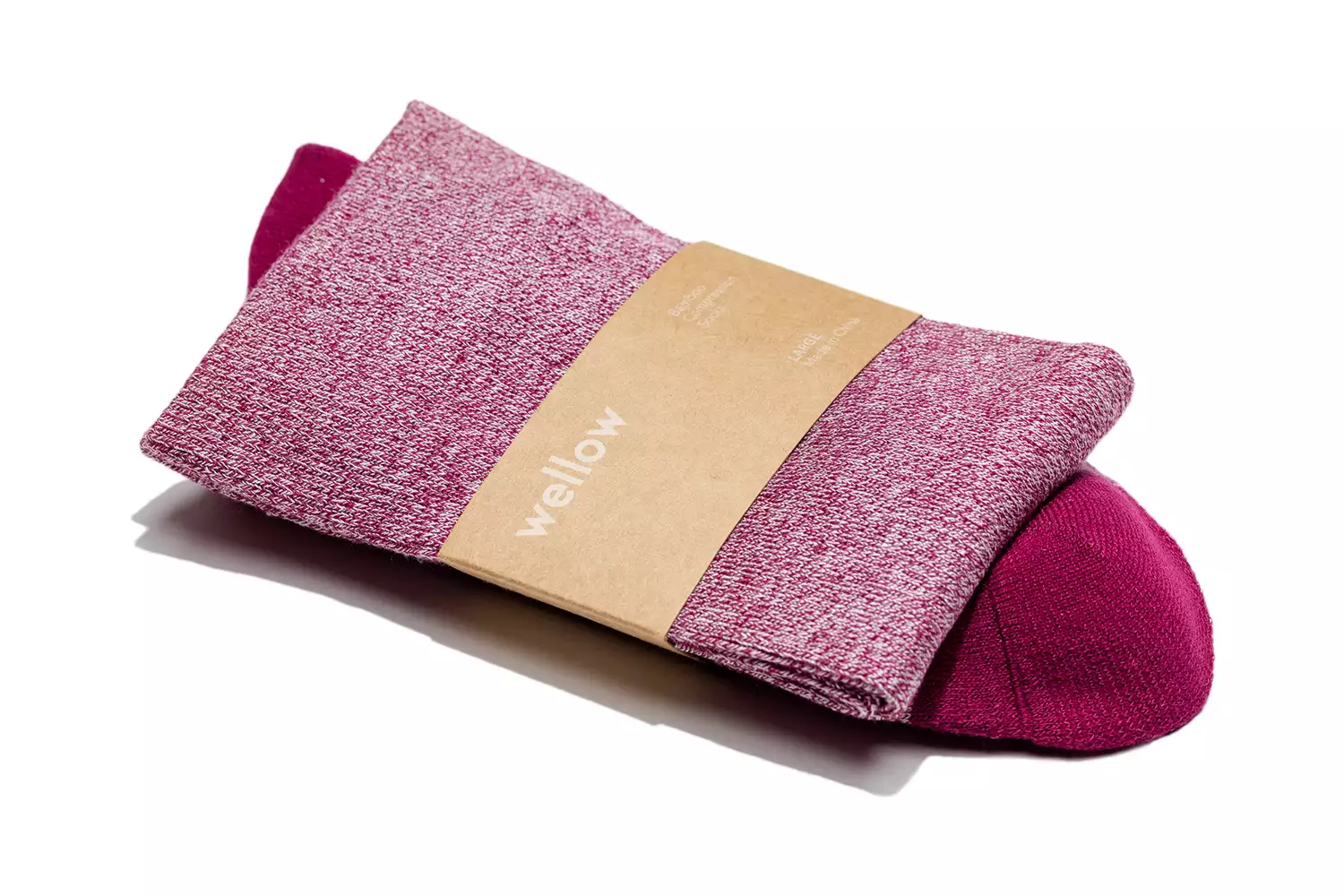
- Best for Wide Calves: Wellow – Features a proprietary bamboo blend that stretches comfortably to fit calf circumferences up to 22 inches.
- Best for Daily Wear: Sockwell Elevation – Combines moderate 15-20 mmHg pressure with a stylish aesthetic and moisture-wicking technology.
Selecting the best compression socks requires balancing pressure ratings with material and fit. For daily wear or mild swelling, light compression (8-15 mmHg) or moderate (15-20 mmHg) is often sufficient to reduce leg fatigue. For medical conditions or post-surgery recovery, firm graduated compression (20-30 mmHg) is frequently recommended by healthcare professionals to improve venous return. Look for moisture-wicking materials like merino wool or synthetic blends to ensure comfort and prevent skin irritation during extended wear.
Quick Facts
| Category | Product Pick | Material | Pressure Rating |
|---|---|---|---|
| Top Overall | Sigvaris Medical Deluxe | Synthetic/Microfiber | 20-30 mmHg |
| Best for Travel | Neo-G Travel | Nylon/Elastane | 15-20 mmHg |
| Best for Wide Calves | Wellow | Bamboo/Nylon | 15-25 mmHg |
| Best for Daily Wear | Sockwell Elevation | Merino/Rayon | 15-20 mmHg |
Podiatrist-recommended compression socks aid vascular health by promoting efficient blood flow from the lower extremities back to the heart. They are particularly beneficial for healthcare professionals standing all day, travelers on long-haul flights, and individuals experiencing pregnancy-related peripheral edema. These socks utilize graduated pressure to alleviate symptoms of varicose veins and muscle fatigue, while high-quality designs often incorporate reinforced heels and seamless toes to provide additional structural support and prevent chafing.
Compression socks should feel snug and supportive without being painfully tight or restricting circulation. To find the correct size, it is essential to measure calf circumference and ankle width according to the manufacturer's specific sizing chart, as many experts suggest sizing up if you fall between two categories. To maintain the integrity of the compression rating and elasticity, follow specific laundering instructions, as high-quality medical-grade socks typically retain their therapeutic effectiveness for several months of daily use.
Understanding Compression Levels and mmHg Ratings
In my years as a lifestyle editor focused on preventive care, I have found that the most misunderstood aspect of leg health is the measurement known as mmHg. This stands for millimeters of mercury, a unit of pressure. When we talk about compression levels and mmHg ratings, we are describing the amount of force the fabric exerts on your tissues. The goal is to assist the veins in their difficult job of moving blood upward against gravity, a process known as venous return.
The global compression socks market is projected to reach a valuation of approximately $751.7 million by 2025, with North America anticipated to hold a 43% share of the industry. This surge is driven by a growing awareness that vascular health maintenance is a daily responsibility, not just a medical intervention. Graduated compression socks, which apply the highest pressure at the ankle and gradually decrease moving up the leg, are expected to account for 60% of the total compression sock market share in 2025.
When learning how to choose between 15-20 and 20-30 mmhg compression socks, consider your activity level. 15-20 mmHg is the sweet spot for most healthy adults. It provides enough support to prevent heavy, achy legs after a long day without requiring a prescription. On the other hand, 20-30 mmHg is considered medical grade. It is often necessary for those managing diagnosed conditions like deep vein thrombosis or severe swelling.
Podiatrist Tip: Always look for the word "graduated" on the packaging. If a sock applies the same pressure at the top as it does at the bottom, it can actually act like a tourniquet, hindering blood flow rather than helping it.
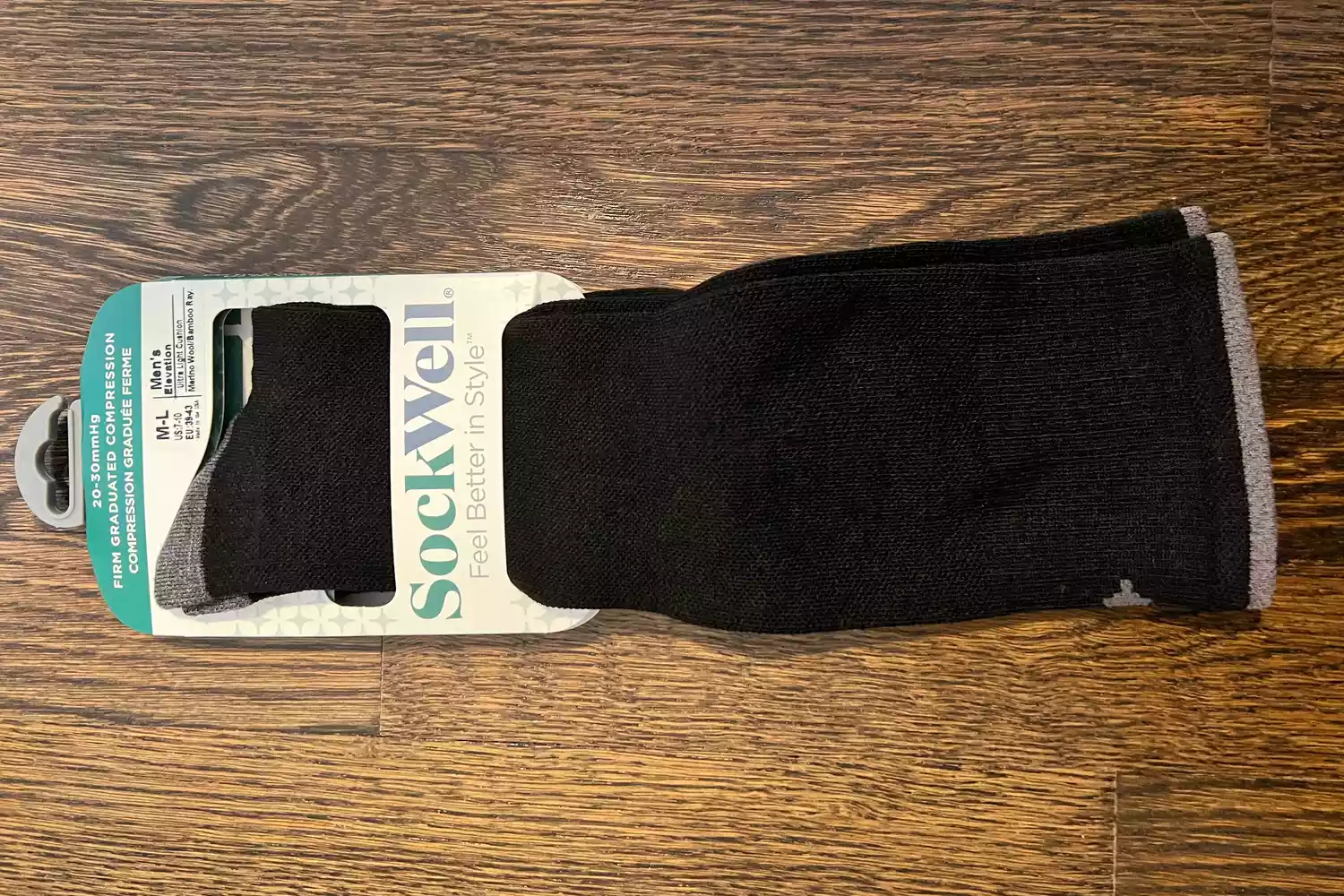
Best Compression Socks for Travel and Flying
For the frequent flyer, the risk of developing blood clots or experiencing significant peripheral edema increases with every hour spent in a cramped cabin. Using graduated compression socks for travel is one of the most effective ways to mitigate these risks. When you are seated for long periods, your calf muscles—often called the "second heart"—cannot pump blood efficiently.
The Neo-G Travel Compression socks are a standout in this category. As a Class 1 Medical Device, they offer a verified pressure range that ensures safety during long-haul flight comfort. These socks utilize moisture-wicking technology to keep your feet dry in varying cabin temperatures, and the reinforced heel cushioning prevents the common discomfort of shoes rubbing against the heel during long walks through terminals.
When selecting the best graduated compression socks for travel and flying, I look for a blend of nylon and elastane. These materials offer the necessary elasticity to maintain pressure for the duration of a 12-hour flight.
- Material: Nylon and Elastane blend
- mmHg: 15-20 mmHg (Moderate)
- Size Range: S through XL based on ankle and calf measurements
- Key Feature: Clinically graded for travel safety
Top Picks for Standing All Day and Healthcare Professionals
If your career keeps you on your feet for 12-hour shifts, you know that muscle fatigue recovery begins while you are still working. I frequently hear from nurses and retail workers who experience throbbing legs by mid-afternoon. This is where podiatrist recommended compression socks for standing all day become essential tools of the trade.
Sockwell is a brand that has mastered the balance between professional performance and comfort. Their socks often feature a seamless toe design, which is a small detail that makes a massive difference when you are walking miles in a hospital or warehouse setting. The use of antimicrobial treatment in their wool blends helps manage odor—a practical necessity for healthcare professional footwear.
When evaluating podiatrist recommended compression socks, durability is key. A high-quality pair should maintain its elasticity for six to eight months of regular use. Brands like Sigvaris have set a high bar here, with testing showing they retain their therapeutic effectiveness long after cheaper alternatives have stretched out.
- Material: Merino Wool, Bamboo Rayon, and Stretch Nylon
- mmHg: 15-20 mmHg
- Size Range: Standard and Wide Calf options
- Key Feature: High-density cushioning for high-impact areas
Specialized Solutions: Pregnancy and Wide Calves
Pregnancy brings about physiological changes that can significantly impact the vascular system. Increased blood volume and hormonal changes often lead to swelling in the ankles and feet. Finding safe compression socks for pregnancy swelling relief can transform the daily experience of an expectant mother, reducing the heavy sensation in the legs and preventing the development of varicose veins.
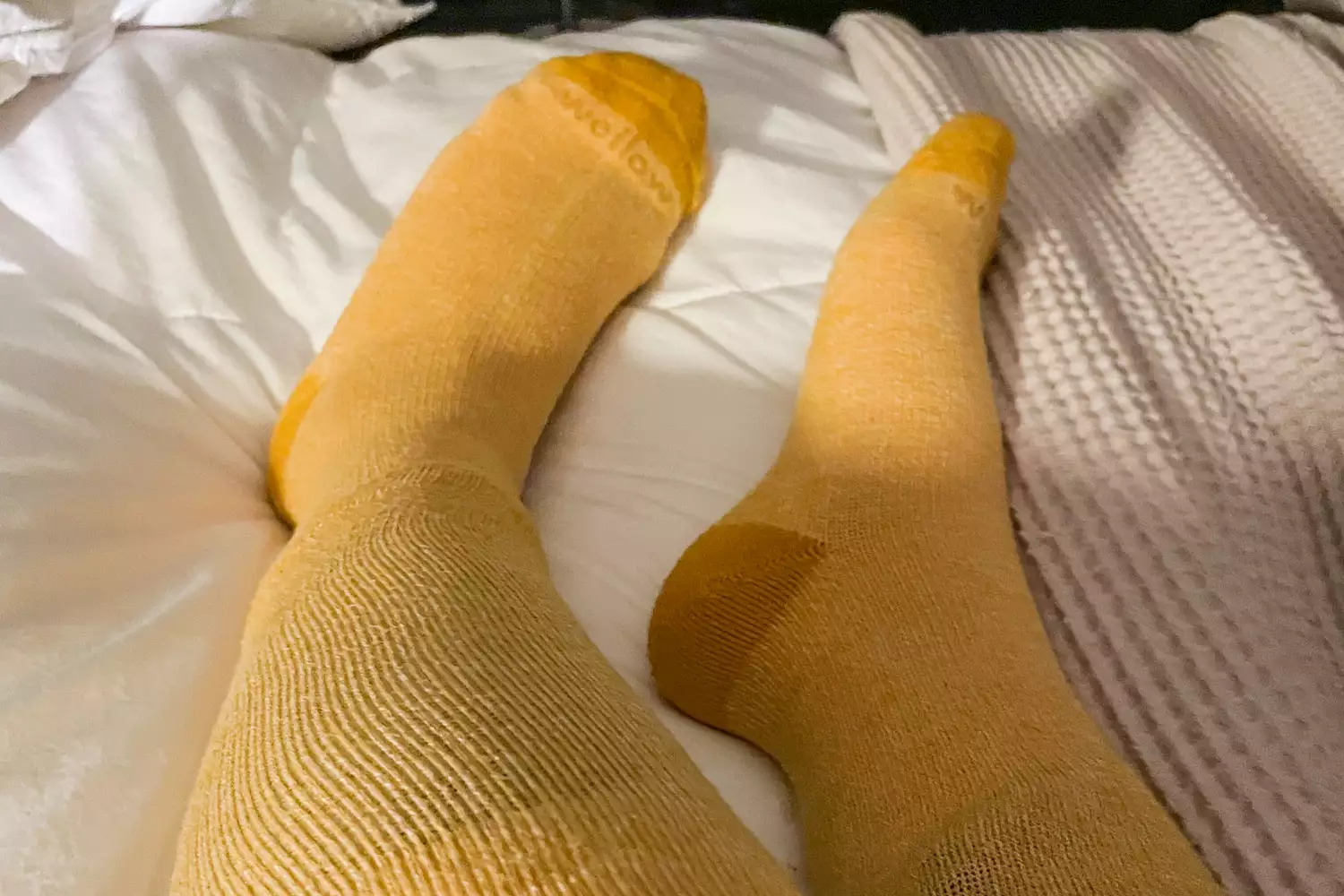
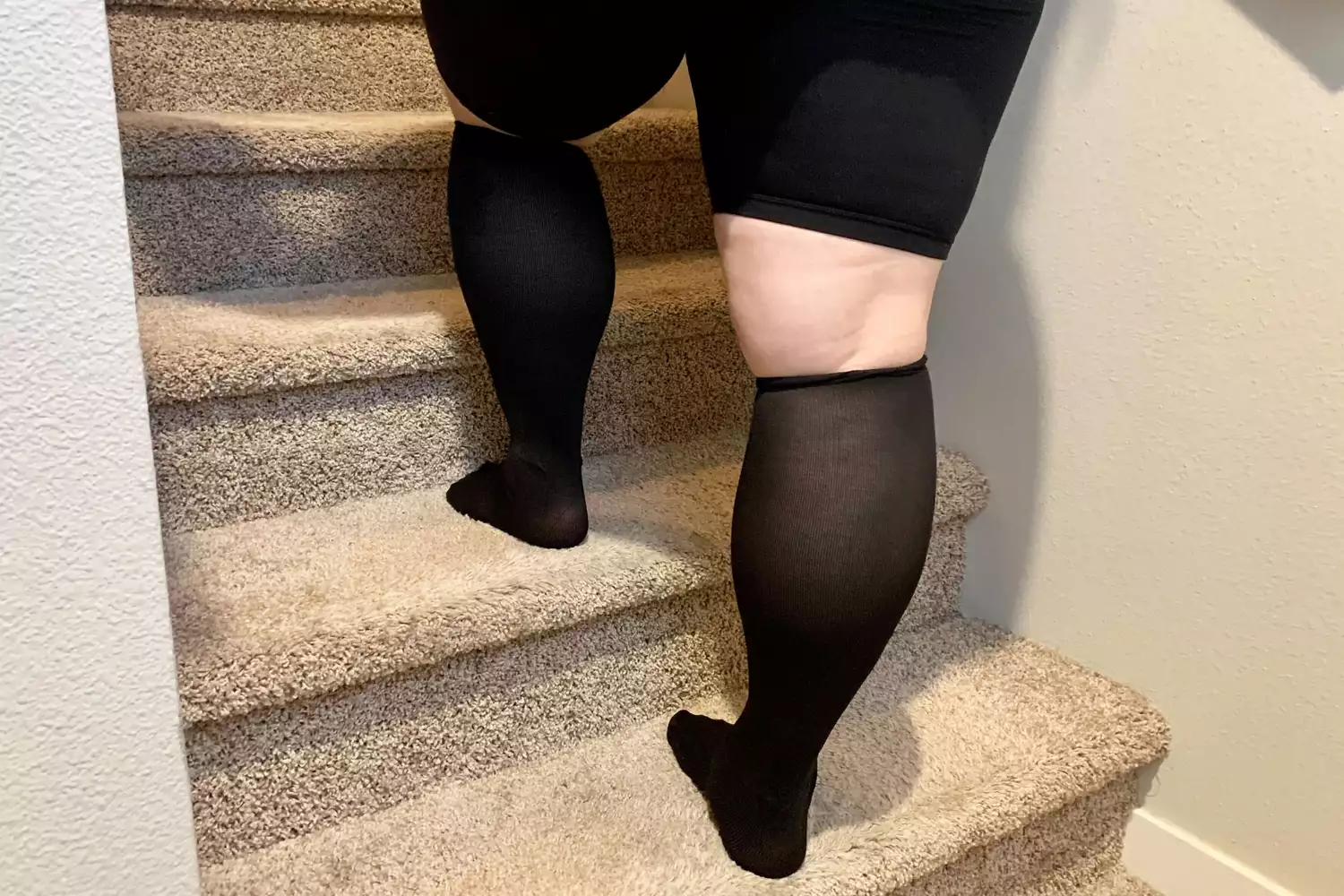
However, a common struggle for many—not just during pregnancy—is finding socks that fit larger frames. The best compression socks for wide calves and large legs must offer generous stretching without digging into the skin at the top band. Wellow has become a favorite in the wellness community for this very reason. Their socks accommodate calf circumferences up to 22 inches, providing a fit that is supportive rather than restrictive.
When selecting socks for wide calves, pay close attention to the calf circumference sizing. Measuring at the widest part of your calf is the only way to ensure the pressure is distributed correctly across the muscle.
- Material: Eco-friendly Bamboo blend
- mmHg: 18-25 mmHg (Soft-firm)
- Size Range: Inclusive sizing up to 22" calf
- Key Feature: Non-restrictive top band to prevent pinching
Medical Grade Performance for Poor Circulation
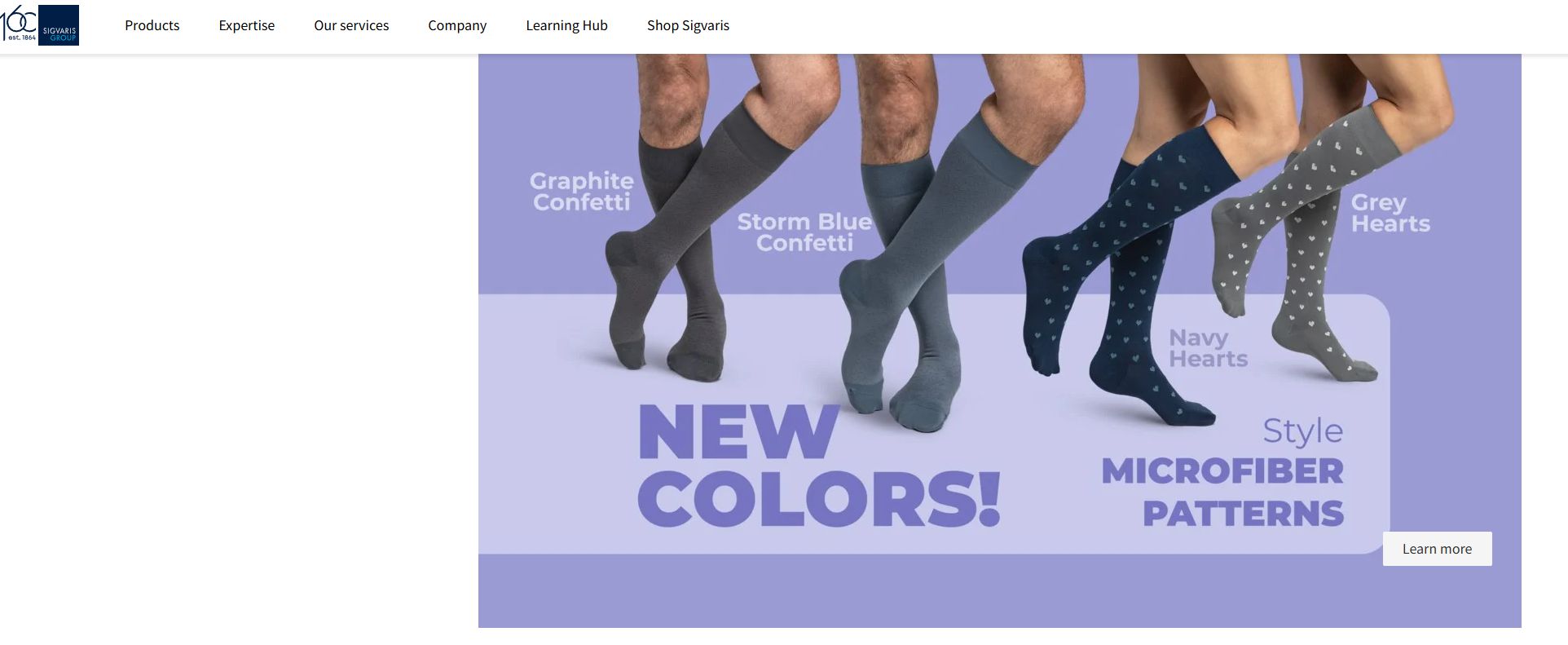
For individuals dealing with medical grade compression socks for poor circulation symptoms, the stakes are higher. Conditions such as chronic venous insufficiency or advanced peripheral edema require a higher level of precision. Sigvaris remains the industry gold standard in this realm. Their Medical Deluxe line is designed for longevity and precise pressure delivery.
What sets medical grade socks apart is the testing. High-quality socks undergo rigorous pressure testing to ensure that the 20-30 mmHg rating is consistent across the entire batch. This level of support is vital for vascular health maintenance in patients who have a higher risk of skin breakdown or ulceration due to poor blood flow.
Safety Warning: If you have been diagnosed with Peripheral Arterial Disease (PAD) or have a severe skin infection, consult your specialist before wearing compression. Compression is meant to help veins, but in cases of severe arterial issues, it can be contraindicated.
- Material: Double-covered inlay yarns for soft texture
- mmHg: 20-30 mmHg (Firm)
- Size Range: Extensive, including petite and long lengths
- Key Feature: 87% compression retention after 6 months
How to Measure and Choose Your Size
The efficacy of the best compression socks is entirely dependent on the fit. A sock that is too loose provides no benefit, while one that is too tight can cause pain and skin irritation. The most important metric is your calf circumference sizing.
To get the most accurate measurement, I recommend measuring your legs first thing in the morning. This is when your legs are at their natural state, before gravity and daily activity cause the inevitable swelling that occurs throughout the day. You will need a soft measuring tape to record the circumference of your ankle (just above the bone) and the widest part of your calf.
If your measurements fall between two sizes on a manufacturer's chart, most podiatrists suggest sizing up. This ensures the sock is comfortable enough to wear all day, which is the only way to achieve long-term wellness results. Remember, the goal is a snug, "hug-like" sensation, not a restrictive grip.
FAQ
What are the benefits of wearing compression socks?
Wearing compression socks improves blood flow by applying graduated pressure to the lower legs, which helps the veins return blood to the heart. This process reduces the risk of blood clots, minimizes swelling in the feet and ankles, and alleviates the heavy, aching sensation caused by standing or sitting for long periods. They are also highly effective at preventing the progression of varicose veins and speeding up muscle recovery after intense physical activity.
What level of compression do I need for daily wear?
For the average healthy individual looking to reduce daily leg fatigue or manage mild swelling, a moderate compression level of 15-20 mmHg is usually recommended. This level provides enough support to notice a significant difference in comfort without being so tight that it becomes difficult to put on or take off. It is the standard choice for travel, office work, and casual exercise.
How do I choose the right size for compression socks?
To choose the right size, you must measure your legs using a soft measuring tape, preferably in the morning. Focus on two key areas: the circumference of your ankle at its narrowest point and the circumference of your calf at its widest point. Compare these measurements against the specific sizing chart of the brand you are purchasing, as sizing can vary significantly between manufacturers. If you are between sizes, it is generally safer to choose the larger size to ensure the sock does not restrict circulation.
Is it safe to sleep in compression socks?
Generally, it is not recommended to sleep in compression socks unless specifically instructed by a healthcare professional. When you are lying flat, your circulatory system does not have to fight gravity to move blood back to your heart, making the extra pressure unnecessary. Furthermore, wearing them while asleep can make it harder to notice if the socks are too tight or causing skin irritation. For most people, the benefits are best achieved during waking hours.
What is the difference between 15-20 and 20-30 mmHg compression?
The primary difference is the intensity of the pressure. 15-20 mmHg is a moderate, over-the-counter level designed for daily comfort, travel, and prevention. 20-30 mmHg is a firm, medical-grade level often used to treat specific conditions like moderate edema, deep vein thrombosis, or post-surgical recovery. While 15-20 mmHg feels like a supportive hug, 20-30 mmHg feels significantly tighter and is usually recommended by a podiatrist or vascular specialist.