Quick Facts
- The Awareness Gap: An estimated 44% of adults with hypertension are unaware they have the condition.
- Global Impact: Uncontrolled high blood pressure is a leading global risk factor for mortality, claiming more than 10 million lives every year.
- Brain Health: Chronic hypertension increases the risk of Alzheimer's by 25% and contributes to cognitive decline.
- Heart Disease Driver: Hypertension accounts for approximately half of all heart disease and stroke-related deaths worldwide.
- Proven Reduction: Adopting the DASH diet can lower systolic pressure by up to 13 mmHg in individuals with hypertension.
- Weight Factor: For every 1kg of weight reduction, you can expect a corresponding 1 mmHg reduction in systolic pressure.
High blood pressure is known as a silent killer because it often presents no symptoms while significantly increasing the risk of heart failure, stroke, and kidney disease. According to the American Heart Association, many adults are unaware they have the condition, which can lead to arterial stiffness and left ventricular hypertrophy if left unchecked.
The Anatomy of a Silent Killer: Why Symptoms Are Rare
The most dangerous aspect of high blood pressure is its ability to hide in plain sight. Unlike a broken bone or a viral infection, hypertension rarely causes physical pain or obvious discomfort. This creates a massive awareness gap. In 2024, data showed that 1.4 billion adults aged 30–79 years worldwide had hypertension, but nearly half had no idea their cardiovascular system was under duress.
When you have managing asymptomatic blood pressure issues, the damage happens at the microscopic level. Constant high pressure causes tiny tears in the artery walls, which then heal into scar tissue. This process leads to arterial stiffness, making it harder for blood to flow freely. This state of reduced endothelial health means your blood vessels lose their ability to dilate and contract properly. Even more concerning is the stage known as prehypertension. In this phase, your readings are higher than normal but not yet in the hypertensive range, yet the cardiovascular risks of prehypertension in adults are already beginning to accumulate, setting the stage for future heart events.

System-by-System: How Hypertension Damages the Body
The term "heart killer" is accurate, but it tells only part of the story. High blood pressure is a systemic predator that affects every major organ in your body.
The Brain High pressure damages the small, delicate blood vessels in the brain. This is a primary driver of preventing cognitive decline through blood pressure management. Research indicates that midlife hypertension increases the risk of developing Alzheimer's and vascular dementia by roughly 25%. Over time, the lack of consistent blood flow leads to white matter lesions and cognitive impairment.
The Heart To overcome the resistance in stiff arteries, the heart must pump harder. This causes the muscle of the left ventricle to thicken and lose its elasticity, a condition known as left ventricular hypertrophy. Eventually, the heart can no longer meet the body's demands, leading to heart failure.
The Kidneys Your kidneys rely on healthy capillaries to filter waste from the blood. High pressure can cause these vessels to narrow and weaken. Hypertension is currently the second leading cause of kidney failure globally, accounting for approximately 30% of cases.
The Arteries Healthy arteries are supple and lined with a thin layer of cells that produce nitric oxide to keep blood flowing smoothly. High blood pressure destroys this lining, leading to a permanent loss of elasticity and increasing the likelihood of life-threatening clots.
The S-ABCDE Framework: Lifestyle Interventions for Heart Health
Managing your numbers doesn't always require an immediate prescription. Effective lifestyle interventions for heart health can produce results comparable to some medications. Use the S-ABCDE framework to guide your habits.
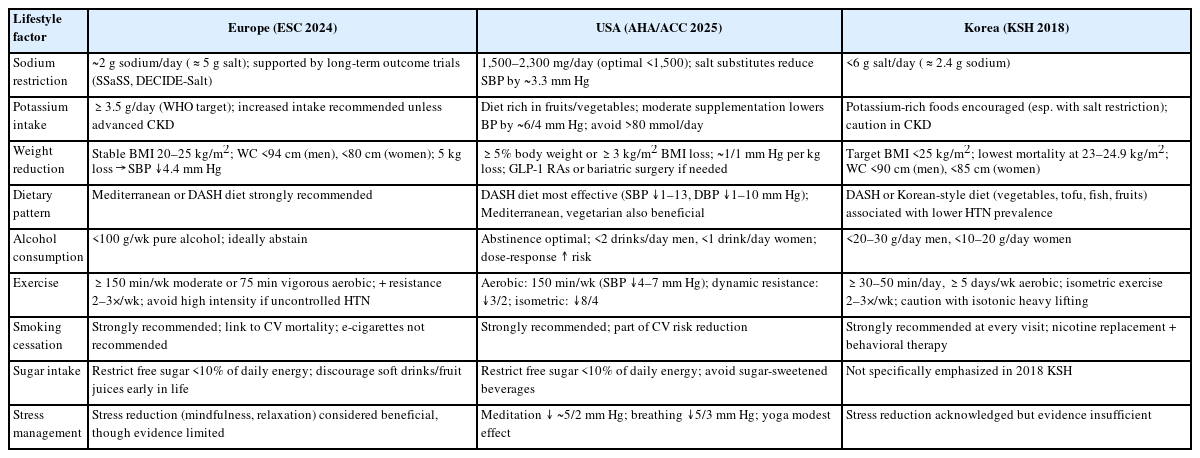
- Sodium: Salt is a major driver of fluid retention. Aim to reduce your intake to less than 2,300 mg per day, with an ideal target of 1,500 mg for those already dealing with hypertension.
- Alcohol: Excess alcohol intake raises your systolic and diastolic levels. Limit consumption to less than 100g per week to protect your endothelial health.
- Body weight: The 1kg=1mmHg rule is one of the most powerful motivators in preventive care. Losing even a small amount of weight significantly reduces the workload on your heart.
- Cigarettes: Smoking causes immediate spikes in blood pressure and damages arterial walls. Quitting is the fastest way to improve your cardiovascular outlook.
- Diet: Adopting the DASH diet for hypertension management is a gold standard. Focus on whole grains, fruits, vegetables, and low-fat dairy. This provides the magnesium and calcium necessary for vascular relaxation.
- Exercise: Aim for 150 minutes of aerobic activity per week. Activities like brisk walking, cycling, or swimming help keep your arteries flexible and lower your resting heart rate.
These practical lifestyle interventions for lowering blood pressure are most effective when applied consistently. Even small changes, like swapping processed snacks for potassium-rich bananas or spinach, can make a measurable difference in your readings.
Managing Resistant Hypertension: When Medication Is Not Enough
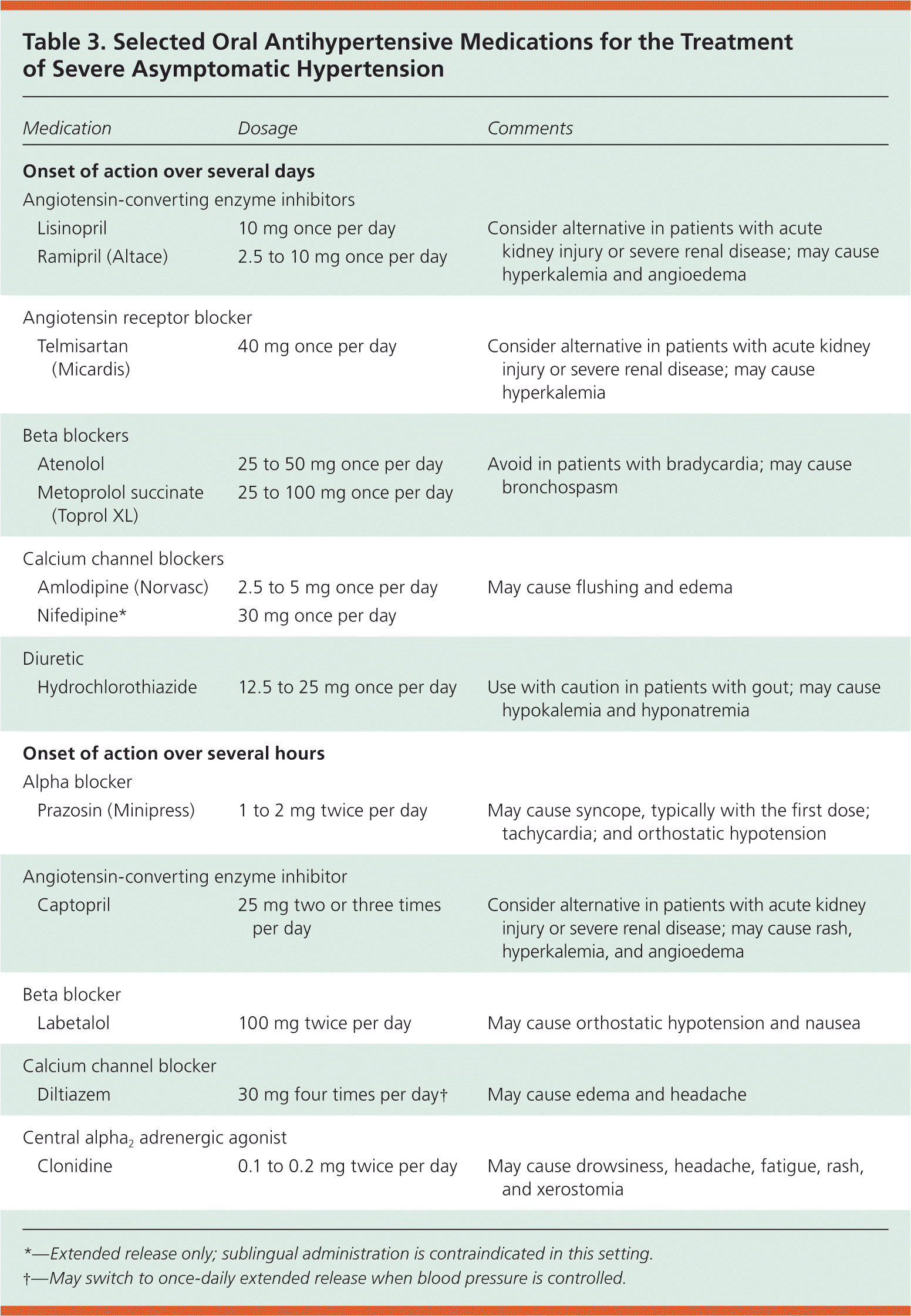
For some, lifestyle changes alone don't seem to move the needle. This is often referred to as resistant hypertension. However, clinical evidence suggests that intensive intervention still works. The TRIUMPH trial (NCT02342808) demonstrated that even patients who did not respond well to initial medications saw significant improvements when they followed a strictly supervised diet and exercise regimen.
The key is the synergy between different habits. For example, combining the DASH diet with regular aerobic activity produces a much greater reduction in systolic and diastolic pressure than either intervention alone. If you find your numbers remain high despite your best efforts, it is essential to work with a healthcare provider to find the right combination of clinical therapy and habit adjustment.
Monitoring and Professional Intervention
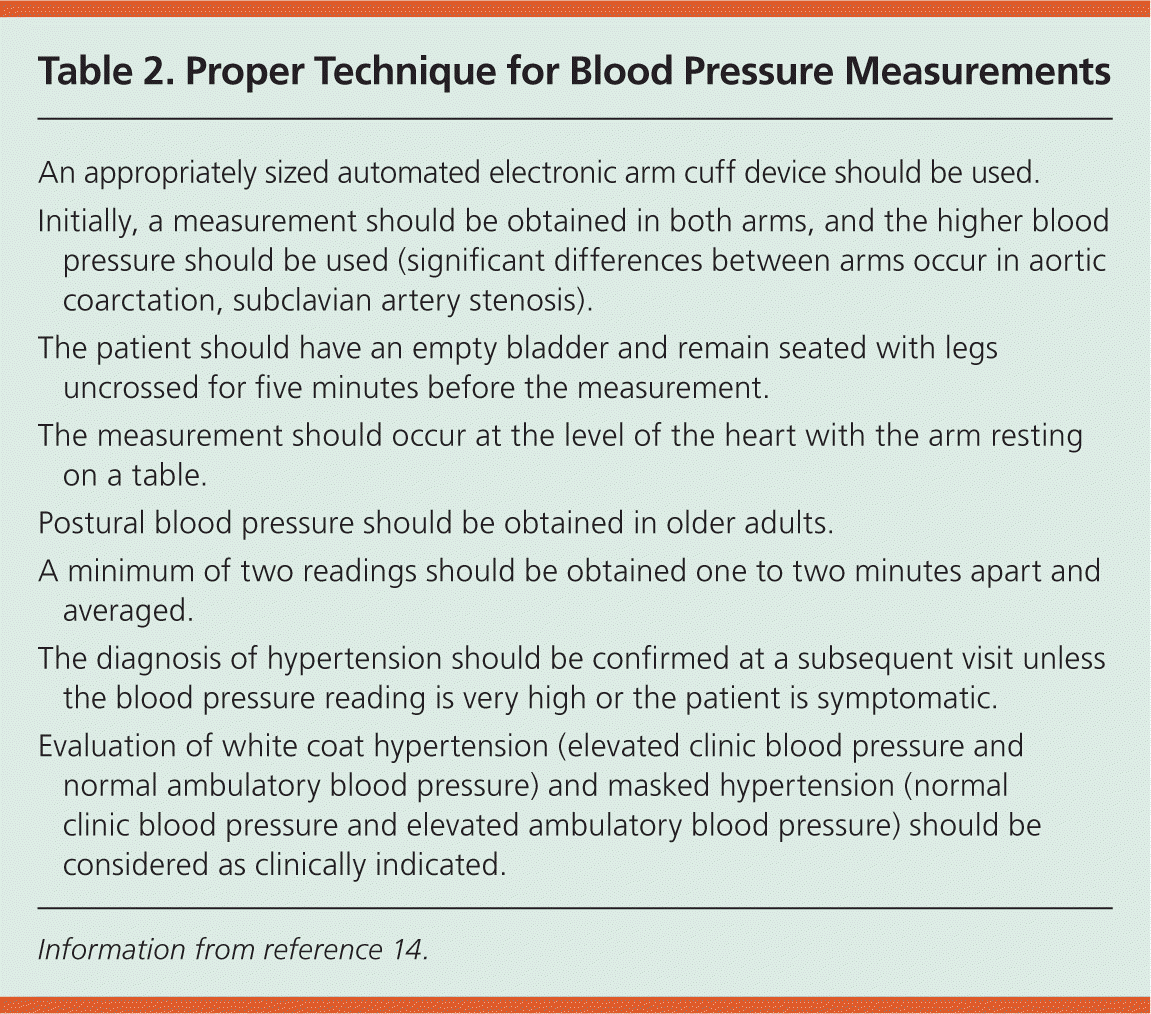
Because you cannot feel your blood pressure, the importance of regular blood pressure monitoring for heart health cannot be overstated. You should track your numbers at home using a validated cuff.
| Category | Systolic (Top Number) | Diastolic (Bottom Number) |
|---|---|---|
| Normal | Less than 120 | and Less than 80 |
| Elevated | 120–129 | and Less than 80 |
| Hypertension Stage 1 | 130–139 | or 80–89 |
| Hypertension Stage 2 | 140 or higher | or 90 or higher |
| Hypertensive Crisis | Higher than 180 | and/or Higher than 120 |
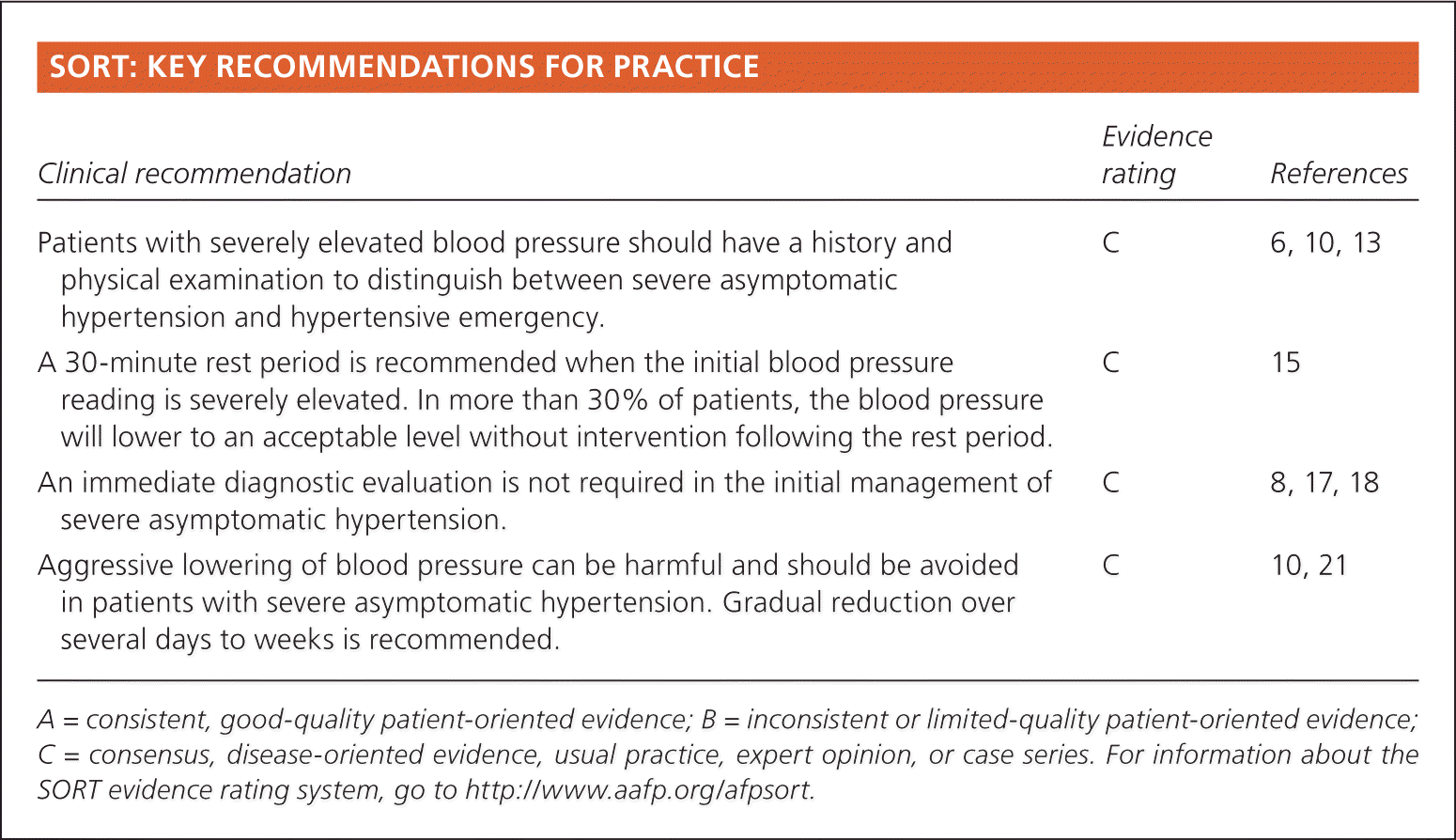
If you reach the Hypertensive Crisis level, seek emergency medical care immediately, as this indicates an imminent risk of stroke or organ damage. For most people, the goal is to keep readings consistently below 120/80. If your home monitoring shows a trend toward Stage 1 or 2, it is time to consult a professional to discuss how high blood pressure affects heart health without symptoms in your specific case.
FAQ
What are the warning signs of high blood pressure?
In the vast majority of cases, there are no warning signs. This is why it is called the silent killer. Some people with extremely high blood pressure may experience headaches, shortness of breath, or nosebleeds, but these symptoms are non-specific and usually do not occur until the condition has reached a life-threatening stage.
What happens if high blood pressure is left untreated?
Left untreated, the constant pressure damages the walls of your arteries, leading to atherosclerosis and blood clots. This significantly increases your risk of suffering a heart attack or stroke. Additionally, it can lead to heart failure, kidney disease, vision loss, and vascular dementia.
How can I lower my blood pressure naturally?
Natural methods focus on lifestyle interventions for heart health. This includes reducing sodium intake, losing excess body weight, and increasing physical activity. Adopting the DASH diet, which is high in potassium and magnesium, is one of the most effective ways to lower your numbers without medication.
What foods should be avoided with high blood pressure?
You should limit foods high in sodium, such as processed meats, canned soups, frozen pizzas, and salty snacks. Additionally, reduce your intake of added sugars and saturated fats found in red meats and full-fat dairy, as these can contribute to weight gain and arterial stiffness.
How do I check my blood pressure accurately at home?
To get an accurate reading, sit quietly for five minutes before testing. Use a validated arm cuff rather than a wrist monitor. Ensure your back is supported, your feet are flat on the floor, and your arm is supported at heart level. Avoid caffeine, exercise, and smoking for at least 30 minutes before taking a measurement.