Quick Facts
- Three Main Types: The primary categories are stable, unstable, and variant (Prinzmetal) angina, each with distinct triggers and risks.
- The Core Cause: Most angina results from myocardial ischemia, a condition where heart muscle doesn't receive enough oxygen-rich blood.
- Prevalence: Approximately 10.2 million people in the United States are estimated to live with angina pectoris.
- The Warning Sign: For about 50% of patients diagnosed with coronary artery disease, stable angina serves as the very first clinical manifestation.
- Emergency Marker: Chest pain that occurs at rest, lasts more than 15 minutes, or fails to respond to Nitroglycerin is a medical emergency.
- Annual Impact: Roughly 500,000 new cases of stable angina are identified every year in the U.S. alone.
Angina is a warning sign of underlying heart issues. Understanding the three primary types of angina is crucial for managing coronary artery disease and knowing when to seek emergency care. The three primary types of angina are stable (predictable exertion-related), unstable (unpredictable emergency), and variant/Prinzmetal (arterial spasms at rest), all of which are rooted in various forms of Ischemic heart disease.
Recognizing Angina Pectoris Signs
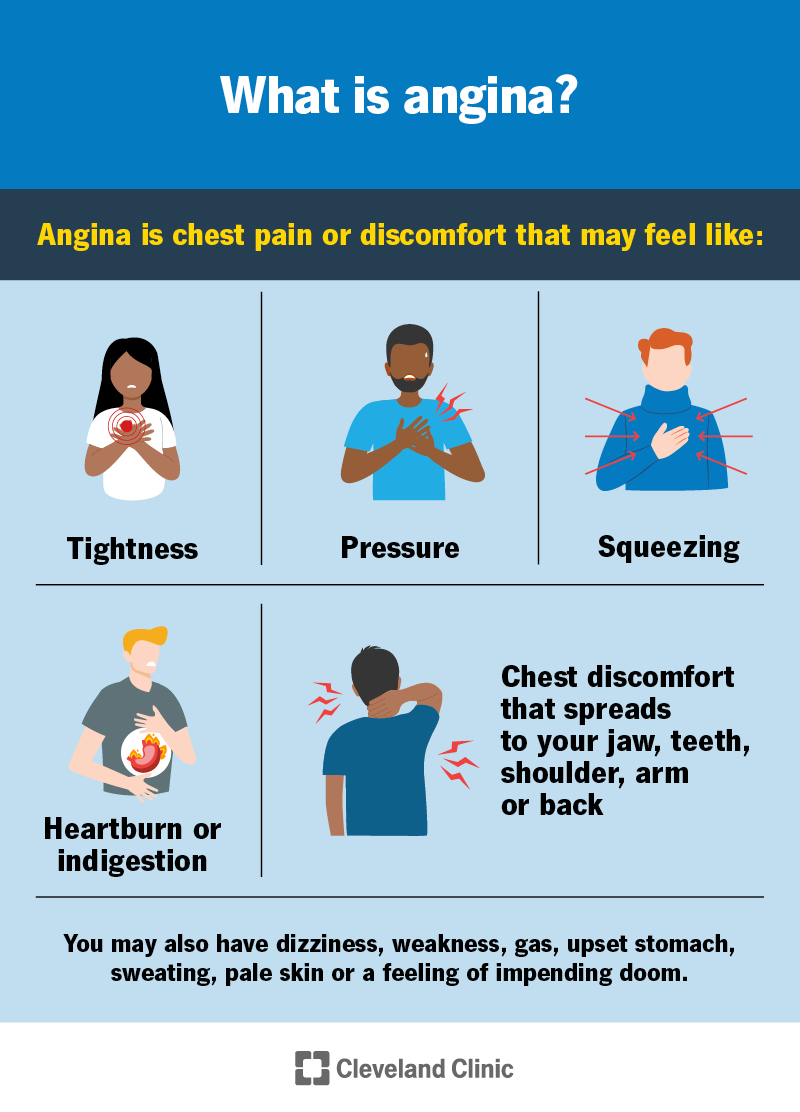
When we talk about heart health and longevity, the most important skill you can develop is listening to the subtle—and sometimes not-so-subtle—signals your body sends. Angina pectoris is often described not as a sharp, stabbing pain, but as a heavy sensation. Many of my readers describe it as chest pressure, a squeezing feeling, or like an invisible weight is being pressed against their sternum. This discomfort can radiate outward, traveling to the neck, jaw, shoulders, or down the left arm.
In clinical settings, doctors look for a specific physical indicator called the Levine sign. This occurs when a patient instinctively clenches their fist over their chest while describing their symptoms. It is a universal gesture for deep-seated cardiac discomfort. Identifying the levine sign in heart disease patients is a classic diagnostic clue that the pain is likely originating from the heart muscle rather than the chest wall or esophagus.
It is equally important to know what angina is not. If your chest pain changes significantly when you take a deep breath, or if the pain is localized to a tiny spot you can point to with one finger, it is less likely to be cardiac. Angina pectoris signs are usually diffuse and dull. If the pain is felt above the jawline or below the belly button, it rarely points to Myocardial ischemia. However, if you experience a heavy, crushing sensation that feels like indigestion but doesn't go away, you must take it seriously. Atherosclerosis, the buildup of fatty plaques in the arteries, is the silent driver behind these symptoms, narrowing the pathways through which life-sustaining blood must flow.
Type 1: Stable Angina (The Predictable Pattern)
Stable angina is the most common form of chest pain. I often tell my clients to think of this as a "demand-supply" issue. When you are sitting on the couch, your heart's oxygen needs are low. But when you climb a flight of stairs or deal with a stressful meeting, your Myocardial oxygen demand increases. If your coronary arteries are narrowed by plaque, they cannot "open the tap" wide enough to meet that demand.
This results in a predictable pattern. You know that walking two blocks at a brisk pace will trigger the discomfort, and you know that stopping to rest will make it fade. Common triggers of stable angina pectoris include physical exertion, emotional stress, exposure to cold weather, or even a heavy meal. Typically, these episodes are brief. If you are tracking how long do types of angina attacks typically last, stable angina usually subsides within one to five minutes once the trigger is removed.
Management of stable angina involves both lifestyle changes and medication. Doctors frequently prescribe Nitroglycerin, a vasodilator that quickly opens the vessels to restore flow. For long-term management, Beta-blockers are often used to keep the heart rate lower and reduce the heart's workload.
| Feature | Stable Angina | Unstable Angina |
|---|---|---|
| Trigger | Predictable (exercise, stress) | Unpredictable (occurs at rest) |
| Duration | 1 to 5 minutes | 15 minutes or more |
| Relief | Rest or Nitroglycerin | Usually no relief from rest |
| Severity | Mild to moderate | Severe and worsening |

Type 2: Unstable Angina (The Critical Warning)
If stable angina is a yellow light, unstable angina is a flashing red signal. This condition represents a significant change in your heart's status and is often the precursor to a myocardial infarction, or heart attack. The difference between stable and unstable angina symptoms lies primarily in predictability and intensity.
Unstable angina occurs unexpectedly. You might be sitting in a chair or even sleeping when the pain hits. It does not follow the "predictable pattern" of exertion. The pain is usually more severe, lasts longer than 15 minutes, and—most importantly—it does not go away with rest or the usual dose of Nitroglycerin.
The underlying mechanism here is often Plaque rupture. A small piece of cholesterol plaque in the artery wall breaks open, and a blood clot forms around it. This clot can suddenly and severely restrict blood flow, leading to acute Cardiac ischemia. This is why unstable angina is a medical emergency. When you are assessing when to seek emergency help for chest pain, any change in the frequency, duration, or intensity of your usual chest pain should trigger an immediate call to emergency services.
EMERGENCY WARNING SIGNS You must seek immediate medical attention if:
- Chest pain occurs suddenly while you are at rest.
- The pain feels significantly more severe than previous episodes.
- Discomfort is accompanied by shortness of breath, nausea, or heavy sweating.
- The pain lasts longer than 15 minutes and isn't relieved by medication.

Type 3: Variant and Microvascular Angina
While stable and unstable angina are the "big two," there are specialized forms that require a different diagnostic approach.
Variant (Prinzmetal) Angina
Variant angina, also known as Prinzmetal angina, is relatively rare and behaves differently than the types caused by plaque buildup. Instead of narrowed arteries, this type is caused by a sudden coronary vasospasm. The artery literally "clenches" shut, cutting off blood flow. This typically happens between midnight and early morning while the person is at rest.
Interestingly, there are strong demographic correlations with this condition. Research indicates that variant angina is about three times more frequent in individuals of Japanese descent compared to Caucasian populations. Recognizing variant angina symptoms at rest is critical because, unlike other forms, it often responds better to Calcium channel blockers than to traditional beta-blockers.
Microvascular Angina
For some patients, the large coronary arteries appear clear on an angiogram, yet they still experience classic chest pain. This is often microvascular angina. It affects the tiny, microscopic blood vessels of the heart. Understanding microvascular angina signs and causes is essential for long-term longevity, as it is more common in women and those with diabetes.
Because it involves the smallest vessels, the pain can sometimes last longer than 10 minutes and may even occur during daily activities rather than intense exercise. Recognizing atypical angina signs without exercise triggers can be the key to getting a correct diagnosis when standard tests for large-vessel blockages come back negative.
FAQ
What is the difference between stable and unstable angina?
The main difference is predictability and risk. Stable angina follows a pattern, usually triggered by exercise, and is relieved by rest. Unstable angina is unpredictable, occurs at rest, is more severe, and signals a high risk of an imminent heart attack.
What are the symptoms of Prinzmetal angina?
Symptoms of Prinzmetal angina include severe chest pain that almost always occurs at rest, specifically during the night or early morning hours. Unlike other types, it is caused by an artery spasm rather than a permanent blockage.
What causes microvascular angina?
Microvascular angina is caused by spasms or dysfunction in the heart’s smallest arterial branches. While the large arteries may look healthy, these tiny vessels fail to dilate properly to supply the heart muscle with enough oxygen.
How do I know if my chest pain is angina?
Cardiac pain or angina is typically felt as a heavy, squeezing pressure in the center of the chest. It often radiates to the neck, jaw, or left arm. It usually does not change when you take a deep breath or move your body into different positions.
Which type of angina is considered a medical emergency?
Unstable angina is a medical emergency. If your chest pain is new, worsening, occurring at rest, or lasting more than 15 minutes, you should treat it as a potential heart attack and seek immediate emergency care.
How long does an angina attack typically last?
A stable angina attack usually lasts between one and five minutes and subsides when you rest. Unstable angina attacks last much longer, often 15 to 20 minutes or more, and do not respond well to rest or medication.