Quick Facts
- Patient Population: It is estimated that more than 120,000 adults in the United States have ATTR-CM, with thousands of new diagnoses annually.
- Caregiver Burden: Approximately 58% of patients with ATTR-CM require caregiver assistance to manage daily life.
- Primary Goal: The focus is on managing myocardial stiffness and fluid retention to protect heart function.
- Treatment Pillar: Therapy involves a clear distinction between transthyretin stabilizers and gene silencers.
- Critical Step: Healthcare teams must exclude AL amyloidosis before finalizing an ATTR-CM treatment plan.
- Monitoring: Daily weight checks and strict sodium limits are essential for home management.
Managing ATTR-CM caregiving at home requires careful monitoring of fluid intake and sodium to prevent fluid retention. Caregivers should track daily weights and assist with low-sodium meal planning to manage heart failure symptoms effectively while organizing a strict medication schedule for TTR stabilizers or diuretics to maintain heart function and slow disease progression.
Understanding the Diagnosis: Stabilizers and Silencers
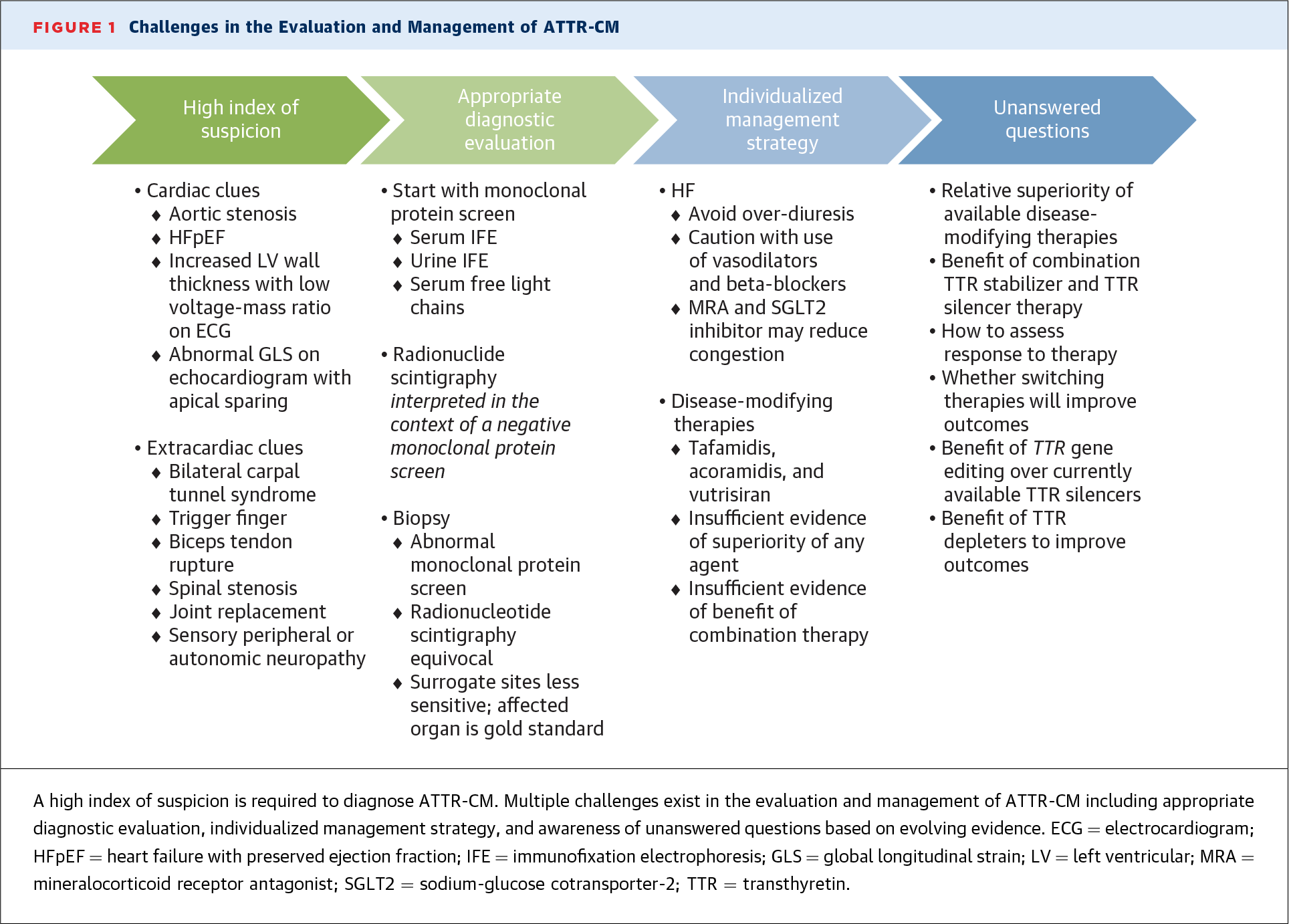
When a loved one is diagnosed with transthyretin amyloid cardiomyopathy, it often feels like learning a new language. At its core, the condition involves the Transthyretin protein, which is produced in the liver. In patients with ATTR-CM, this protein becomes unstable, misfolds, and deposits in the heart tissue. This buildup leads to Restrictive cardiomyopathy, a condition where the heart walls become rigid, making it difficult for the heart to pump blood effectively.
As a caregiver, understanding the difference between Wild-type amyloidosis (associated with aging) and the hereditary form is vital, especially since hereditary cases may require genetic counseling for other family members. The medical landscape for this condition has evolved rapidly, moving toward a window of opportunity where early intervention can significantly impact long-term wellness.
The pharmacological framework for 2025 focuses on two main strategies. First, there are TTR stabilizers, such as Tafamidis or Acoramidis, which act like "glue" to keep the protein from falling apart. Second, there are silencers like Vutrisiran, which reduce the amount of protein the liver produces in the first place. Part of your role involves organizing medication schedules for transthyretin amyloidosis treatments to ensure these therapies are taken consistently to slow the progression of the disease.
Caregiver Corner: Keep a simple folder with the latest echocardiogram results and a list of all current medications. Having these ready for every appointment reduces stress and ensures the care team has the most accurate data for adjusting TTR stabilizers.
Daily Heart Health: Managing ATTR-CM Symptoms at Home
The cornerstone of ATTR-CM heart failure management is the daily routine. Because the heart is less flexible, even small changes in fluid balance can cause significant discomfort. Managing ATTR-CM symptoms at home focuses heavily on preventing fluid from building up in the lungs or legs.
Monitoring weight fluctuations is the most sensitive indicator of stability. A sudden gain of two or three pounds in a single day often signals fluid retention rather than actual weight gain. Caregivers should implement a nursing care plan framework that includes a morning weigh-in after using the bathroom but before breakfast.
Daily Monitoring Protocol
| Metric | Goal | Action if Outside Range |
|---|---|---|
| Daily Weight | Stability within 2 lbs | Contact specialist if >3 lbs gained in 24 hours |
| Sodium Intake | Often <2,000mg per day | Review food labels for hidden salts |
| Fluid Intake | As directed by MD | Track every glass of water, soup, and coffee |
| Leg Swelling | Minimal to none | Report increased Lower extremity edema immediately |
Effective Diuretic management is also critical. If your loved one is prescribed "water pills," you may need to plan daily outings around their peak activity to ensure they are near a restroom. Managing fluid intake and salt for ATTR-CM patients requires a team effort—consider using a dedicated water pitcher to track exactly how much fluid is consumed throughout the day.
Caregiver Corner: Salt is often hidden in "healthy" foods like bread and canned vegetables. Try using fresh herbs, lemon juice, or salt-free seasoning blends to keep meals flavorful without increasing the risk of fluid retention.
Supporting Independence: Activity and Home Safety
As Myocardial stiffness progresses, it can affect stamina and balance. Supporting a loved one means balancing their need for independence with the reality of their physical limitations. To support safe mobility for those with cardiac amyloidosis, caregivers should modify the home environment by removing trip hazards like throw rugs and ensuring adequate lighting in hallways and bathrooms.
Daily activity modifications for people with heart amyloidosis are necessary to help them stay engaged without overexertion. Encourage short, gentle walks or seated exercises rather than long periods of standing. It is important to recognize signs of fatigue or dizziness, which can occur if the heart cannot meet the body's demand for oxygen during movement. Using mobility aids can help prevent falls, particularly for patients experiencing lower extremity edema or myocardial stiffness that makes walking feel heavy or uncoordinated.
Red Flags to Watch For
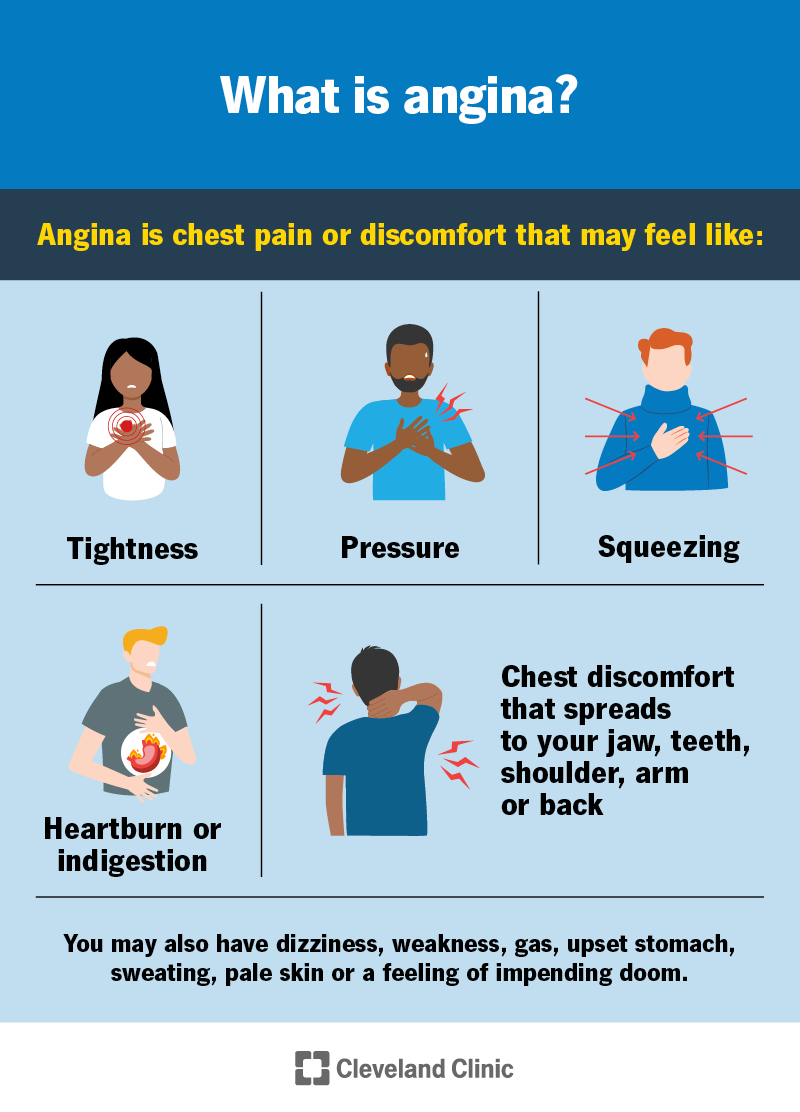
- Increased shortness of breath during routine activities like dressing.
- A persistent dry cough, especially when lying flat at night.
- Dizziness or lightheadedness when standing up quickly.
- Significant swelling in the ankles, legs, or abdomen.
The Care Team: Appointments and Advocacy
Caregiving for this complex condition involves more than just home care; it requires acting as a primary patient advocate. Because ATTR-CM can affect multiple systems, your loved one may see a multidisciplinary team including a cardiologist, a neurologist, and perhaps a geneticist.
You can prepare for specialist appointments by documenting changes in symptoms like increased shortness of breath or swelling. Bring a written list of questions regarding treatment side effects or signs of disease progression. This proactive approach ensures the care plan is adjusted to improve the patient's Quality of life assessment and manage heart failure complications effectively.
If the disease progresses, discussing palliative care support is not about giving up; it is about adding a layer of expertise focused on symptom relief and emotional comfort. Acting as an advocate means ensuring that your loved one's goals and values remain at the center of every clinical decision.
Caregiver Corner: During doctor visits, take notes or ask if you can record the conversation on your phone. It’s easy to forget small details about medication timing or fluid limits once you leave the office.
Caregiver Wellness: Avoiding Burnout
The physical and emotional toll of ATTR-CM caregiving is significant. Research shows that 35% of those caregivers report a mild to moderate burden, and this burden grows as the disease advances. While the median caregiving time is 4.5 hours per week, caregivers of patients with more severe symptoms (NYHA class III) provide a median of 17.5 hours of care weekly.
Recognizing the signs of Caregiver burnout—such as exhaustion, irritability, or withdrawing from friends—is the first step toward seeking help. You cannot provide high-quality care if your own health is failing. Setting boundaries and seeking support groups specifically for amyloidosis can provide a community of people who truly understand the unique challenges of this journey.
FAQ
How do you care for someone with ATTR-CM?
Caring for someone with this condition involves a mix of clinical monitoring and lifestyle support. The most important tasks include helping them stick to a low-sodium diet, tracking their daily weight to catch fluid retention early, and ensuring they take their transthyretin stabilizers exactly as prescribed. It also means modifying their home for safety and acting as their voice during complex medical appointments.
What are the daily responsibilities of an ATTR-CM caregiver?
On a daily basis, a caregiver usually manages medication schedules, monitors fluid and salt intake, and watches for physical changes like increased leg swelling or shortness of breath. You may also need to assist with light exercise, prepare heart-healthy meals, and provide emotional support as your loved one navigates the challenges of a chronic heart condition.
How can I manage ATTR-CM symptoms at home?
Home management centers on fluid balance. Use a daily log to record weight, blood pressure, and any symptoms. Stick to a strict sodium limit to reduce the workload on the heart and use tools like pill organizers to keep track of diuretics and other heart medications. Ensuring the home is free of clutter also helps manage the fatigue and balance issues that often accompany the disease.
What are the warning signs of ATTR-CM progression?
Signs that the condition may be worsening include a sudden increase in weight (more than 3 pounds in a day), increased swelling in the legs or abdomen, and feeling short of breath even while resting. If you notice your loved one is more fatigued than usual or is experiencing new dizzy spells, it is time to contact their cardiology team to adjust the treatment plan.
How can caregivers avoid burnout while managing ATTR-CM?
Avoiding burnout requires prioritizing your own health and seeking help early. Delegate tasks like grocery shopping or house cleaning to other family members, and look into local or online support groups. Taking even 15 minutes a day for yourself—whether for exercise, reading, or meditation—can help maintain the resilience needed for long-term caregiving.