Quick Facts
- Typical Range: A normal resting heart rate for a healthy adult falls between 60 and 100 beats per minute.
- Athlete Baseline: Elite endurance athletes often show a resting heart rate as low as 40 beats per minute due to high cardiovascular efficiency.
- Clinical Red Flag: Medical attention is generally recommended if your heart rate is consistently above 100 or below 40 beats per minute while at rest.
- Data Accuracy: Wrist-based fitness trackers have a 76.35% accuracy rate for heart rate, making them better at tracking trends than individual beats.
- Primary Metric: This data serves as a vital window into your autonomic nervous system and overall metabolic health.
- Mortality Link: Research shows that individuals with a resting heart rate between 81 and 90 beats per minute have double the risk of death compared to those in the lowest groups.
Your fitness tracker provides a daily resting heart rate, but what do those beats per minute (BPM) actually reveal? A normal resting heart rate typically ranges between 60 and 100 beats per minute, serving as a critical baseline for cardiovascular efficiency and reflecting how much blood the heart pumps with each beat. While daily fluctuations are common, tracking long-term biometric trends is far more meaningful than any single day’s reading for understanding your holistic wellness.
Decoding the Numbers: Normal Resting Heart Rate by Age
When we look at our wrist and see a number, we are seeing the final output of a complex internal balancing act. Your resting heart rate is not a static figure; it is a dynamic indicator influenced by age, fitness levels, and biological sex. At its core, the metric is a reflection of stroke volume—the amount of blood your heart can eject with a single squeeze. A more efficient heart can pump more blood per beat, allowing it to beat fewer times per minute to maintain your bodily functions.
The typical resting heart rate for a healthy adult is widely accepted as 60 to 100 BPM. However, these averages shift slightly as we age and our cardiovascular tissues change. Below is a breakdown of the standard ranges generally expected across different age groups for healthy individuals.
| Age Group | Typical Range (BPM) | Note on Fitness Impact |
|---|---|---|
| 20–29 Years | 60–80 | Often higher in sedentary individuals; lower in active adults. |
| 30–39 Years | 62–82 | Metabolic health and stress management play larger roles here. |
| 40–49 Years | 64–84 | Slight increases are common as arterial elasticity changes. |
| 50–59 Years | 64–84 | Consistency in aerobic conditioning is key to maintaining a low RHR. |
| 60–69 Years | 65–85 | Monitoring for baseline deviation becomes more important. |
| 70+ Years | 65–85 | Natural aging of the heart's pacemaker (the SA node) affects RHR. |
While these numbers provide a general framework, it is vital to understand that normal resting heart rate by age can vary significantly based on your athletic history. For those who prioritize cardiovascular health, seeing a number below 60 is not unusual. In fact, for well-conditioned athletes, a resting heart rate below the typical 60 BPM range is often a sign of superior cardiovascular efficiency, sometimes dipping into the low 40s.

Why is My Resting Heart Rate Suddenly High? Interpreting Spikes
One of the most common questions I receive as an editor is from readers asking: why is my resting heart rate suddenly high when I wake up? It can be jarring to see your tracker report a jump of 5 or 10 beats per minute overnight. Rather than reacting with anxiety, we should view these spikes as the body’s way of communicating stress.
Your resting heart rate is controlled by the autonomic nervous system. Specifically, it is a tug-of-war between the sympathetic "fight or flight" branch and the parasympathetic "rest and digest" branch. When your body is under stress, the sympathetic system takes the lead, causing an increase in BPM. Several factors affecting heart rate fluctuations can cause these sudden jumps:
- Dehydration: When your blood volume drops due to lack of fluids, your heart must beat faster to circulate oxygen throughout your body.
- Acute Illness: Often, a rising heart rate is the first sign of an impending cold or flu. The immune response requires energy, which manifests in fitness tracker data as an elevated baseline before you even feel a scratchy throat.
- Poor Sleep Quality: Lack of deep sleep or disruptions in your circadian rhythm prevents the heart from fully recovering, leading to higher morning readings.
- Alcohol Consumption: Even a single glass of wine can increase your heart rate for several hours, as the body works to process the toxins and manage the resulting inflammation.
For those of us who are physically active, using fitness tracker RHR to detect overtraining is one of the most powerful applications of this technology. If you notice a consistent upward trend over three or four days, your body may be in a state of overreaching. This is a signal to prioritize recovery time and perhaps trade a high-intensity session for a restorative walk or yoga practice to prevent full-blown burnout.
The Tech Reality: Interpreting Fitness Tracker Heart Rate Data
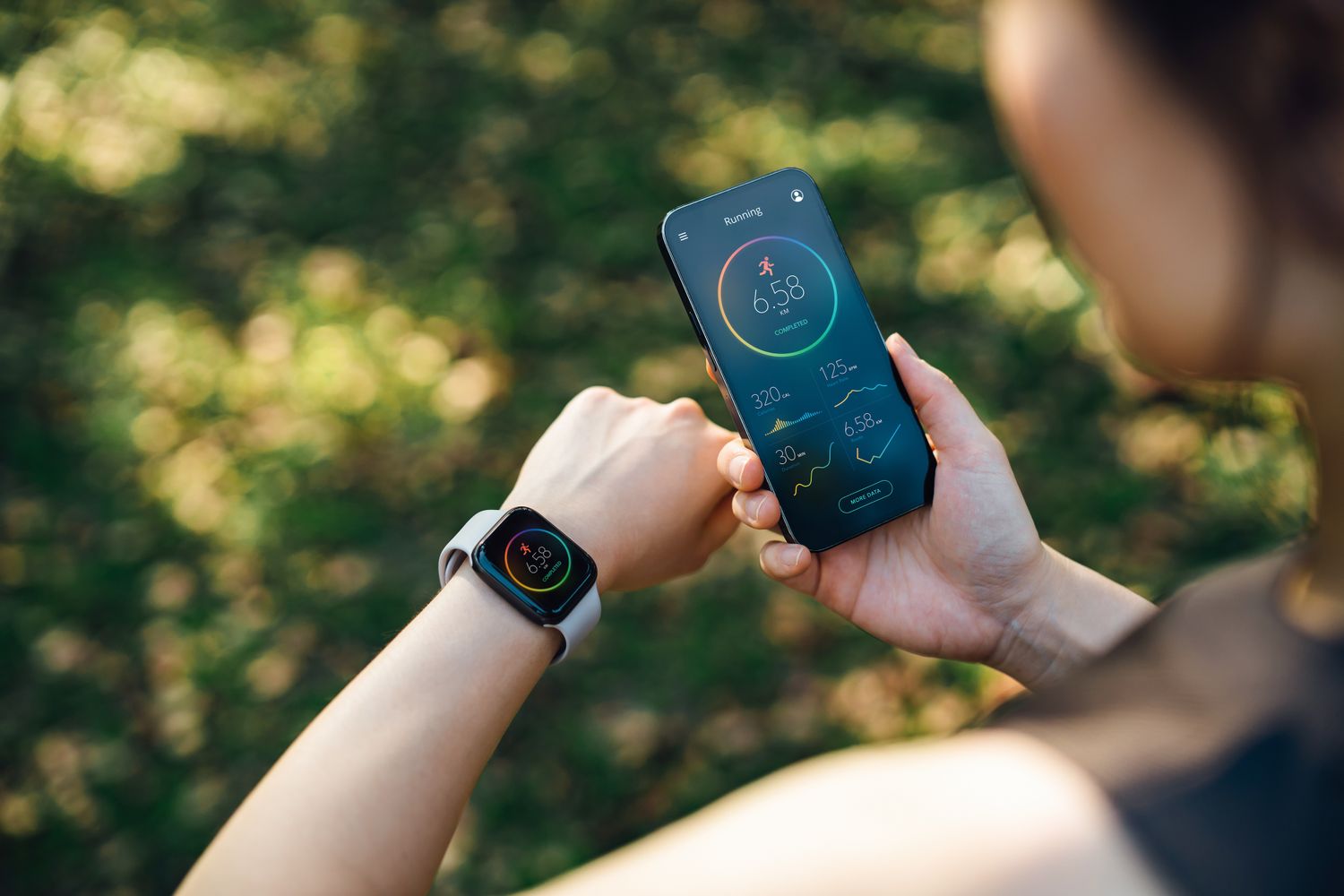
It is important to remember that the device on your wrist is not a medical-grade EKG. Most wearables use a technology called photoplethysmography (PPG). These sensors use green LED lights to measure the changes in light absorption through your skin, which corresponds to the blood flow in your capillaries.
While convenient, interpreting fitness tracker heart rate data requires an understanding of its limitations. Factors such as skin melanin, tattoos, and even the tightness of the watch strap can influence the sensor's accuracy. Research has shown that while these devices are most accurate at measuring heart rate compared to other metrics like calorie burn, they are still prone to "noise" during high-motion activities.
If you are a high-performance athlete or someone managing a specific health condition, you might consider contrasting your wrist data with a chest strap. Chest straps measure the electrical activity of the heart directly, providing a much higher level of precision. However, for the average person focused on preventive care, the consistency of a wrist tracker is usually enough to identify significant biometric trends.

Moving the Needle: Improving Resting Heart Rate for Health
If you find that your numbers are on the higher end of the spectrum, the good news is that your heart is a muscle that can be trained. Improving resting heart rate for health is less about quick fixes and more about consistent lifestyle choices that strengthen the cardiovascular system.
The most effective method is through progressive cardiovascular training. When you engage in aerobic exercise, you increase your heart's stroke volume. Over time, the heart becomes stronger and can pump more blood with less effort, which naturally lowers the beats per minute required to sustain you. Improving resting heart rate through cardiovascular training doesn't require training for a marathon; even 30 minutes of brisk walking five days a week can produce measurable changes in your autonomic balance.
However, we must also look at the holistic side of the equation. Stress management is just as critical as physical exercise. High levels of cortisol keep the heart in a perpetually heightened state. By incorporating mindfulness, deep breathing, or even regular time in nature, you can increase your parasympathetic activity. This shift not only lowers your heart rate but also improves your heart rate variability (HRV), a key metric for recovery and resilience.
Tracking resting heart rate trends for long term health allows you to see the fruits of these labors. When you compare resting heart rate vs heart rate variability for recovery, you get a 360-degree view of your health. While RHR tells you how hard your heart is working, HRV tells you how well your nervous system is responding to the demands of your life.
Clinical Red Flags: When to See a Doctor
While trackers are wonderful tools for self-care, they should never replace professional medical advice. There are specific instances where tracker data indicates a need for a clinical consultation. If your heart rate is consistently above 100 BPM while you are sitting still, this is known as tachycardia. Conversely, if it is consistently below 60 BPM and you are not a trained athlete, it is known as bradycardia.
You should seek medical attention if your heart rate data is accompanied by:
- Dizziness or lightheadedness
- Shortness of breath during normal daily tasks
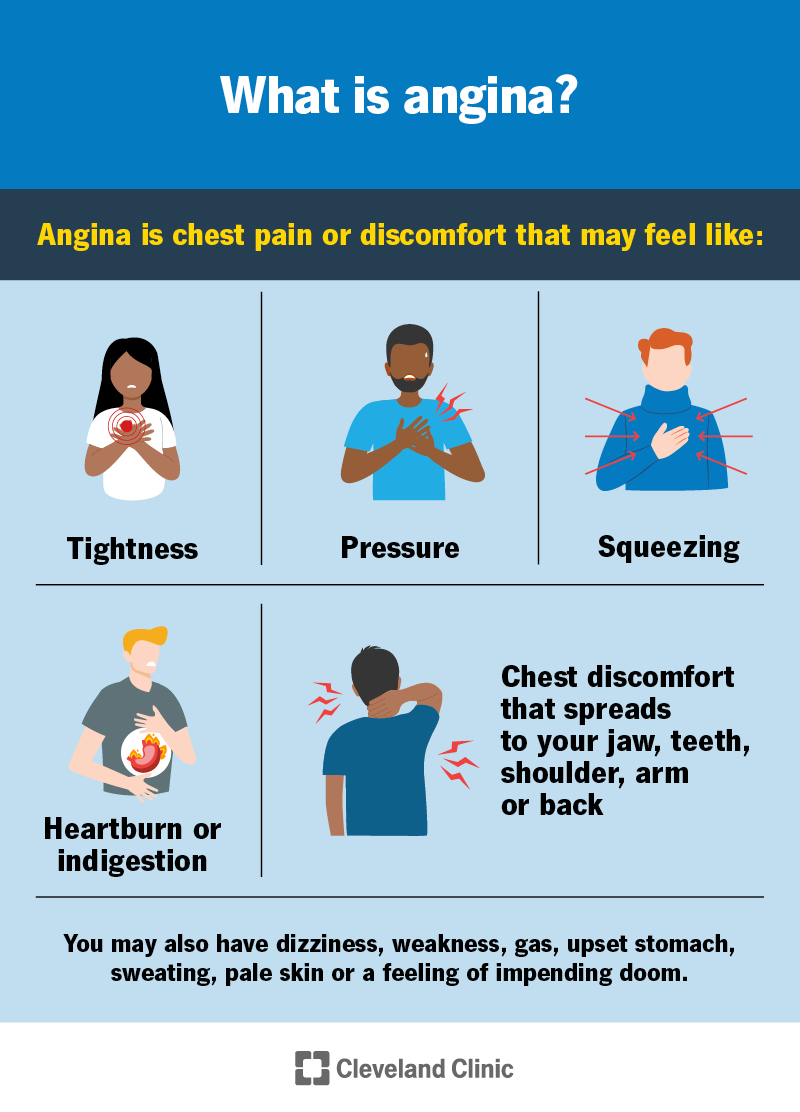
- Chest pain or palpitations (the feeling of a fluttering heart)
- Fainting or near-fainting episodes
We also need to be wary of "orthosomnia"—the anxiety caused by over-tracking our biometric data. If checking your watch every ten minutes is causing you more stress than the data is worth, it is time to take a break. Remember, fitness trackers are excellent for identifying trends, but any significant or symptomatic heart rate deviations should be discussed with a doctor.

FAQ
What is a normal resting heart rate for adults?
A normal resting heart rate for most adults ranges from 60 to 100 beats per minute. This range is considered the standard for cardiovascular efficiency in sedentary to moderately active individuals. However, being on the lower end of this range is generally associated with better cardiovascular health and lower mortality risk.
How can I lower my resting heart rate naturally?
You can lower your resting heart rate by engaging in regular cardiovascular exercise, which increases your heart's stroke volume. Additionally, focusing on stress reduction techniques like meditation, ensuring you get 7-9 hours of quality sleep, staying hydrated, and limiting alcohol and caffeine can help shift your autonomic nervous system into a more relaxed, parasympathetic state.
What is considered a dangerous resting heart rate?
Generally, a resting heart rate that is consistently above 100 beats per minute (tachycardia) or below 40 beats per minute (bradycardia) warrants a conversation with a healthcare provider. It is especially concerning if these numbers are accompanied by symptoms like dizziness, chest pain, or fainting, regardless of what your fitness tracker says.
Is a low resting heart rate always a sign of fitness?
Not necessarily. While a low resting heart rate is common in well-trained athletes because their hearts are very efficient, it can also be caused by certain medications, underlying heart conditions, or issues like an underactive thyroid. If your heart rate is low and you feel fatigued or weak, it is important to investigate the cause rather than assuming it is a sign of high fitness.
Does stress affect resting heart rate?
Yes, stress significantly impacts your heart rate. When you experience emotional or physical stress, your body releases hormones like cortisol and adrenaline, which activate the sympathetic nervous system. This causes your heart to beat faster to prepare for a perceived threat. Chronic stress can lead to a baseline deviation where your heart rate remains elevated even when you are physically at rest.