Quick Facts
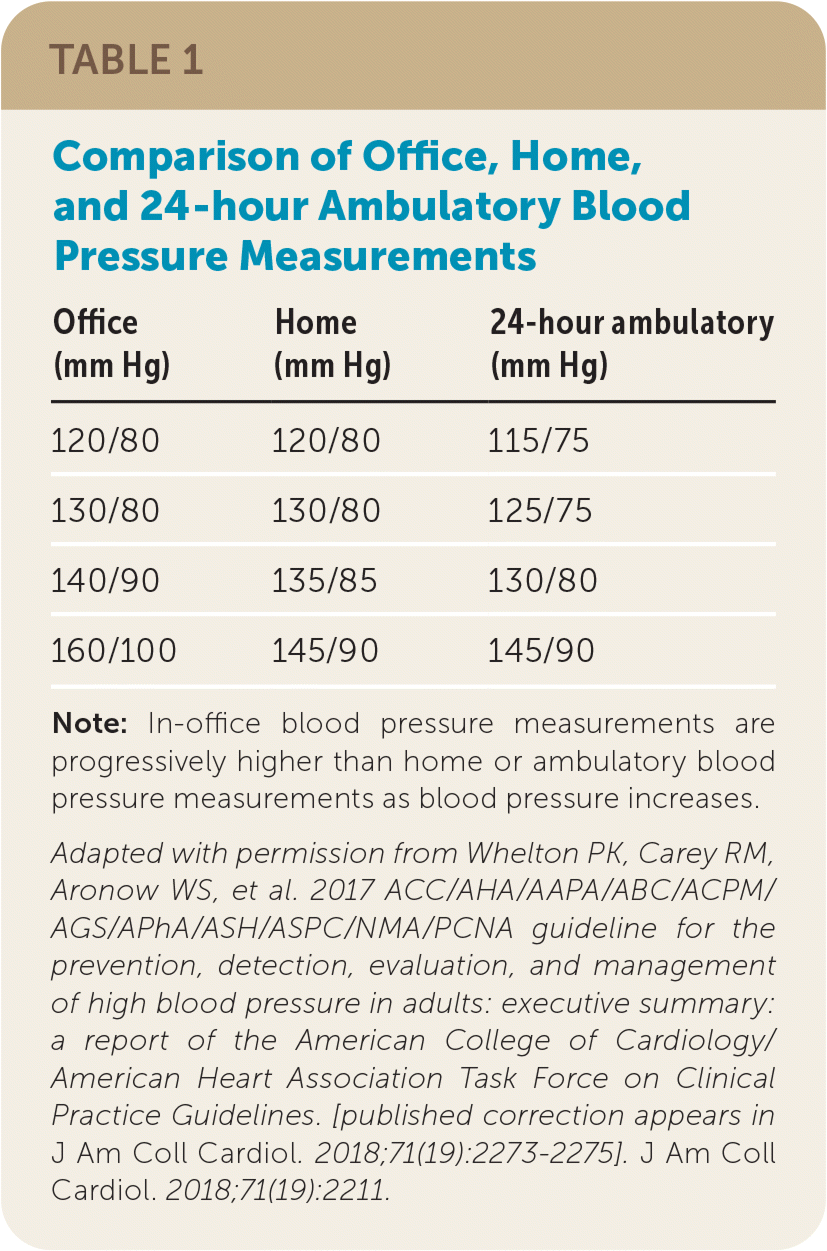
- Primary Definition: Elevated readings in a medical office exceeding 140/90 mmHg while home averages remain under 130/80 mmHg.
- The Cause: Physiological spikes in blood pressure triggered by the anxiety or stress of a clinical environment.
- Prevalence: This condition affects approximately 15% to 30% of patients who show high readings during a check-up.
- The Gold Standard: A 7-day home blood pressure monitoring protocol to establish a true baseline.
- Risk Level: While often dismissed, those with this condition have a 36% increased risk of heart disease if the pattern remains unmanaged.
- Long-term Outlook: Research shows a 46.9% risk of developing sustained high blood pressure over an eight-year period.
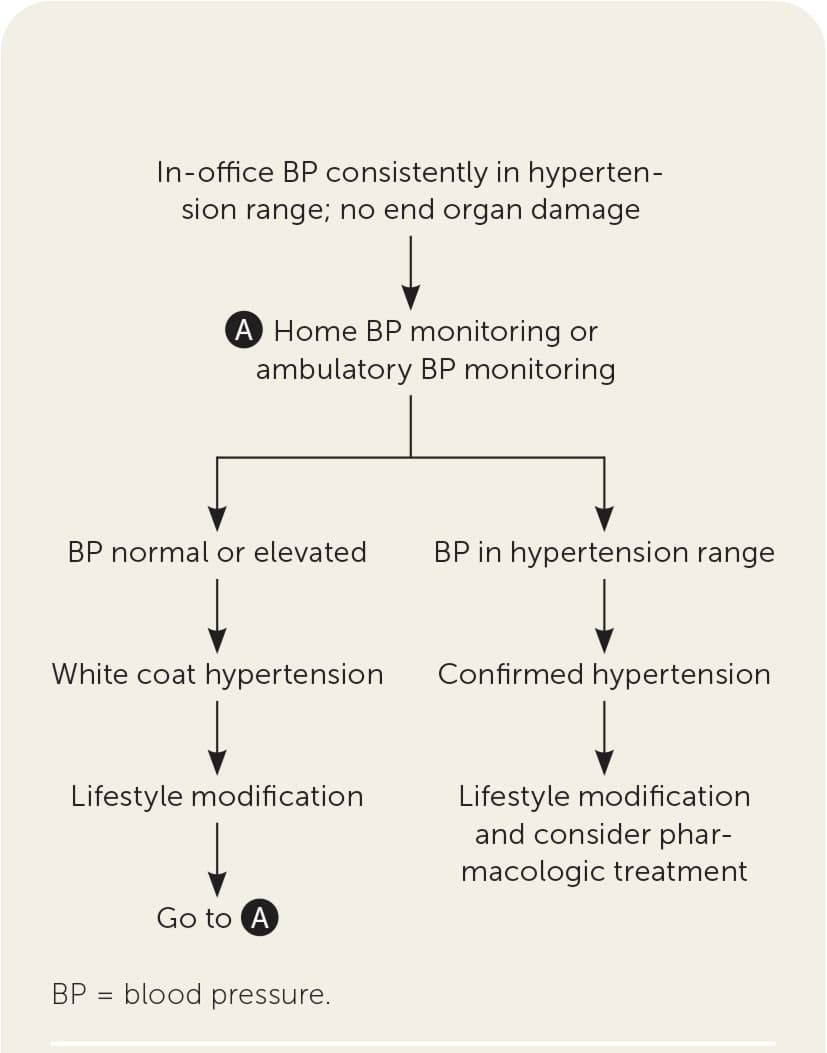
White coat hypertension occurs when blood pressure readings are consistently high in a clinical setting but remain normal at home. Diagnosis typically involves ambulatory or home blood pressure monitoring to establish an out-of-office baseline. Clinicians compare these averages against office readings, often following a period of lifestyle modification, to determine if the elevation is caused by anxiety related to the medical environment or persistent hypertension.
Understanding the Spike: White Coat Syndrome Causes
When you step into a doctor's office, your body may initiate a subtle "fight or flight" response. Even if you do not feel consciously nervous, the clinical environment—the smell of antiseptic, the sight of a white coat, or the anticipation of a needle—can trigger the sympathetic nervous system. This physiological reaction causes a temporary elevation in systolic and diastolic readings. In the medical world, we distinguish between the white coat effect, which is a singular event of high pressure, and white coat hypertension, which is a chronic pattern of office-only spikes.
The underlying white coat syndrome causes are primarily rooted in anxiety-related spikes. For some, it is the fear of receiving bad news. For others, it may be the rushed nature of the appointment. When your brain perceives a medical setting as a threat, it releases stress hormones like cortisol and adrenaline, which constrict blood vessels and increase heart rate. This is why blood pressure is higher at doctor than home for so many individuals; the comfort of your own living room does not trigger this defensive biology.
Distinguishing these temporary spikes from chronic hypertension is a cornerstone of preventive care. Without accurate out-of-office measurement, you might be prescribed medication you do not actually need. Conversely, ignoring these spikes can be dangerous. It is vital to determine your baseline blood pressure levels to ensure your cardiovascular health is accurately assessed.
If you are concerned about your next appointment, focusing on reducing blood pressure before doctor visit through mindfulness can help. Practice deep, rhythmic breathing in the waiting room to signal to your nervous system that you are safe. Knowing how to lower blood pressure before a doctor visit often starts with simple lifestyle adjustments, such as avoiding caffeine for at least an hour before the test and ensuring you arrive early to avoid the stress of rushing.
Verification: Proper Technique for Home Blood Pressure Monitoring
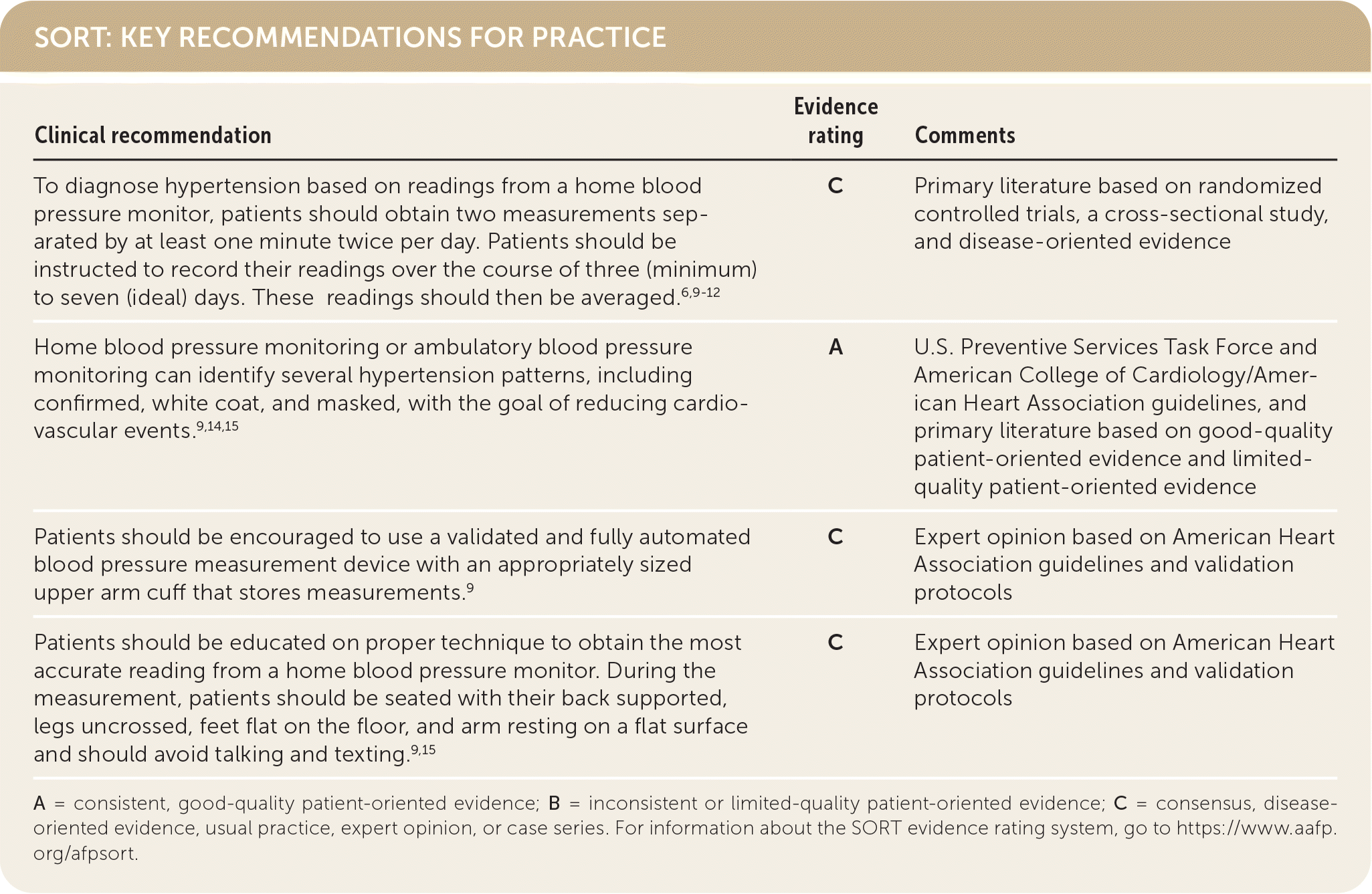
To move past the uncertainty of office readings, clinicians look to out-of-office measurement as the "truth" of your cardiovascular health. The most effective way to provide this data is through a structured home blood pressure monitoring routine. Following the 2024 ESC Class I recommendations, a 7-day tracking protocol is considered the gold standard for clinical review.
For accurate results, the proper technique for home blood pressure monitoring is essential. Small errors in how you sit or how the cuff is placed can lead to significant discrepancies. Your goal is to capture your body in its most neutral state, away from the influence of external stressors. Use a validated upper-arm cuff rather than a wrist monitor, as the latter is often less reliable for diagnostic clinical algorithms.
Follow this 7-day gold standard protocol for the most accurate morning and evening averages:
- Perform measurements for seven consecutive days.
- Take two readings in the morning before breakfast and medication.
- Take two readings in the evening before bed.
- Ensure each pair of readings is separated by at least one minute of rest.
- Record all readings in a log to share with your healthcare provider.
The physical setup is just as important as the timing. Before you begin, empty your bladder and sit quietly for five minutes. Ensure you are sitting in a chair with your back supported and both feet flat on the floor—crossing your legs can artificially raise your pressure. Keep your arm at heart level, resting it on a table or armrest. Avoid talking or looking at your phone during the measurement process. By standardizing your environment, you can accurately compare normal home blood pressure vs office readings.
Not Just Nerves: White Coat vs Masked Hypertension Differences
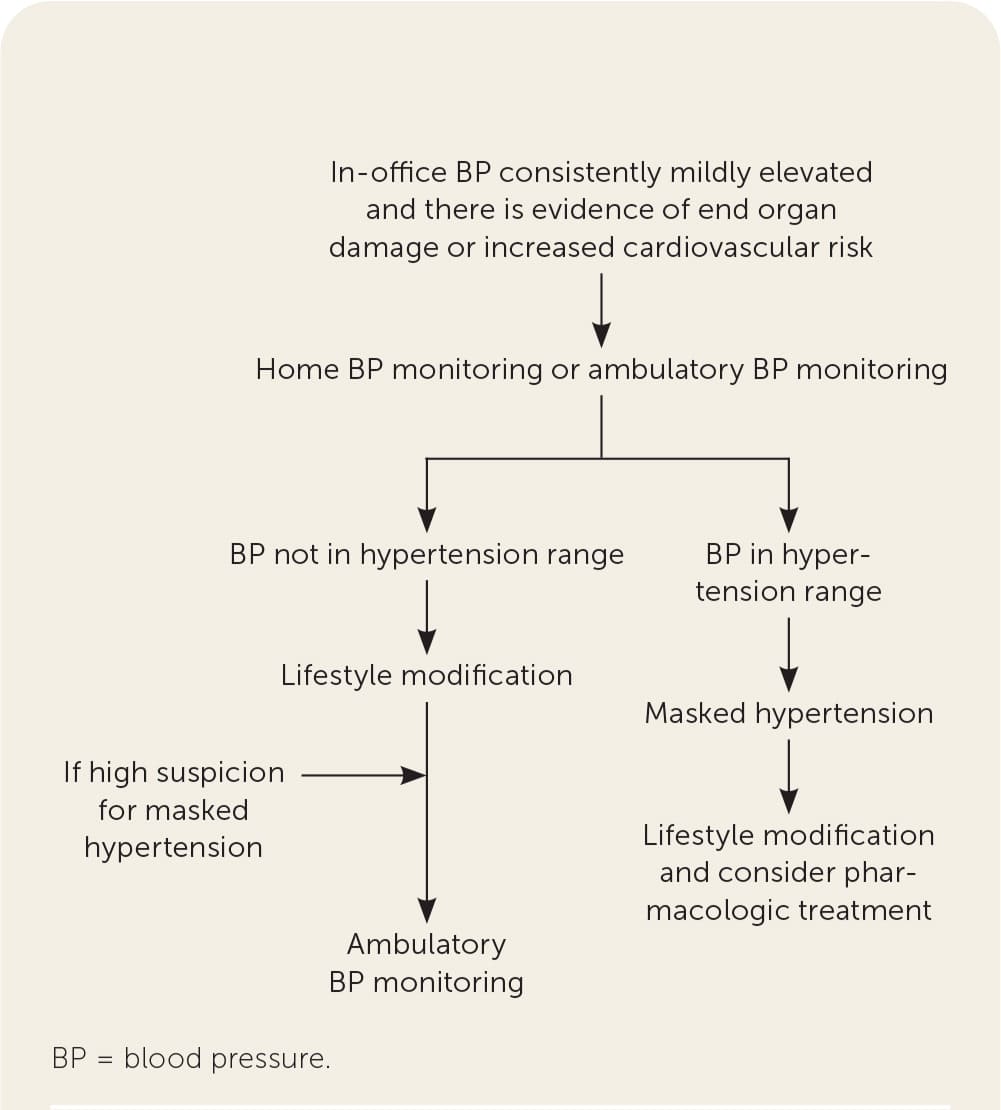
Understanding the nuances of your readings requires looking at the full picture of your blood pressure phenotype. While we often focus on white coat hypertension, there is a dangerous counterpart known as masked hypertension. In this scenario, your office readings appear normal, perhaps because the clinical environment is calm for you, but your out-of-office measurement shows elevated levels due to work stress, poor sleep, or lifestyle factors.
The primary difference between white coat and masked hypertension lies in where the risk is hidden. Identifying these patterns is essential to prevent both unnecessary medication and untreated cardiovascular risk. Patients with white coat hypertension often fall into an intermediate risk category, where their heart and vessels are under more stress than someone with consistently normal readings, but less than someone with chronic hypertension.
| Condition | Office Reading | Home Reading | Primary Concern |
|---|---|---|---|
| Normal Blood Pressure | <140/90 mmHg | <130/80 mmHg | Low risk; maintain healthy habits |
| White Coat Hypertension | >140/90 mmHg | <130/80 mmHg | Anxiety-triggered; potential progression risk |
| Masked Hypertension | <140/90 mmHg | >130/80 mmHg | Hidden risk; high chance of target organ damage |
| Sustained Hypertension | >140/90 mmHg | >130/80 mmHg | Chronic high risk; requires active management |
We must take white coat hypertension seriously because it is often a precursor to permanent changes. Statistics indicate that patients with untreated white coat hypertension are twice as likely to die from heart-related causes compared to those with normal pressure. This is likely because the "spikes" experienced at the doctor's office are also happening during other stressful moments in daily life, leading to cumulative target organ damage over time. A cardiovascular risk assessment that includes home tracking is the only way to catch these patterns before they lead to long-term complications.
Tool Accuracy: Finding Validated Blood Pressure Devices
Not all monitors are created equal. In fact, many devices sold online or in drugstores have never been clinically validated for accuracy. For a reliable white coat hypertension diagnosis criteria, you must use a device that has undergone rigorous third-party testing. Using an unvalidated tool can lead to false positives or, worse, a false sense of security.
When selecting a device for home blood pressure monitoring, look for an upper-arm cuff. Wrist and finger monitors are highly sensitive to body position and often provide inaccurate data. Experts recommend checking your device against a validated list, such as those found on STRIDE BP or the American Medical Association’s website (validatebp.org). These organizations verify that the hardware meets international standards for precision.
Additionally, ensure your cuff is the correct size. If the bladder of the cuff does not encircle 75% to 100% of your upper arm, the reading will be skewed. A cuff that is too small will provide an artificially high reading, while one that is too large will read too low. If you are unsure of your technique, bring your home monitor to your next appointment. Most nurses are happy to observe your process and compare your device’s results with the automated office blood pressure equipment used in the clinic.
FAQ
What is white coat hypertension?
This is a condition where a person's blood pressure is consistently high when measured in a doctor's office or clinical setting, yet falls within the normal range during their daily life at home. It is often triggered by the stress response associated with medical environments.
Is white coat hypertension dangerous if left untreated?
While it was once thought to be benign, research now shows it carries an intermediate risk. Patients with untreated white coat hypertension have a 36% increased risk of heart disease. Furthermore, nearly 46.9% of these individuals will develop sustained high blood pressure within eight years.
How can I stop my blood pressure from rising at the doctor?
Focus on mindfulness and preparation. Avoid caffeine and exercise for at least 30 minutes before your appointment. Arrive early to sit quietly, and practice "box breathing"—inhale for four counts, hold for four, exhale for four, and hold for four—to calm your nervous system before the cuff is applied.
What is the difference between white coat hypertension and regular hypertension?
The difference lies in consistency and environment. Regular (sustained) hypertension means blood pressure is high both at the doctor and at home. White coat hypertension is only high in clinical settings. Doctors use the thresholds of 140/90 (office) vs 130/80 (home) to distinguish between the two.
Does white coat hypertension require medication?
In many cases, medication is not immediately prescribed. Instead, doctors often recommend lifestyle modifications, such as stress reduction, improved diet, and regular exercise, combined with frequent home monitoring. However, if there is evidence of target organ damage, a clinician may consider treatment.
Can anxiety cause temporary high blood pressure?
Yes, anxiety is a major driver of temporary spikes. When you feel anxious, your body releases hormones that temporarily increase your heart rate and cause your blood vessels to narrow, leading to an immediate rise in blood pressure. This is the physiological basis for the white coat effect.
To take control of your cardiovascular health, I encourage you to begin a patient-led tracking routine today. By documenting your morning and evening averages over the next week, you can provide your doctor with the evidence needed to create a personalized wellness strategy. Remember, your health is a long-term journey, and accurate data is the best map you have.