
Quick Facts
- Risk Level: Individuals with this condition face a 5x higher risk of developing type 2 diabetes.
- Diagnostic Rule: A diagnosis is confirmed if you meet 3 out of 5 specific clinical markers.
- Prevalence: Approximately one-third of all adults in the United States currently meet the criteria.
- Key Indicator: Visible skin changes like acanthosis nigricans can signal internal insulin issues.
- Primary Driver: The progression is fueled by visceral adiposity and chronic systemic inflammation.
- Reversal Target: A weight loss of 7-10% within the first year significantly improves metabolic outcomes.
- Early Intervention: Preventive screening and monitoring triglycerides can prevent permanent beta-cell dysfunction.
The metabolic syndrome link to type 2 diabetes is primarily driven by insulin resistance and hyperinsulinemia. When the body fails to use insulin effectively, blood glucose levels rise, eventually causing beta-cell dysfunction. This progression from visceral adiposity and systemic inflammation to impaired glycemia significantly increases the risk of developing full-onset type 2 diabetes.
The Engine of Disease: How Insulin Resistance Leads to Type 2 Diabetes
Understanding the metabolic syndrome link requires us to look deep within the body’s cellular environment. At the heart of this condition is a transition from simple weight gain to a complex metabolic imbalance. Unlike subcutaneous fat, which sits just under the skin, visceral adiposity refers to the fat stored deep within the abdominal cavity, surrounding vital organs like the liver and pancreas. This specific type of fat is not inert; it acts as a pathogenic engine, secreting pro-inflammatory cytokines that trigger systemic inflammation throughout the body.
This inflammatory state interferes with how cells respond to insulin, the hormone responsible for ushering glucose into cells for energy. To compensate for this sluggish response, the pancreas works overtime to produce more insulin, leading to a state of hyperinsulinemia. While this may keep blood sugar levels "normal" on a standard lab test for a while, the underlying strain is immense. Eventually, the constant demand leads to beta-cell dysfunction, where the insulin-producing cells of the pancreas begin to fail.
As this process unfolds, the body experiences endothelial dysfunction, a condition where the lining of the blood vessels cannot dilate properly. This is the physiological bridge where the insulin resistance and diabetes connection meets cardiovascular disease. Research shows that individuals with metabolic syndrome have a five times greater risk of developing type 2 diabetes compared to the general population. This is why addressing the "engine" early is the only way to halt the progression.

Identifying the Risk: Early Warning Signs of Metabolic Syndrome
The transition toward diabetes is often silent, but there are early warning signs of metabolic syndrome to watch for if you know where to look. Clinicians use a binary checklist of five markers to diagnose the syndrome. If you meet three or more of these criteria, the risk to your long-term health increases exponentially.
The Diagnostic Binary Checklist
- Waist Circumference: Focuses on central obesity (visceral fat). Values vary by ethnicity but generally focus on ≥102 cm (40 in) for men and ≥88 cm (35 in) for women.
- Triglyceride levels: A measurement of fat in the blood. A level of ≥150 mg/dL is a primary indicator.
- HDL cholesterol: Often called "good" cholesterol. Risk increases if levels are <40 mg/dL for men or <50 mg/dL for women.
- Blood Pressure: Readings of ≥130/85 mmHg or being on medication for hypertension.
- Fasting Glucose: A level of ≥100 mg/dL indicates the body is struggling to manage blood sugar.
Beyond these numbers, physical cues can provide a head start on prevention. For instance, recognizing acanthosis nigricans as a metabolic syndrome signal is crucial. This condition manifests as dark, velvety patches of skin, typically in the folds of the neck, armpits, or groin. These patches are a direct result of high levels of insulin in the blood stimulating skin cell growth prematurely.
It is also important to understand how to measure waist circumference for metabolic health properly. Many people measure at the "belt line," but for medical accuracy, the tape should be placed at the midpoint between the top of the hip bone and the bottom of the ribs. Because body types vary globally, healthcare providers use ethnicity-specific thresholds to capture risk more accurately.
Ethnicity-Specific Waist Thresholds
| Ethnicity | Masculine Threshold | Feminine Threshold |
|---|---|---|
| Europids (Caucasian) | ≥94 cm | ≥80 cm |
| South Asians & Chinese | ≥90 cm | ≥80 cm |
| Japanese | ≥85 cm | ≥90 cm |
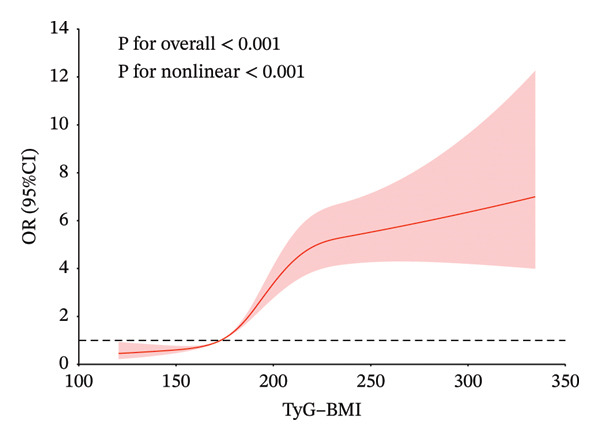
While standard BMI is a common tool, it often fails to account for muscle mass or fat distribution. Modern clinicians are increasingly looking at dynamic indices such as the TyG-BMI (Triglyceride-Glucose Body Mass Index). A TyG-BMI threshold of 234.49 has been identified as a highly sensitive marker for identifying those at risk of severe insulin resistance.
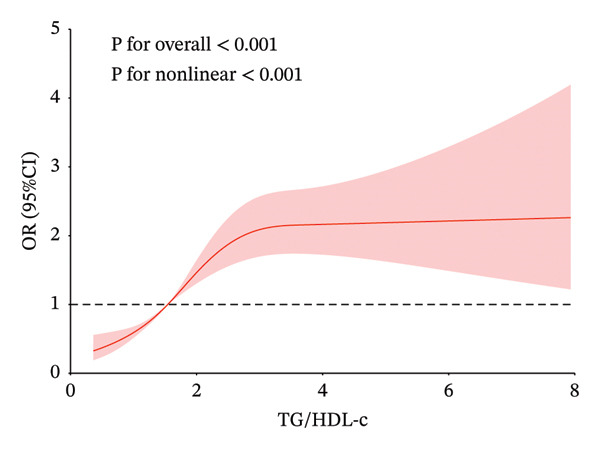
Another critical red flag is atherogenic dyslipidemia. This is a specific pattern of high triglycerides combined with low HDL cholesterol and the presence of small, dense LDL particles. This lipid profile is highly inflammatory and is a major contributor to the cardiovascular risk associated with the syndrome. It is estimated that one-third of adults in the United States have metabolic syndrome, emphasizing the need for regular preventive screening.
Action Plan: Managing Metabolic Syndrome Through Lifestyle
The most encouraging aspect of the metabolic syndrome link to diabetes is that the progression is not inevitable. By implementing lifestyle changes to reverse metabolic syndrome progression, you can improve endothelial function and restore insulin sensitivity.
The FITT Exercise Framework
Physical activity is perhaps the most potent "medication" for metabolic health. I recommend the FITT framework to ensure your routine is effective:
- Frequency: Aim for 5 to 7 days per week.
- Intensity: Moderate to vigorous (you should be able to talk but not sing).
- Time: Accumulate 150 to 300 minutes of aerobic activity per week, plus two sessions of resistance training.
- Type: A mix of brisk walking, cycling, or swimming combined with weight lifting to improve glucose uptake in the muscles.
Dietary Targets for Recovery
Nutritional choices should focus on reducing systemic inflammation and stabilizing blood sugar. Incorporating dietary tips to lower metabolic syndrome risk factors can yield results in as little as 12 weeks. Key targets include:
- Reduce Saturated Fats: Keep these to less than 7% of total daily calories to improve lipid profiles.
- Fiber Intake: Aim for 25-35 grams of fiber daily to slow glucose absorption.
- Complex Carbohydrates: Limit total carbohydrate intake to less than 50% of daily calories, focusing on whole grains rather than refined flours.
- Sodium Reduction: Lowering salt intake helps manage the blood pressure component of the syndrome.
For some, managing metabolic syndrome through lifestyle may be supplemented by medical intervention. Clinicians may recommend GLP-1 medications, which have shown significant efficacy in facilitating weight reduction and improving the body's glycemic response. These medications, originally designed for diabetes, are now powerful tools for cardiovascular risk reduction in those with metabolic syndrome.
Studies indicate that metabolic syndrome is highly prevalent among patients already diagnosed with type 2 diabetes, with incidence rates between 71% to 87%. This highlights the importance of early intervention. Don't wait for a diabetes diagnosis to start blood glucose monitoring or prioritizing preventive screening. Small, consistent shifts in your daily routine can decouple the link between metabolic imbalance and chronic disease.
FAQ
How are metabolic syndrome and type 2 diabetes related?
Metabolic syndrome is essentially a cluster of risk factors that serve as a precursor to type 2 diabetes. Both conditions share the underlying mechanism of insulin resistance. When a person has metabolic syndrome, their body is already struggling to process sugar and maintain healthy lipid levels, which eventually exhausts the pancreas and leads to the high blood sugar levels that define type 2 diabetes.
What are the five criteria for metabolic syndrome?
The diagnostic criteria include a large waist circumference (central obesity), high triglyceride levels (≥150 mg/dL), low HDL cholesterol (<40 mg/dL in men or <50 mg/dL in women), high blood pressure (≥130/85 mmHg), and elevated fasting blood glucose (≥100 mg/dL). Meeting any three of these five markers results in a clinical diagnosis.
Can metabolic syndrome be reversed naturally?
Yes, in many cases, it can be reversed through significant lifestyle changes. Losing 7% to 10% of your current body weight, adopting a Mediterranean-style diet low in processed sugars, and meeting physical activity guidelines can restore insulin sensitivity and bring clinical markers back into the healthy range.
What is the relationship between metabolic syndrome and insulin resistance?
Insulin resistance is the primary driver of metabolic syndrome. It occurs when cells in your muscles, fat, and liver don't respond well to insulin and can't easily take up glucose from your blood. This causes the pancreas to make more insulin to help glucose enter your cells. The resulting high levels of insulin and glucose in the bloodstream trigger the other components of metabolic syndrome, such as high blood pressure and abnormal cholesterol.
What long-term health complications are linked to metabolic syndrome?
Beyond the high risk of developing type 2 diabetes, metabolic syndrome significantly increases the likelihood of cardiovascular diseases, including heart attack and stroke. It is also linked to non-alcoholic fatty liver disease (NAFLD), polycystic ovary syndrome (PCOS), and even certain types of cognitive decline due to the chronic inflammatory state it creates in the body.