Quick Facts
- Healthy Target: A reading of less than 120/80 mmHg is the recommended threshold for optimal cardiovascular health and stroke prevention.
- Hypertension Threshold: According to the latest clinical standards, Stage 1 hypertension is officially diagnosed at 130/80 mmHg or higher.
- Measurement Impact: Engaging in conversation during your test can falsely inflate your blood pressure readings by as much as 10 mmHg.
- Device Validation: Always ensure your home monitor is clinically verified by checking its status at ValidateBP.org to ensure proper equipment calibration.
- Prep Rule: To get an accurate number, avoid caffeine, intense exercise, or nicotine for at least 30 minutes before taking a measurement.
- Averaging: The most reliable way to track your health is to take two to three readings, spaced one minute apart, and calculate the average.
Understanding your blood pressure readings is the first step in cardiovascular risk assessment. Whether you are using a home blood pressure monitoring device or visiting a clinic, knowing the difference between systolic and diastolic pressure is vital. Blood pressure readings consist of two numbers: systolic pressure, measuring force during heartbeats, and diastolic pressure, measuring force between beats. These numbers help categorize hypertension stages according to clinical guidelines. Accurate interpretation of these values is essential for assessing cardiovascular risk and implementing effective stroke prevention strategies.
Decoding the Numbers: Systolic vs. Diastolic Pressure
When you look at a blood pressure monitor, the two numbers displayed provide a window into how your cardiovascular system is functioning. These numbers are measured in millimeters of mercury, a standard unit of pressure. The top number, known as systolic pressure, represents the amount of force your blood exerts against your arterial wall pressure each time your heart beats. This is when the pressure in your system is at its highest.
The bottom number, or diastolic pressure, measures the force against those same walls when your heart rests between beats. While many people historically focused only on the top number, modern medicine recognizes that both figures are essential components of a cardiovascular risk assessment. A high diastolic number indicates that your heart and arteries are under constant strain even when the heart is supposed to be relaxing.
Another concept we often look at in preventive care is pulse pressure. This is the numeric difference between systolic and diastolic blood pressure readings. A wide pulse pressure can sometimes indicate stiffening of the arteries, which is a significant factor in long-term wellness. Understanding the difference between systolic and diastolic blood pressure readings allows you to have more meaningful conversations with your healthcare provider about your vascular health.

2025 Hypertension Stages Guide: What Your Reading Means
Health guidelines are not static; they evolve as we gain more data on how blood pressure correlates with long-term outcomes like heart attacks and strokes. The current AHA/ACC clinical guidelines categorize blood pressure into five distinct stages. These stages help clinicians determine when lifestyle changes are enough and when medical intervention becomes necessary.
In 2025, there is a significant shift toward using a more personalized approach. While the hypertension stages guide provides the framework, doctors are increasingly using tools like the PREVENT risk calculator to look at your overall profile, including age, cholesterol, and kidney health, rather than just the numbers on the screen.
| Category | Systolic (mmHg) | Diastolic (mmHg) |
|---|---|---|
| Normal | Less than 120 | and Less than 80 |
| Elevated | 120–129 | and Less than 80 |
| Stage 1 Hypertension | 130–139 | or 80–89 |
| Stage 2 Hypertension | 140 or higher | or 90 or higher |
| Hypertensive Crisis | Higher than 180 | and/or Higher than 120 |
It is important to note that Stage 1 hypertension as 130–139 mm Hg systolic or 80–89 mm Hg diastolic was established to catch potential issues early. According to the World Health Organization, an estimated 1.4 billion adults aged 30–79 worldwide lived with hypertension in 2024, yet only about 23% of them had the condition under control. This highlights why how to interpret hypertension stages from readings is such a critical skill for the modern patient.
The Cost of Error: Factors That Spike Your Readings
One of the biggest challenges in preventive care is ensuring that blood pressure readings are representative of a person’s true health rather than a reaction to a specific moment. Even minor mistakes in how you sit or prepare can lead to a false diagnosis of hypertension. These errors are not just academic; they have a quantifiable cost in millimeters of mercury.
Understanding these factors is essential for proper arm and body position for blood pressure readings:
- Full Bladder: Testing with a full bladder can add up to 10 mmHg to your result. Always use the bathroom before your measurement.
- Unsupported Back or Feet: If you are slumped or your feet are dangling, your muscles are contracting to keep you upright, which can add 6–10 mmHg.
- Crossed Legs: Crossing your legs at the knee can increase your reading by 2–8 mmHg.
- Cuff Over Clothing: Placing the cuff over a sleeve rather than on a bare arm can cause a massive error, sometimes adding up to 50 mmHg depending on the thickness of the fabric.
- Talking: Whether you are chatting with a nurse or talking on the phone, speech can increase your numbers by 10 mmHg.
- Unsupported Arm: If your arm is hanging down or you are holding it up yourself, the muscle tension affects the brachial artery, potentially adding 10 mmHg.
By sitting quietly for five minutes before your test and ensuring your arm is supported at heart level, you provide your body the chance to reach its true resting heart rate. This preparation is the only way to get a clean look at your arterial wall pressure.

Best Practices for Home Blood Pressure Monitoring
For many of my readers, home blood pressure monitoring has become a daily ritual. It is a powerful tool for self-care, but only if the data collected is reliable. Most home devices use oscillometric technology, which detects the vibration of blood against the artery walls. To ensure these sensors work correctly, equipment calibration and proper technique are non-negotiable.
Here is a step-by-step guide to best practices for accurate home blood pressure readings:
- Select the Right Tool: Use a validated upper-arm cuff monitor. Wrist and finger monitors are generally less reliable and are not recommended by the AHA/ACC clinical guidelines for routine diagnosis.
- Size Matters: Before buying, be sure to perform measuring arm circumference for blood pressure cuff size. A cuff that is too small will give a falsely high reading, while one that is too large will provide a falsely low one.
- Prepare the Environment: Find a quiet space. Avoid caffeine, exercise, and smoking for 30 minutes.
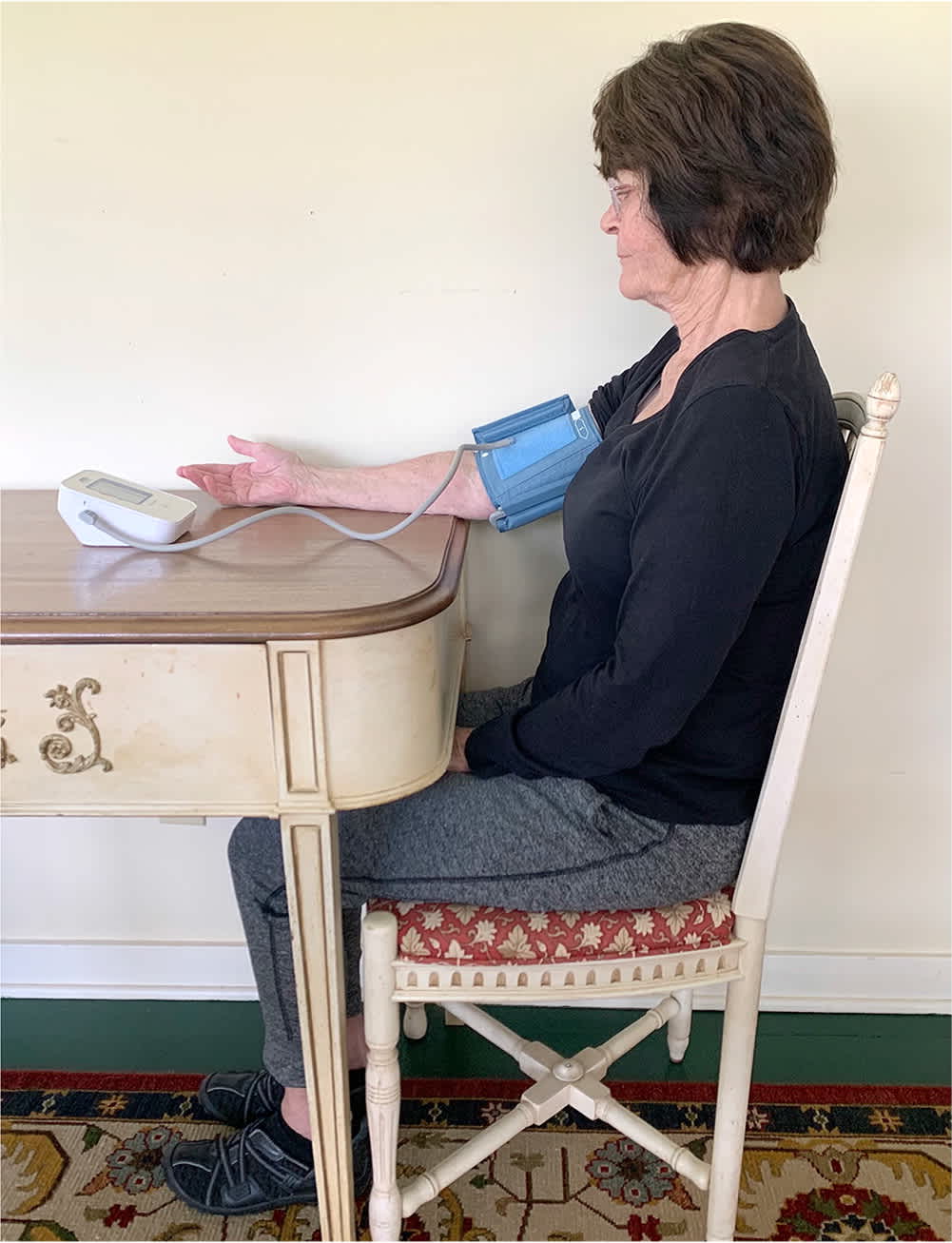
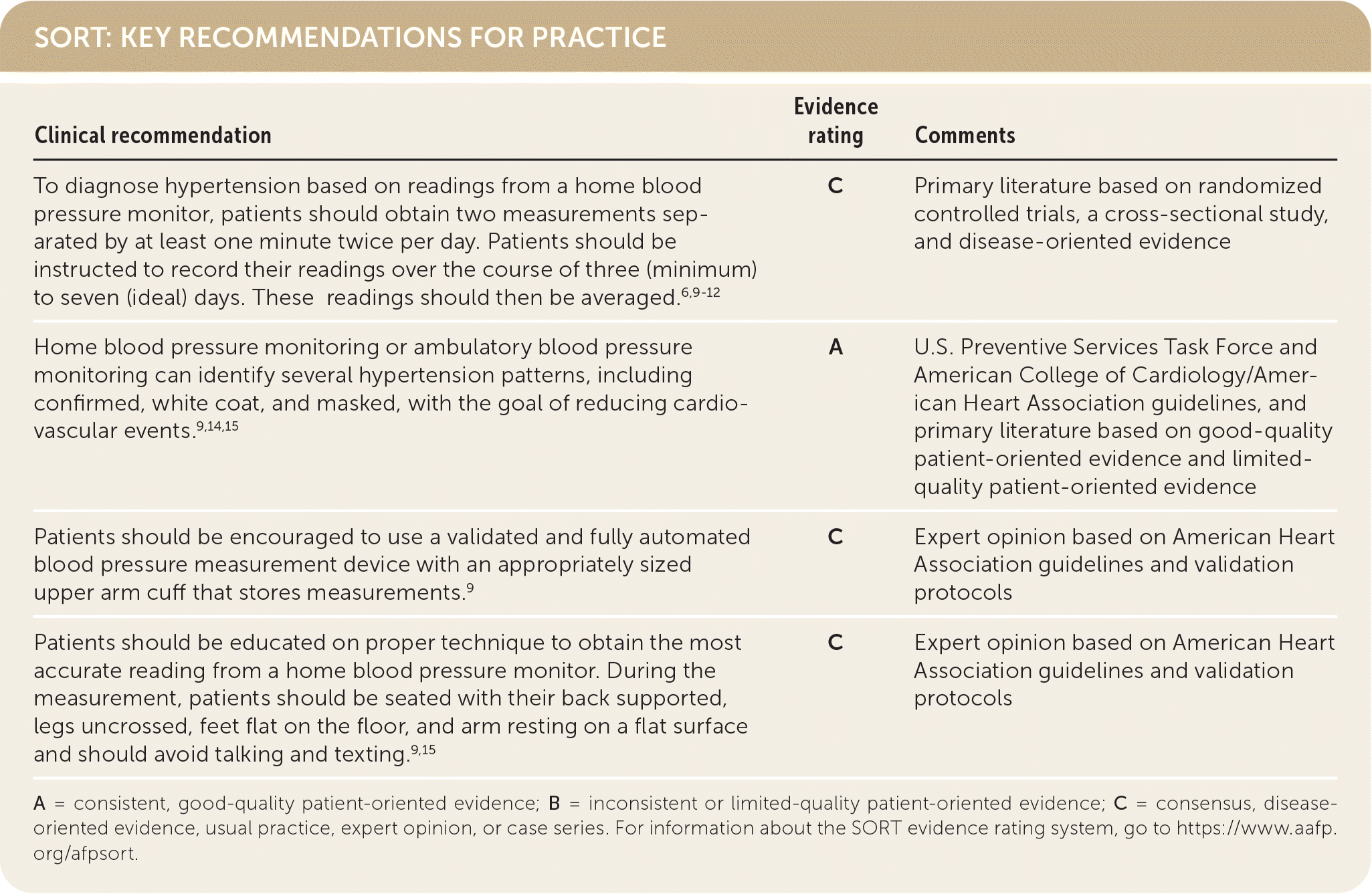
- Position Yourself: Sit in a chair with your back supported and both feet flat on the floor. Your arm should be resting on a flat surface (like a table) at heart level.
- The Five-Minute Rule: Sit quietly without looking at your phone or watching TV for five minutes before pressing the start button.
- Take Multiples: Take two readings one minute apart and record the average. Do this twice a day—once in the morning before medication and once in the evening before dinner.
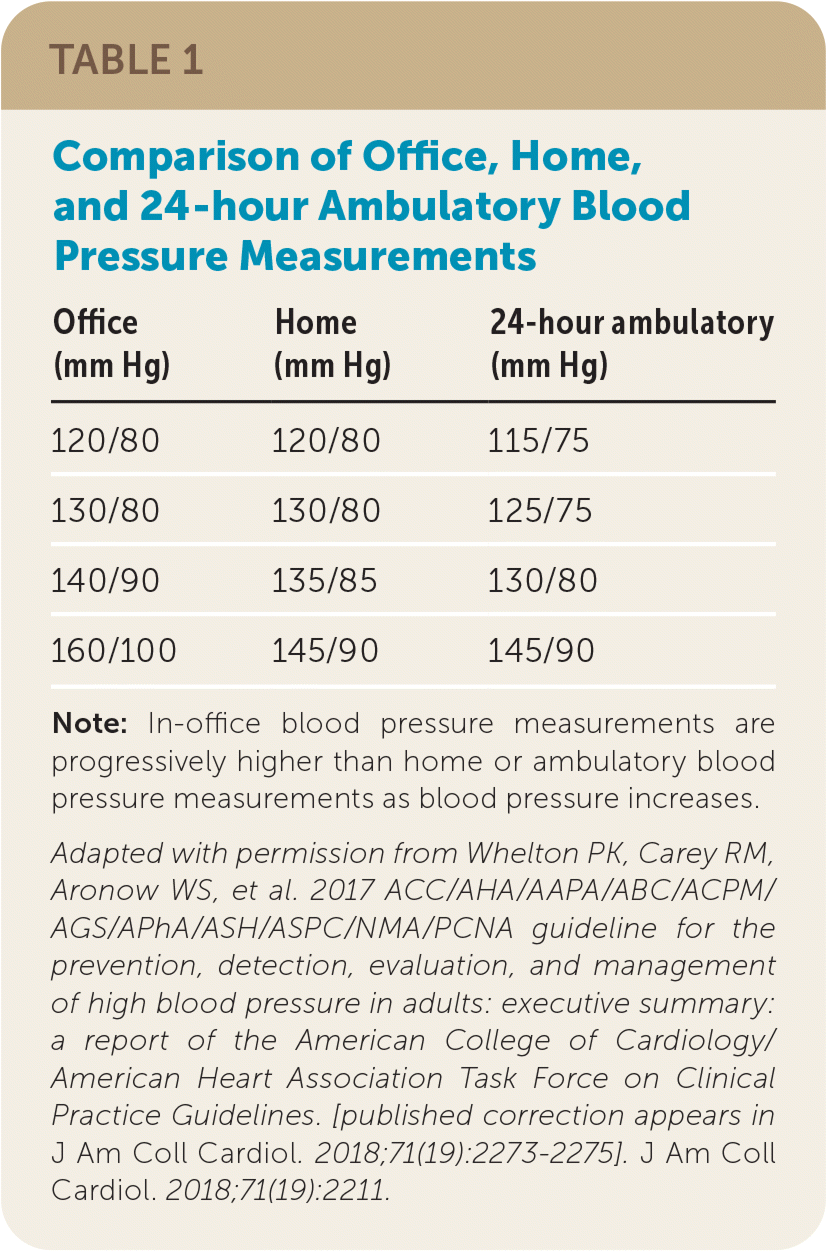
When comparing home blood pressure readings vs doctor office results, do not be surprised if your home numbers are slightly lower. The clinical environment itself can cause stress, leading to a phenomenon we must carefully identify to ensure you are receiving the right level of care.
Identifying White Coat and Masked Hypertension
Blood pressure is not a static number like your height; it is a dynamic measurement that fluctuates throughout the day based on stress, hydration, and activity. This variability is why a single high reading at the doctor's office is rarely enough for a diagnosis.
Identifying white coat hypertension with home monitoring is one of the most common reasons physicians ask patients to track their numbers. White coat hypertension occurs when your blood pressure readings are high in a medical setting but completely normal in the comfort of your own home. For these individuals, starting medication might be unnecessary and could even lead to blood pressure that is too low.
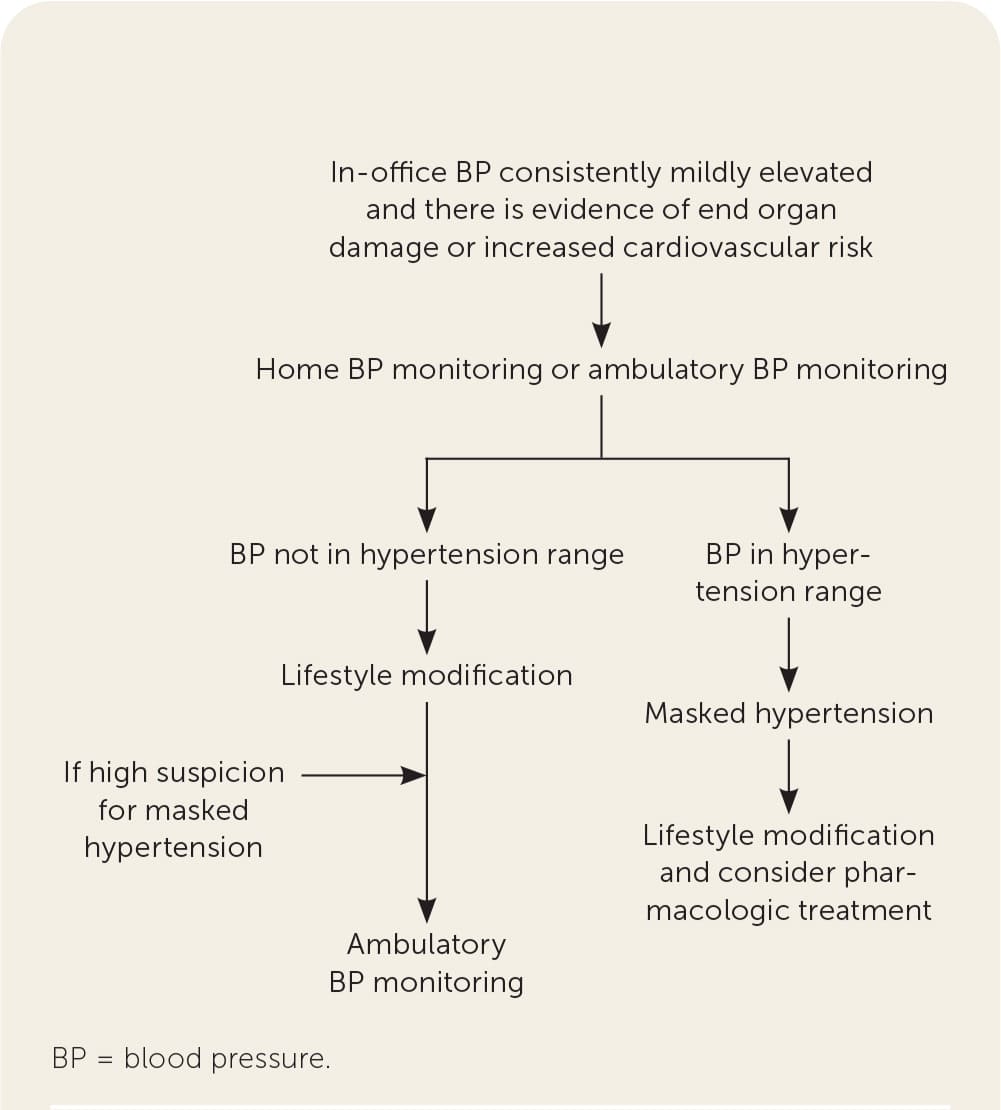
Conversely, we also look for masked hypertension. This is a more dangerous situation where blood pressure readings appear normal in the doctor's office but are elevated during your daily life or while you sleep. Research suggests that approximately 44% of adults worldwide with hypertension are unaware they have the condition, often because their occasional clinical checks don't capture the full picture.
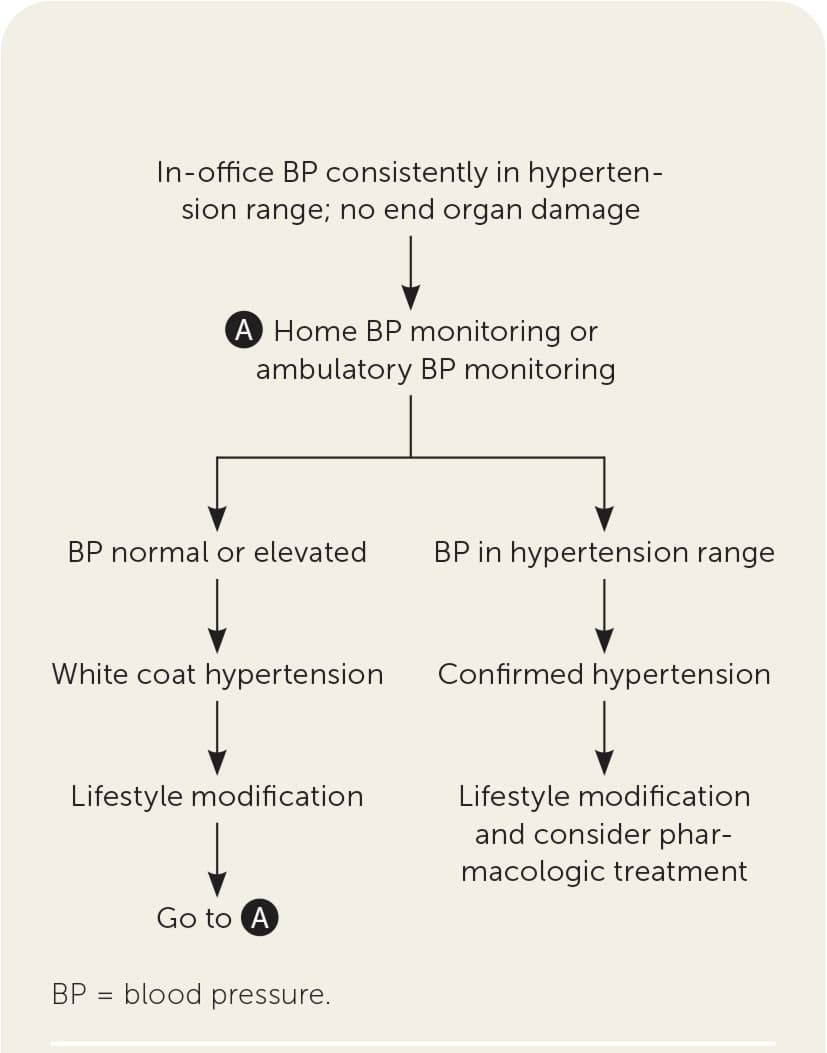
To solve these discrepancies, doctors sometimes use ambulatory monitoring, where a patient wears a device for 24 hours that takes readings every 15 to 30 minutes. This provides a comprehensive map of how the pressure in your arteries responds to the real world. By keeping a consistent log of your blood pressure readings at home, you provide the "missing data" that allows for a much more accurate cardiovascular risk assessment.
Managing your health is a long-term strategy, not a quick fix. By mastering the art of the measurement, you transition from being a passive patient to an active participant in your own longevity.
FAQ
What do the two numbers in a blood pressure reading mean?
The top number is the systolic pressure, which shows the force against artery walls when the heart beats. The bottom number is the diastolic pressure, representing the force when the heart rests between beats. Both are measured in millimeters of mercury.
How can I get an accurate blood pressure reading at home?
To ensure accuracy, sit quietly for five minutes before testing, use a validated upper-arm cuff that fits your arm circumference, keep your feet flat on the floor, and support your arm at heart level. Avoid talking or using electronic devices during the process.
Why do blood pressure readings fluctuate throughout the day?
Blood pressure is influenced by your internal biological clock, emotions, physical activity, and diet. It is typically lower during sleep and rises upon waking, peaking in the mid-afternoon or during periods of stress.
Is 130/80 considered a high blood pressure reading?
Under current clinical guidelines, a reading of 130/80 mmHg is classified as Stage 1 hypertension. While this may not always require immediate medication, it serves as an important signal to implement lifestyle changes for stroke prevention.
What factors can cause a temporary spike in blood pressure readings?
Common triggers for temporary spikes include caffeine consumption, recent exercise, smoking, a full bladder, feeling cold, or the stress of being in a medical environment, often called white coat hypertension.