
Quick Facts
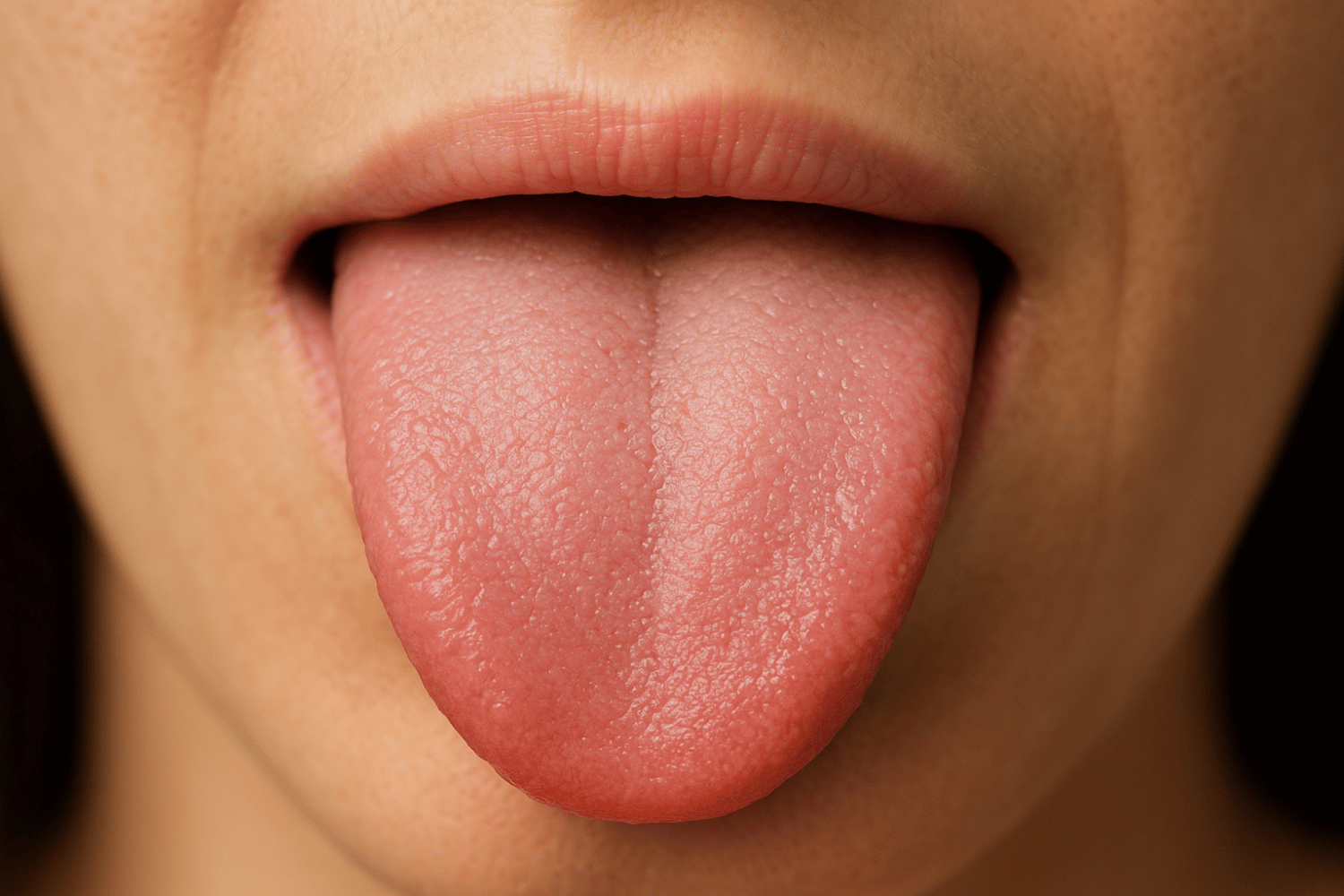
- Healthy Baseline: A normal tongue should be light pink, moist, and covered in small bumps called papillae.
- The 2-Week Rule: Any persistent tongue change, sore, or discoloration lasting more than 14 days requires a professional dental examination.
- The Scraper Test: If a white coating can be removed with a scraper, it is likely bacterial accumulation; if not, it may be oral thrush or leukoplakia.
- Red Flags: Symptoms like a strawberry-red appearance, painful lumps, or blue hues (cyanosis) require immediate medical evaluation.
- Nutritional Links: A smooth, glossy red tongue is often one of the first signs of a B12 or iron deficiency.
- Prevalence: Tongue conditions, including geographic tongue and black hairy tongue, affect approximately 15.5% of the adult population in the United States.
| Tongue Color/Change | Likely Underlying Condition | Action Level |
|---|---|---|
| White Coating (Scrapable) | Poor hygiene, dehydration, or debris | Routine Care |
| Thick White Patches | Oral thrush or leukoplakia | Consult Dentist |
| Bright Red (Smooth) | B12 or iron deficiency (Glossitis) | Blood Test |
| Bright Red (Bumpy) | Scarlet fever or Kawasaki disease | Immediate Medical |
| Yellow or Brown | Smoking, coffee, or bacterial buildup | Lifestyle Change |
| Black and Hairy | Papillae overgrowth or bismuth reaction | Hygiene/Scraping |
| Geographic Patches | Benign inflammatory condition | Monitor |
Your tongue is a powerful mirror of your internal health. From a simple white tongue coating meaning minor dehydration to bright red hues signaling a red tongue vitamin b12 deficiency, changes in color and texture are vital oral health tongue indicators. Understanding these tongue health symptoms can help you identify systemic issues early. In this guide, we break down the 7 most common changes and the specific tongue discoloration causes you need to know.
Understanding the "Healthy" Baseline
Before we dive into the complexities of discoloration, it is essential to understand how to identify a healthy tongue. In my years of focusing on preventive care, I have found that most people rarely look at their tongue until something feels wrong. A healthy baseline consists of a light pink color, a moist surface, and a thin, translucent white coating.
The texture is equally important. Your tongue should be covered in thousands of tiny, velvety bumps known as papillae. These house your taste buds and play a role in how you perceive the texture of food. A healthy oral microbiome maintains this appearance by balancing beneficial bacteria. However, it is quite common to notice a slightly heavier coating in the morning. This occurs because saliva production decreases while you sleep, allowing a minor buildup of dead cells and debris. This is generally no cause for alarm and usually clears up after your morning oral hygiene routine.
1. White Patches or Coating (Thrush & Leukoplakia)
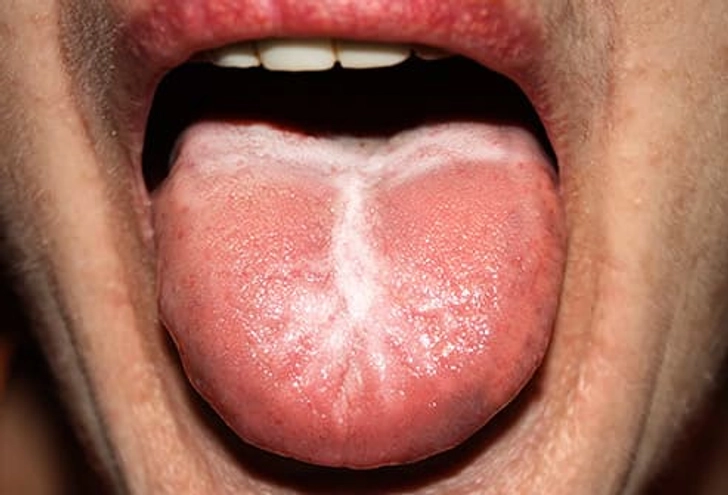
When patients ask about white coating on tongue health meaning, the answer often depends on the "Scraper Test." If the coating is thin and wipes away easily, it is likely just a buildup of food particles and bacterial accumulation within the papillae. This is often a sign that you need to increase your water intake to combat dehydration signs.
However, if the white patches are thick, creamy, or cannot be scraped off, we must look deeper. A common culprit is oral thrush, a yeast infection caused by Candida. This is particularly prevalent in individuals with weakened immune systems, those taking certain medications, or people with diabetes.
More significantly, flat white patches that feel hard or cannot be removed might be leukoplakia. This condition is often linked to chronic irritation from tobacco or alcohol. While often benign, it is considered precancerous and requires professional monitoring. Research shows that oral leukoplakia has a global prevalence estimated between 3.41% and 4.11%, making it a vital indicator to watch for during your monthly self-checks.
2. Bright Red "Strawberry" Tongue
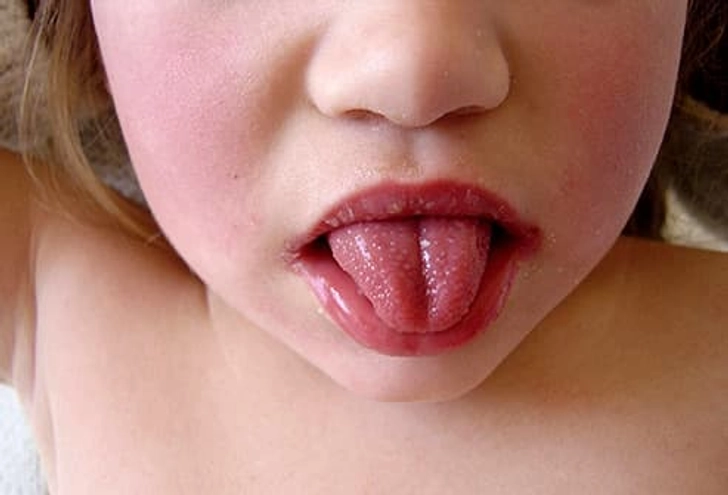
A sudden shift to a bright red, bumpy appearance—often called a strawberry tongue—is a significant clinical sign. In children, this can be a hallmark of Scarlet fever or Kawasaki disease, both of which require prompt medical intervention.
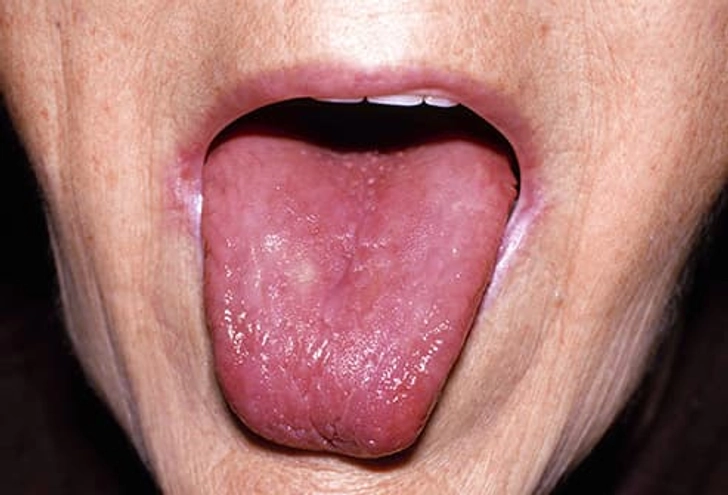
In adults, a red tongue is frequently a nutritional red flag. When the tongue becomes swollen and the papillae disappear, leaving a smooth, shiny surface, it is known as glossitis. This is one of the most common red tongue vitamin b12 deficiency symptoms. Vitamin B12 and iron are essential for the maturation of the papillae; without them, the tongue loses its textured surface.
If you notice these smooth tongue vitamin deficiency causes, it is a sign that your body is struggling to produce healthy red blood cells. Chronic inflammation of the tongue or iron deficiency anemia can lead to soreness and a burning sensation, making it difficult to eat acidic or spicy foods. Addressing these tongue health symptoms usually involves blood work to confirm the deficiency and subsequent supplementation or dietary adjustments.
3. Yellow or Brown Discoloration
Yellow or brown discoloration is usually less about systemic illness and more about lifestyle habits and oral hygiene. These tongue discoloration causes often stem from bacterial accumulation that produces pigmented waste products.
Common triggers include:
- Tobacco Use: Both smoking and chewing tobacco stain the surface of the tongue over time.
- Dietary Habits: Heavy consumption of coffee, dark teas, or certain spices like turmeric.
- Poor Hygiene: Failing to clean the tongue allows bacteria to thrive in the spaces between papillae.
- Dry Mouth: Lack of saliva allows bacteria to concentrate, often leading to a yellow hue.
For those looking for yellow tongue coating removal tips, I always recommend the regular use of a high-quality tongue scraper. Additionally, some practitioners suggest consuming fresh pineapple slices, as the enzyme bromelain can help break down the debris that contributes to the staining. Staying hydrated is also crucial, as water helps flush the mouth and maintain a healthy oral microbiome.
4. Black and "Hairy" Appearance
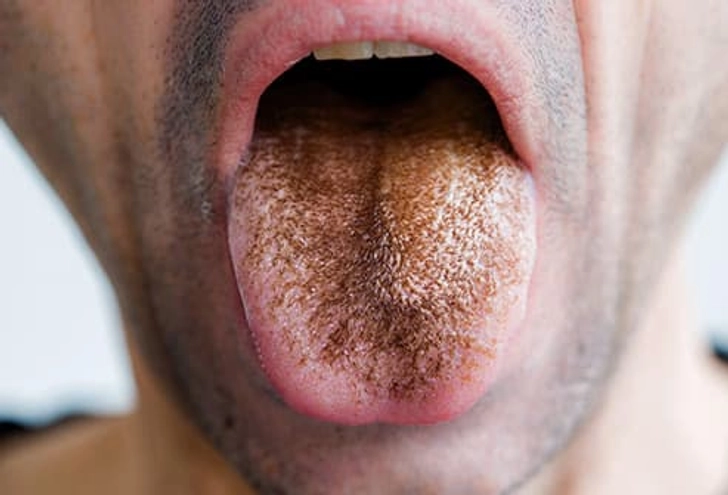
Few things are more alarming than looking in the mirror and seeing a black, fuzzy-looking tongue. Despite its dramatic appearance, black hairy tongue is typically a benign condition. It occurs when the papillae on the surface of the tongue do not shed as they should. Instead, they grow longer—sometimes up to 15 times their normal length—trapping bacteria, yeast, and tobacco stains.
This condition affects approximately 15.5% of the adult population and is more common in men and those who use tobacco. A frequent trigger is the use of medications containing bismuth, such as Pepto-Bismol. When bismuth reacts with the trace amounts of sulfur in your saliva, it can turn the surface of the tongue black. Improving your hygiene routine and stopping the use of triggering medications usually resolves the issue within a few days.
5. Geographic Patches and Fissured Grooves
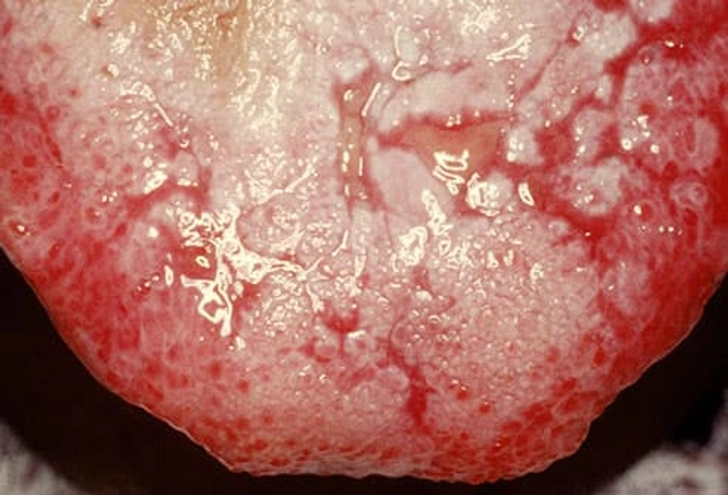
If your tongue looks like a map with irregular, red, smooth patches bordered by white lines, you are likely experiencing geographic tongue symptoms and causes. This is a benign inflammatory condition where the papillae are temporarily lost in specific areas. It is estimated to occur in 2% to 3% of the general population. While it may cause sensitivity to acidic foods, it is not an infection and is not contagious.
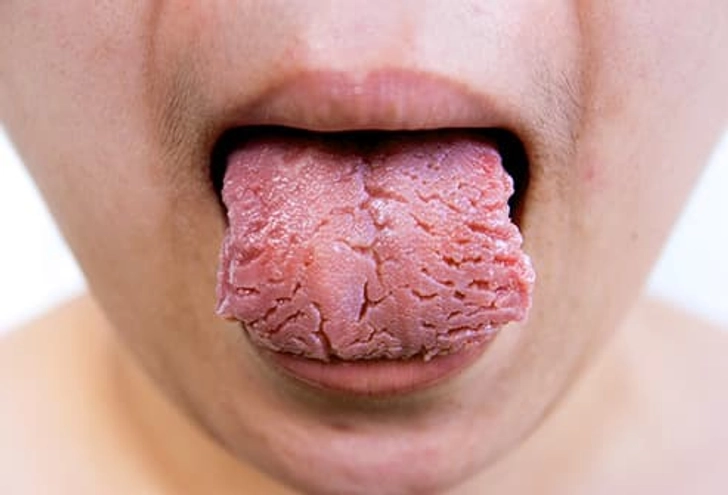
Related to this is the fissured tongue, characterized by deep cracks or grooves on the surface. These grooves are often hereditary and tend to become more pronounced as we age. The primary concern with a fissured tongue is that the deep grooves can harbor twice the amount of bacteria as a smooth tongue. This makes the benefits of tongue scraping for oral health even more significant for these individuals, as debris trapped in the fissures can lead to bad breath or localized irritation.
6. Blue or Purple Hues (The Red Flag)
While most tongue health symptoms are non-emergencies, a blue or purple tint is a serious red flag. This change usually indicates cyanosis, which means your blood is not carrying enough oxygen to your tissues. This can be a sign of a critical systemic illness such as heart failure, chronic obstructive pulmonary disease (COPD), or a severe asthma attack.
If you notice a bluish tint to your tongue or lips, especially if it is accompanied by shortness of breath, dizziness, or chest pain, you should seek immediate medical attention. In the world of preventive care, we distinguish between chronic "tongue health symptoms" and acute emergencies; cyanosis is always the latter.
The DIY Diagnostic: Scraper Test & The Two-Week Rule
To help you navigate these changes, I recommend a simple diagnostic approach at home. First, perform the mechanical scraper test. Use a dedicated tongue scraper or the edge of a clean spoon to gently swipe the surface of your tongue from back to front. If a white or yellow coating is easily removed and the pink surface underneath looks healthy, the issue is likely related to hygiene or minor bacterial accumulation.
The Two-Week Rule: If you notice any unusual patch, lump, sore, or discoloration that does not resolve with improved hygiene and hydration within 14 days, schedule a dental examination.
A dentist or oral pathologist can perform a professional soft-tissue screening. Persistent white patches like leukoplakia, or red, painful sores like lichen planus, require a professional eye to rule out more serious conditions. Early detection is the cornerstone of long-term wellness.
FAQ
What does a healthy tongue look like?
A healthy tongue is typically light pink in color with a thin, whitish coating on the surface. It should appear moist and be covered in tiny, velvety bumps called papillae, which house the taste buds.
What are the signs of an unhealthy tongue?
Signs of an unhealthy tongue include significant color changes (such as bright red, yellow, or black), a very thick or furry coating that does not scrape off, smooth patches where papillae are missing, persistent sores, or deep fissures that become painful.
What causes a white coating on the tongue?
A white coating is often caused by a buildup of bacteria, dead cells, and food debris trapped between the papillae, frequently due to poor hygiene or dehydration. However, if the coating is thick and stubborn, it may indicate oral thrush (a fungal infection) or leukoplakia.
When should you see a doctor for tongue symptoms?
You should see a doctor or dentist if any change in your tongue—including patches, lumps, or discoloration—persists for more than two weeks. Immediate medical attention is required if the tongue turns blue or if changes are accompanied by difficulty breathing.
What does the color of your tongue say about your health?
Tongue color serves as a diagnostic window; for example, a bright red tongue may signal a vitamin B12 deficiency, while a yellow tongue often relates to hygiene or smoking. A blue tint can indicate low blood oxygen, and white patches may point to immune system issues or chronic irritation.
Summary for Long-Term Wellness
Maintaining your tongue health is a simple but vital part of your daily self-care routine. By practicing regular tongue scraping, staying hydrated, and monitoring for any persistent changes, you can catch systemic issues before they escalate. Remember, your oral health is not isolated—it is an integral part of your overall physical wellbeing. If your tongue is trying to tell you something, make sure you are listening.