Quick Facts
- The Trend: Over one-third of adults in the United States now choose separate beds or rooms to prioritize better rest.
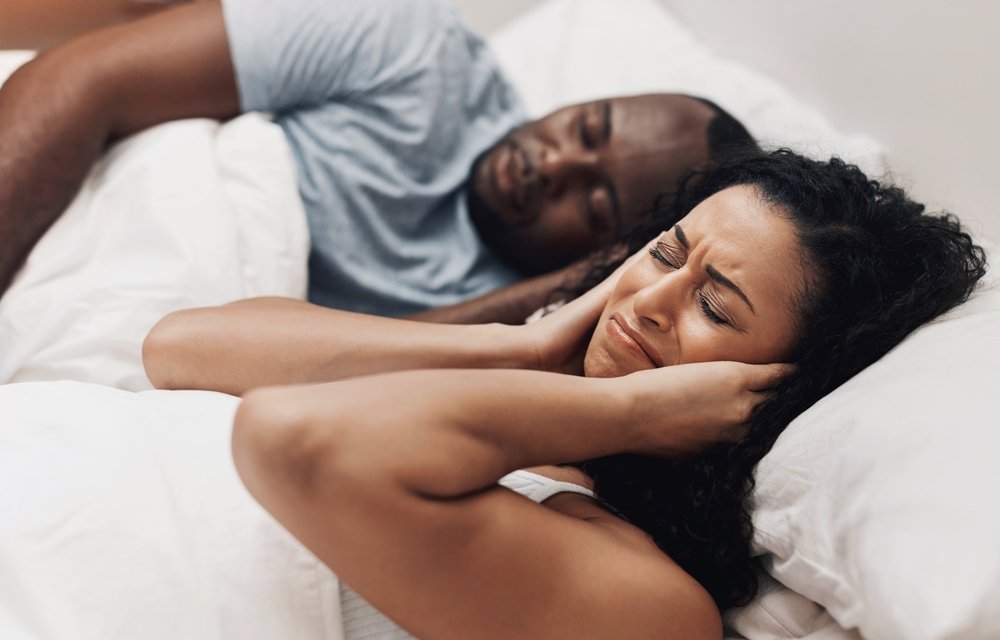
- The Catalyst: Chronic snoring, mismatched circadian rhythms, and sleep apnea are the primary drivers of sleep-related conflict.
- The Outcome: Approximately 52.9% of adults who maintain separate sleeping arrangements report a significant improvement in their overall sleep quality.
- The Relationship Boost: Nearly half of couples who sleep apart believe the practice has strengthened their emotional bond and relationship longevity.
- The Intimacy Myth: Sleeping in separate beds does not equate to a lack of intimacy; rather, it often increases libido by reducing daytime irritability and friction.
- The Flexibility: A sleep divorce can be a part-time arrangement, such as on worknights, or a permanent lifestyle choice involving dual master suites.
A sleep divorce is a strategic arrangement where partners utilize separate beds or rooms to prioritize restorative rest, effectively reducing marital friction caused by sleep deprivation while using intentionality to maintain emotional bonds. By addressing physiological needs individually, couples often find they have more emotional energy and better moods to engage with one another during their waking hours.
The Rise of the Sleep Divorce: From Stigma to Strategy
For decades, the idea of a married couple sleeping in separate rooms was whispered about as a sign of a looming legal divorce. It was viewed as the "beginning of the end," a cold concession to a passionless union. However, as our understanding of preventive healthcare and sleep hygiene has evolved, so has our perspective on the shared bed. We are moving away from social stigma and toward a proactive wellness strategy that prioritizes the health of both individuals.
The shift is backed by significant data. A 2023 survey by the American Academy of Sleep Medicine found that more than one-third of adults in the United States occasionally or consistently sleep in a separate room from their partner. This isn't necessarily because they are unhappy; it is because they are tired. In a world where we optimize our diets and our workouts, it only makes sense that we also optimize the eight hours we spend unconscious.
Separate sleeping arrangements are becoming a hallmark of the modern, health-conscious relationship. Whether it is a full-time move to separate bedrooms or a part-time approach where partners sleep apart only during high-stress workweeks, the goal is the same: protecting the restorative rest that keeps us functioning at our best. When we stop viewing the shared mattress as a moral obligation and start viewing it as a lifestyle choice, we open the door to better health and a more harmonious home life.

Signs Your Relationship Needs a Sleep Upgrade
How do you know if your nightly routine is doing more harm than good? Often, the signs of sleep-related marital friction are subtle before they become overwhelming. It starts with a heavy sigh when a partner rolls over, or a bit of morning "snappiness" that lingers through breakfast.
If you are wondering if your relationship would benefit from a sleep divorce, consider this self-assessment checklist:
- The Sound Barrier: Does one partner struggle with chronic snoring or the loud hum of a CPAP machine for sleep apnea?
- The Temperature War: Does one of you need a freezing room with three blankets while the other prefers a warm environment?
- The Movement Factor: Are you a "active" sleeper who tosses and turns, frequently waking your partner?
- The Clock Clash: Is one of you one of those natural morning larks while the other is among the night owls who stay up until 2 AM?
- The Resentment Loop: Do you feel a sense of dread or irritation when your partner enters the bed because you know your sleep will be interrupted?
When these issues become chronic, they can lead to interrupted sleep that leaves both partners in a state of low-grade exhaustion. If you aren't ready for a full separation, there are middle-ground solutions. For example, dual-zone cooling technology like a Chilipad can help resolve temperature disputes without anyone moving out of the room. Alternatively, some couples adopt the "Scandinavian sleep method," which involves staying in the same bed but using two separate sets of blankets to prevent "cover-stealing" and motion transfer.

The Physiological Payoff: Benefits of Separate Beds
As an editor focused on preventive care, I cannot overstate the biological importance of deep, uninterrupted sleep. When we share a bed, we are at the mercy of another person’s movements, breathing patterns, and even their circadian rhythm. When these are mismatched, we rarely reach the deeper stages of REM sleep required for emotional regulation and cognitive function.
The benefits of separate beds extend far beyond just feeling less groggy. When you achieve consistent restorative rest, your body experiences lower levels of cortisol, the primary stress hormone. High cortisol levels are linked to increased irritability, weight gain, and poor conflict resolution skills. Essentially, when you are sleep-deprived, your brain’s "threat detection" system is on high alert, making you more likely to pick a fight with your partner over something trivial, like a dish left in the sink.
Furthermore, a dedicated sleep environment tailored to your specific needs—whether that means a weighted blanket, a specific room temperature, or total silence—improves your overall sleep hygiene. According to a survey of U.S. adults who maintained a sleep divorce, 52.9% reported that the separate sleeping arrangement improved their overall sleep quality. Better sleep leads to better moods, which creates a positive feedback loop for the relationship. When you wake up feeling refreshed, you have the emotional bandwidth to be a kinder, more patient partner.
Bridging the Gap: Maintaining Intimacy While Sleeping Apart
The most common fear surrounding a sleep divorce is the loss of physical and emotional closeness. "If we don't sleep together, will we still be a couple?" is a valid question. The answer lies in replacing accidental intimacy—the kind that happens simply because you are in the same ten-square-foot space—with intentionality.
Maintaining intimacy while sleeping apart requires a deliberate shift in how you view your evening and morning hours. Intimacy is not just about the hours you are unconscious next to each other; it is about the active moments of connection. Research from Direct Line Home Insurance shows that nearly half of couples who sleep in separate rooms believe the practice has actually improved their relationship. This is likely because they have to be more mindful about seeking each other out.
To keep the spark alive, consider these creative ways to stay intimate while sleeping in separate beds:
- The "Pre-Tuck" Routine: Spend 30 minutes in one bed together before sleep. Use this time for conversation, cuddling, or reading together before one partner retreats to their own room.
- Shared Bedtime Routines for Couples: Brush your teeth together, do your skincare side-by-side, and walk each other to your respective "doors." This signals the end of the day as a team.
- The Morning Check-In: Make it a rule to meet in one bed for coffee or a quick cuddle before the workday begins.
- Scheduled Physical Affection: Without the "default" of being in the same bed, you may need to be more vocal about your needs for touch and sexual connection. Many couples find that their libido improvement is a direct result of being better rested and less resentful.
Implementation Guide: The 30-Day Trial Run
If you are convinced that separate sleeping arrangements might be the answer, the next step is the conversation. This can be delicate, as one partner might interpret the request as a rejection.
Expert Tip: The "We" Approach When discussing a sleep divorce, always frame it as a solution for "us," not a problem with "you." Instead of saying "Your snoring is keeping me up," try "I've been feeling so exhausted lately, and I think we would both benefit if I tried sleeping in the guest room for a few nights to see if our energy levels improve."
I recommend a 30-day trial run rather than a permanent declaration. This lowers the stakes and allows both partners to adjust to the new rhythm without feeling like the change is written in stone. During this month, set a recurring 30-minute monthly check-in outside of the bedroom—perhaps over a weekend lunch—to discuss how the arrangement is feeling.
Are you both sleeping better? Do you feel more or less connected? Are there logistical issues with the dual master suites or the guest room setup? This feedback loop ensures that the sleep divorce remains a tool for connection rather than a wedge for distance. Remember, the goal is relationship longevity. If sleeping apart for five nights a week allows you to be a more loving partner for the other two days (and all day long), it is a win for the union.
FAQ
What is a sleep divorce?
A sleep divorce is a practical arrangement where romantic partners choose to sleep in separate beds or separate bedrooms. The goal is to improve individual sleep quality by eliminating disturbances like snoring, different sleep schedules, or temperature preferences. It is a wellness-focused decision rather than a sign of relationship trouble.
Is a sleep divorce healthy for a marriage?
Yes, it can be incredibly healthy. Chronic sleep deprivation is a major contributor to marital friction and emotional volatility. By prioritizing restorative rest, couples often find they have more patience, better communication skills, and more physical energy to devote to their partner during waking hours.
How do you tell your partner you want a sleep divorce?
The best approach is to focus on the health benefits and your own needs rather than your partner’s "annoying" habits. Use "I" statements, such as "I have been struggling to get deep sleep lately and it’s affecting my mood," and suggest a temporary trial period to see if separate sleeping arrangements help both of you feel more refreshed.
How do couples maintain intimacy when sleeping apart?
Couples can stay connected by being intentional about their time together. This includes shared bedtime routines like cuddling or talking in one bed before parting ways for the night, prioritizing morning check-ins, and being more deliberate about scheduling date nights and physical affection.
Are there downsides to a sleep divorce?
The main downsides involve the potential for decreased spontaneous intimacy and the logistical cost of needing an extra bed or bedroom. There is also a social stigma that can make couples feel insecure if they haven't communicated openly about why they are making the change. Regular check-ins are essential to ensure both partners still feel emotionally secure.