Quick Facts
- Divorce Risk: Snoring is the 3rd leading cause of divorce in the United States, following infidelity and financial issues.
- Relationship Impact: A 2024 survey of 1,500 people revealed that 57% of respondents believe obstructive sleep apnea negatively impacts their relationships with family and friends.
- Prevalence: Experts estimate that up to 80 percent of sleep apnea cases remain undiagnosed, leaving millions of couples to struggle with the fallout without knowing the medical cause.
- Sleep Divorce Trends: Approximately 31 percent of adults in the U.S. have opted to sleep in separate beds to prioritize their own rest and physical health.
- Secondary Insomnia: Partners of those with untreated sleep apnea lose an average of one hour of sleep per night, often leading to a clinical condition known as secondary insomnia.
- Treatment Benefits: Consistent CPAP therapy can significantly reduce snoring and nocturnal restlessness, allowing couples to resume shared bed routines and improve overall marital satisfaction.
Sleep apnea often causes chronic snoring and nocturnal disturbances, leading to sleep deprivation for both partners. This exhaustion can cause irritability, daytime somnolence, and interpersonal conflict, frequently forcing couples into separate bedrooms. The emotional labor of managing the condition and the resulting loss of intimacy can place significant strain on the marital bond, but proactively addressing sleep apnea relationships through medical treatment and lifestyle optimization can restore the shared bedroom environment and long-term wellness.
The Silent Toll: How Sleep Apnea Erodes Marital Intimacy
When we talk about obstructive sleep apnea, the conversation usually centers on the individual's health—the risk of hypertension, cardiovascular strain, or daytime fatigue. However, as a preventive care editor, I often see the collateral damage that occurs when the lights go out. The condition does not just affect the person stopping breathing; it creates a ripple effect that touches the very core of a partnership.
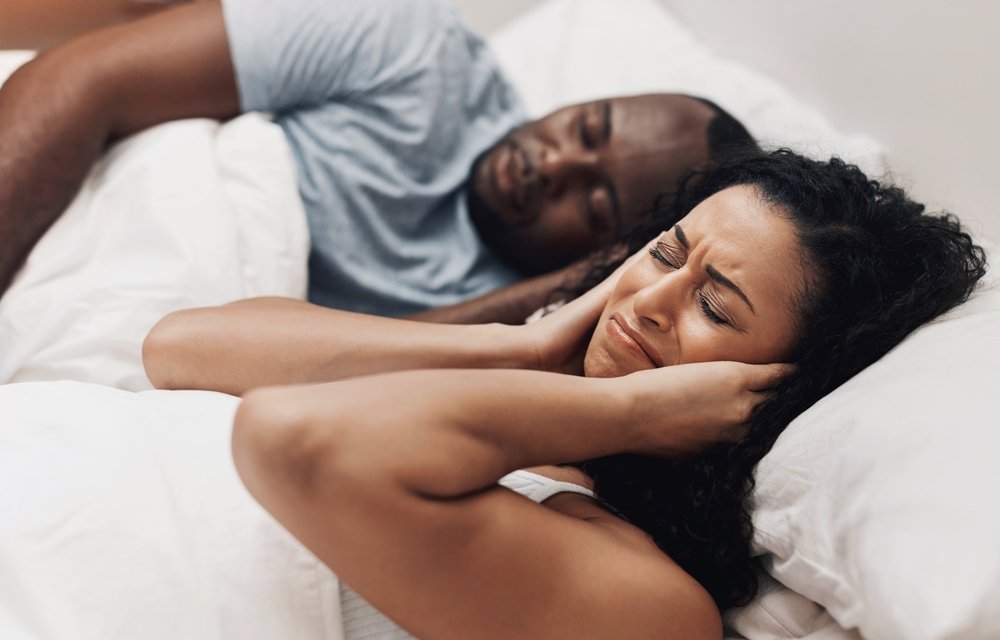
One of the most profound issues is secondary insomnia. This occurs when the bed partner’s sleep is chronically interrupted by the snorer’s noise or the physical tossing and turning associated with apnea events. While the patient might not remember waking up dozens of times a night, the partner is acutely aware of every gasp and snort. Over time, this leads to chronic fatigue for the partner, which manifests as daytime irritability and a lower threshold for conflict.
Witness Anxiety: A psychological phenomenon where the bed partner experiences high levels of stress and fear while watching their spouse stop breathing during sleep. This hyper-vigilance prevents the partner from entering deep, restorative sleep, even if the room is momentarily quiet.
Addressing the hidden social toll of sleep apnea on marriage requires acknowledging that the "moodiness" or "lack of interest" in a relationship often has a biological root. Chronic nocturnal hypoxia—the drop in blood oxygen levels—affects the brain's ability to regulate emotions. When both partners are exhausted, the emotional labor required to maintain a healthy marriage becomes an insurmountable mountain. Coping with sleep deprivation as a spouse of a snorer is not just a nuisance; it is a physiological barrier to connection.

To Stay or Stray: Navigating the "Sleep Divorce"
The term "sleep divorce" sounds harsh, but in the world of sleep optimization, it is often a survival strategy. It refers to the decision by a couple to sleep in separate beds or even separate rooms to ensure both parties receive adequate rest. While this can provide an immediate reprieve from the resentment caused by a loud snorer, it is often a double-edged sword.
On one hand, preventing sleep divorce from becoming a permanent emotional separation is crucial. Separate rooms can lead to a loss of the "pillow talk" and spontaneous intimacy that bonds a couple. On the other hand, the sheer desperation for a good night’s sleep can make the spare bedroom look like a sanctuary.
When considering strategies for preventing sleep divorce due to snoring, it is helpful to look at the trade-offs:
| Factor | Sleep Divorce (Separate Beds) | Shared Sleeping (Co-Sleeping) |
|---|---|---|
| Sleep Quality | High; no noise or movement disruption. | Potentially low due to loud snoring. |
| Emotional Intimacy | Risk of feeling disconnected or "roommate-like." | High; benefits from oxytocin and physical closeness. |
| Conflict Levels | Lowered due to better rest and less morning resentment. | Higher; sleep deprivation fuels arguments. |
| Safety Monitoring | Partner cannot monitor for dangerous apnea events. | Partner can provide feedback on breathing patterns. |
| Intimacy Spontaneity | Low; requires intentional "date" moments for the bedroom. | High; natural environment for physical touch. |
If you find yourselves sleeping apart, treat it as a temporary diagnostic phase rather than a permanent lifestyle change. The goal should be to use that improved rest to fuel the energy needed for medical intervention and sleep apnea partner support.

The Couple’s Project: Supporting CPAP Therapy Together
The most effective way to bridge the gap in sleep apnea relationships is to view treatment as a joint venture. CPAP therapy—Continuous Positive Airway Pressure—is the gold standard for treatment, but it comes with its own set of social hurdles. Many patients feel "mask shame," worrying that the device looks unappealing or clinical in a romantic setting.
This is where how to support a partner with sleep apnea becomes a critical skill. Supporting a partner involves more than just nagging them to wear the mask; it requires instrumental assistance and emotional encouragement. You might help by ensuring the machine is set up with fresh water each night or by researching quieter machine models together.
A Partner’s Support Checklist:
- Mask Desensitization: Help your partner wear the mask for short periods during the day while watching TV to get used to the sensation.
- Positive Reinforcement: Focus on how much more energy they have and how quiet the room is, rather than complaining about the sound of the machine.
- Environmental Optimization: Invest in a CPAP-friendly pillow or a hose lift to make the physical presence of the machine less intrusive.
- Encouraging CPAP Compliance: Remind your spouse that their health is your priority, and that the mask is a symbol of their commitment to a long life together.
By reframing the device as a tool for connection rather than a barrier, you can overcome the tips for couples adjusting to CPAP therapy. When treatment is successful, the snoring stops, the witness anxiety dissipates, and the path to sharing a bed again becomes clear.
Reclaiming the Night: Strategies for Resuming Bed Sharing
Once treatment has begun and the "snore-free" nights become the norm, the next step is how to resume bed sharing after sleep apnea treatment. This transition should be handled with care. If you have been sleeping apart for months or years, jumping back into the same bed can feel disruptive to your newly found sleep routine.
Start by talking to your spouse about their sleep apnea symptoms and how they feel since starting treatment. Use this as a foundation for reconnection. You might begin by sharing the bed on weekends or during "nap dates" before committing to every night. Focus on improving your shared sleep hygiene—keeping the room cool, dark, and tech-free—to ensure that the return to the shared bed is a positive experience for both.
Maintaining this success requires ongoing communication. Don't be afraid to voice concerns if the mask is leaking or if you notice a return of symptoms. In sleep apnea relationships, the partner is often the "early warning system" for health changes. By staying vigilant and supportive, you protect both the health of your partner and the health of your marriage.

FAQ
How does sleep apnea affect a romantic relationship?
The condition creates a cycle of sleep deprivation that leads to irritability, decreased patience, and emotional distance. The primary partner often suffers from secondary insomnia due to the noise, while the person with sleep apnea may experience a drop in libido and emotional regulation due to chronic hypoxia.
Can sleep apnea cause intimacy issues?
Yes, in several ways. Physically, untreated sleep apnea is linked to erectile dysfunction and low testosterone. Emotionally, the constant fatigue and the potential for sleeping in separate rooms reduce the opportunities for physical touch and spontaneous intimacy.
Does sleep apnea increase the risk of divorce?
Statistics suggest that snoring, the most common symptom of the condition, is the third leading cause of divorce in the United States. The strain of chronic exhaustion and the resulting interpersonal conflict can erode even the strongest marital bonds over time.
How do I talk to my partner about their sleep apnea?
Approach the conversation from a place of love and concern for their health rather than frustration about your own sleep. Mention specific observations, such as when they stop breathing, and explain how much you want them to feel vibrant and healthy again.
Is it common for couples to sleep apart due to sleep apnea?
It is very common, often referred to as a sleep divorce. Roughly one-third of American couples sleep in separate beds to cope with different sleep schedules or disruptions like snoring, though many view this as a last resort.
How can I help my partner use their CPAP machine?
You can assist with the setup and cleaning of the device, provide positive feedback on their progress, and help normalize the experience by focusing on the benefits of quiet, restful nights. Reassuring them that the mask does not change your attraction to them is also vital for treatment compliance.