Quick Facts
- Emergency Rule: Seek immediate medical attention if your chest pain lasts more than 5 minutes, especially if it does not improve with rest or medication.
- Atypical Signs: Women often experience nausea, extreme fatigue, or jaw pain rather than the classic sharp chest pressure often associated with heart issues.
- Acute Care: Taking aspirin (162-325 mg) within 30 minutes of the onset of acute symptoms can be a life-saving measure while waiting for emergency services.
- Cardiac Reality: Heart disease remains a significant concern, with 1 in 20 adults in the United States currently living with coronary artery disease.
- Diagnostic Outcomes: While chest pain is frightening, more than 50% of emergency room visits for this symptom are eventually attributed to non-cardiac causes like gastrointestinal or musculoskeletal issues.
- Core Diagnosis: Angina symptoms typically manifest as chest pressure or squeezing caused by myocardial ischemia. Understanding the distinction between stable angina and unstable angina is the first step toward effective long-term management.
Recognizing angina symptoms is critical for maintaining long-term cardiovascular health. These sensations typically manifest as chest pressure, squeezing, or heavy discomfort caused by reduced blood flow to the heart muscle, a condition medically known as myocardial ischemia. While symptoms of stable angina often occur during physical exertion and subside with rest, unstable angina is more unpredictable and may signal an impending heart attack, making it vital to recognize these signs for timely medical intervention.
Understanding the Basics: Is Angina Dangerous?
When we talk about heart health, the word angina often surfaces as a source of anxiety. It is important to understand that angina is not a disease itself, but rather a warning light on your body’s dashboard. It is a symptom of coronary artery disease, signaling that your heart muscle isn't receiving enough oxygen-rich blood. This usually happens because of atherosclerosis, where plaque buildup narrows the arteries over time.
So, is angina dangerous? The answer depends largely on its pattern. We generally categorize these symptoms into two main types: stable and unstable. Stable angina is the most common form. It usually follows a predictable pattern, appearing when you push yourself physically or experience intense emotion, and it goes away when you rest or take medication. However, if the pattern of your chest discomfort changes suddenly—occurring at rest or lasting longer than usual—it transitions into unstable angina signs and symptoms. This is considered a medical emergency because it suggests that a plaque may have ruptured, leading to a blood flow blockage that could cause a heart attack.
It is helpful to view chest pain within the context of the broader healthcare system. In the United States, chest pain is the second most common complaint in United States emergency departments, accounting for approximately 6.5 million annual visits. This represents roughly 5% to 8% of all emergency room encounters. While the high volume of visits highlights our collective concern for heart health, it also reveals that many cases are not life-threatening. In fact, fewer than 10% of these emergency cases are ultimately diagnosed with acute coronary syndrome. Many people find their symptoms are actually related to acid reflux, gallbladder issues, or even simple muscle strain.
Gender Differences: Angina Symptoms in Women
For many years, the medical community looked at heart health through a male-centric lens, focusing on the "Hollywood Heart Attack"—the dramatic clutching of the chest. But as an editor in women's health, I have seen how this narrow focus has led to many women being misdiagnosed or dismissed. Angina symptoms in women are often far more subtle and varied than those seen in men.
Women are more likely to experience what we call coronary microvascular disease. Unlike traditional coronary artery disease, which affects the large arteries on the surface of the heart, microvascular disease affects the tiny arterial branches. Because the blockage is more diffuse, the symptoms are often described as atypical symptoms of angina. Instead of a feeling like an elephant is sitting on their chest, women may report extreme fatigue that feels like catching the flu, shortness of breath, or a vague sense of dread.
Standard diagnostic tests for chest pain can sometimes miss these microvascular issues because the larger arteries might appear clear on an angiogram. This is why it is so important for women to advocate for themselves. Postmenopausal risk factors also play a huge role; as estrogen levels decline, the protective effect on the blood vessels fades, leading to increased arterial stiffness. Hypertension management and monitoring for diabetes become even more critical during this life stage.
Below is a comparison to help you distinguish how symptoms may present differently based on gender:
| Feature | Classic Symptoms (Common in Men) | Atypical Symptoms (Common in Women) |
|---|---|---|
| Pain Location | Center of the chest | Neck, jaw, throat, abdomen, or back |
| Pain Quality | Heavy pressure, "crushing" sensation | Aching, burning, or sharp "stabbing" sensations |
| Associated Signs | Sweating, left arm numbness | Nausea, vomiting, lightheadedness, extreme fatigue |
| Triggers | Physical exertion (running, lifting) | Emotional stress, sleep disturbances, or even rest |
If you are a woman experiencing microvascular angina symptoms in women, you might notice that the radiating pain travels not just to the arm, but also to the jaw and upper back. Do not ignore these "non-traditional" signals.
The Diagnostic Roadmap: From Vital Signs to Imaging
If you find yourself in a clinical setting due to chest discomfort, the medical team will follow a strict, evidence-based protocol to ensure your safety. The primary goal is to quickly differentiate between a benign cause and a life-threatening cardiac event.
The first step is almost always an electrocardiogram. In most high-quality medical facilities, the goal is for an electrocardiogram to be performed within 10 minutes of a patient's arrival. This test records the electrical activity of your heart and can show immediate signs of muscle damage or lack of oxygen. Clinicians will also look for cardiac biomarkers—proteins that are released into the blood when the heart muscle is injured. For instance, a normal electrocardiogram combined with negative troponin levels indicates that the 30-day risk of a major heart attack or death is remarkably low, ranging from only 0.3% to 1.1%.
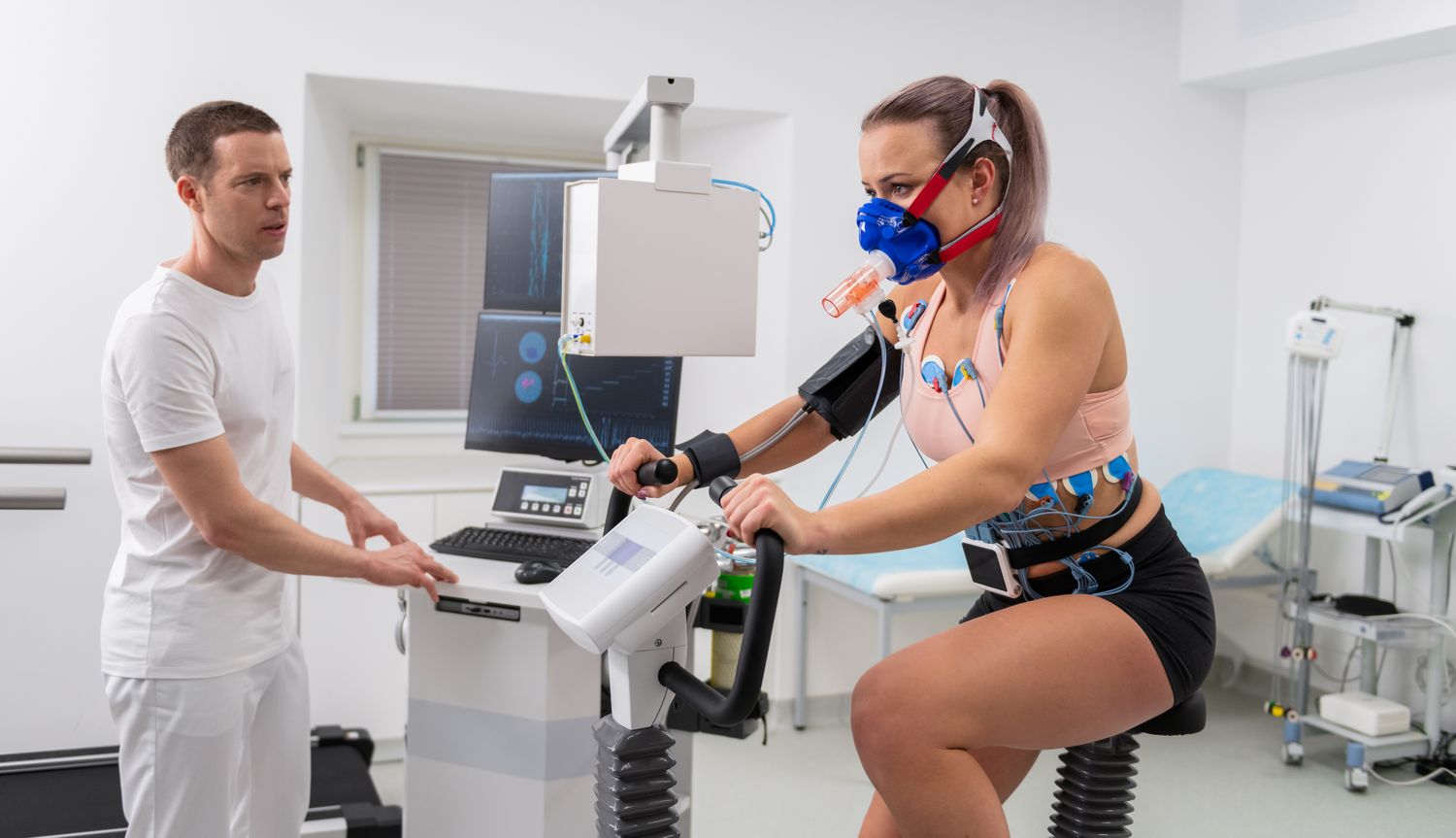
Once the immediate danger is ruled out, your doctor may suggest more detailed diagnostic tests for chest pain. This might include a stress echocardiogram, which uses ultrasound imaging to see how well your heart pumps blood while you are walking on a treadmill or receiving medication that mimics exercise.
If non-invasive tests suggest a blockage, the next step is often a cardiac catheterization. During this procedure, a thin tube is guided through a blood vessel to the heart. A special dye is injected, allowing doctors to see exactly where any narrowing or blockage exists. This is frequently considered the gold standard for diagnosing large-vessel disease and can sometimes be paired with the placement of a stent to open the artery.
Management and Prevention Strategies
Living with a diagnosis related to angina causes a shift in perspective, but it is entirely manageable with the right plan. Management usually falls into two categories: immediate relief and long-term prevention.
For immediate relief of chest pressure, many patients are prescribed nitroglycerin therapy. This medication works by relaxing and widening the blood vessels, allowing blood to flow more easily to the heart muscle. It is usually taken as a small tablet under the tongue or as a spray. If you have been prescribed this, always keep it with you, but remember: if the pain does not subside after one or two doses, the 5-minute rule applies, and you must call for emergency help.
Long-term management focuses on lifestyle modifications to slow the progression of atherosclerosis. This includes:
- Exercise: Aim for at least 30 minutes of moderate activity daily, such as brisk walking, which helps improve collateral circulation.
- Diet: Focus on heart-healthy fats, leafy greens, and lean proteins, while minimizing sodium to help with hypertension management.
- Stress Reduction: Since emotional stress is a major trigger for microvascular angina, practices like yoga or meditation are not just "extras"—they are medicine.
Doctor Consultation Checklist
Use this list during your next appointment to ensure you have all the information you need for managing your heart health:
- How do I distinguish my routine angina from a heart attack?
- What is my target blood pressure and cholesterol level?
- Are my symptoms consistent with coronary microvascular disease?
- Is my current exercise routine safe for my heart?
- When should I expect to repeat my stress echocardiogram?
FAQ
Is angina a heart attack?
No, angina is not a heart attack, but it is a warning sign that one could occur. A heart attack happens when blood flow to a part of the heart is completely blocked, leading to permanent muscle damage. Angina is a temporary decrease in blood flow that does not usually cause permanent damage, though unstable angina is a high-risk state that requires immediate medical attention to prevent a full heart attack.
How long does angina pain last?
Most cases of stable angina are brief, typically lasting between 1 and 5 minutes. If the discomfort is triggered by physical activity, it usually stops shortly after you rest or take your prescribed nitroglycerin. If chest pain lasts longer than 15 to 20 minutes, or if it does not respond to rest and medication, it is a significant red flag that may indicate a heart attack.
What can be mistaken for angina?
Many conditions can mimic the feeling of cardiac chest pain. Gastrointestinal issues such as acid reflux, GERD, or esophageal spasms are very common culprits. Additionally, musculoskeletal problems like costochondritis (inflammation of the cartilage connecting ribs to the breastbone), panic attacks, or even lung issues like a pulmonary embolism can be mistaken for angina. This is why professional diagnostic steps are necessary to confirm the source.
What is the red flag for angina?
The most significant red flag is a change in the established pattern of your pain. If your angina symptoms occur more frequently, last longer, feel more severe, or happen when you are resting or sleeping, this is known as unstable angina. Other danger signs include the pain being accompanied by heavy sweating, nausea, or a feeling of fainting, which require an immediate call to emergency services.
How to avoid angina pain?
Avoiding angina involves managing the underlying atherosclerosis and avoiding known triggers. This includes taking all prescribed medications, such as beta-blockers or statins, and maintaining a healthy weight. Quitting smoking is perhaps the most impactful change you can make. It is also wise to avoid sudden, heavy physical exertion in cold weather and to manage emotional stress, as both can constrict the arteries and trigger a painful episode.