Quick Facts
- The 80% Gap: Up to 80% of OSA cases go undetected despite significant health risks.
- Obesity Markers: A BMI greater than 30 is considered a primary risk factor for airway obstruction.
- Neck Size: Men with a neck circumference over 17" and women over 16" are at higher risk.
- Mortality Risk: Untreated severe OSA increases all-cause mortality risk by 300%.
- Compliance: Effective CPAP therapy requires consistent use of 4+ hours per night for 70% of nights.
Sleep apnea is a silent crisis affecting millions. Recognizing Sleep Apnea Symptoms like loud snoring and morning headaches is the first step toward reclaiming your health. Common sleep apnea symptoms include loud snoring, gasping or choking during sleep, and excessive daytime sleepiness. Individuals may also notice morning headaches, dry mouth, and frequent nighttime urination. These clinical hallmarks often result from upper airway obstructions that cause oxygen desaturation and fragmented sleep architecture.
The Silent Crisis: Are You the 80%?
In my work as a preventive care editor, I often see patients who have spent years feeling "just a bit tired," attributing their lack of energy to the natural aging process or a demanding career. However, sleep is not a luxury; it is a physiological necessity. When our breathing is interrupted hundreds of times a night, our bodies enter a state of emergency. Approximately 30 million adults in the United States live with sleep apnea, but a significant majority of these cases remain undiagnosed and untreated.
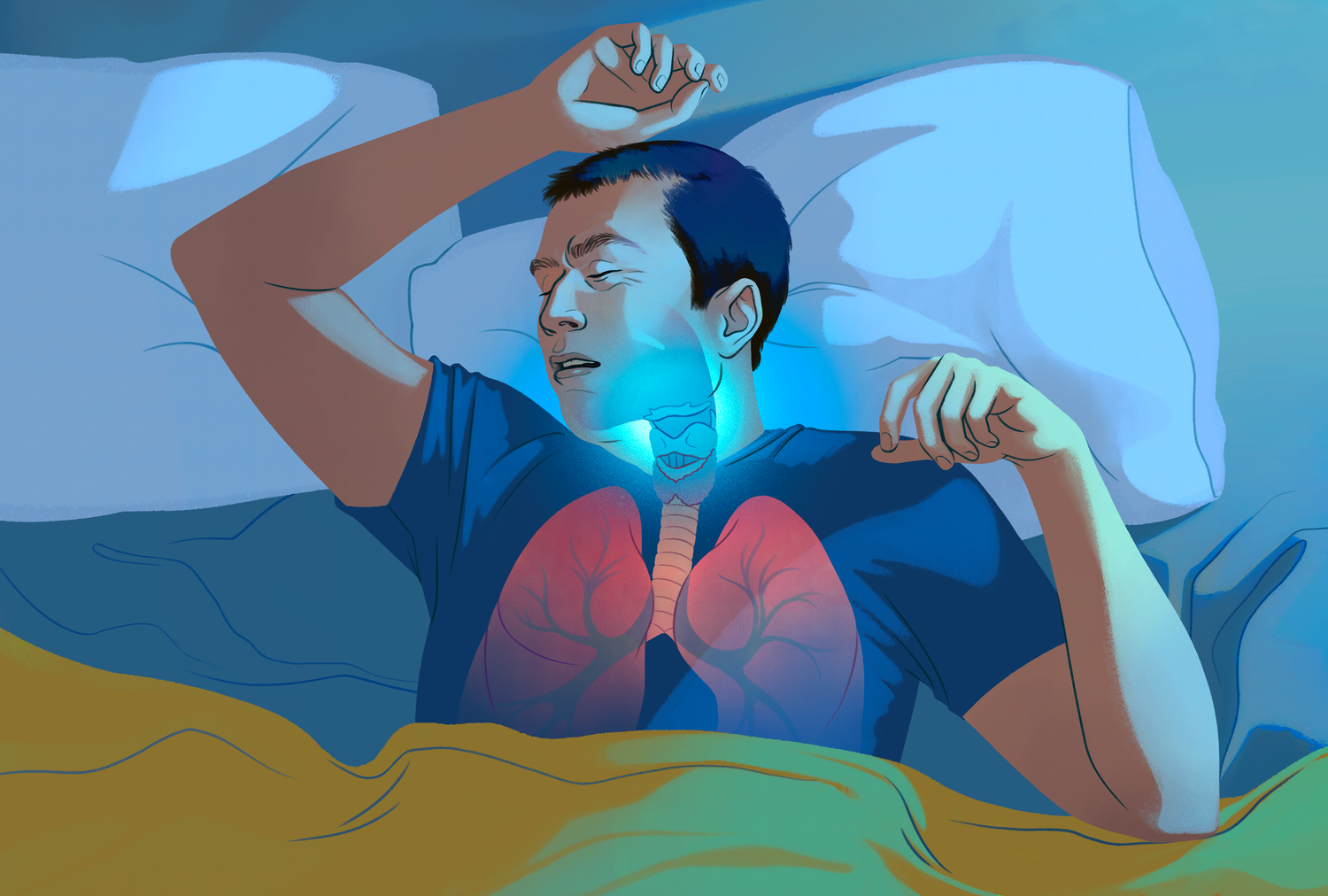
This diagnostic gap exists because obstructive sleep apnea signs are often subtle or occur only while we are unconscious. We might notice we are more irritable or that our focus isn't what it used to be, but we rarely connect these dots to our breathing. Obstructive sleep apnea occurs when an upper airway obstruction prevents air from reaching the lungs, leading to repeated bouts of oxygen desaturation. This process wreaks havoc on your sleep architecture, preventing you from reaching the deep, restorative stages of sleep required for long-term wellness.
The Observer vs. The Patient: Recognizing the Signs
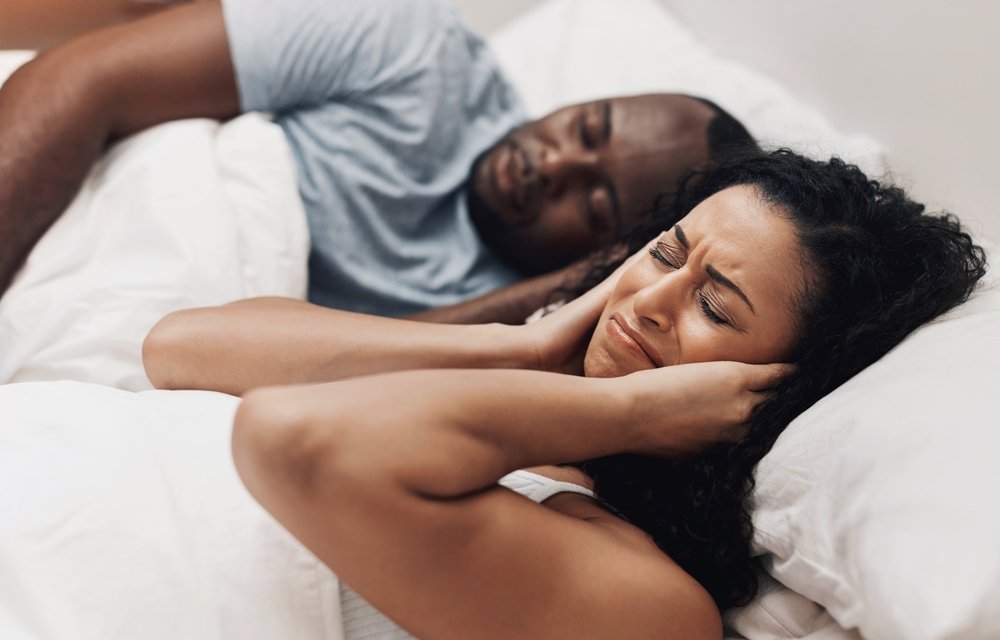
One of the most effective ways to identify the problem is through the "third-party observer" perspective. Often, it is a bed partner who first notices the most alarming Sleep Apnea Symptoms. They may describe periods of silence followed by a sudden gasp or choking sound. This is literally the body fighting for air.
There is a distinct difference between loud snoring and obstructive sleep apnea. While almost everyone with sleep apnea snores, not everyone who snores has sleep apnea. Benign snoring is usually rhythmic and consistent. In contrast, sleep apnea involves interrupted breathing patterns.
| Feature | Primary Snoring | Obstructive Sleep Apnea |
|---|---|---|
| Breathing Pattern | Consistent and rhythmic | Interrupted by pauses and gasps |
| Daytime Energy | Usually normal | Chronic excessive daytime somnolence |
| Morning Feeling | Refreshed | Waking up with a headache and dry mouth |
| Waking Up | Rare mid-sleep gasping | Frequent gasping or choking for air |
Patients themselves often experience what we call nocturnal polyuria, or frequent nighttime urination. When the heart is under pressure from the lack of oxygen, it releases a hormone that signals the kidneys to produce more urine. This, combined with cognitive impairment and a persistent morning headache, forms a clinical picture that demands attention.
The Physiological Toll: Why It Matters
Every time your airway collapses, your brain experiences micro-arousals. You may not remember waking up, but these "jolts" prevent your nervous system from resting. This constant state of fight-or-flight triggers systemic inflammation and stress.
Untreated obstructive sleep apnea is associated with significant long-term health risks, including hypertension and other cardiovascular comorbidities. The effects of untreated OSA are not merely limited to feeling tired; they are life-altering. Research indicates that untreated sleep apnea is associated with a 300% increase in all-cause mortality risk and makes a person four times more likely to die in the long term if the condition is moderate to severe.
The resulting sleep fragmentation often leads to memory issues, decreased libido, and a general decline in mental health. Chronic daytime somnolence can also impact occupational safety and overall quality of life.
Who Is at Risk? Beyond the Stereotype
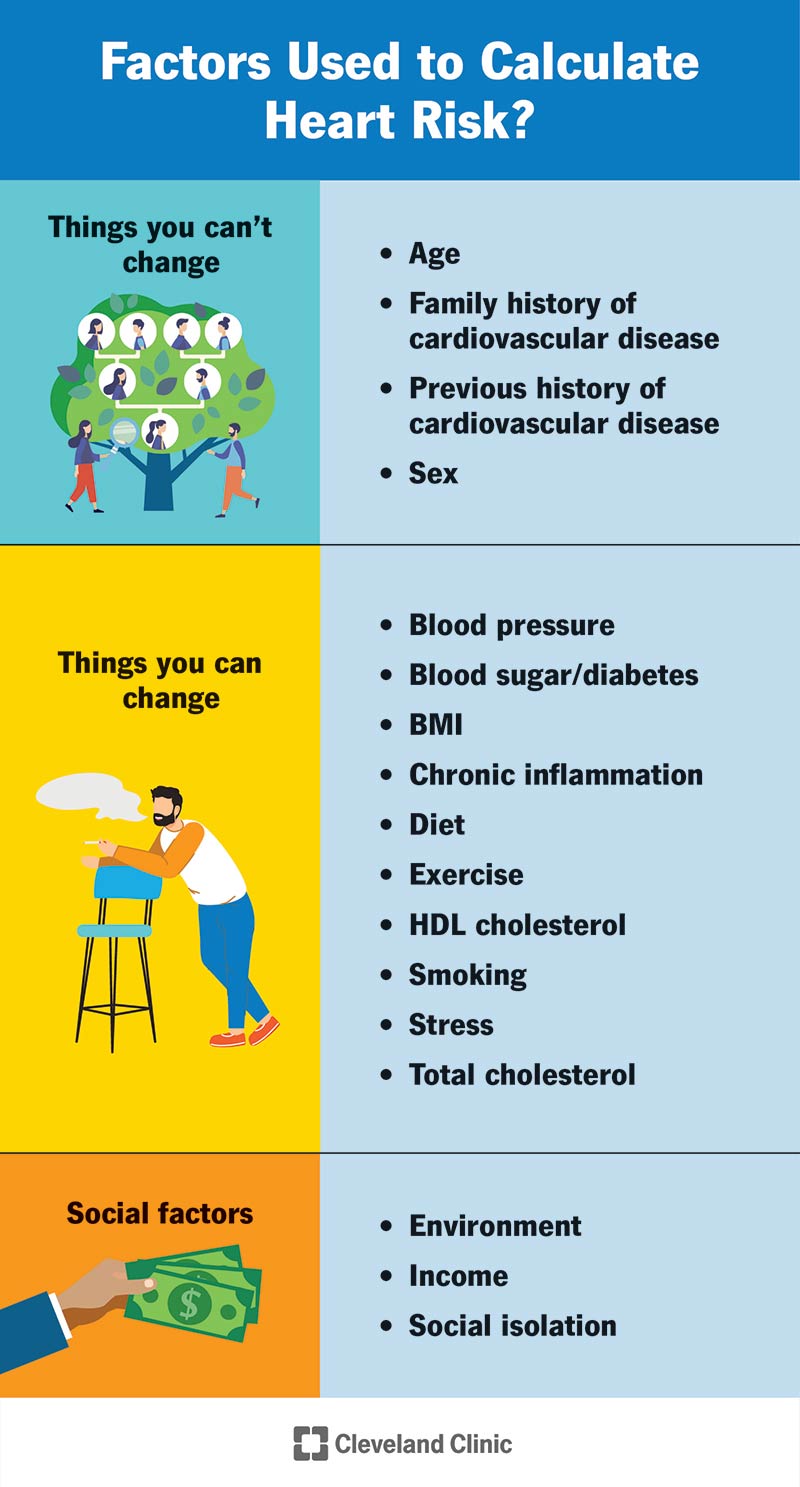
While the classic image of a sleep apnea patient is an older, overweight male, the reality is far more diverse. High BMI and a large neck circumference are indeed primary risk factors, as the extra tissue can contribute to airway collapse. However, we must look beyond these stereotypes.
For women, the risk of developing Sleep Apnea Symptoms increases significantly after menopause due to hormonal shifts that affect muscle tone in the throat. Additionally, individuals with certain anatomical features, such as a narrow throat or a recessed chin, can experience severe obstructions regardless of their weight. It is crucial to monitor these obstructive sleep apnea signs in all demographics, as the long term effects of untreated obstructive sleep apnea remain equally dangerous for everyone.
When to See a Sleep Specialist
If you find yourself coping with daytime sleepiness from sleep apnea by consuming excessive caffeine or taking unplanned naps, it is time to seek professional help. A specialist can help you determine if your symptoms warrant a formal evaluation. One common tool used for self-assessment is the Epworth Sleepiness Scale, which measures how likely you are to doze off during daily activities.
You should consider seeing a sleep specialist if you experience witnessed episodes of stopped breathing during sleep or if morning headaches and irritability persist for several weeks. Ignoring these signs can have immediate dangers; individuals with untreated sleep apnea are twice as likely to be involved in motor vehicle accidents compared to those who do not have the condition.
The diagnostic process typically involves polysomnography, a comprehensive overnight sleep study that monitors brain waves, oxygen levels, and heart rate. In many cases, a home sleep apnea test may be an option to calculate your Apnea-Hypopnea Index. If diagnosed, CPAP therapy remains the gold standard for treatment, keeping the airway open and restoring healthy sleep patterns.
FAQ
What are the 3 main symptoms of sleep apnea?
The three hallmark symptoms are loud and frequent snoring, witnessed pauses in breathing (gasping or choking), and excessive daytime sleepiness. These are the most common clinical indicators that the airway is being obstructed during the night.
How do I know if I have sleep apnea or just snoring?
While snoring is a vibration of the throat tissues, sleep apnea involves an actual cessation of airflow. If your snoring is interrupted by silence followed by a gasp, or if you feel exhausted despite spending eight hours in bed, it is likely more than just simple snoring.
What are the silent symptoms of sleep apnea?
Silent symptoms often include waking up with a very dry mouth or sore throat, frequent trips to the bathroom at night (nocturnal polyuria), morning headaches, and a lack of mental clarity or "brain fog" during the day.
Can sleep apnea cause high blood pressure?
Yes, sleep apnea is a major cause of secondary hypertension. The repeated drops in blood oxygen levels cause the nervous system to release stress hormones, which constrict blood vessels and increase heart rate, leading to chronically high blood pressure.
What are the warning signs of sleep apnea in women?
Women may not always present with loud snoring. Instead, they often report insomnia, fatigue, anxiety, or depression. After menopause, the risk increases, and symptoms may become more similar to the traditional snoring and gasping seen in men.
Is morning headache a sign of sleep apnea?
Yes, morning headaches are a very common sign. They are typically caused by the buildup of carbon dioxide in the bloodstream and the lack of oxygen reaching the brain during the night due to repeated breathing interruptions.