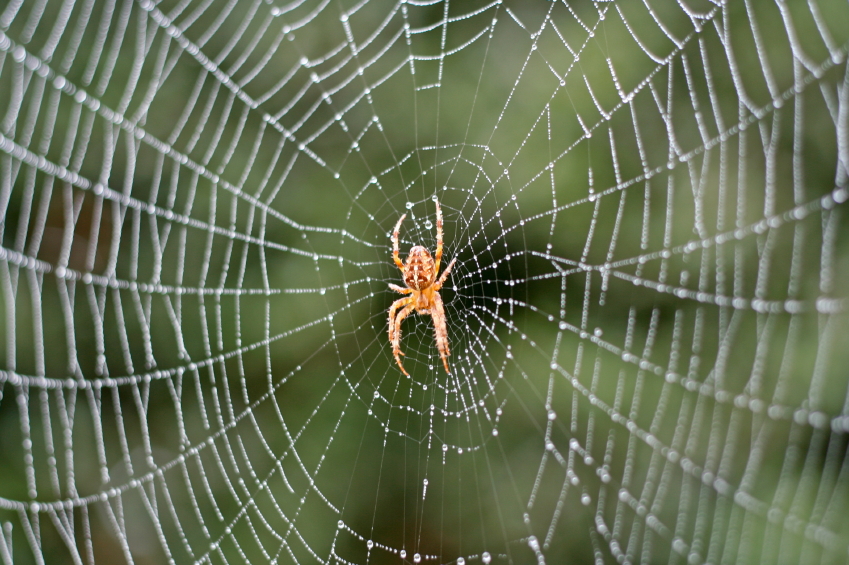
Quick Facts
- Healing Time: Most minor bites resolve naturally within 24 to 48 hours.
- Success Rate: Approximately 90% of all spider bites are minor and heal without major medical intervention.
- The CARE Protocol: A four-step method involving Clean, Apply Ice, Relief, and Elevate.
- Primary Remedies: Baking soda paste, raw honey, and aloe vera gel provide natural relief.
- Safety Stat: Fewer than three deaths from spider bites are estimated to occur annually in the United States.
- Risk Assessment: About 90% of brown recluse spider bites do not result in severe reactions or significant skin necrosis.
Discovering a small, red, itchy bump on your skin can be unsettling, especially if you suspect a local spider has paid you a visit. However, the first step in spider bite treatment at home is to remain calm and recognize that the vast majority of these encounters are harmless. To treat a minor spider bite at home, immediately clean the area with mild soap and water, apply ice for 10-15 minutes, and elevate the limb to reduce localized inflammation. Most minor bites from common Arachnid species heal within 24-48 hours with basic wound management.
Spider Bite Identification
Learning how to identify minor spider bites at home can significantly reduce your stress levels. In the world of preventive healthcare, we emphasize that anxiety often causes more physical discomfort than a minor bite itself. Most spiders found in residential areas are not aggressive and their venom is designed for small prey, not humans. A typical minor bite looks similar to a bee sting or a mosquito bite—a raised, red welt that may feel slightly warm or itchy.
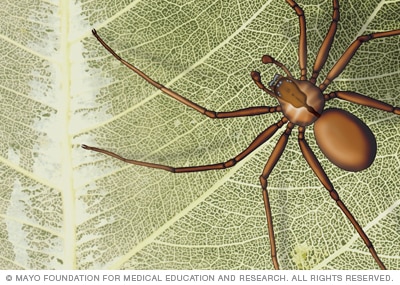
However, it is essential to distinguish these harmless nibbles from the few medically significant spiders in North America. The two primary species to watch for are the Black Widow and the Brown Recluse. A Black Widow is usually identified by its shiny black body and a bright red "hourglass" marking on its abdomen. Their bites may cause muscle aches or cramping. The Brown Recluse is famous for its "violin" shape on the upper body, near the legs.
It is also important to differentiate a bite from other skin issues. Often, what people assume is a spider bite is actually a localized skin infection like Staph or MRSA, which requires different care. A true spider bite usually has two tiny puncture marks, though these can be hard to see without a magnifying glass. If the area begins to develop necrotic lesions—where the skin in the center turns dark purple or black—this is a sign that the bite is not minor and requires professional attention.
| Spider Type | Key Identification Markings | Common Localized Symptoms |
|---|---|---|
| Common House Spider | Brown or grey, no distinct patterns | Mild redness, slight itching |
| Black Widow | Shiny black, red hourglass on abdomen | Sharp pain, muscle stiffness |
| Brown Recluse | Light brown, violin shape on thorax | Initial sting followed by a "bullseye" blister |
| Wolf Spider | Large, hairy, grey/brown | Significant localized inflammation and pain |
Immediate First Aid (The CARE Protocol)
Once you have determined that the bite is localized and not a medical emergency, you should follow the CARE protocol. This structured approach to wound management ensures that you address the immediate pain while preventing secondary complications like infection.
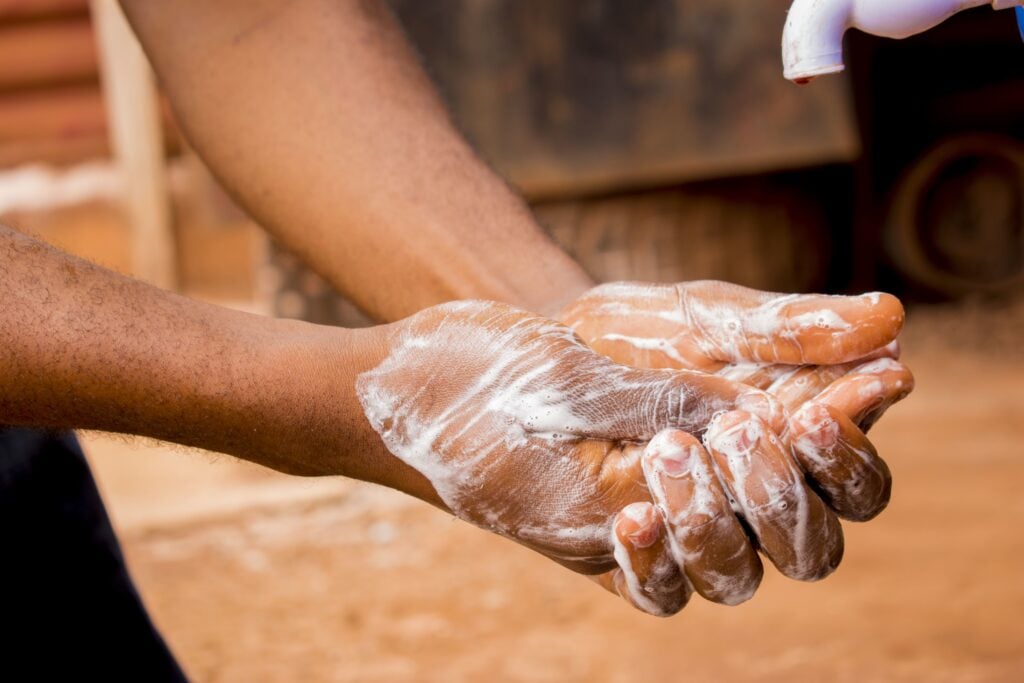
The first phase is Antiseptic cleaning. Use lukewarm water and a very mild, fragrance-free soap. Do not scrub the area, as this can irritate the skin and potentially push venom deeper into the tissue. Gently pat the area dry with a clean towel. This simple step is the most effective way to prevent the bacteria on your skin from entering the puncture site.
The second phase involves an ice pack application schedule for spider bites. Cold therapy is incredibly effective at reducing spider bite swelling and numbing the nerve endings to provide immediate comfort. Wrap a few ice cubes or a cold gel pack in a thin cloth; never apply ice directly to the skin, as this can cause frostbite. Follow a cycle of 10 to 15 minutes of application, followed by 45 minutes of rest. This timing allows the tissue to recover between cooling sessions while keeping the inflammation in check.

Finally, how to clean a spider bite safely concludes with elevation. If the bite is on an arm or leg, keeping the limb elevated at a 30-45 degree angle above the level of your heart is vital. This uses gravity to help fluid drain away from the site, which reduces the throbbing sensation and minimizes localized inflammation.

Natural Home Remedies for Symptom Relief
After the initial CARE protocol, you can look to your pantry for home remedies for spider bites that soothe the skin and encourage faster healing. These holistic options are often preferred over harsh chemicals for minor irritations because they work with the body's natural recovery processes.
A baking soda paste for spider bite treatment is one of the most reliable methods for neutralizing the acidity of some venoms and providing pruritus relief. To make this, mix three parts baking soda with one part water until it forms a thick, spreadable consistency. Apply it directly to the bite and let it sit for 5 to 10 minutes before rinsing. This simple topical poultice draws out toxins and significantly reduces the urge to scratch.
If you are concerned about preventing infection, using honey for spider bite antibacterial care is a centuries-old wisdom backed by modern science. Raw, medical-grade honey or Manuka honey contains enzymes that produce a mild hydrogen peroxide effect, keeping the wound sterile. Simply dab a small amount on the bite and cover it with a loose bandage.
For those struggling with persistent itching and redness, aloe vera gel for spider bite itch relief is a cooling savior. Pure aloe vera contains salicylates and polysaccharides that reduce inflammation. You can also consider witch hazel, a natural astringent, to help dry out any small blisters and calm the skin. Some people find that specific essential oils, such as lavender or tea tree oil, can help, provided they are diluted in a carrier oil like coconut or jojoba oil to avoid further skin sensitivity.
- Baking Soda Paste: 3:1 ratio of soda to water. Apply for 10 mins to neutralize sting.
- Aloe Vera: Use pure gel from a leaf for its anti-inflammatory properties.
- Raw Honey: A natural antiseptic to prevent bacterial growth.
- Witch Hazel: Apply with a cotton ball for cooling pruritus relief.
When to Seek Urgent Medical Attention
While we emphasize home care for minor incidents, part of preventive health is knowing when the situation has exceeded your expertise. You should always be vigilant for a systemic reaction monitoring. If the venom affects more than just the skin where the bite occurred, it is time to seek professional help.
Specific signs a spider bite needs urgent medical attention include difficulty breathing, a rapid heart rate, dizziness, or swelling of the face and throat. These are signs of an allergic sensitivity or an anaphylactic reaction, which is a medical emergency. Additionally, if you see a red line or "streaking" extending away from the bite, or if the redness is spreading rapidly, this could indicate a spreading infection or cellulitis.
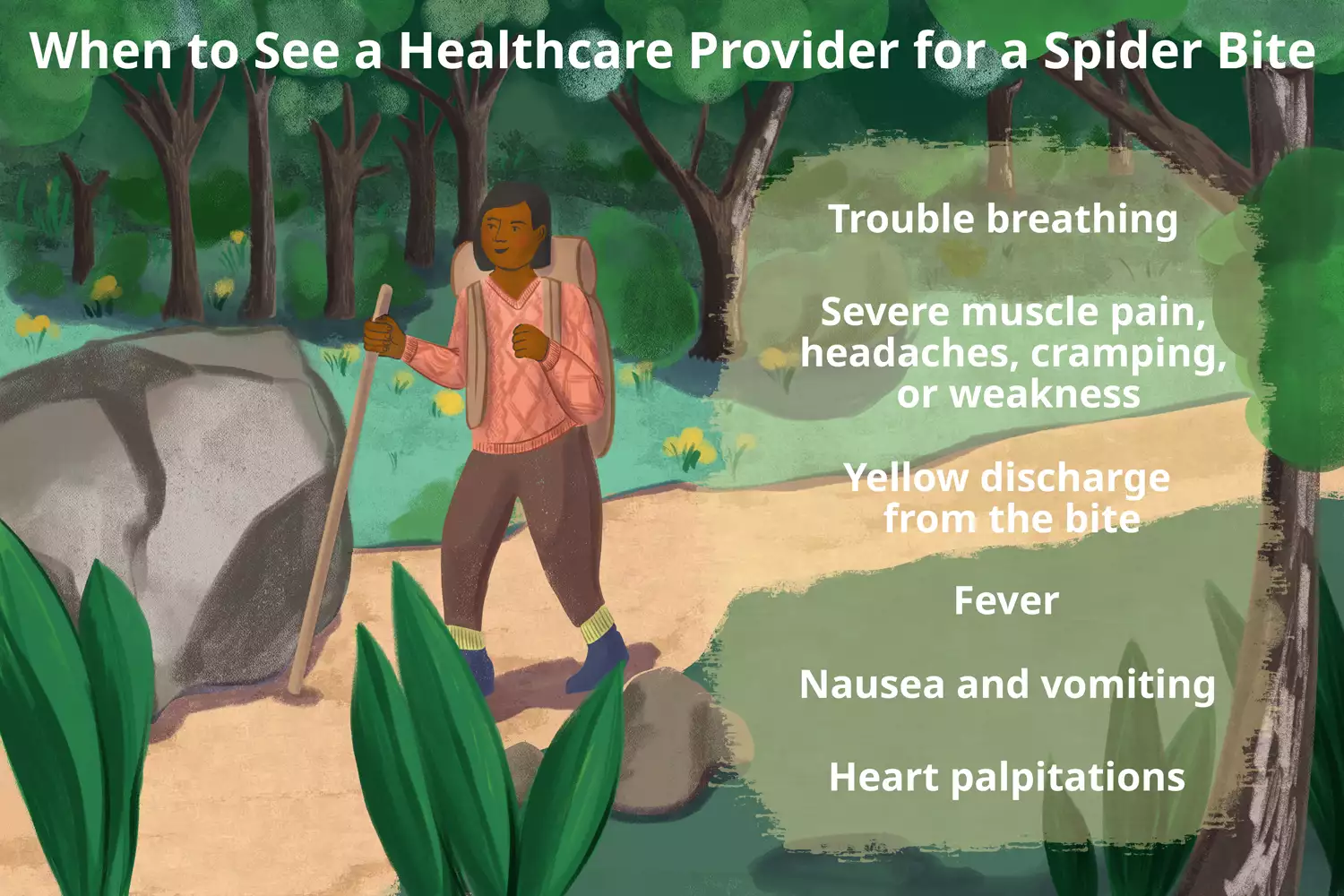
Special care should be taken for first aid for spider bites in children and elderly individuals. Their immune systems may react more intensely to venom, and they may be less able to communicate their symptoms accurately. If a child becomes unusually lethargic or develops a high fever following a suspected bite, a pediatric consultation is necessary.
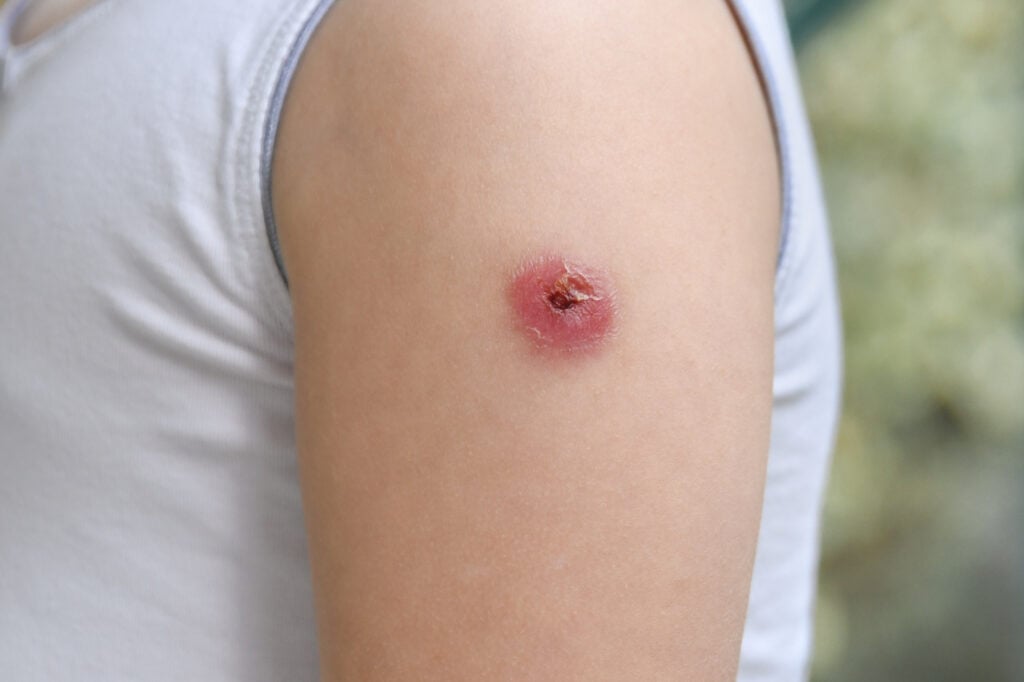
Red Flag Warning: Never attempt to "cut" the bite or "suck out" the venom. These are outdated myths that can cause severe tissue damage and introduce dangerous bacteria into the bloodstream. Avoid using high-pressure suction devices, as they are largely ineffective for spider bites and can worsen localized inflammation.
Preventive Habits: Securing Your Space
As a lifestyle editor, I believe the best spider bite treatment is prevention. Most spiders prefer dark, undisturbed areas. You can reduce the risk of future bites by practicing simple household habits:
- Declutter the Sanctuary: Spiders love cardboard boxes and piles of clothes. Switch to plastic storage bins with airtight lids to eliminate nesting spots.
- Seal the Perimeter: Check for cracks around windows and doors. Use caulk to seal small entries where Arachnid species might wander inside during seasonal changes.
- The Shake-Out Routine: If you are pulling boots or gardening gloves out of a garage or shed, always shake them out vigorously before putting them on.
- Natural Repellents: Spiders are sensitive to certain scents. Spraying a mixture of water and peppermint oil around baseboards and window sills can act as a gentle, natural deterrent.
FAQ
What is the best first aid for a spider bite?
The most effective first aid is the CARE protocol: Clean the area with mild soap, Apply a cold compress for 10-15 minutes, use natural remedies for Relief (like baking soda), and Elevate the limb to reduce fluid buildup. This approach manages both the pain and the potential for infection.
How can you tell if a spider bite is serious?
A bite is serious if it moves beyond localized redness and itching. Look for systemic symptoms like fever, chills, body aches, or a "bullseye" pattern around the wound. If the center of the bite becomes dark or a large ulcer forms, it requires immediate medical evaluation.
When should you go to the ER for a spider bite?
Seek emergency care if you experience a systemic reaction such as trouble breathing, chest pain, or swelling of the tongue. You should also go to the ER if you suspect a bite from a Black Widow or Brown Recluse and begin to feel intense muscle cramping or see necrotic skin changes.
How do you treat a spider bite at home?
Minor spider bite treatment at home involves antiseptic cleaning followed by intermittent icing and elevation at a 30-45 degree angle. You can then apply natural home remedies for spider bite swelling such as a baking soda paste or aloe vera gel to manage itching and irritation while the body heals.
What are the symptoms of a venomous spider bite?
Symptoms of a medically significant venomous bite can include severe pain at the site that spreads to the abdomen or back, muscle tremors, sweating, nausea, and a high heart rate. In the case of a recluse spider, you may see a blister that turns into a dark, sinking sore.
In most cases, a spider bite is simply a small bump in the road of your daily wellness routine. By staying calm, using the CARE protocol, and applying these natural remedies, you can manage the discomfort effectively at home. Remember that your body is incredibly resilient, and with a little bit of evidence-based self-care, you’ll be back to your routine in no time.