Quick Facts
- The Quality Gap: Waking up tired after a full night's rest often indicates poor sleep quality rather than a lack of total hours.
- The Rested Reality: According to the CDC's 2024 National Health Interview Survey, only 54.8% of U.S. adults report waking up feeling well-rested on average.
- Impact on Life: A 2024 survey by the American Academy of Sleep Medicine found that nearly 80% of Americans report that daytime sleepiness negatively interferes with their productivity, mood, or personal relationships.
- Common Frequency: Research from the National Sleep Foundation indicates that approximately 50% of American adults experience persistent daytime sleepiness between three and seven times per week.
- Biological Culprits: Fragmented sleep patterns, obstructive sleep apnea, or high adenosine levels can prevent the body from reaching restorative deep sleep stages.
- Environmental Triggers: Blue light exposure and caffeine intake disrupt the circadian rhythm and melatonin secretion, keeping you in lighter sleep stages.
Waking up tired after a full night's rest often indicates poor sleep quality rather than a lack of total hours. Factors like fragmented sleep patterns, obstructive sleep apnea, or high adenosine levels can prevent the body from reaching restorative deep sleep stages. Environmental issues, such as blue light exposure or caffeine intake, also disrupt the circadian rhythm and melatonin secretion, making it difficult to achieve the restorative sleep your body needs for recovery.
Quality vs. Quantity: The Phone Charger Analogy
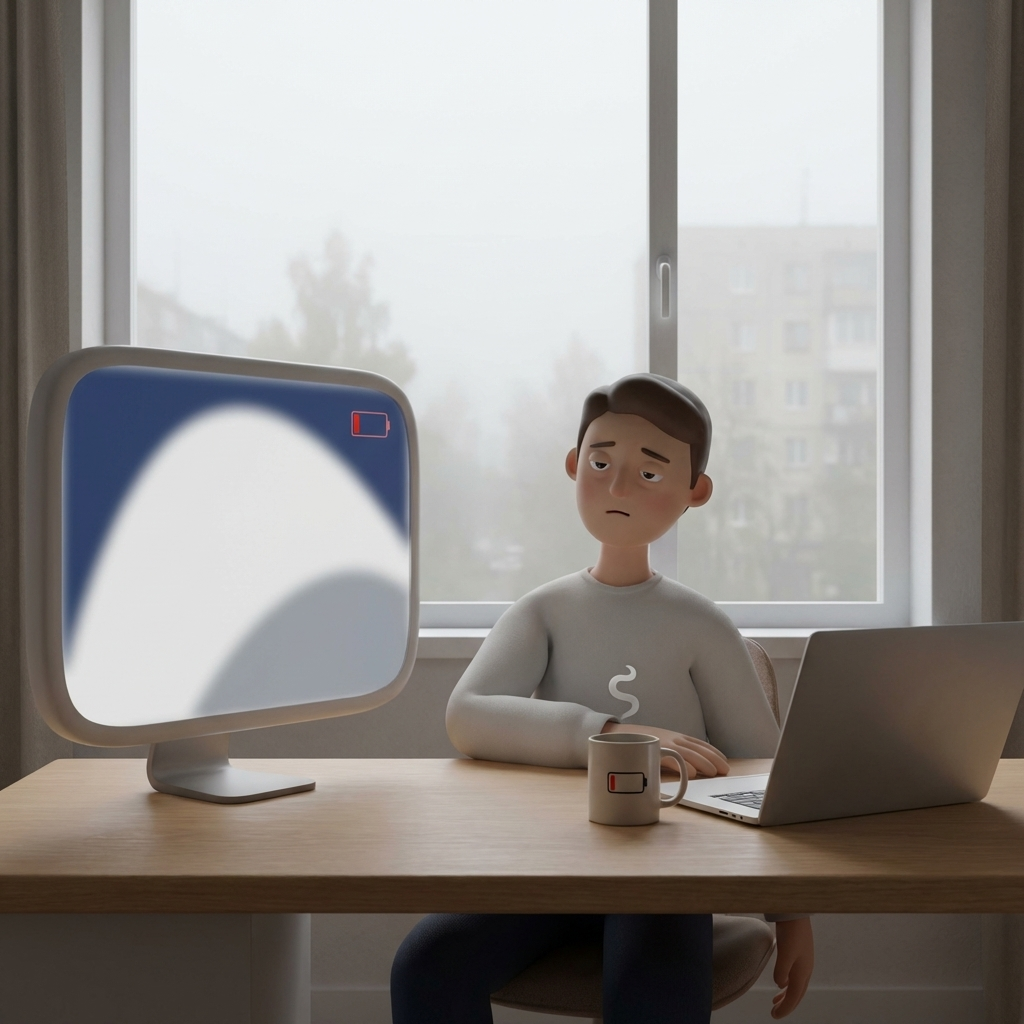
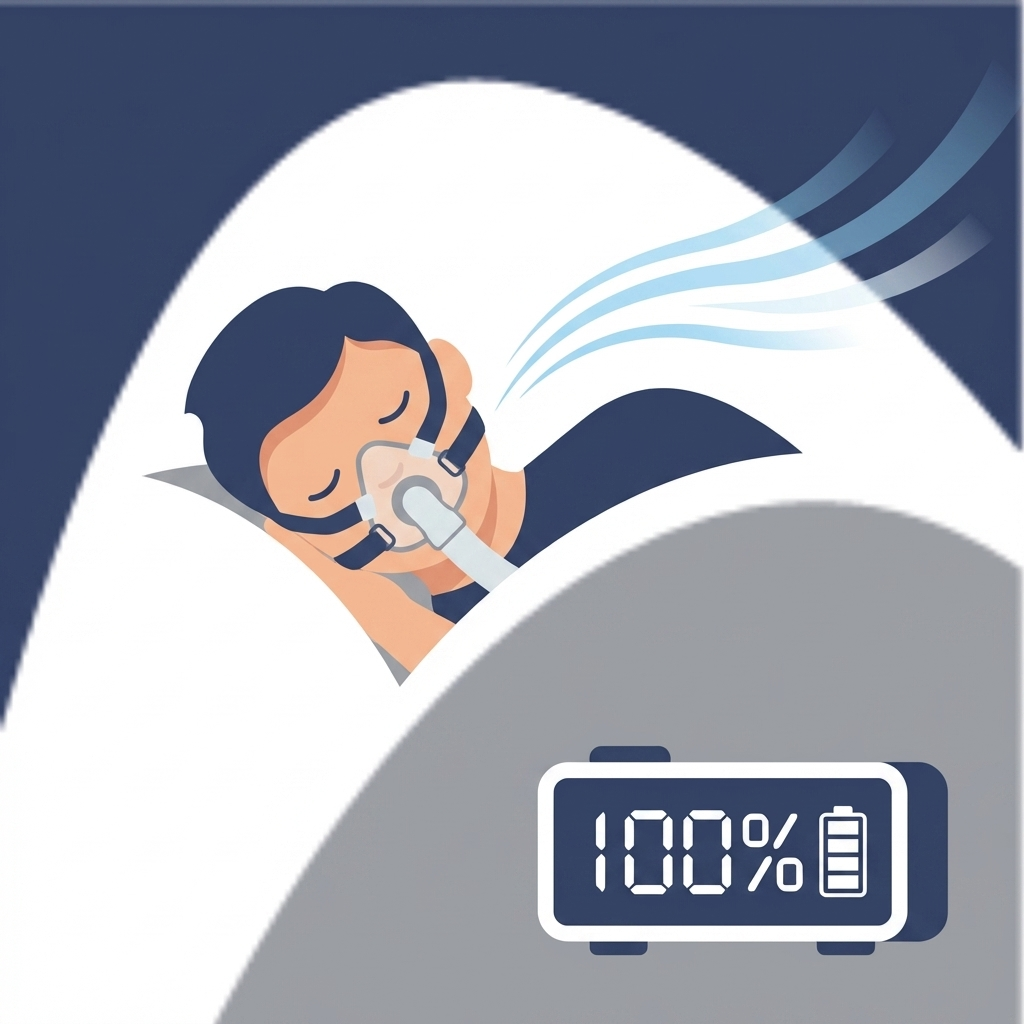
When we talk about wellness, we often fixate on the magic number eight. We assume that if we are in bed for eight hours, we have satisfied our biological requirement. However, as a preventive healthcare expert, I often ask my clients to consider the phone charger analogy. Imagine you plug your smartphone in for the entire night. If the charging cable is frayed or the port is filled with lint, you might wake up to a battery that is only at 40%, even though it was plugged in for the full duration.
Your body operates in a similar fashion. The total time spent in bed represents the quantity, but the efficiency of the charge represents your sleep quality. To feel truly refreshed, your brain must move through a specific sleep architecture consisting of various stages. This includes light sleep, slow-wave sleep (often called deep sleep), and rapid eye movement (REM) sleep.
Slow-wave sleep is where the physical heavy lifting happens—tissue repair, immune system strengthening, and growth hormone release. REM sleep, on the other hand, is essential for cognitive functions like memory consolidation and emotional regulation. If your sleep is fragmented, your brain is constantly forced back to the lighter stages, preventing you from ever reaching those deep, restorative levels. This is why understanding the signs of poor sleep quality vs quantity is the first step toward reclaiming your energy.
Diagnostic Checklist: Signs You Aren't Getting Restorative Sleep
If you are consistently getting the recommended seven to nine hours of rest but still feel like you are running on empty, you are likely dealing with one of the many causes of waking up tired after 8 hours sleep. Recognizing the symptoms is key to making the right lifestyle adjustments.
Poor sleep quality manifests in both your nighttime behavior and your daytime performance. It isn't just about feeling a little bit drowsy; it’s about a persistent state of daytime somnolence that colors every interaction and task.
Nighttime Indicators:
- Taking more than 30 minutes to fall asleep (long sleep latency).
- Waking up more than once during the night for long periods.
- Tossing and turning or feeling restless.
- Snoring loudly or gasping for air (potential signs of obstructive sleep apnea).
Daytime Indicators:
- Waking up feeling unrefreshed or "heavy."
- Relying heavily on caffeine to function before noon.
- Feeling irritable or emotionally reactive.
- Struggling with brain fog or a lack of focus.
- Falling asleep during passive activities, like watching a movie or sitting in a meeting.

Environmental & Biological Disruptors
Achieving restorative sleep is often a battle against modern convenience. Our biological systems are fine-tuned to the rising and setting of the sun, yet we live in a world of perpetual artificial light and chemical stimulants. To improve your sleep architecture, you must address both internal and external disruptors.
One of the most significant biological disruptors is the way we manage adenosine levels. Adenosine is a chemical that builds up in your brain throughout the day, creating "sleep pressure." Caffeine doesn't actually remove adenosine; it simply blocks the receptors. When the caffeine wears off, the adenosine is still there, often leading to a crash. More importantly, caffeine has a half-life of about five to six hours. If you have a cup of coffee at 4:00 PM, half of that caffeine is still circulating in your system at 10:00 PM, interfering with your ability to enter deep sleep.
Similarly, alcohol is often used as a "nightcap" because it helps people fall asleep faster. However, alcohol is a major disruptor of REM sleep and causes fragmented rest as the body metabolizes it in the middle of the night.
| Substance | Common Myth | Biological Fact |
|---|---|---|
| Alcohol | Helps you sleep better through the night. | Suppresses REM sleep and causes frequent micro-awakenings. |
| Caffeine | Only affects you if you drink it right before bed. | Has a long half-life; can disrupt deep sleep stages 6-10 hours later. |
| Melatonin Supplements | A safe, permanent fix for insomnia. | Best used for short-term rhythm resets; can disrupt natural melatonin secretion if overused. |
Then there is the issue of blue light suppression. Our devices emit a specific wavelength of light that mimics the sun, signaling the brain to stop its melatonin secretion. This delays our internal clock and makes the transition to sleep much harder. Many people suffer from "revenge bedtime procrastination," where they use late-night scrolling as a way to reclaim personal time, unknowingly sacrificing their sleep quality.
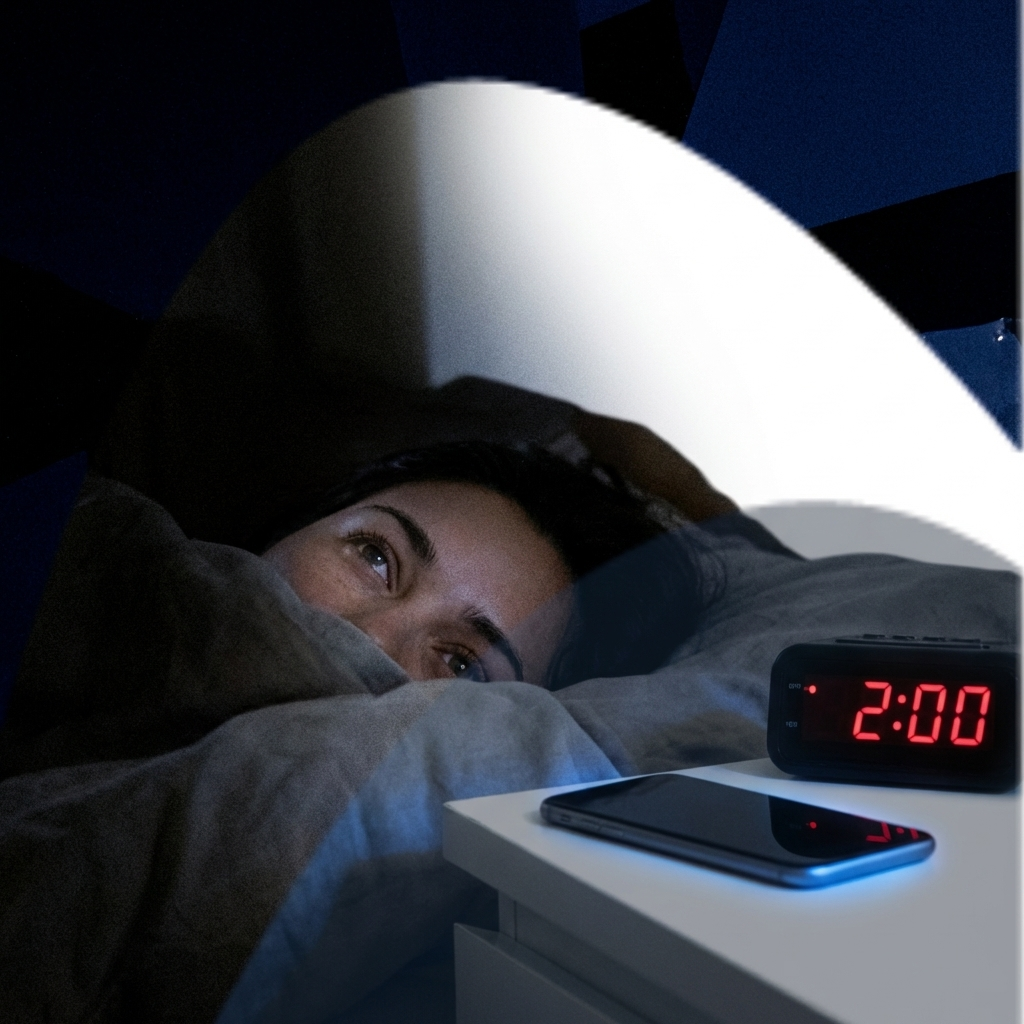
Lily’s Technical Tip: Taming Your Smartphone Most modern smartphones have built-in features to reduce blue light. On an iPhone, go to Settings > Display & Brightness > Night Shift. You can schedule this to turn on automatically from sunset to sunrise. While it isn't a perfect fix, shifting the screen to a warmer hue reduces the intensity of blue light suppression.
Actionable Solutions: Beyond Basic Hygiene
Improving sleep isn't just about what you do in the hour before bed. It involves a holistic approach that includes daytime habits that improve night sleep quality. By regulating your circadian rhythm, you help your body understand exactly when it should be alert and when it should be recovering.

To learn how to achieve more restorative sleep naturally, consider these three domains of sleep hygiene practices:
1. Optimizing Your Sensory Environment
Your bedroom should be a sanctuary for rest. The ideal conditions for high sleep quality are cool, dark, and quiet.
- Temperature: Aim for a room temperature between 60 and 67 degrees Fahrenheit. A slight drop in core body temperature is a biological trigger for sleep.
- Light: Use blackout curtains or an eye mask to ensure total darkness. This supports the natural release of melatonin.
- Sound: If you live in a noisy area, use a white noise machine to drown out disruptive sounds that might cause fragmented sleep.
2. Routine and Circadian Consistency
Consistency is the most powerful tool for sleep health. Try to maintain a steady wake-sleep schedule, even on weekends. Waking up at the same time every day helps anchor your circadian rhythm. Additionally, seeking out natural sunlight within 30 minutes of waking up helps suppress melatonin in the morning and sets the timer for its release later that evening.
3. Substances and Timing
Be mindful of what you consume and when. Try to finish your last meal at least two to three hours before bed to prevent indigestion from keeping you in light sleep. Similarly, limit fluid intake in the evening to reduce the need for nighttime bathroom trips.
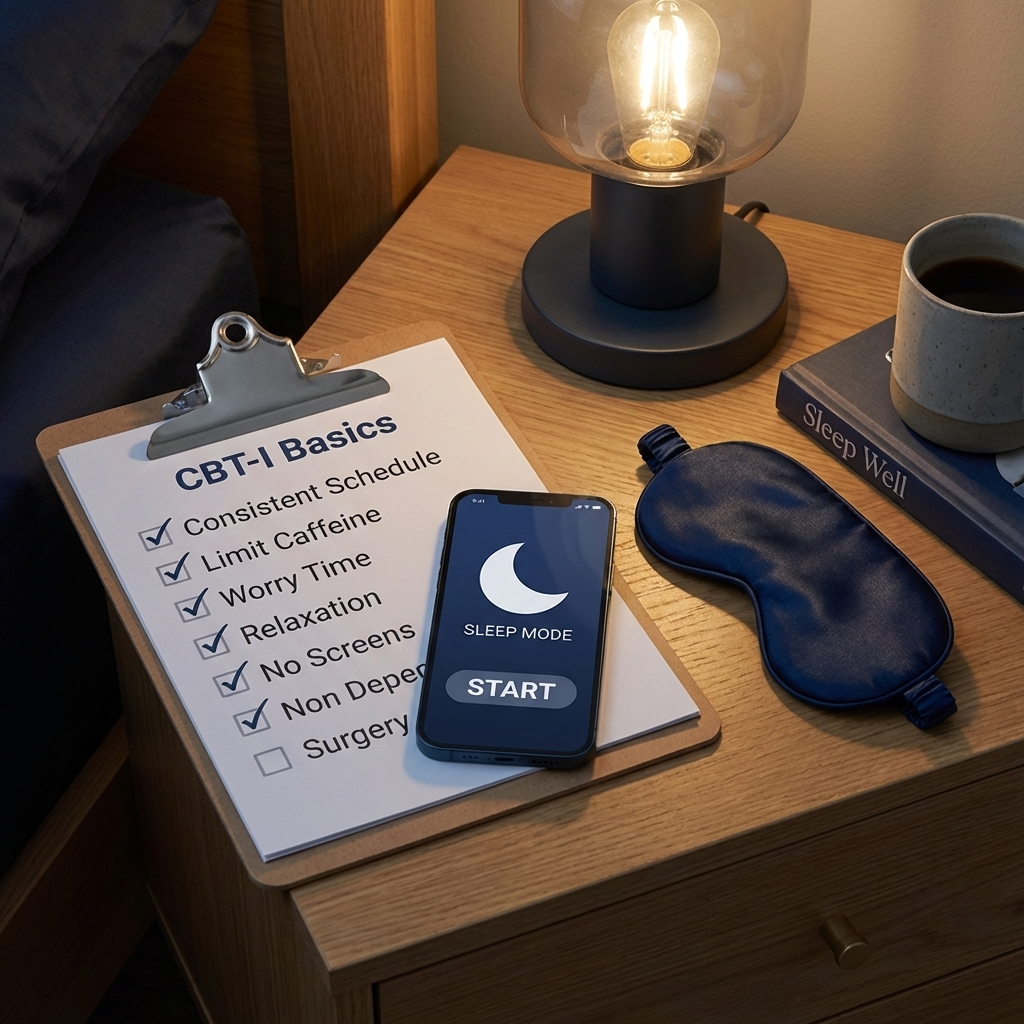
For those who have tried basic lifestyle changes without success, specialized therapies like Cognitive Behavioral Therapy for Insomnia (CBT-I) are considered the gold standard. CBT-I addresses the thoughts and behaviors that prevent sleep and is often more effective than medication for long-term improvement.
FAQ
What are the signs of poor sleep quality?
Signs of poor sleep include feeling unrefreshed after a full night’s rest, frequent nighttime awakenings, and experiencing daytime somnolence. You might also notice irritability, difficulty concentrating, and a heavy reliance on stimulants like caffeine to stay alert throughout the day.
Is sleep quality more important than quantity?
Both are vital, but quality is often the missing piece of the puzzle. You can sleep for nine hours, but if that sleep is fragmented and you never reach the slow-wave sleep or REM stages, your body and brain will not recover. High-quality sleep for six hours is often more restorative than nine hours of very light, interrupted sleep.
How can I measure my sleep quality at home?
While medical-grade sleep studies are the most accurate, you can monitor your sleep quality using wearable tech or a simple sleep diary. Look for trends in your sleep latency (how long it takes to fall asleep) and how many times you wake up. The most reliable "metric" is how you feel 30 minutes after waking up and your energy levels in the mid-afternoon.
What factors affect sleep quality the most?
The primary disruptors include caffeine and alcohol consumption, high levels of stress, and blue light suppression of melatonin from screens. Medical conditions like obstructive sleep apnea and environmental factors like a room that is too warm or too bright also significantly lower sleep quality.
What is the best way to improve sleep quality?
The most effective approach is maintaining consistent sleep hygiene practices, such as keeping a regular wake-sleep schedule and optimizing bedroom environment for better sleep quality. Addressing daytime habits, like limiting caffeine to the morning hours and getting natural sunlight early in the day, is also essential for a healthy circadian rhythm.
The journey to better health starts with a single night of restorative sleep. If you have implemented these practical sleep hygiene practices for busy adults and still find yourself exhausted, I encourage you to track your sleep for a week and consult with a healthcare professional. Persistent fatigue is often the body's way of asking for a more targeted intervention, and prioritizing your rest is the ultimate act of self-care.