Quick Facts
- Risk Multiplier: Severe obstructive sleep apnea is an established independent risk factor for stroke that is estimated to confer an approximately two-fold increased risk of incident stroke.
- Prevalence: Clinical studies and meta-analyses indicate that approximately 70% of patients who have experienced a stroke or transient ischemic attack also have sleep apnea.
- Gender Disparity: Moderate to severe obstructive sleep apnea has been shown to increase the risk of ischemic stroke by as much as three times in men.
- The Wake-Up Factor: About 25% of strokes occur during sleep or immediately upon waking, pointing to sleep-disordered breathing as a likely trigger.
- The AHI Scale: Every 1-unit increase in the Apnea-Hypopnea Index correlates to a 6% higher risk of developing cardiovascular complications.
- Primary Prevention: Consistent CPAP therapy can reduce nocturnal hypertension and stabilize oxygen levels, significantly lowering long-term vascular risk.
Sleep apnea stroke connection is a critical health concern. Did you know that moderate to severe obstructive sleep apnea can increase your stroke risk by up to four times? Understanding the cardiovascular impact is the first step toward prevention. Sleep apnea increases stroke risk through intermittent hypoxia and nocturnal hypertension. Frequent breathing pauses during sleep trigger the sympathetic nervous system, causing blood pressure fluctuations and oxidative stress. These factors damage blood vessels and promote carotid atherosclerosis, significantly raising the likelihood of an ischemic stroke.
The Biological Link: How OSA Impacts the Heart and Brain
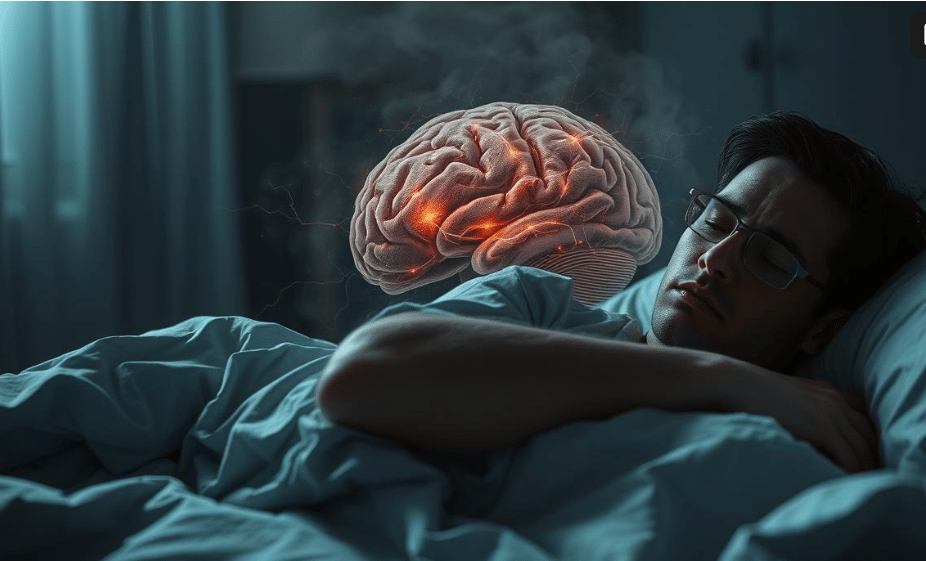
When we talk about preventive healthcare, we often focus on what we do while we are awake—our diet, our exercise, and our stress levels. However, as a lifestyle editor, I cannot emphasize enough that what happens while you are unconscious is just as vital. Obstructive sleep apnea (OSA) is not merely a "snoring problem." It is a systemic vascular challenge. When your airway collapses during sleep, your body enters a state of panic. This repetitive cycle of stopping and starting breath leads to intermittent hypoxia, a condition where blood oxygen levels plummet and then rapidly rise.
This oxygen roller coaster triggers sympathetic nervous system activation. Instead of the restorative "rest and digest" state sleep should provide, your body remains in a "fight or flight" mode. This results in significant blood pressure fluctuations throughout the night. Over time, this leads to nocturnal hypertension, where your blood pressure remains high during the hours it should naturally drop. This constant pressure on the arterial walls causes endothelial dysfunction, essentially making the lining of your blood vessels stiff and prone to damage.
Furthermore, the oxidative stress caused by these oxygen dips promotes the buildup of plaque in the arteries, a process known as carotid atherosclerosis. This is a direct precursor to an ischemic stroke, which occurs when a clot blocks blood flow to the brain. We also see a profound atrial fibrillation and sleep apnea stroke connection. The physical strain of gasping for air creates pressure changes in the chest that can stretch the heart chambers, leading to irregular rhythms like atrial fibrillation, one of the leading causes of stroke.
Early Warning Signs of Sleep Apnea Stroke Risk
Recognizing the early warning signs of sleep apnea stroke risk is essential for early intervention. Many people dismiss snoring as a harmless habit, but when snoring is punctuated by gasps, snorts, or long pauses, it becomes a clinical red flag. We often look for excessive daytime sleepiness or waking up with a morning headache as primary symptoms. However, the vascular damage can be "silent" for years before a major event occurs.
To help my readers assess their own status, I recommend using the STOP-BANG criteria, a validated screening tool used by clinicians to identify high-risk individuals. If you answer "yes" to three or more of these, it is time to consult a specialist.
- Snoring: Do you snore loudly (louder than talking or heard through closed doors)?
- Tired: Do you often feel tired, fatigued, or sleepy during the daytime?
- Observed: Has anyone observed you stop breathing or choking/gasping during your sleep?
- Pressure: Do you have or are you being treated for high blood pressure?
- Body Mass Index: Is your BMI more than 35 kg/m2?
- Age: Are you older than 50?
- Neck circumference: Is your neck shirt size 16 inches or larger?
- Gender: Are you male?
Beyond these physical signs, we must watch for "silent strokes"—small, often unnoticed interruptions in brain blood flow that can manifest as subtle changes in memory or cognitive function. These are frequent in those with untreated sleep-disordered breathing.
The Wake-Up Phenomenon: A significant portion of strokes occur between midnight and 6:00 AM. This timing suggests that the physiological stress of untreated sleep-disordered breathing—specifically the repeated drops in oxygen and spikes in blood pressure—acts as a catalyst for vascular events during the hours we are most vulnerable.

Diagnosis and Stroke Risk Screening
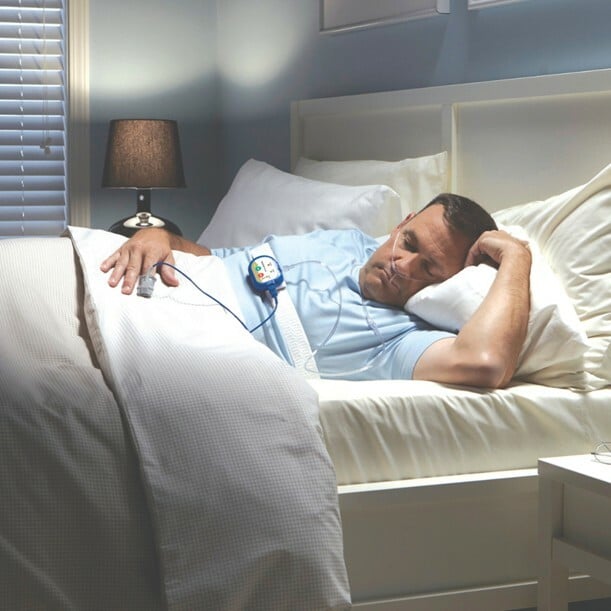
If you suspect you are at risk, the next step is formal testing. Traditionally, this meant spending a night in a lab for polysomnography, where technicians monitor your brain waves, oxygen levels, and heart rate. While this remains the gold standard, modern medicine has made screening much more accessible. At-home sleep studies are now a common first step, allowing you to collect data in your own bed.
The primary metric used in diagnosis is the Apnea-Hypopnea Index, or AHI. This represents the number of times your breathing pauses per hour. Understanding your AHI is crucial for a mild sleep apnea and stroke risk assessment. Even at the lower end of the scale, the cumulative effect of these events over decades can take a toll on your brain health.
| AHI Score (Events/Hour) | Severity Level | Estimated Stroke Risk Increase |
|---|---|---|
| < 5 | Normal | Baseline |
| 5 - 15 | Mild | ~30% Increase |
| 15 - 30 | Moderate | ~60% - 100% Increase |
| > 30 | Severe | 3.0x to 4.0x Increase |
For those who have already experienced a health scare, managing sleep apnea after a minor stroke or TIA is a top priority. Because sleep-disordered breathing is so prevalent in the stroke population, many neurologists now recommend immediate screening following any cerebrovascular event to prevent a second, more debilitating stroke.
Prevention and Recovery: The Role of CPAP Therapy
The good news is that we have effective ways to manage this risk. When readers ask how to reduce stroke risk from obstructive sleep apnea, the conversation almost always starts with Continuous Positive Airway Pressure, or CPAP. CPAP therapy works by providing a gentle stream of air that keeps the airway open, preventing the collapse that leads to oxygen drops and blood pressure spikes.
The benefits of CPAP therapy for stroke prevention are backed by significant clinical evidence. By maintaining steady oxygenation, CPAP reduces platelet aggregation—essentially making the blood less likely to form dangerous clots. It also helps reverse endothelial dysfunction, allowing the blood vessels to regain their natural elasticity.
For those in the recovery phase, managing sleep apnea for stroke prevention is a double-edged sword: it prevents new events and aids in rehabilitation. Better sleep means better neuroplasticity, which is essential for relearning motor skills or speech after a brain injury. Beyond machines, lifestyle modifications such as weight management, side-sleeping, and avoiding alcohol before bed play a supportive role in reducing the severity of sleep-disordered breathing.
Integrating these habits into your daily routine is not just about sleeping better; it is about protecting your brain's future. Whether you are dealing with moderate symptoms or looking for a mild sleep apnea and stroke risk assessment, taking action today is one of the most powerful preventive steps you can take for your long-term wellness.
FAQ
How does sleep apnea increase the risk of stroke?
Sleep apnea causes repeated drops in blood oxygen levels, known as intermittent hypoxia. This triggers the body's stress response, leading to sudden spikes in blood pressure and heart rate. Over time, these fluctuations cause inflammation, damage the lining of blood vessels, and encourage the formation of blood clots, all of which are primary drivers of an ischemic stroke.
Can sleep apnea cause a stroke while sleeping?
Yes, a significant number of strokes occur during the night or early morning hours. During sleep apnea events, the physical strain on the heart and the drastic changes in blood pressure can trigger a stroke. The "wake-up stroke" is a well-documented phenomenon where a person wakes up with stroke symptoms that developed during the night due to these respiratory interruptions.
Does treating sleep apnea reduce stroke risk?
Treating sleep apnea, particularly with CPAP therapy, is highly effective at reducing stroke risk. By keeping the airway open, it prevents the oxygen desaturations and blood pressure surges that damage the vascular system. Consistent treatment helps stabilize heart rhythms and reduces the likelihood of blood clot formation.
Is sleep apnea common after having a stroke?
It is extremely common. Statistics show that up to 70% of stroke survivors have some form of sleep-disordered breathing. In many cases, the sleep apnea existed before the stroke and contributed to it. In other cases, the brain damage from the stroke can actually cause or worsen sleep apnea by affecting the signals that control breathing.
How is sleep apnea diagnosed in stroke patients?
Diagnosis usually begins with a clinical screening using tools like the STOP-BANG questionnaire, followed by an objective test. Stroke patients may undergo an at-home sleep apnea test or a more comprehensive in-lab polysomnography. Because of the high risk of a second stroke, many hospitals now prioritize sleep screenings as part of standard post-stroke care.