Quick Facts
- Prevalence: Obstructive sleep apnea is present in 40% to 80% of patients with hypertension, heart failure, and stroke.
- Risk Spike: Untreated sleep apnea increases the risk of heart failure by 140% and stroke risk by 60%.
- Young Adult Risk: Adults aged 20 to 40 with apnea are three times more likely to experience a major cardiovascular event.
- Critical Threshold: A minimum of 4 hours of nightly CPAP use is required to see measurable cardiovascular benefits.
- Activity Boost: Successful treatment of sleep-disordered breathing can lead to a 20% increase in daily physical activity.
- Core Connection: Sleep apnea heart health is compromised by repetitive cycles of hypoxia and systemic inflammation, which accelerate atherosclerosis and increase the risk of hypertension and atrial fibrillation.
Sleep apnea is more than just a snoring problem; it is a direct threat to your cardiovascular system. As a cardiologist, I often find that patients are unaware that untreated obstructive sleep apnea cardiovascular risk includes a 140% increase in heart failure risk. When breathing stops repeatedly throughout the night, the heart is forced to work under extreme pressure, leading to long-term damage that often goes unnoticed until a major event occurs.

The Heart Under Pressure: The Physiology of OSA
To understand how sleep apnea affects heart health, we have to look at what happens inside the chest cavity when the airway collapses. When you stop breathing, your body enters a state of panic. This triggers a surge in sympathetic activation, often referred to as the fight-or-flight response. Adrenaline levels spike, your heart rate fluctuates wildly, and your blood pressure climbs. This isn't a one-time event; for some patients, this happens dozens of times every hour, measured by the Apnea-Hypopnea Index.
This repetitive cycle leads to a condition called Hypoxia, or low blood oxygen. When oxygen levels drop, it creates oxidative stress and triggers systemic inflammation. This inflammation attacks the delicate lining of your blood vessels, a process known as endothelial dysfunction. Over time, this damage accelerates atherosclerosis, the hardening and narrowing of the arteries that leads to heart attacks.
Furthermore, the physical act of trying to breathe against a closed airway creates massive intrathoracic pressure swings. These swings act like a vacuum, physically stretching the chambers of the heart. This mechanical stress increases myocardial oxygen demand at the very moment when oxygen supply is at its lowest. This combination is a perfect storm for the heart muscle, leading to structural changes and electrical instability.

Warning Signs: When Your Heart is Crying for Sleep
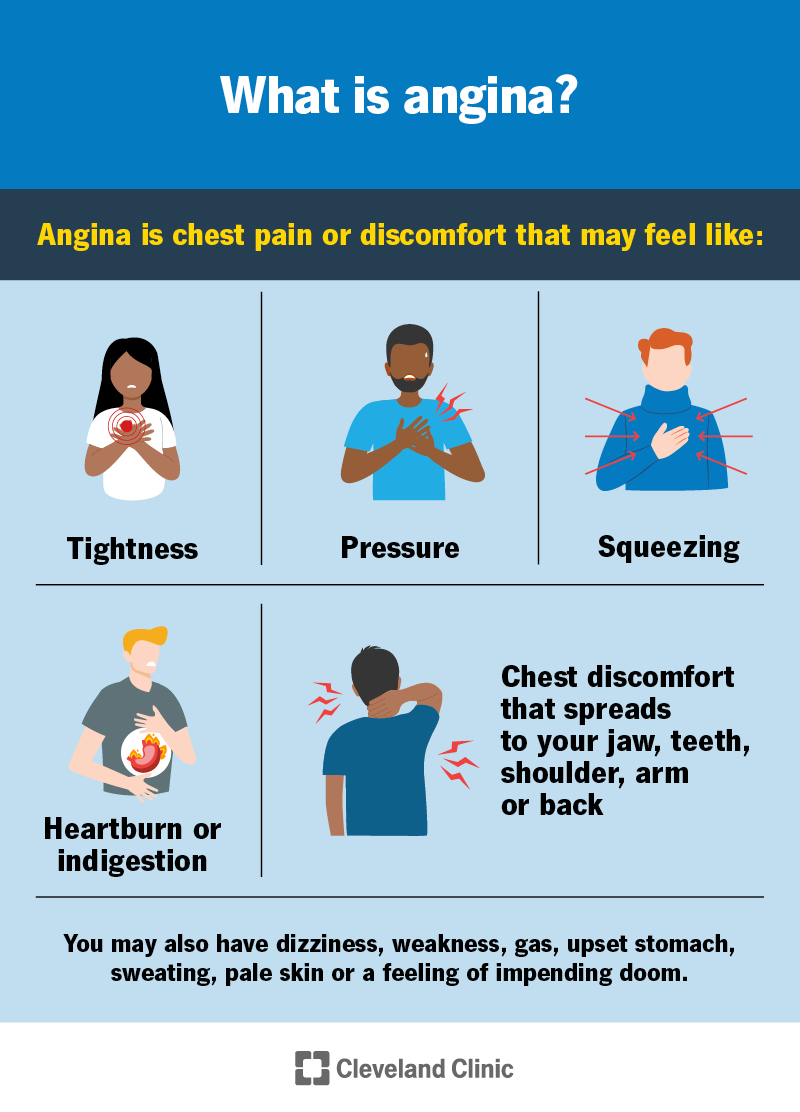
Many people believe that if they don't snore loudly, they don't have sleep apnea. However, in the cardiology clinic, we often see silent symptoms. Understanding the warning signs of sleep apnea heart disease is crucial because many of these indicators appear during the day or in clinical tests rather than just in the bedroom.
One of the most significant red flags is nocturnal hypertension. Normally, blood pressure should dip by 10% to 20% during sleep. If your blood pressure remains high at night, or if you find yourself waking up with morning headaches, your heart may be struggling to keep up with the stress of obstructed breathing. We also look closely at patients with Atrial fibrillation, as the mechanical and chemical stress of apnea is a leading driver of irregular heart rhythms.
Below is a comparison of cardiovascular risks for those who leave their condition untreated versus those who seek intervention:
| Cardiovascular Metric | Untreated Obstructive Sleep Apnea | Impact with Consistent Treatment |
|---|---|---|
| Heart Failure Risk | 140% Increase | Significant risk reduction |
| Stroke Risk | 60% Increase | Improved vascular integrity |
| Early Cardiac Events | 3x higher in young adults | Stabilization of heart health |
| Blood Pressure | Chronic nocturnal hypertension | Improved blood pressure control |
If you have been diagnosed with Coronary artery disease, it is statistically likely that sleep issues are a contributing factor. Obstructive sleep apnea is present in 40% to 80% of patients with existing heart conditions. If you experience unexplained fatigue, nighttime gasping, or persistent high blood pressure despite medication, it is time to ask for a referral for a professional sleep study.

The CPAP Prescription: Recovering Your Heart Rhythm
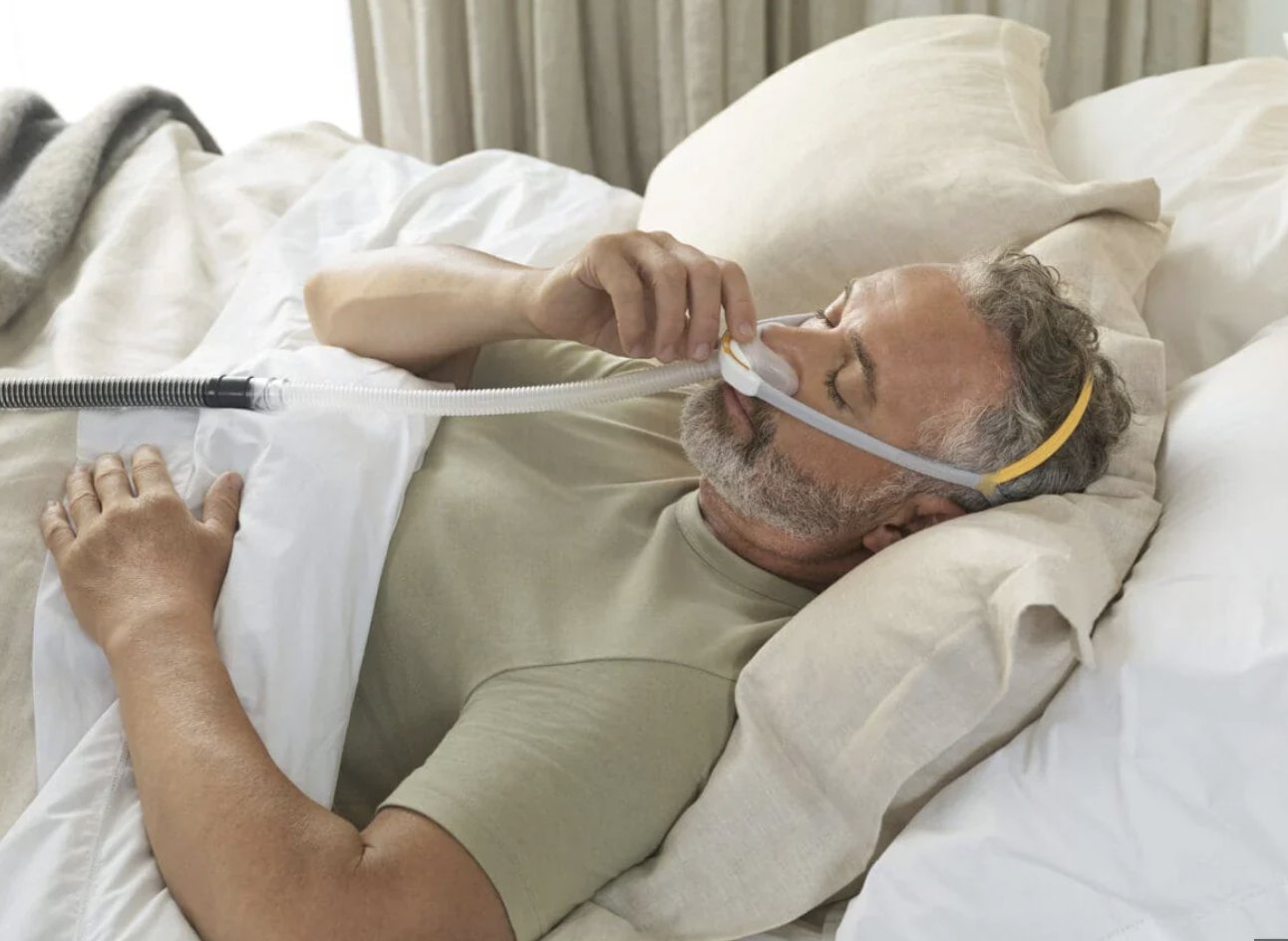
The gold standard for protecting your heart from these risks is Continuous Positive Airway Pressure (CPAP) therapy. The benefits of CPAP for heart health go far beyond simply stopping the snoring. By providing a steady stream of air, CPAP prevents the airway from collapsing, which eliminates the cycles of hypoxia and the subsequent sympathetic activation that wears down the heart.
For those already dealing with cardiac issues, the benefits of CPAP for heart failure patients are particularly profound. Regular use has been shown to improve the left ventricular ejection fraction, which is a measure of how well your heart pumps blood to the rest of the body. Furthermore, consistent use can lead to a 60% reduction in 30-day hospital readmissions for those with heart failure.
Cardiologist's Note: The 4-Hour Rule To achieve the long term cardiovascular benefits of CPAP compliance, you must use the device for at least 4 hours per night. Using it for only an hour or two does not provide enough stability to prevent the inflammation and pressure swings that damage heart tissue. Consistency is the key to ventricular remodeling and long-term recovery.
Beyond the internal mechanics, managing high blood pressure with CPAP therapy is often more effective than adding a third or fourth medication. By stabilizing the oxygen levels, we allow the vascular system to relax, lowering the overall strain on the arteries. This is a critical component of a preventive healthcare routine.
Beyond the Mask: Technology and Lifestyle Strategy
Modern medicine has given us incredible tools to monitor and treat sleep-disordered breathing. We no longer rely solely on a partner's report of snoring. Wearable technology, such as the Apple Watch, can now provide 30-day data sets that help clinicians identify patterns of irregular breathing or heart rate variability. If these tools suggest an issue, a formal Polysomnography test is the next logical step to confirm the diagnosis.
Lifestyle changes remain a pillar of preventive care. My cardiologist advice for sleep apnea patients always includes a focus on weight management and physical activity. New pharmacological options, such as Tirzepatide, are showing promise in reducing the Apnea-Hypopnea Index by addressing the weight-related aspects of metabolic syndrome. When we reduce excess weight, we physically reduce the pressure on the airway, making other treatments like CPAP even more effective.
The goal is a synergistic approach. When you treat the apnea, you often find you have more energy during the day. This leads to an increase in physical activity, which further improves heart health. It is a positive feedback loop that replaces the destructive cycle of sleep deprivation and cardiac strain.

FAQ
How does sleep apnea affect your heart health?
Sleep apnea causes repetitive drops in blood oxygen levels and creates high pressure inside the chest. This triggers the fight-or-flight response, leading to inflammation and damage to the blood vessels, which increases the risk of heart disease and stroke.
Can sleep apnea cause a heart attack?
Yes, the chronic stress on the heart and the acceleration of atherosclerosis caused by untreated apnea significantly increase the likelihood of a heart attack. The lack of oxygen and high blood pressure during the night put an immense strain on the heart muscle.
What is the link between sleep apnea and high blood pressure?
Sleep apnea prevents the natural blood pressure dip that should occur during sleep. The surges in adrenaline caused by struggling to breathe keep blood pressure elevated throughout the night and eventually lead to chronic hypertension during the day.
Does treating sleep apnea reduce the risk of heart disease?
Absolutely. Consistent treatment, such as CPAP therapy, stabilizes oxygen levels and reduces systemic inflammation. This helps lower blood pressure and protects the heart from the structural changes that lead to heart failure and other complications.
Can sleep apnea cause irregular heartbeats or AFib?
Yes, the mechanical stretching of the heart and the chemical stress of low oxygen levels are major triggers for Atrial fibrillation. Treating the underlying sleep apnea is often a critical step in managing and reducing AFib episodes.
Protecting Your Future
Your heart never takes a night off, but it does need the restorative power of quality sleep to function at its best. If you recognize the warning signs of sleep apnea heart disease in yourself or a loved one, do not wait for a cardiac event to take action. Sleep is a fundamental pillar of cardiovascular health, standing right alongside diet and exercise.
By addressing sleep-disordered breathing through diagnostic tools and consistent therapy, you aren't just getting a better night's rest—you are adding years of health to your life. Take the first step today by speaking with your healthcare provider about a sleep assessment. Your heart will thank you.