Quick Facts
- Risk Level: Patients with rheumatoid arthritis are twice as likely to develop heart failure compared to the general population.
- The Primary Cause: Chronic systemic inflammation drives complications like myocardial fibrosis and endothelial dysfunction, weakening the heart over time.
- The 1.5x Multiplier: EULAR guidelines recommend multiplying standard cardiovascular risk scores by 1.5 to accurately reflect the danger for RA patients.
- Medication Impact: Methotrexate and certain biologic DMARDs can reduce heart risk, while high-dose corticosteroids may increase it.
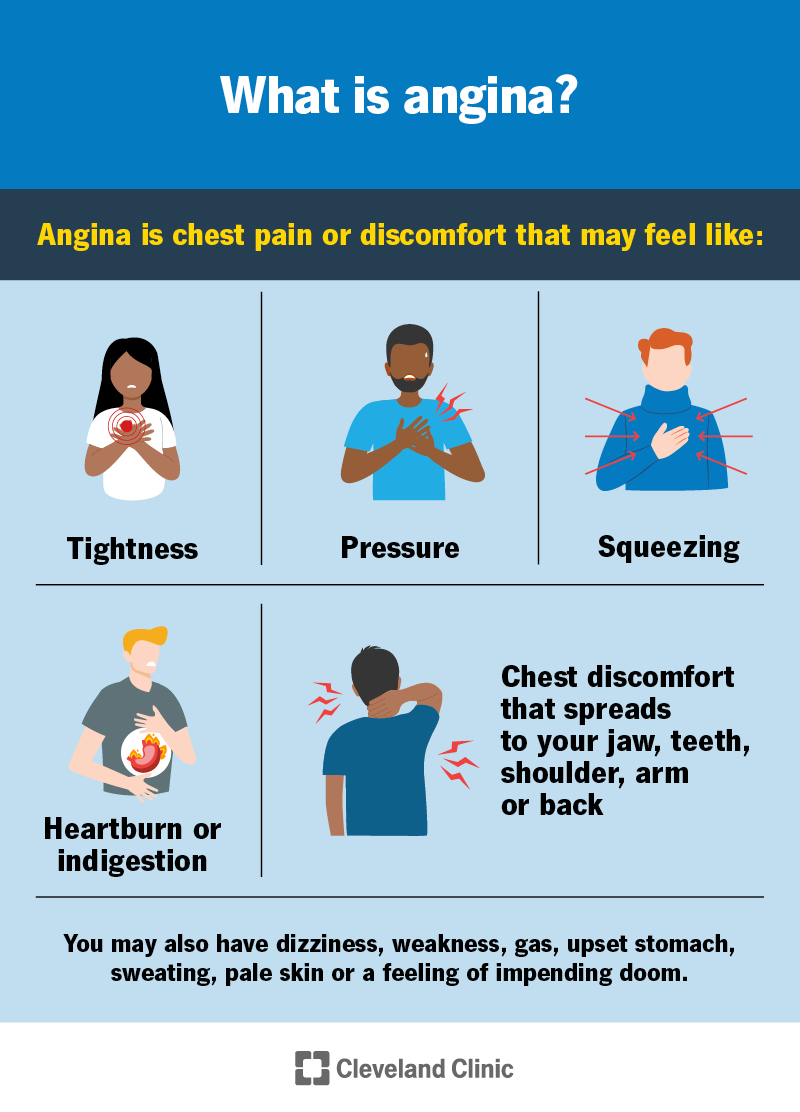
- Warning Signs: Common indicators include persistent shortness of breath, unusual fatigue, and ankle swelling, which can be easily mistaken for RA symptoms.
- Screening Standard: Rheumatoid arthritis heart failure prevention strategies include a formal cardiovascular assessment at least every five years.
Rheumatoid arthritis heart failure is primarily caused by chronic systemic inflammation that weakens the heart muscle and stiffens arteries. This persistent inflammatory state leads to structural changes in the heart and blood vessels, making patients significantly more vulnerable to cardiac complications than those without autoimmune conditions.
The Inflammation Link: Why RA Targets the Heart
For years, rheumatoid arthritis was viewed almost exclusively as a disease of the joints. However, modern preventive medicine recognizes it as a systemic condition where the same pro-inflammatory cytokines that cause joint swelling also circulate through the bloodstream, attacking the cardiovascular system. This internal environment accelerates the development of atherosclerotic plaque and compromises the delicate lining of the blood vessels, a condition known as endothelial dysfunction.
The impact of this inflammation is significant. Research indicates that patients with rheumatoid arthritis are approximately twice as likely to develop heart failure compared to the general population. Even when researchers adjust for traditional risk factors like high blood pressure or cholesterol, RA patients still face a 79% higher risk of incident heart failure. This suggests that the autoimmune process itself is a primary driver of heart damage.
One of the most common ways this manifests is through a specific condition called heart failure with preserved ejection fraction (HFpEF). In this scenario, the heart muscle becomes stiff and unable to relax properly between beats, even if it can still pump blood out with normal force. This stiffness is often the result of myocardial fibrosis, where healthy heart tissue is replaced by scarred, fibrous tissue due to long-term inflammation. Studies show that RA patients face a hazard ratio of 1.99 for developing HFpEF, making them twice as likely to experience this specific subtype.
Furthermore, we must address the lipid paradox. In the general population, low cholesterol is usually a sign of good health. In active RA, however, systemic inflammation can lower cholesterol levels while simultaneously making the remaining lipids more "pro-inflammatory" and damaging to the heart. High levels of C-reactive protein in the blood serve as a warning sign that this inflammatory process is active and potentially affecting the heart.

Identifying Early Signs of Heart Failure in RA Patients
Detecting the early warning signs of heart failure in RA patients can be uniquely challenging. Because RA causes chronic joint pain and physical limitations, many people naturally reduce their activity levels. This can mask symptoms of heart trouble that usually appear during exercise. If you find yourself avoiding stairs not because your knees hurt, but because you feel unusually winded, it is time for a cardiovascular check-up.
Distinguishing between RA fatigue and cardiac exhaustion is critical. RA fatigue often feels like a heavy, full-body "flu-like" tiredness. In contrast, cardiac exhaustion is typically associated with a sudden drop in exercise tolerance. You might notice that tasks that were once easy now feel monumental.
Key symptoms to monitor include:
- Persistent shortness of breath, especially when lying flat or during light activity.
- Unusual swelling in the ankles, feet, or legs that does not fluctuate with joint flares.
- A persistent cough or wheezing.
- Feeling dizzy or lightheaded more frequently.
Physicians are increasingly using the NT-proBNP biomarker as a diagnostic tool. This blood test measures a protein produced by the heart when it is under stress. Since joint symptoms can be deceptive, this objective measurement helps clinicians identify early stages of cardiac dysfunction before they become life-threatening. The risk of death following a heart failure diagnosis is nearly 70% higher for those with RA, making early detection the cornerstone of any long-term wellness strategy.
The Medication Balance: DMARDs vs. Steroids
Managing rheumatoid arthritis heart failure risk requires a delicate balance of pharmacology. Not all RA treatments affect the heart in the same way. Some act as a "pharmacological double-edged sword," while others offer profound protective benefits.
Controlling systemic inflammation through treat-to-target strategies is the best way to protect the heart. Medications that lower the overall inflammatory burden generally improve cardiovascular outcomes. For instance, Methotrexate, a cornerstone of RA treatment, has been shown to reduce cardiovascular risk by approximately 20% to 30%. Similarly, biologic DMARDs that target specific inflammatory pathways can help prevent the endothelial dysfunction that leads to heart failure.
On the other hand, corticosteroids, while effective for quick symptom relief during flares, carry significant risks when used in high doses for long periods.
| Medication Type | Typical Impact on Heart Health | Risk Management Strategy |
|---|---|---|
| Biologic DMARDs | Cardioprotective; lowers systemic inflammation | Primary tool for long-term heart protection |
| Methotrexate | Cardioprotective; associated with 20% lower risk | Monitor liver and lung function regularly |
| Corticosteroids | Can increase blood pressure and risk of heart failure | Use lowest dose for shortest time possible |
| NSAIDs | Can increase fluid retention and heart strain | Use cautiously in patients with known risk |
When evaluating the impact of RA medications on heart failure risk, it is important to work closely with a rheumatologist. The goal is to move toward steroid-sparing regimens whenever possible to avoid the secondary complications of hypertension and weight gain that often accompany long-term steroid use.
Clinical Risk Management and Prevention Strategies
Effective RA cardiovascular risk management involves more than just joint care; it requires a proactive, multi-disciplinary approach. Traditional risk calculators used for the general population often underestimate the danger for someone living with an autoimmune disease.
To address this, rheumatologists often use the QRISK3 calculator, which specifically includes rheumatoid arthritis as a risk factor. Furthermore, the EULAR guidelines for rheumatoid arthritis heart screening suggest that clinicians should apply a 1.5x multiplier to standard risk scores. For example, if a standard test says you have a 10% risk of a heart event, the actual risk for someone with RA is closer to 15%.
Here is how to reduce rheumatoid arthritis cardiovascular risk through daily routines and clinical monitoring:
- Follow the Five-Year Rule: Ensure you receive a formal cardiovascular risk assessment at least every five years, as recommended by EULAR.
- Manage Traditional Factors: Don't let your RA diagnosis overshadow other health metrics. Managing traditional heart disease risk factors with rheumatoid arthritis—such as keeping blood pressure under 130/80 and quitting smoking—is non-negotiable.
- Monitor Your Markers: Keep an eye on your C-reactive protein levels. High inflammation in the joints almost always means high inflammation in the vessels.
- Embrace "Heart-Healthy" Movement: Even if joint pain limits high-impact exercise, low-impact movement like swimming or cycling is essential for maintaining heart muscle elasticity.
- Dietary Support: Focus on anti-inflammatory diets rich in omega-3 fatty acids, which support both joint lubrication and heart health.
By integrating these rheumatoid arthritis heart failure prevention strategies into your lifestyle, you shift from a reactive stance to one of empowered management.
FAQ
Can rheumatoid arthritis cause heart failure?
Yes, rheumatoid arthritis can cause heart failure because the systemic inflammation associated with the disease can damage the heart muscle and blood vessels. This process can lead to the stiffening of the heart or the buildup of plaque in the arteries, both of which can result in heart failure over time.
Does inflammation from RA affect the heart?
Inflammation from RA does affect the heart by releasing pro-inflammatory cytokines into the bloodstream. These chemicals can cause the heart muscle to become scarred or stiff, a condition known as myocardial fibrosis, and can damage the lining of the arteries, making them less flexible and more prone to blockage.
What are the early signs of heart failure in RA patients?
The early signs of heart failure in RA patients often include shortness of breath during activities that were previously easy, unusual fatigue that feels different from a typical RA flare, and swelling in the feet or ankles. Because RA pain often limits movement, patients should pay close attention to any changes in their ability to perform light physical tasks.
Can RA medications increase the risk of heart failure?
Some RA medications, particularly high-dose corticosteroids and certain non-steroidal anti-inflammatory drugs, can increase heart risk by raising blood pressure or causing fluid retention. However, other medications like Methotrexate and biologic DMARDs are generally considered cardioprotective because they reduce the systemic inflammation that drives heart damage.
How can I prevent heart complications if I have RA?
You can prevent heart complications by strictly managing your RA inflammation through a treat-to-target medication plan, monitoring traditional risk factors like blood pressure and cholesterol, and following the EULAR screening guidelines. Regular check-ups that include heart risk assessments every five years are also essential.
Is heart failure a common complication of rheumatoid arthritis?
Heart failure is a significant and relatively common complication, as patients with the condition are twice as likely to develop it as the general population. While it is a serious risk, it is manageable through early detection, aggressive inflammation control, and a focus on cardiovascular health alongside joint care.