Quick Facts
- Risk Level: Clinical evidence as of 2026 shows a risk level of less than 1% for thyroid-related adverse events in human trials.
- Primary Concern: The specific concern is medullary thyroid carcinoma (MTC), a rare form of cancer representing only 3% to 10% of all thyroid cases.
- Regulatory Status: The FDA maintains a boxed warning for individuals with a personal or family history of MTC or Multiple Endocrine Neoplasia syndrome type 2 (MEN 2).
- 2026 Status: Large-scale human epidemiological studies have failed to find a confirmed causal link between Ozempic and the most common forms of human thyroid cancer.
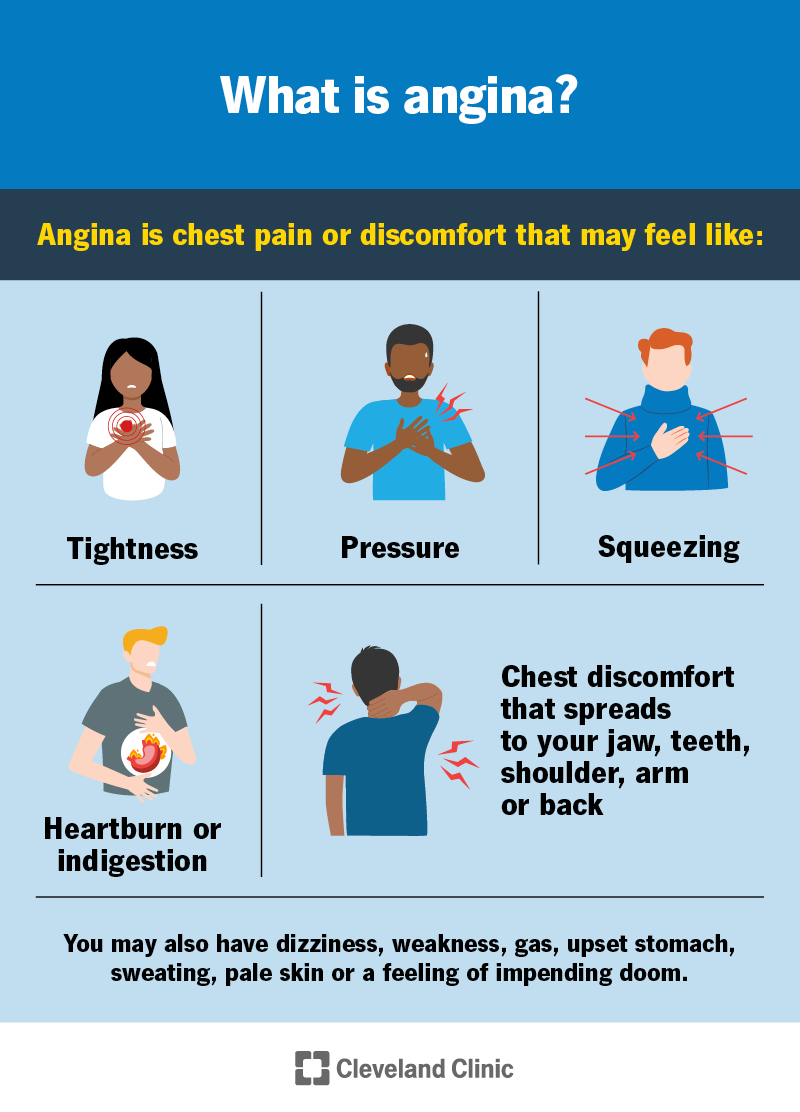
- Monitoring: Patients should monitor for a persistent neck lump, hoarseness, or difficulty swallowing and report these to a provider immediately.
Recent 2026 clinical evidence indicates that the link between ozempic thyroid cancer risk is primarily based on rodent studies rather than human data. While the medication carries a warning for specific rare tumors, the latest ozempic thyroid cancer risk 2026 update suggests that for the general population, there is no significantly increased risk of common human thyroid malignancies.
As of 2026, the discussion around ozempic thyroid cancer risks has evolved with new epidemiological evidence. While the FDA maintains its boxed warning, latest studies help clarify the distinction between rodent data and human outcomes. For many men focusing on longevity and metabolic health, understanding this nuance is critical for making an informed decision about GLP-1 therapy.
The Biological Conflict: Rodent Studies vs. Human Data
To understand the safety profile of Ozempic, we must look at the origin of the safety concerns. The initial warnings stemmed from early animal trials where rodents developed C-cell hyperplasia and medullary thyroid carcinoma when exposed to GLP-1 receptor agonists. However, human physiology is fundamentally different in this regard.
In rodents, thyroid C-cells are densely populated with GLP-1 receptors. When these receptors are overstimulated by drugs like semaglutide, it can trigger abnormal cell growth. In contrast, human C-cells have a negligible density of these receptors. This biological discrepancy is a primary reason why the dramatic results seen in rats have not been mirrored in human clinical settings.
Medullary thyroid carcinoma is the specific type of cancer associated with these animal studies. It is important to distinguish this from papillary or follicular thyroid cancer, which are much more common in humans and have not shown a biological link to GLP-1 receptor agonists stimulation. While the animal data necessitated a cautious regulatory approach, the actual clinical risk to a human patient without specific genetic predispositions appears to be extremely low.
2026 Clinical Evidence: What the Latest Studies Reveal
The most reassuring data comes from large-scale population studies that track real-world outcomes over several years. A landmark Scandinavian cohort study published in The BMJ in April 2024, which followed over 145,000 patients, provided significant clarity. The researchers found that GLP-1 receptor agonist treatment was not associated with a significantly higher risk of thyroid cancer over an average follow-up period of 3.9 years.
Further validation came from the European Medicines Agency's Pharmacovigilance Risk Assessment Committee, which concluded in late 2023 that available evidence does not support a causal association between GLP-1 receptor agonists and thyroid cancer. These findings are central to any semaglutide thyroid risk study being discussed in 2026.
One factor often discussed by researchers is detection bias. Because patients on semaglutide are under closer medical supervision and undergo more frequent physical exams, doctors are more likely to find thyroid nodules that might have otherwise gone unnoticed. These incidental findings can sometimes skew data, making it appear as though the drug is causing the nodules, when in fact, the drug is simply the reason the patient is being screened more thoroughly.
FDA Boxed Warning and Patient Contraindications
Despite the reassuring data from 2026, the FDA boxed warning ozempic thyroid cancer explained remains a critical component of patient safety. A boxed warning is the highest level of caution the FDA issues, and it is intended to ensure that high-risk individuals are excluded from treatment.
The absolute contraindications for Ozempic include:
- A personal or family history of medullary thyroid carcinoma (MTC).
- A diagnosis of Multiple Endocrine Neoplasia syndrome type 2 (MEN 2), which is a hereditary condition that predisposes individuals to endocrine malignancies.
- Known hypersensitivity to semaglutide or any of the product's components.
It is important to note that a family history of medullary thyroid cancer ozempic use is the primary red flag. If your family has a history of more common thyroid issues, such as hypothyroidism or papillary thyroid cancer, the risk profile is generally considered different, and Ozempic may still be a viable option after a thorough medical review.
Thyroid Cancer Warning Signs for Ozempic Users
While the statistical risk is low, proactive monitoring is a hallmark of a longevity-focused lifestyle. Knowing the thyroid cancer warning signs for ozempic users allows for early intervention if any issues arise. These symptoms are often non-cancerous, but they require professional evaluation.
- A persistent lump or swelling in the front of the neck.
- Difficulty swallowing or a sensation of something being stuck in the throat.
- New or worsening hoarseness that does not resolve within a few weeks.
- Shortness of breath or a chronic cough not related to a cold.
If a patient reports these symptoms, healthcare providers may utilize thyroid ultrasonography to get a clear image of any nodules. In some cases, a blood test for serum calcitonin may be ordered. Calcitonin is a hormone produced by C-cells, and elevated levels can be a marker for C-cell hyperplasia or MTC. Understanding how to monitor thyroid health while on GLP-1s is essential for long-term peace of mind. For those with a history of thyroid nodules, Ozempic safety for people with thyroid nodules should be managed through regular baseline scans and follow-up imaging to track any changes in nodule size or appearance.
Consultation Guide: Talking to Your Doctor
When talking to your doctor about ozempic safety, transparency is your best tool. You should come prepared with a detailed family medical history, specifically looking for any mentions of endocrine tumors or rare thyroid conditions.
Consider asking your physician the following questions during your appointment:
- Based on my family history, do I have any genetic predispositions that make the FDA boxed warning applicable to me?
- How does the distinction between medullary thyroid carcinoma and more common thyroid cancers affect my personal risk?
- Should we perform a baseline thyroid ultrasound before I start semaglutide therapy?
- If I am taking other medications like Synthroid, how will the delayed gastric emptying caused by Ozempic affect my absorption?
- What is the plan for monitoring my thyroid health over the next twelve months?
A provider can help weigh the therapeutic benefits vs risks of the medication. For many, the metabolic improvements—including weight loss, improved blood pressure, and better glucose control—significantly outweigh the statistically rare risk of thyroid complications.

FAQ
Does Ozempic cause thyroid cancer in humans?
As of 2026, large-scale human epidemiological studies and meta-analyses of clinical trials have not found a confirmed causal link between Ozempic and an increased risk of common human thyroid cancers. The initial concerns were based on rodent studies, which have a different biological response to GLP-1 receptor agonists than humans.
What are the symptoms of thyroid cancer to watch for while taking Ozempic?
Users should be alert for a persistent lump or swelling in the neck, hoarseness that doesn't go away, difficulty swallowing, or shortness of breath. While these symptoms are often caused by benign conditions like thyroid nodules or cysts, they should be evaluated by a healthcare professional promptly.
Can I take Ozempic if thyroid cancer runs in my family?
It depends on the type of thyroid cancer. Ozempic is strictly contraindicated if there is a family history of medullary thyroid carcinoma (MTC) or Multiple Endocrine Neoplasia syndrome type 2 (MEN 2). However, a family history of more common types, such as papillary or follicular thyroid cancer, does not automatically disqualify you from using the medication.
What is the FDA warning regarding Ozempic and thyroid tumors?
The FDA has issued a boxed warning stating that Ozempic causes thyroid C-cell tumors in rodents. It is unknown whether the drug causes such tumors in humans. Because of this, the drug should not be used by those with a personal or family history of MTC or those with MEN 2 syndrome.
Can you take Ozempic if you have a history of thyroid nodules?
Yes, many people with a history of benign thyroid nodules take Ozempic. However, your doctor may recommend a baseline ultrasound and regular monitoring to ensure the nodules do not change in size or character while you are on the medication.