Quick Facts
- Prevalence: Over 20 million Americans suffer from some form of neuropathy, making it a widespread concern for modern healthcare.
- Leading Cause: Approximately 50% of people with diabetes will develop peripheral neuropathy during their lifetime, making blood sugar management a top priority.
- Nutrition Link: Research shows that Vitamin B12 deficiency is present in approximately 34.2% of patients who experience neuropathic symptoms like numbness and tingling.
- Emergency Signs: Sudden onset numbness, facial drooping, and a loss of coordination are medical red flags that require immediate emergency attention.
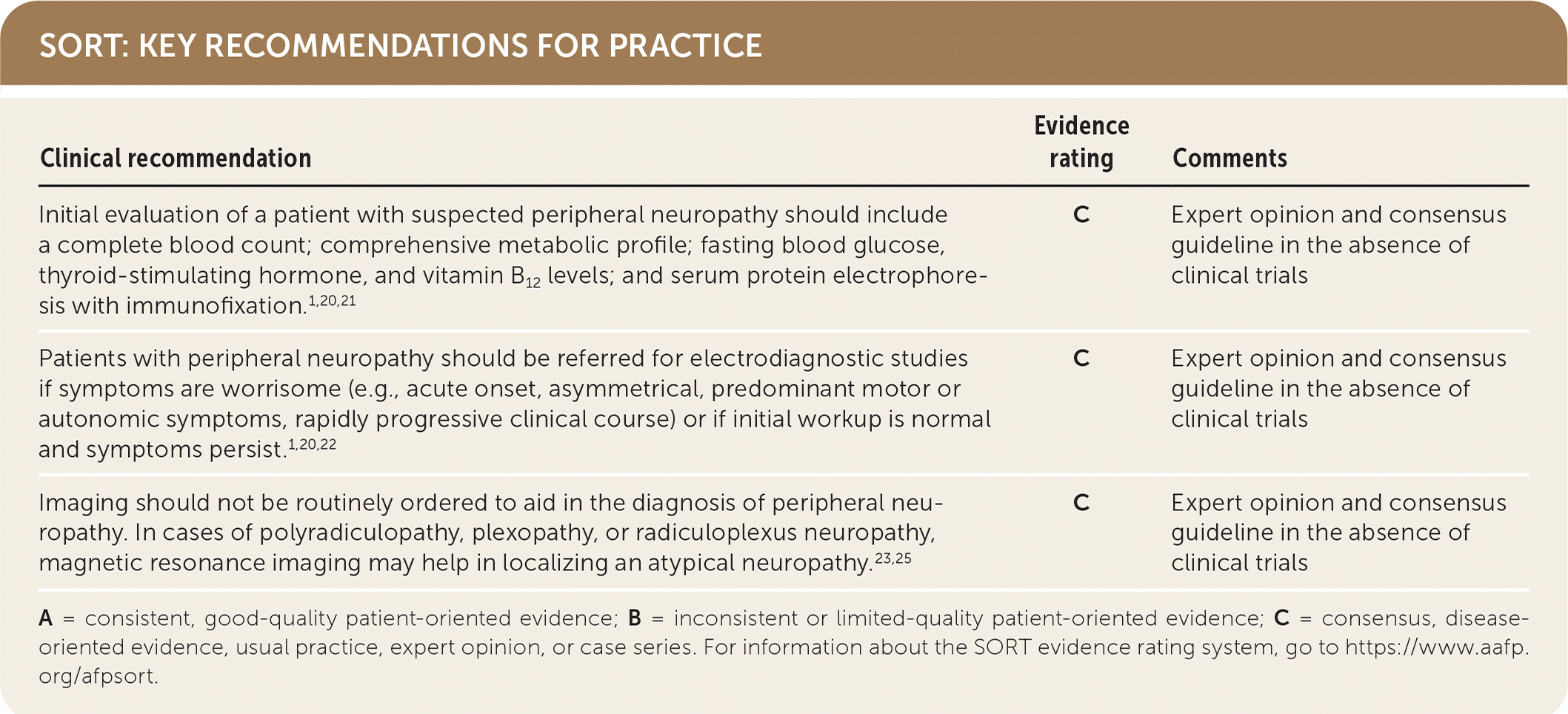
- Core Lab Tests: To find the root cause, doctors typically order a CBC, Vitamin B12 level check, TSH for thyroid function, and a Fasting Blood Glucose test.
- Key Indicators: Identifying whether sensory fibers or motor fibers are damaged is the essential first step for an accurate clinical diagnosis.
Numbness serves as a vital health indicator for underlying systemic issues. Understanding these patterns—from the stocking and glove distribution of peripheral neuropathy symptoms to acute numbness medical red flags—is crucial for early diagnosis and treatment. Identifying whether the sensation loss is localized or widespread helps differentiate between peripheral nerve damage and central nervous system disorders, allowing your healthcare team to target the root cause effectively.
Urgent Triage: Numbness Medical Red Flags
When we talk about numbness health indicators, the first priority is distinguishing between a slow-developing issue and a medical emergency. Numbness is a form of Paresthesia, a sensation often described as pins and needles, but when it appears suddenly, it may indicate a crisis in the central nervous system rather than the peripheral nerves.
You should seek immediate medical attention if you experience numbness medical red flags for urgent care. These include a sudden onset of numbness on one side of the body, facial drooping, or difficulty speaking, which are classic signs of a stroke. Other critical indicators include a sudden loss of bowel or bladder control or profound weakness in the legs, which could point to a spinal cord injury or cauda equina syndrome.
In clinical terms, these situations often involve a threat to the Myelin sheath—the protective coating around nerves—or a severe Radiculopathy where a nerve root is suddenly and dangerously compressed. Understanding the difference between sudden onset numbness vs gradual tingling indicators can be life-saving. While gradual tingling might suggest a metabolic shift, sudden numbness requires a trip to the emergency room to rule out permanent neurological damage.
Deciphering Patterns: Peripheral Neuropathy Symptoms
One of the most telling numbness health indicators is the physical pattern the sensation follows. In my practice as an editor focusing on preventive care, I often see readers confused by why their feet tingle but their arms feel fine. This often comes down to the way nerves are distributed throughout the body.
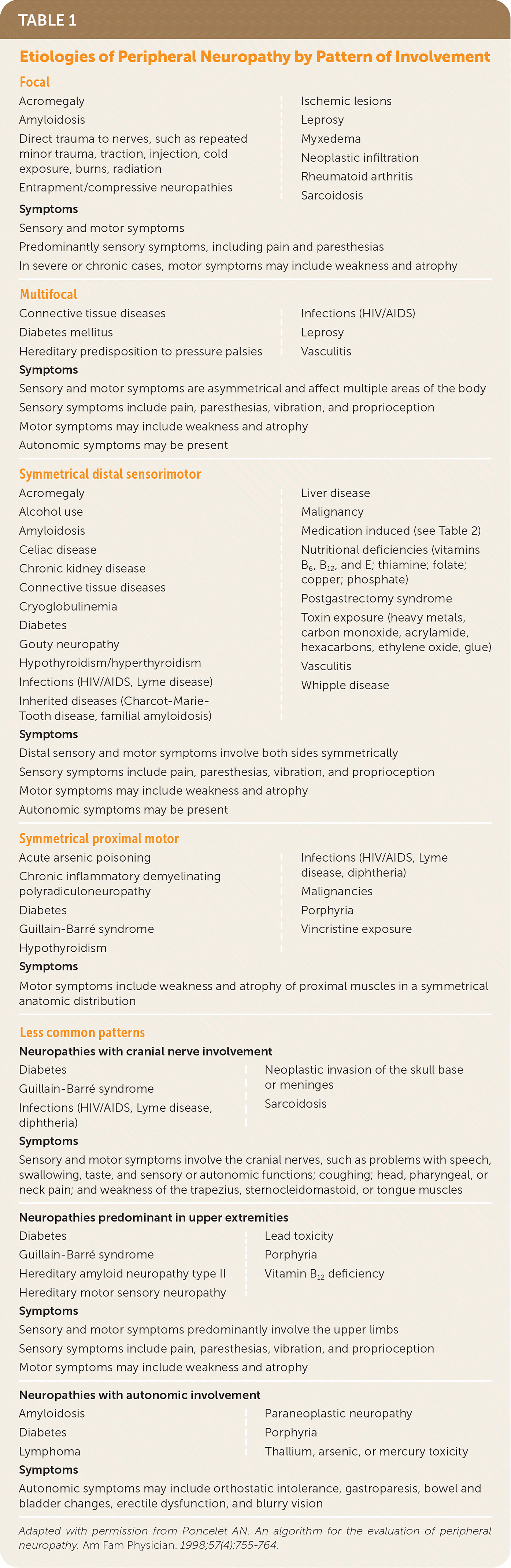
The most common presentation is the stocking and glove pattern. This is a classic hallmark of peripheral neuropathy symptoms where the longest nerves in the body—those reaching the feet and hands—are affected first. It feels exactly as it sounds: as if you are wearing invisible, tingling stockings or gloves. This distribution usually indicates a systemic issue rather than a localized injury.
To understand what your body is saying, you must look at which nerve fiber clusters are involved:
- Sensory Fibers: This is where you feel the typical numbness, burning, or tingling. It follows a specific Dermatomal distribution based on which spinal nerves are involved.
- Motor Fibers: If the damage progresses, you might notice muscle weakness, tripping, or difficulty with fine motor tasks like buttoning a shirt.
- Autonomic Fibers: This is the holistic side of nerve health. When these nerves are impacted, you may experience Autonomic dysfunction, leading to digestive issues, heat intolerance, or orthostatic intolerance (feeling dizzy when you stand up).
Systemic Triggers: From Diabetes to Deficiencies
When we move beyond the symptoms, we have to look at the internal environment. Numbness is rarely just a "nerve problem"; it is often a metabolic or nutritional signal. High blood sugar is the most common culprit worldwide. Persistent hyperglycemia leads to nerve damage by interfering with the nerves' ability to transmit signals and by weakening the walls of the small blood vessels that supply the nerves with oxygen and nutrients. Proper hyperglycemia management is, therefore, the most effective way to prevent long-term sensory loss.
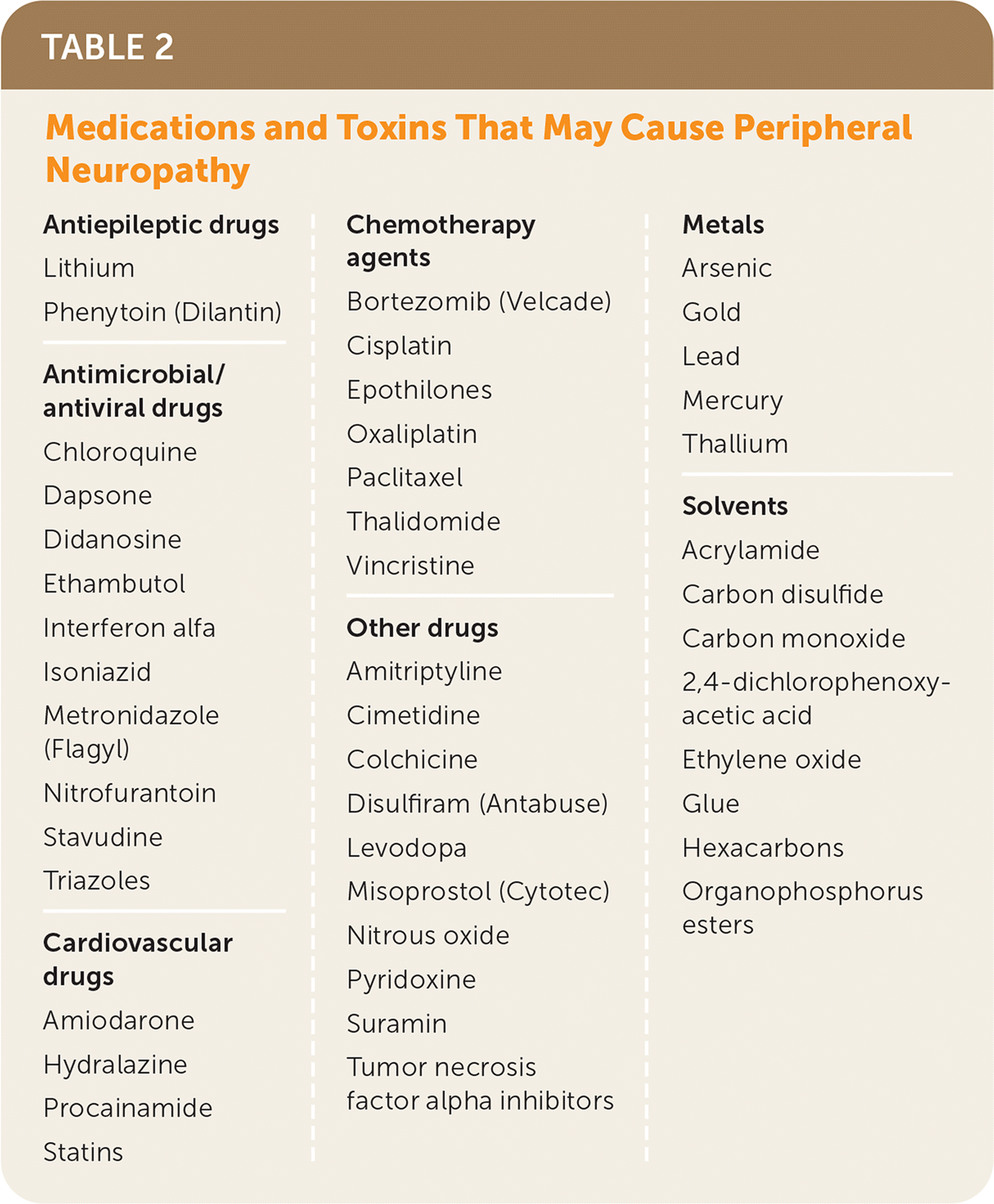
However, nutrition plays an equally large role. There are specific vitamin deficiencies that cause body numbness, most notably Vitamin B12 cobalamin. B12 is essential for maintaining the health of the Myelin sheath. Without enough of it, the nerves essentially short-circuit. This is particularly common in older adults, vegans, or individuals with digestive disorders that prevent absorption.
Additionally, thyroid health is a frequently overlooked factor. Hypothyroidism can cause fluid retention, which puts pressure on the nerves, leading to that familiar numb sensation. By treating these systemic triggers early, we can often halt or even reverse the progression of nerve damage.
Structural Causes: Localized Numbness and Compression
Not all numbness stems from a systemic disease like diabetes. Sometimes, the issue is purely structural. Causes of localized numbness are usually related to physical compression or "pinched" nerves. The most famous example is Carpal tunnel syndrome, which affects between 4 and 10 million Americans. In this condition, the median nerve is compressed at the wrist, leading to numbness specifically in the thumb, index, and middle fingers.
Another structural issue is Radiculopathy, which occurs when a nerve root in the spine is compressed by a herniated disc or bone spur. This usually causes numbness that travels down a specific path in the arm or leg. Unlike the symmetrical stocking and glove pattern, structural numbness is usually asymmetric—affecting only one limb or one specific area.
To differentiate between a structural problem and a systemic one, doctors often use Electromyography to record the electrical activity of muscles. This helps them see if the nerve is being squeezed at a specific point or if the entire nerve system is struggling.
| Feature | Systemic Numbness (e.g., Diabetes) | Localized Numbness (e.g., Carpal Tunnel) |
|---|---|---|
| Symmetry | Usually Symmetrical (both hands/feet) | Usually Asymmetrical (one side) |
| Onset | Gradual, progressive | Can be sudden or activity-related |
| Distribution | Stocking and glove pattern | Specific nerve path (Dermatomal) |
| Primary Cause | Metabolic/Nutritional issues | Physical compression/Injury |
Diagnostic Path: Questions to Ask Your Doctor
If you are experiencing persistent sensation loss, common causes of hand and foot numbness must be investigated through a formal diagnostic path. The goal is to move from "I feel numb" to "I understand the root cause." Your first appointment will likely involve a physical exam where the doctor uses a 128-Hz tuning fork to test your vibration sense, as this is often the first sense lost in neuropathy.
When you sit down with your healthcare provider, it is helpful to have a list of questions to ask a doctor about chronic numbness. You should ask: "Based on my symptoms, do you suspect a peripheral or central nervous system issue?" and "Which laboratory tests are most appropriate to rule out vitamin deficiencies or metabolic triggers?"
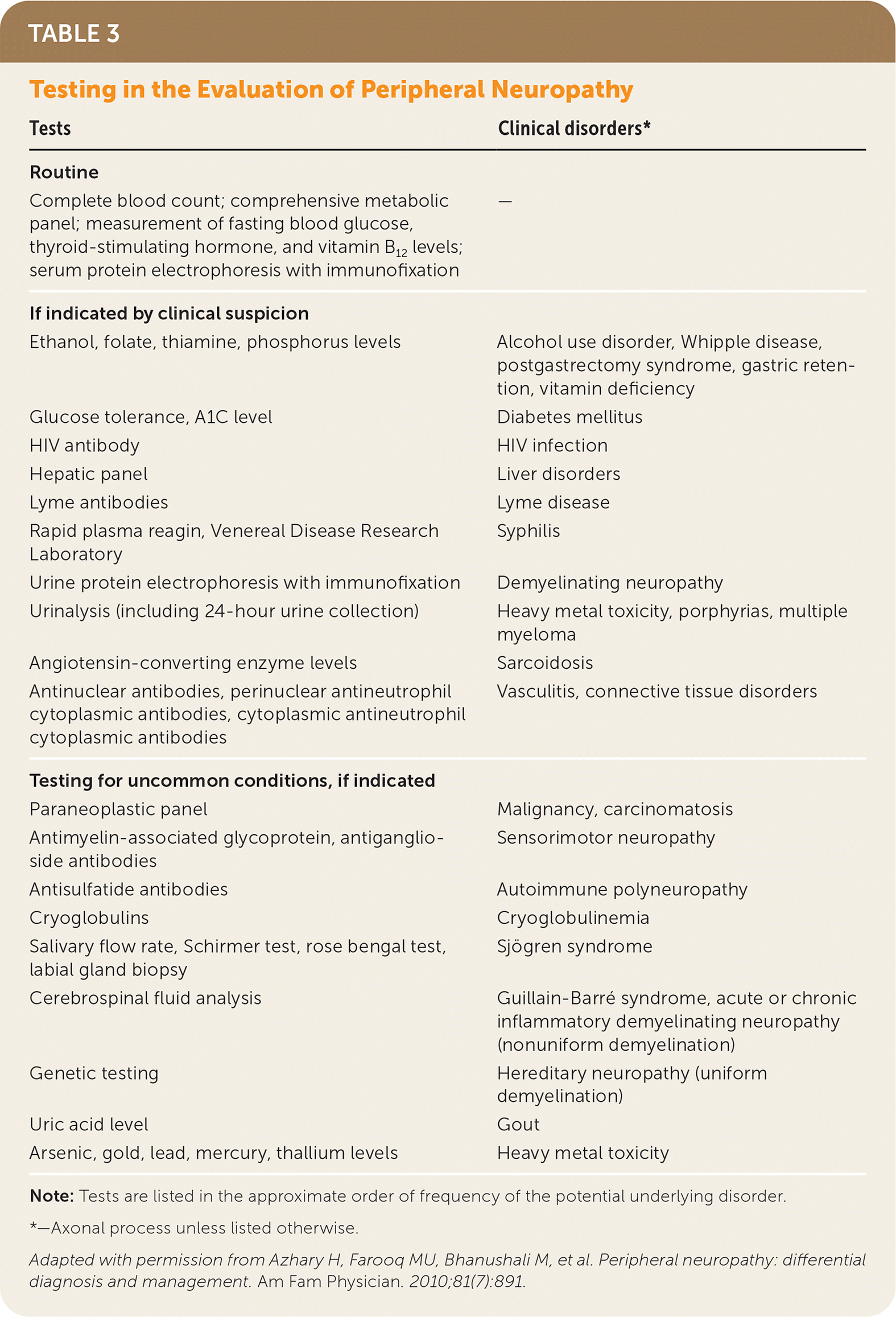
To get a definitive answer, your doctor might order specialized tests:
- Nerve conduction velocity (NCV): This test measures how fast electrical signals move through your nerves. Slow signals can indicate damage to the Myelin sheath.
- Electromyography (EMG): This measures the electrical activity in your muscles to see how they respond to nerve stimulation.
- Blood Panels: High-contrast tests for Fasting Blood Glucose, A1C, Vitamin B12 levels, and TSH (Thyroid Stimulating Hormone).
By being proactive and asking for these specific numbness health indicators in your lab work, you shift the focus from merely managing symptoms to long-term wellness and prevention.
FAQ
What are common health indicators associated with numbness?
Numbness often acts as a signal for systemic health issues like diabetes mellitus, which causes nerve damage through high blood sugar. It is also frequently linked to vitamin B12 deficiencies, hypothyroidism, and chronic inflammation. In some cases, it may indicate structural problems like a herniated disc or repetitive strain injuries like carpal tunnel syndrome.
When should I be concerned about numbness in my hands or feet?
You should be concerned if the numbness is persistent, worsening over time, or interfering with your daily activities or balance. While occasional numbness from "falling asleep" is normal, a consistent stocking and glove pattern in both feet or hands is a significant indicator of peripheral neuropathy and requires a medical evaluation.
What vitamin deficiency can cause persistent numbness?
A deficiency in Vitamin B12 is the most common nutritional cause of persistent numbness and tingling. B12 is vital for maintaining the protective myelin sheath around your nerves. Other deficiencies, such as Vitamin B6, Vitamin E, and Copper, can also lead to similar neurological symptoms if left unaddressed.
Is sudden numbness a sign of a medical emergency?
Yes, sudden onset numbness can be a sign of a stroke or a severe spinal cord injury. If the numbness occurs suddenly on one side of the body, is accompanied by facial drooping, confusion, or a loss of bowel and bladder control, you should call emergency services immediately.
What underlying conditions are linked to chronic numbness?
Chronic numbness is most frequently linked to diabetic neuropathy, but it can also be caused by autoimmune diseases like lupus or rheumatoid arthritis, kidney or liver disease, and certain infections like Lyme disease or shingles. Chronic alcohol consumption and exposure to certain toxins or medications are also common underlying factors.
How do doctors diagnose the cause of numbness?
Doctors begin with a physical exam and medical history to look for patterns of sensation loss. They often use blood tests to check for diabetes and vitamin levels. Advanced diagnostic tools like nerve conduction velocity tests and electromyography are used to measure the electrical health of the nerves and locate specific areas of damage or compression.