Quick Facts
- The Definition: A nightmare is clinically defined by the Awakening Criterion, meaning the dream content must be intense enough to wake the sleeper.
- Prevalence: Approximately 2% to 6% of the general adult population experiences frequent nightmares, occurring at least once per week.
- Sleep Impact: A study found that 24% of individuals who suffer from weekly nightmares report significant difficulty falling back asleep, compared to 12% of those without frequent nightmares.
- Success Rate: Image Rehearsal Therapy (IRT) has a 70-80% success rate in reducing the frequency and intensity of recurring bad dreams.
- The DARC Test: Use the acronym Disturbing, Awakenings, Remembered, and Clinical impairment to assess if your bad dreams have become a clinical disorder.
The nightmare meaning often refers to the subconscious mind attempting to process psychological stressors or unresolved trauma during REM sleep. While common, these dreams serve as vital indicators of sleep quality and mental well-being, suggesting that the brain is struggling to resolve intense emotional data.
Understanding Nightmare Meaning: Why Your Brain Replays Fear
As a preventive care editor, I often look at sleep as the foundation of our health architecture. When that foundation is shaken by distressing dreams, it is rarely a random occurrence. The nightmare meaning is deeply rooted in our emotional processing system. Think of your subconscious mind as a high-speed processor that runs during REM sleep. Its job is to take the day’s psychological stressors and integrate them into your long-term memory, effectively stripping away the "emotional charge" so you can wake up with a clean slate.
However, when we face overwhelming anxiety or unresolved trauma, this processing system can get stuck. Instead of filing the memory away, the brain replays the distress in a loop. This is the difference between a standard bad dream and a clinical nightmare. For most of us, these experiences are idiopathic, meaning they arise from daily life tensions. But for others, they may be trauma-related, serving as a persistent alarm bell from the nervous system. Understanding the nightmare meaning is less about superstitious omens and more about recognizing that your mind is asking for help with emotional regulation.

5 Common Dream Symbols and Their Impact on Sleep Quality
While every individual's internal world is unique, humans tend to share a "symbolic vocabulary" when under pressure. By interpreting recurring bad dreams, we can often identify which area of our waking life is creating the most friction.
1. Falling
Interpreting nightmares about falling to improve rest usually reveals a perceived lack of control. Whether it is a looming deadline or a relationship shift, the sensation of plunging suggests your nervous system is in a state of hyper-arousal. Addressing this often requires grounding exercises before bed to lower cortisol levels.
2. Being Chased
The meaning of recurring dreams about being chased is almost always linked to avoidance. In your waking life, is there a conversation you are putting off or a responsibility you are sidestepping? The pursuer in the dream represents the "unresolved" catching up to you, which significantly degrades sleep quality by keeping you in a light, guarded state of rest.
3. Teeth Falling Out
While it sounds bizarre, this is one of the most common nightmare meanings linked to high anxiety and neuroticism. Research suggests this symbol often surfaces during periods of low self-esteem or fear of being judged by others. It reflects a loss of "social bite" or the ability to communicate effectively.
4. Being Unprepared or Naked in Public
These dreams are classic indicators of performance anxiety. They often plague high-achievers or those undergoing a career transition. The impact of these dreams on sleep quality is high, as they often trigger a physical sweat and a racing heart, making it difficult to return to deep sleep.
5. Dying or Losing a Loved One
Rather than a literal premonition, dying in a dream typically symbolizes a fear of change or the loss of a specific version of yourself. It represents an end of a chapter. While distressing, recognizing this can help you lean into life transitions more mindfully.
| Common Dream Symbol | Likely Psychological Stressor | Impact on Sleep Quality |
|---|---|---|
| Falling | Lack of control or security | High; causes sudden physical jerks (hypnic jerks) |
| Being Chased | Avoidance of a specific conflict | Moderate; leads to fragmented REM sleep |
| Teeth Falling Out | Social anxiety or communication loss | Low to Moderate; linked to jaw clenching |
| Unprepared/Naked | Performance pressure/Vulnerability | High; causes physiological arousal and heat |
| Dying | Fear of major life change | Moderate; can lead to lingering morning anxiety |
How Nightmares Disrupt Your Sleep Architecture
To understand how to improve your rest, we must look at sleep architecture. Sleep is not a flat state of unconsciousness; it is a series of cycles. Nightmares predominantly occur during the REM (Rapid Eye Movement) stage, which typically lengthens as the night progresses. This is why you often wake up from a bad dream in the early hours of the morning.
When a nightmare occurs, it triggers the body’s "fight or flight" response. Even though you are physically safe in bed, your brain releases a surge of adrenaline and cortisol. This physiological arousal causes an abrupt awakening. Once awake, the vividness of common nightmare meanings and sleep quality can make it nearly impossible to "turn off" the brain. As noted earlier, 24% of frequent nightmare sufferers report significant difficulty falling back asleep. This creates a fragmented sleep pattern, where the person misses out on the restorative benefits of late-stage REM and deep sleep, leading to daytime exhaustion and cognitive fog.

How to Stop Nightmares Naturally for Better Rest
If you find yourself trapped in a cycle of distressing dreams, there are evidence-based lifestyle changes to reduce nightmare frequency. You don't always need medication; often, the solution lies in calming the nervous system before it enters the dream state.
First, prioritize sleep hygiene practices. This means creating a sanctuary for sleep. Ensure your room is cool, dark, and quiet. Avoiding late-night caffeine and alcohol is crucial; while alcohol might help you fall asleep, it causes a "REM rebound" later in the night, making dreams much more intense and chaotic.
One of the most effective tools I recommend is Image Rehearsal Therapy (IRT). This involves dream journaling during the day. Write down your recurring nightmare, but then rewrite the ending to something positive or neutral. For example, if you are being chased, rewrite the story so that you turn around and find the "monster" is actually an old friend who needs help. By rehearsating this new version while awake, you can actually rescript the subconscious mind and stop nightmares naturally.
Additionally, managing your evening cortisol levels through meditation or deep breathing exercises can signal to your brain that the environment is safe, reducing the need for the brain to "process" fear during the night.

When to See a Professional: The DARC Framework
Sometimes, bad dreams move beyond a nuisance and become a clinical issue, such as Nightmare Disorder or a symptom of post-traumatic stress disorder. To help my readers determine if they need professional intervention, I use the DARC framework.
The DARC Self-Test
- Disturbing: Is the content of the dream consistently causing you intense fear, disgust, or sadness?
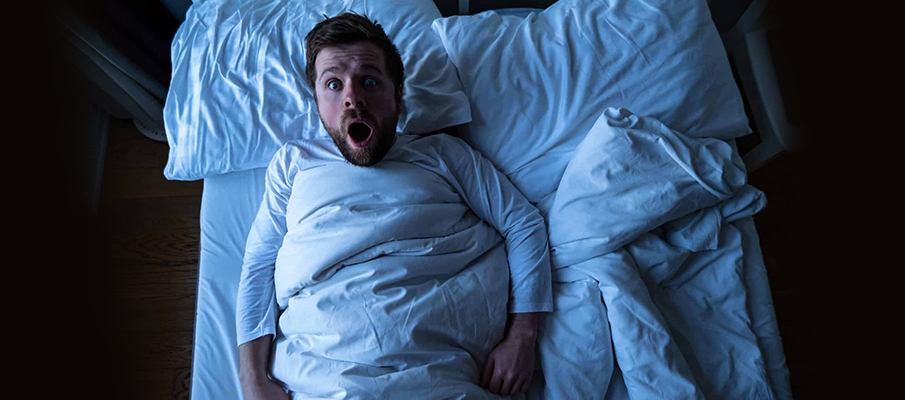
- Awakenings: Does the dream wake you up fully, often with a racing heart or cold sweat?
- Remembered: Can you vividly recall the details of the dream upon waking?
- Clinical Impairment: Does the fear of having these dreams make you anxious about going to bed, or do they impair your work and social life the next day?
If you meet all four criteria, it may be time to consult a sleep specialist or a therapist specializing in cognitive behavioral therapy. There are modern solutions, such as FDA-cleared wearable technologies like Nightware, which use haptic feedback to interrupt nightmares without fully waking the sleeper. Always check if your current medications, such as certain SSRIs or blood pressure drugs, might be contributing to vivid dreaming.
FAQ
What are the most common nightmare meanings?
Most common nightmares revolve around themes of physical danger, such as being chased or falling, or social threats, such as being naked in public or failing a test. These typically represent feelings of helplessness, avoidance, or performance anxiety in your waking life.
Why do I keep having nightmares every night?
Recurring nightmares are often a sign that your brain is unable to finish processing a specific emotional stressor. It may also be triggered by poor sleep hygiene practices, late-night snacking which increases metabolism and brain activity, or underlying anxiety that hasn't been addressed during the day.
What causes nightmares in adults?
In adults, nightmares can be caused by psychological stressors, sleep deprivation, or certain medications. They are also frequently linked to sleep apnea, as the brain may translate the physical struggle for breath into a terrifying dream scenario.
What is the psychological reason for nightmares?
The primary psychological reason is emotional regulation. The brain uses dreams to simulate threats and "rehearse" responses. When the emotional load of a memory is too heavy, the simulation becomes overwhelmed, resulting in a nightmare rather than a standard dream.
What is the difference between a nightmare and a night terror?
A nightmare occurs during REM sleep and is usually remembered vividly. A night terror occurs during deep non-REM sleep; the person may scream or thrash around but usually remains asleep and has no memory of the event the next morning. Night terrors are more common in children but can occur in adults under extreme stress.
How do you interpret nightmares?
To interpret a nightmare, focus on the emotion rather than the literal objects. If you are trapped in a room, ask yourself where in your life you feel restricted. Use dream journaling to track these patterns and look for connections between your daily stressors and your dream symbols.
Improving your sleep quality is a journey that begins with listening to what your subconscious is trying to tell you. By approaching your nightmares with curiosity rather than fear, you can transform them from disruptors into data points for a healthier, more balanced life.