Quick Facts
- FDA Status: The Shield test was officially approved in July 2024 as a primary screening option.
- Accuracy: Clinical data shows an 83.1% sensitivity for detecting colorectal cancer.
- Adherence: Real-world studies show a 95% patient compliance rate compared to lower rates for traditional methods.
- Eligibility: Designed for the average-risk population of adults aged 45 and older.
- Mechanism: Utilizes liquid biopsy technology to identify circulating tumor DNA in the bloodstream.
- Next Steps: A positive result from a colorectal cancer blood test must be followed by a diagnostic colonoscopy.
The new colorectal cancer blood test, primarily the FDA-approved Shield test, is a non-invasive screening tool that uses liquid biopsy technology to detect DNA methylation markers shed by tumors. While it offers 83% sensitivity for cancer, it is intended to complement, not replace, colonoscopies for those who seek screening alternatives.
The Screening Gap: Why Blood Tests Are a Game-Changer
In the world of preventative healthcare, the best test is always the one that actually gets completed. For years, colorectal cancer has remained one of the leading causes of cancer-related deaths, despite being highly preventable. The primary roadblock hasn't been a lack of technology, but a lack of participation. Estimates suggest that roughly 1 in 3 adults are not up-to-date with their recommended screenings. Whether it is the invasive nature of a colonoscopy or the perceived "ick factor" of stool-based tests, many men simply opt out of the process entirely.
This is where the colorectal cancer blood test changes the narrative. In real-world clinical settings, the Shield blood test achieved a patient adherence rate of approximately 95%, which is a staggering improvement over the 28% to 71% adherence rates typically observed with traditional methods. By removing the barriers of bowel prep and invasive procedures, this test brings more people into the screening net.
This shift is more urgent than ever. We are seeing a concerning trend where colorectal cancer cases are increasing by about 1% annually in adults under the age of 55. For the average-risk population, starting screening at age 45 is no longer just a suggestion; it is a vital part of a longevity strategy. A simple blood draw during a routine physical is a friction-free way to ensure you are staying ahead of potential issues.

How It Works: The Science of Liquid Biopsy
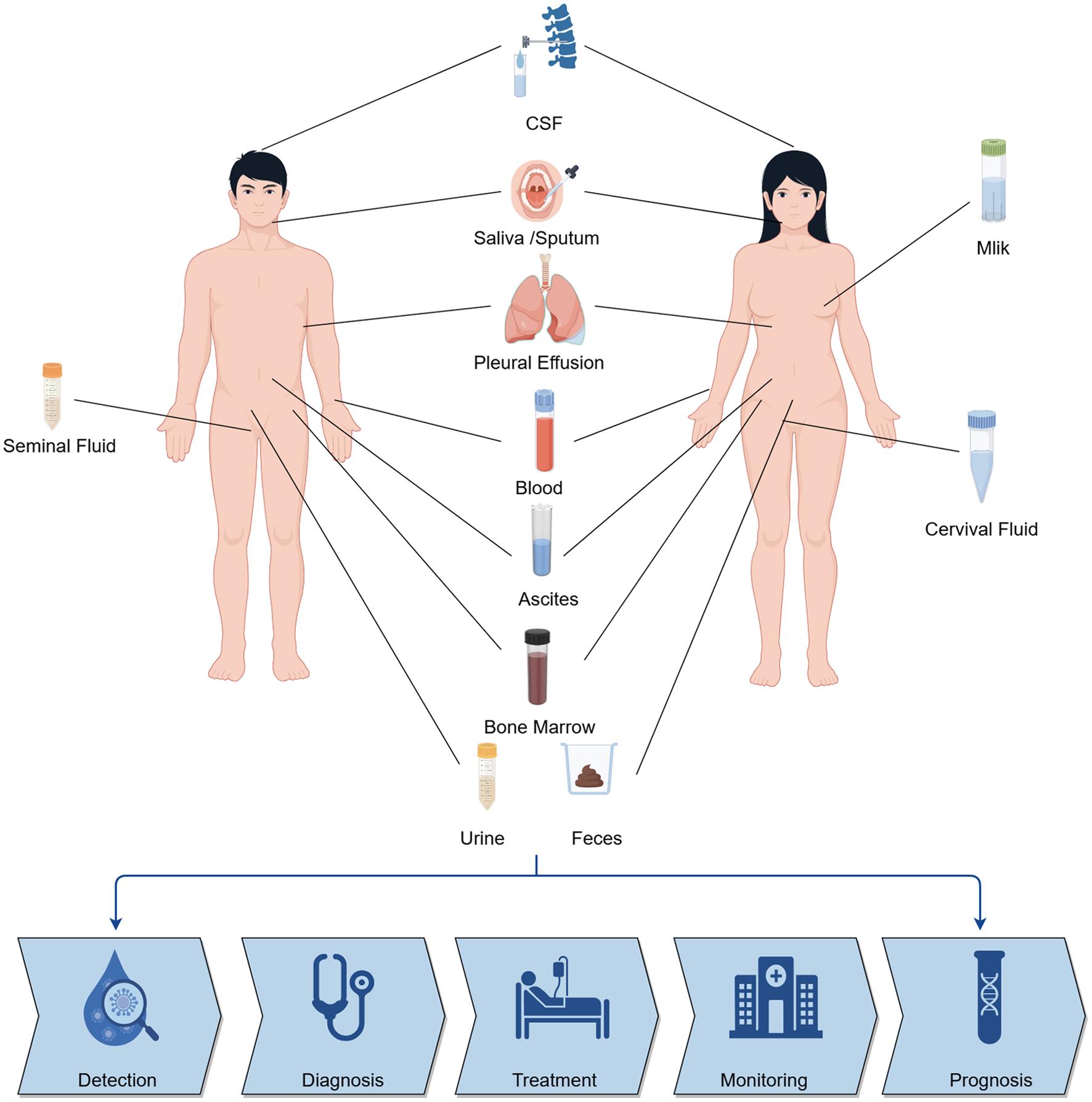
The technology behind this screening is known as a liquid biopsy. When a tumor grows, it undergoes a process of cell death and renewal, during which it sheds small fragments of its genetic material into the bloodstream. These fragments are called circulating tumor DNA, or ctDNA.
Liquid biopsy for colon cancer detection works by distinguishing these tumor fragments from the healthy cell-free DNA that naturally circulates in your body. Scientists have found that tumor-derived DNA often has a specific signature. For instance, healthy DNA fragments are typically around 167 base pairs in length, while ctDNA fragments are often shorter, around 143 base pairs.
The Shield test, developed by Guardant Health, uses advanced genomic sequencing to look for these signals. Specifically, it focuses on DNA methylation markers. Methylation is a chemical modification to DNA that can turn genes on or off; in cancer cells, these patterns become abnormal. By analyzing these patterns across the genome, the test can capture spatial tumor heterogeneity—meaning it can detect signals from different parts of a tumor or even multiple tumors that might be missed by a localized tissue biopsy.
This approach allows for a highly precise look at what is happening inside the body without needing to visualize the colon directly. While it sounds like science fiction, it is grounded in decades of research into how liquid biopsy for colon cancer detection can identify malignancy at a molecular level.
Accuracy & Comparison: Blood Test vs. Colonoscopy vs. Stool Tests
When considering any medical screening, we have to look at two main factors: sensitivity (how good is it at finding the disease?) and specificity (how good is it at correctly identifying those without the disease?). The Shield blood test demonstrated an 83.1% sensitivity for detecting colorectal cancer in a clinical study involving nearly 8,000 participants.
However, it is important to understand the pros and cons of ctDNA blood test for colon cancer. While the test is excellent at finding existing cancer, it is significantly less effective at finding the precursors to cancer. According to the ECLIPSE trial results, the test had a lower sensitivity of only 13.2% for detecting advanced precancerous lesions. This is a critical distinction because a colonoscopy can find and remove these polyps before they ever become cancerous.
| Screening Feature | Colorectal Cancer Blood Test | Stool-Based Test (FIT) | Colonoscopy |
|---|---|---|---|
| Cancer Sensitivity | 83.1% | 75% - 80% | 95%+ |
| Pre-Cancer Sensitivity | 13.2% | 24% | 90%+ |
| Specificity | 90% | 95% | N/A (Diagnostic) |
| Preparation | None | None | Extensive (Bowel Prep) |
| Procedure | Blood Draw | At-home collection | Sedated procedure |
When looking at the accuracy of colorectal cancer blood test vs stool tests, the blood test is comparable in terms of cancer detection but falls short in polyp detection. For many patients, the choice comes down to which test they are willing to perform consistently. The blood test has a false positive rate of about 10%, meaning 1 in 10 people may be told they have a potential issue when they do not, leading to an unnecessary follow-up procedure.
Preparation and Next Steps: What to Do If Results Are Positive
One of the major advantages of a non-invasive colorectal cancer screening alternatives is that they require very little in the way of lifestyle disruption. For most people, a colorectal cancer blood test does not require fasting or a day off work. However, some healthcare providers may suggest a small preparation checklist to ensure the highest accuracy.
- Medication Review: Some clinicians suggest stopping non-steroidal anti-inflammatory drugs (NSAIDs) like ibuprofen or aspirin for 7 days before the test to reduce any potential interference, though this is not always strictly required.
- Supplement Check: High doses of Vitamin C (over 250mg) should ideally be avoided for 3 days before the draw, as it can occasionally interfere with certain chemical assays used in blood analysis.
- Documentation: Ensure your provider has updated your family history, as those with a strong history of gastrointestinal oncology may still be better served by starting with a colonoscopy.
If you receive a positive result from your colorectal cancer blood test, do not panic. A positive result is not a definitive diagnosis of cancer; rather, it is a signal that further investigation is needed. The standard protocol for what to do if colorectal cancer blood test is positive is to schedule a diagnostic follow-up colonoscopy immediately. This allows a specialist to visualize the colon and remove any polyps or biopsy any suspicious masses.
Regarding medical insurance reimbursement, the landscape is shifting quickly. Following the FDA regulatory approval in mid-2024, many private insurers and Medicare are updating their coverage policies. It is always wise to check with your provider and insurance company regarding current coverage for non-invasive colorectal cancer screening alternatives for seniors and the general 45+ population.
FAQ
Can a blood test detect colorectal cancer?
Yes, modern blood tests like the Shield test can detect signals associated with colorectal cancer by identifying tumor DNA fragments in the bloodstream. While highly effective at identifying the presence of cancer, these tests are used as a screening tool to determine who needs further diagnostic testing.
How accurate is the blood test for colon cancer?
The blood test has a sensitivity of approximately 83.1% for detecting colorectal cancer, meaning it identifies about 8 out of 10 cases. It also has a 90% specificity for advanced neoplasia, though its ability to detect early precancerous polyps is significantly lower than a colonoscopy.
Who should get a colorectal cancer blood test?
This test is intended for adults aged 45 and older who are at average risk for colorectal cancer. It is specifically designed as an alternative for individuals who have historically avoided or are unable to undergo traditional screening methods like colonoscopies or stool-based tests.
What is the name of the FDA-approved blood test for colon cancer?
The primary FDA-approved blood test for colorectal cancer screening is called Shield, developed by Guardant Health. It received its official approval for primary screening in July 2024.
Does insurance cover the cost of a colorectal cancer blood test?
Medicare currently covers the blood test for eligible beneficiaries every three years. Many private insurance companies are in the process of updating their policies following the recent FDA approval, so it is recommended to verify coverage with your specific insurance provider.
Is the colon cancer blood test effective for detecting polyps?
The blood test is much less effective at detecting precancerous polyps compared to its ability to detect cancer. It has a sensitivity of only about 13% for advanced precancerous lesions, whereas a colonoscopy is considered the gold standard because it can both detect and remove these polyps before they turn into cancer.
Take Action for Your Longevity
Colorectal cancer is a formidable opponent, but it is also one of the most preventable diseases we face. If you have been putting off your screening because of the time, prep, or discomfort associated with a colonoscopy, the colorectal cancer blood test offers a path forward. It represents a major leap in preventative healthcare, prioritizing accessibility and patient compliance.
While colonoscopy remains the gold standard for its ability to prevent cancer by removing polyps, a blood test that you actually take is infinitely better than a colonoscopy you keep rescheduling. Talk to your doctor today about who is eligible for the new colon cancer blood test and take that simple first step toward securing your long-term health. Your future self will thank you.