Quick Facts
- Availability Status: Full resolution achieved with all dose strengths from 2.5 mg to 15 mg now in stock.
- FDA Milestone: The federal agency officially removed Mounjaro from the drug shortage database on October 2, 2024, with supply lines fully stabilized by May 2026.
- Transition Safety: Patients switching from alternative GLP-1 medications require a 5-7 day washout period and a provider-led titration schedule.
- Clinical Efficacy: Data shows 91% of participants achieved an A1C of 7% or lower when adhering to the name-brand tirzepatide regimen.
- Sourcing Strategy: Priority fulfillment is now available through major retail chains and preferred mail-order services with verified pharmacy inventory.
- Dose Initiation: Patients who experienced a treatment gap longer than two weeks may need to restart at the 2.5mg initiation dose to manage metabolic side effects.
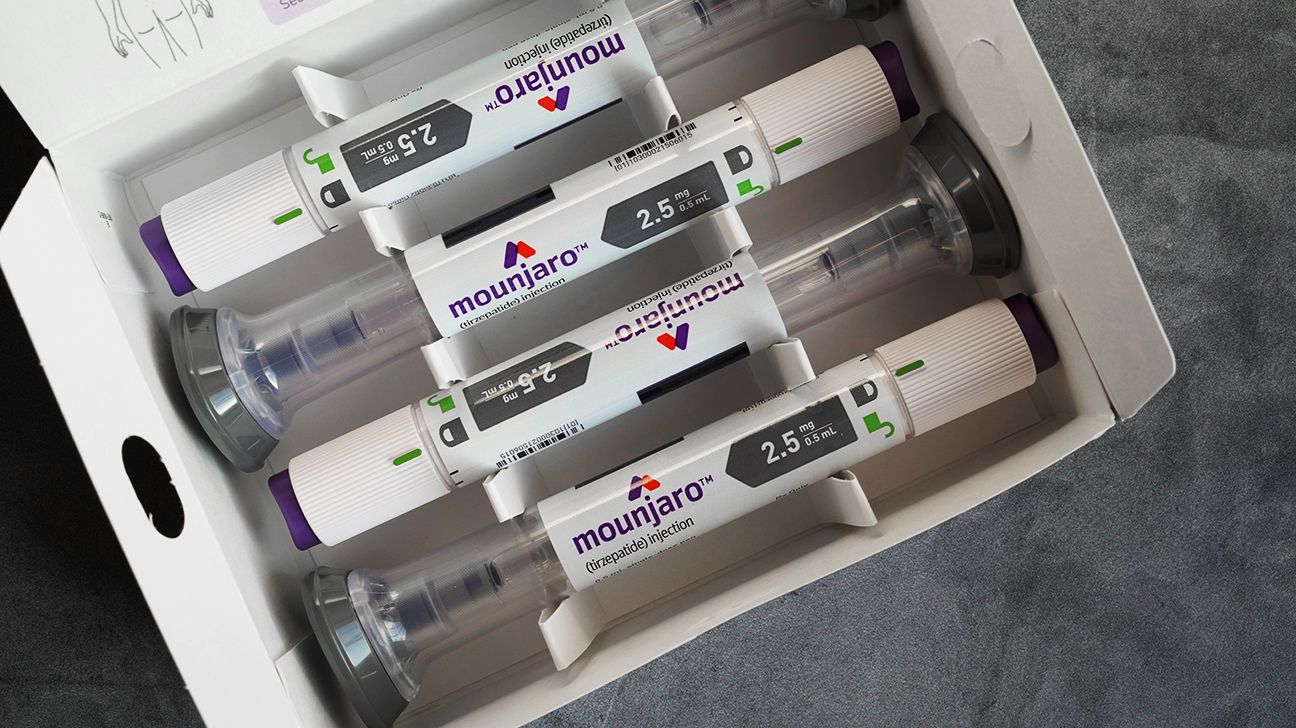
As of May 2026, Mounjaro availability has returned to normal levels following the FDA's removal of tirzepatide from the official drug shortage list. All dose strengths, ranging from 2.5 mg to 15 mg, are now widely accessible at retail and mail-order pharmacies due to Eli Lilly’s expanded manufacturing capacity and supply chain recovery.
Current Mounjaro Supply Status by Dose (2026)
For nearly two years, the diabetes community navigated a landscape of uncertainty, calling dozens of pharmacies and rationing doses. Today, that landscape has shifted significantly. The primary driver behind this recovery has been Eli Lilly’s aggressive manufacturing capacity expansion, which included the opening of new high-tech facilities dedicated specifically to the production of the tirzepatide molecule and its complex delivery pens.
While individual local pharmacies may still experience the occasional 2-10 day restock cycle depending on their specific wholesaler, the systemic, nationwide gaps that defined the 2023-2025 period have closed. For patients, this means that the frantic search for a specific milligram strength is largely a thing of the past.
The current pharmacy inventory reflects a stable flow of all six FDA-approved doses. Below is the status of Mounjaro availability as of the latest update:
| Dose Strength | Supply Status | Common Lead Time |
|---|---|---|
| 2.5 mg | Available | Immediate to 24 hours |
| 5.0 mg | Available | Immediate to 24 hours |
| 7.5 mg | Available | 24 - 48 hours |
| 10 mg | Available | 24 - 48 hours |
| 12.5 mg | Available | 48 hours |
| 15 mg | Available | 24 - 48 hours |
Maintaining a maintenance dosage is now much simpler, but I always recommend that my readers maintain a proactive relationship with their pharmacist. Even with the shortage over, confirming your prescription fulfillment a few days before your last pen is used remains a smart habit for long-term wellness and peace of mind.
GLP-1 Therapy Transition Guide: Switching Back Safely
If you have been using compounded tirzepatide or a different GLP-1 medication like Ozempic or Wegovy during the shortage, returning to the brand-name pen requires a structured clinical approach. You cannot simply swap one for the other at the same numerical dose without considering the differences in delivery systems and molecular half-lives.
The primary goal of a GLP-1 therapy transition guide is to protect your gastrointestinal health while ensuring your A1c reduction remains on a downward trajectory. Clinical evidence from the SURPASS-4 trial highlighted that participants starting at or above an 8.0% baseline saw significant improvements in their glycemic control when they adhered to the standardized titration schedule.
When moving back to the official Eli Lilly product, your healthcare provider will likely discuss two critical protocols:
The Restart Rule: If you have been off tirzepatide for more than 14 days, your body’s sensitivity to the medication may have reset. Jumping back in at a 10mg or 15mg dose could cause severe nausea or dehydration. Many providers recommend restarting at the 2.5mg initiation dose to re-acclimatize your system.
The 5-7 Day Washout: When switching from Wegovy back to Mounjaro, doctors typically advise waiting until your next scheduled injection day to ensure the previous medication has sufficiently cleared your receptors. This prevents the overlapping peaks of two different agonists, which can lead to increased metabolic side effects.

Managing your transition involves more than just the physical subcutaneous injection; it is about metabolic health stability. During the switch, pay close attention to your hydration and protein intake. The branded pen offers a precise, single-use delivery that might feel different than the syringes used with compounded versions. Always ensure you are comfortable with the pen mechanism before your first dose back.
How to Secure Your Mounjaro Supply in 2026
Even though Mounjaro availability is no longer a crisis, navigating the insurance and pharmacy landscape requires a bit of strategy. The end of a shortage often brings a surge in demand as thousands of patients transition back to their preferred therapy simultaneously.
To ensure your continuity of care and avoid any hiccups in your diabetes management, consider these lifestyle-focused tips for finding Mounjaro at local pharmacies:
- ? Verify 2026 Insurance Coverage: Many insurance formularies updated their policies once the official shortage ended. Check if your plan now requires a new prior authorization for name-brand tirzepatide or if they have a preferred mail-order pharmacy that offers a 90-day supply.
- ? Look Beyond Large Chains: While big-box retailers have high volume, small independent pharmacies often have different wholesale distributors. These local gems can sometimes source a specific dose when a larger neighbor is waiting on a truck.
- ? Utilize Hospital Pharmacies: Outpatient pharmacies located within hospital systems often have more robust supply chains and are highly experienced in managing high-demand injectable medications.
- ? Monitor Pharmacy Inventory via Portals: Many modern pharmacy apps now provide real-time stock alerts. Setting up notifications can save you the time and stress of making multiple phone calls.
I strongly discourage the use of compounded alternatives now that the name-brand supply has stabilized. The FDA removal of a drug from the shortage list means that the temporary permissions for compounding pharmacies to produce copies of the drug have largely expired. Returning to the FDA-approved product ensures you are getting the exact formulation tested in the SURPASS trials, with the safety of the patented delivery device.
FAQ
When will Mounjaro be back in stock at pharmacies?
Mounjaro is currently back in stock at the majority of pharmacies nationwide. As of May 2026, the supply chain recovery is complete, following the formal end of the shortage previously noted by the FDA. While a specific local store might occasionally be between shipments, the systemic delays have been resolved, and pharmacies can typically order any dose for delivery within 24 to 48 hours.
What should I do if my dose of Mounjaro is unavailable?
If your local pharmacy is temporarily out of a specific dose, first ask the pharmacist to check the inventory of nearby stores within the same chain. If that fails, contact your insurance provider to identify their preferred mail-order pharmacy, as these facilities often hold larger stockpiles. You should also consult your doctor about whether a slightly different dose strength is an appropriate temporary measure to maintain your titration schedule.
Can I switch to Zepbound if Mounjaro is out of stock?
Zepbound contains the same active ingredient, tirzepatide, but it is FDA-approved specifically for chronic weight management rather than type 2 diabetes. While the medications are chemically identical, your insurance coverage may differ significantly between the two. If Mounjaro were to become unavailable, you would need a new prescription for Zepbound and a separate insurance authorization, so it is vital to discuss this transition with your healthcare provider first.
Why is it harder to find higher doses of Mounjaro?
Historically, higher doses like 12.5 mg and 15 mg experienced more frequent delays because they require a higher concentration of the active tirzepatide and were in high demand for patients reaching the end of their titration schedule. However, with Eli Lilly’s current manufacturing capacity expansion, these higher strengths are now produced at levels that match patient demand. If you encounter a delay, it is usually a localized logistics issue rather than a national production shortage.
Prioritizing Long-Term Wellness
The resolution of the Mounjaro shortage marks a significant turning point for those managing type 2 diabetes. For my readers, this is more than just a logistical update; it is about the ability to return to a consistent daily routine without the underlying stress of medication scarcity.
As you move forward, focus on the "Preventive Care" aspect of your journey. Use this period of stable supply to work closely with your medical team on a long-term maintenance dosage that supports your metabolic health goals. Remember, medication is a powerful tool, but it works best when paired with the self-care practices we discuss here every week—quality sleep, stress reduction, and mindful movement.
Stay proactive, stay informed, and enjoy the peace of mind that comes with a reliable path to health.