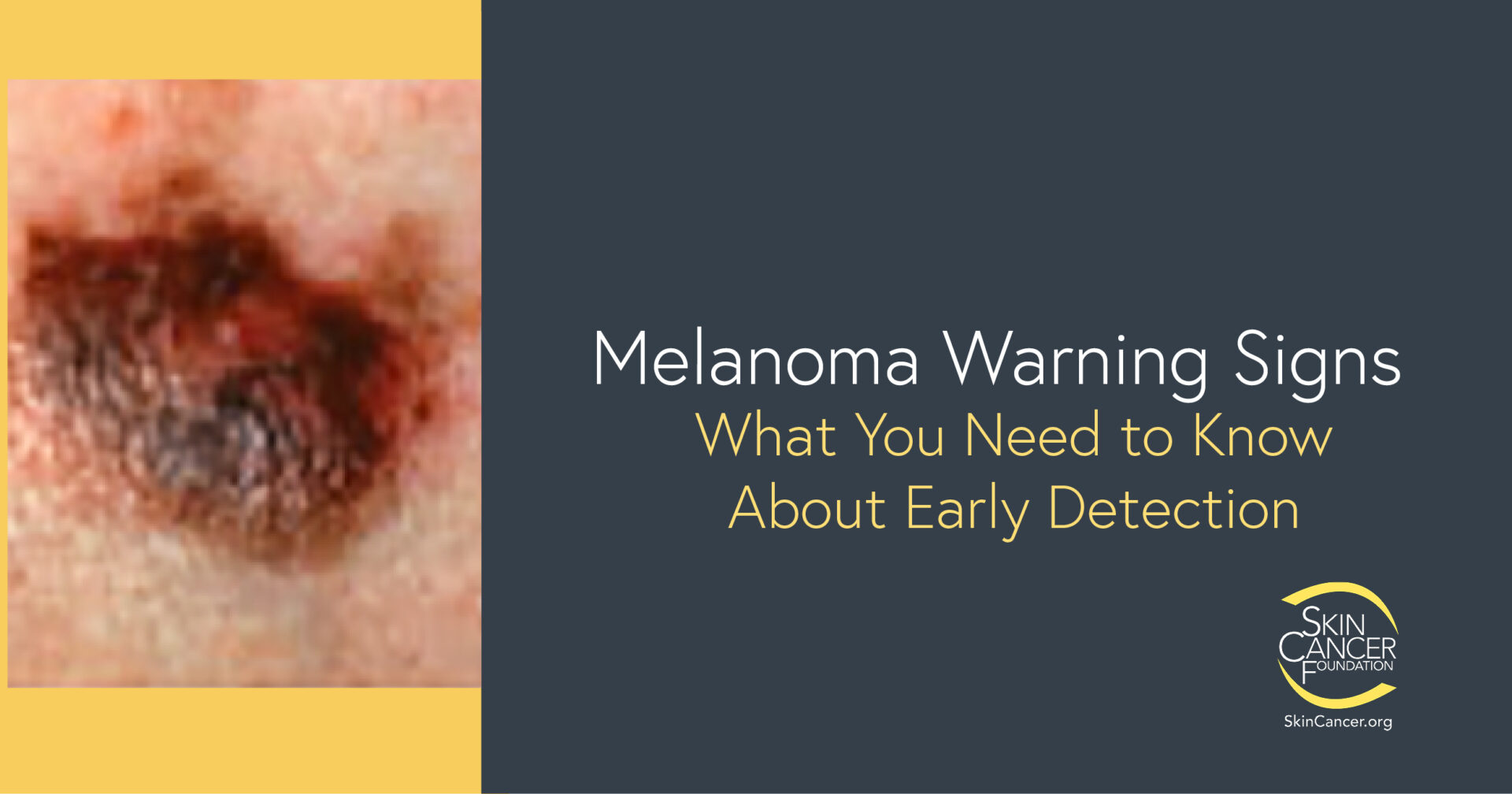
Quick Facts
- Survival Advantage: There is a 99 percent five-year survival rate for melanoma when it is detected early before spreading to the lymph nodes.
- Prevalence: Research indicates that one in five Americans will develop some form of skin cancer by the age of 70.
- Daily Impact: Approximately 9,500 people in the United States are diagnosed with skin cancer every single day.
- Standard Size: Any spot with a diameter larger than 6mm, roughly the size of a pencil eraser, requires professional attention.
- Growth Speed: Aggressive forms of cutaneous oncology can change significantly in as little as two weeks.
- New vs Old: Between 70% and 80% of melanomas appear on previously normal skin rather than evolving from an existing mole.
To identify early skin cancer signs, utilize the ABCDE method: check for Asymmetry, irregular Borders, varying Colors, a Diameter over 6mm, and any Evolving traits. Additionally, apply the EFG rule for fast-growing lesions that are Elevated, Firm, and Growing rapidly. Detecting these melanoma early warning signs during a monthly skin self-examination is the most effective way to ensure a positive long-term wellness outcome.
The Gold Standard: Using the ABCDE Method
As someone dedicated to preventive healthcare, I cannot overstate the importance of knowing your own skin. The most recognized framework for identifying melanoma early warning signs was established by researchers at NYU in 1985. This ABCDE method for moles remains the gold standard for both patients and clinicians today. It provides a simple yet effective alphabetical checklist to help you distinguish between a benign beauty mark and a potential malignant transformation.
The first letter, A, stands for Asymmetry. If you were to draw a line through the center of a typical mole, the two halves would look like mirror images. In contrast, many skin cancer signs manifest as asymmetrical lesions where one side does not match the other. This lack of uniformity is often the first visual cue that something is amiss within the skin's cellular structure.
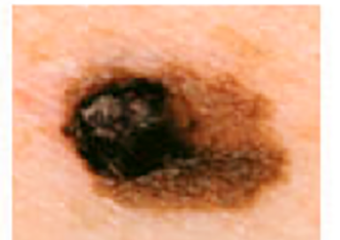
B represents the Border. Healthy moles generally have smooth, even edges that are clearly defined against the surrounding skin. When you are looking for skin cancer signs, you should be wary of borders that appear ragged, notched, or blurred. These irregular perimeters suggest that cells are growing outward in an uncontrolled fashion, which is a hallmark of atypical nevi.
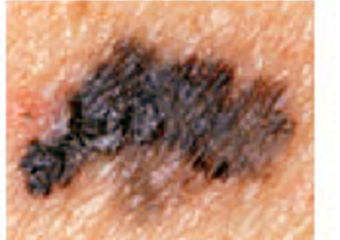
C is for Color. Most harmless moles are a single shade of brown or tan. However, melanoma early warning signs often involve a variety of colors within a single lesion. You might see different shades of brown, black, or tan, and in more advanced cases, even patches of red, white, or blue. This pigmentation variance is a significant indicator that the melanocytes are behaving abnormally.
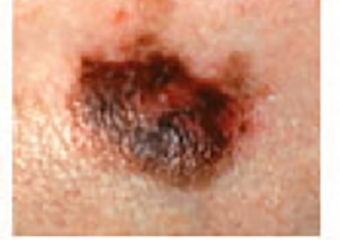
D refers to Diameter. While it is true that some melanomas can be small, the majority of concerning lesions are larger than 6mm, which is about the size of a standard pencil eraser. Using the ABCDE method for identifying suspicious moles involves measuring any spot that seems larger than its neighbors. If a mole is growing, it should be evaluated by a professional regardless of its current size.
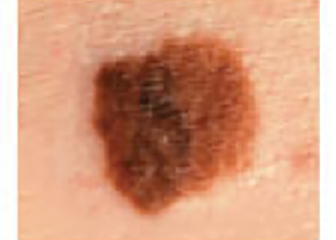
Finally, E stands for Evolving. In my view as a lifestyle editor, this is the most critical factor. Any change in size, shape, color, or elevation is a major red flag. You should also watch for new physical sensations, such as a mole that begins to itch, bleed, or crust over. Evolution is the key differentiator between a stable mole you have had since childhood and a life-threatening malignancy.
Spotting Aggressive Types: The EFG Rule
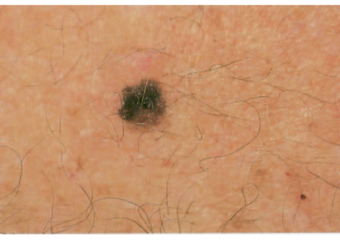
While the ABCDE method for moles is excellent for detecting superficial spreading melanoma, it may miss more aggressive forms. Nodular melanoma is a particularly dangerous variant that accounts for a disproportionate number of deaths because it grows vertically and deeply into the skin very quickly. To catch these, we use the EFG rule for detecting fast growing skin lesions.
When considering the early signs of nodular melanoma vs superficial spreading melanoma, the visual cues are different. Nodular types often lack the asymmetry or irregular borders seen in other cancers. Instead, they often appear as a new, symmetrical bump that might look like a harmless pimple or a blood blister. The EFG rule helps you identify these by looking for spots that are:
- Elevated: The lesion is raised above the skin surface, often appearing like a small dome or a firm "dot."
- Firm: When you touch the spot, it feels hard or puffy rather than soft like the surrounding tissue.
- Growing: The spot increases in size rapidly over a period of weeks rather than months.
If you notice a new growth that follows this pattern, do not wait for your annual check-up. The two-week rule is vital here: if a new spot or bump does not go away or continues to grow for more than 14 days, you must seek professional dermatological screening. Early detection of these aggressive types is essential for successful treatment.
Step-by-Step Guide: Monthly Skin Self-Examination
Developing a routine is the cornerstone of preventive health. I recommend performing a skin self-examination once a month. This practice allows you to become familiar with the "map" of your skin, making it much easier to spot new skin cancer signs when they first appear. To get started, you will need a well-lit room, a full-length mirror, a hand mirror, and a stool or chair.
Follow these skin self-examination steps for a comprehensive head-to-toe check:
- Face and Scalp: Examine your face, especially the nose, lips, mouth, and ears. Use a hand mirror and a blow dryer to move your hair so you can inspect your scalp thoroughly.
- Hands and Arms: Check your palms and the backs of your hands, the spaces between your fingers, and under your fingernails. Continue up your forearms to your elbows and upper arms, including the underarms.
- Torso: Stand in front of the full-length mirror and examine your chest and stomach. Women should lift their breasts to check the skin underneath.
- Back and Neck: Use the hand mirror to inspect the back of your neck and your shoulders. Systematically scan your upper and lower back, as well as your buttocks.
- Legs and Feet: Sit down and check the fronts and sides of your legs. Use the hand mirror to inspect the backs of your thighs and calves. Finish by checking your feet, including the soles, the heels, and the spaces between your toes and under the toenails.
As you perform these how to perform a skin self-examination at home steps, consider taking photos of any moles that look slightly unusual. This creates a visual baseline that allows you to monitor for malignant transformation over time. If a spot looks different a month later, you have clear evidence to show your doctor.
Hidden Signs and the Ugly Duckling Rule
Sometimes, the most dangerous skin cancer signs are not the ones that look the "worst," but the ones that look different from all your other moles. This is known as using the ugly duckling rule for skin cancer. Most people have a "signature" type of mole—they might all be small and dark, or large and pale. If you find one mole that stands out as an outlier—the "ugly duckling" of the group—it warrants immediate investigation, even if it does not strictly meet all the ABCDE criteria.
It is also a common misconception that skin cancer only occurs in areas with high ultraviolet radiation exposure. While the sun is a primary risk factor, cancer can develop in hidden areas. Acral Lentiginous Melanoma (ALM) is a form of the disease that appears on the palms, soles of the feet, or under the nails. This type is more common in people of color and is often misdiagnosed as a bruise or a fungal infection.
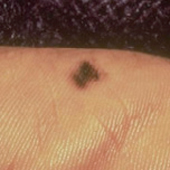
Watch for visual vs. tactile changes. A spot might look the same but start feeling physically different. If a mole becomes itchy, tender, or painful, or if it begins to spontaneously bleed or ooze, these are significant indicators of potential malignancy. Never ignore a lesion that behaves differently than the rest of your skin.
Professional Screening: When to See a Dermatologist
Self-exams are your first line of defense, but they do not replace a professional dermatological screening. I recommend that every adult have a baseline professional skin check once a year. A dermatologist has the expertise and tools, such as a dermoscopy, to see structures within the skin that are invisible to the naked eye.
If you discover a spot during your monthly check that meets any of the ABCDE or EFG criteria, make an appointment immediately. When you visit the clinic, the doctor will examine the lesion and may perform a histopathological biopsy. This involves taking a small tissue sample to be analyzed in a lab. It is a quick, routine procedure that provides a definitive diagnosis.
While detection is the focus of this guide, remember that photoprotection measures are your best prevention strategy. Use a broad-spectrum SPF 30+ sunscreen every day, wear protective clothing, and try to avoid direct sun exposure between 10 AM and 4 PM when the rays are strongest. Combining these habits with regular monitoring is the ultimate long-term wellness strategy for your skin.
FAQ
What do the first signs of skin cancer look like?
The first signs can vary depending on the type of cancer. For basal cell carcinoma, it might look like a pearly or waxy bump or a flat, flesh-colored scar. Squamous cell carcinoma often appears as a firm, red nodule or a flat lesion with a scaly, crusted surface. For melanoma, the first sign is usually a change in an existing mole or the development of a new, unusual-looking growth that follows the ABCDE or EFG patterns.
How can you tell if a mole is cancerous?
You cannot definitively tell if a mole is cancerous just by looking at it, which is why professional diagnosis is required. However, you should be highly suspicious of any mole that is asymmetrical, has irregular borders, contains multiple colors, is larger than 6mm, or is evolving in size, shape, or texture. If a mole stands out from others on your body—the ugly duckling—it should be checked.
What are the 5 signs of skin cancer?
The five primary signs used for melanoma detection are summarized by the ABCDE acronym: Asymmetry (one half doesn't match the other), Border (edges are irregular or blurred), Color (the spot has multiple shades), Diameter (it is larger than 6mm), and Evolving (it is changing over time). Additionally, for fast-growing types, the EFG signs (Elevated, Firm, and Growing) are critical.
What does an early stage melanoma look like?
Early stage melanoma often looks like a flat or slightly raised patch of skin with irregular borders and varied colors. It may resemble a common mole but will typically fail the ABCDE test. In its earliest form, known as melanoma in situ, the cancer is confined to the top layer of the skin and may look like a small, harmless freckle that is slowly expanding or changing color.
When should I be worried about a new spot on my skin?
You should be concerned about a new spot if it appears after the age of 21, as most benign moles appear in childhood and early adulthood. Specifically, worry if the spot is growing rapidly, feels firm to the touch, bleeds without being scratched, or exhibits any of the ABCDE warning signs. If a new spot lasts longer than two weeks without resolving, it is time to consult a dermatologist.