Quick Facts
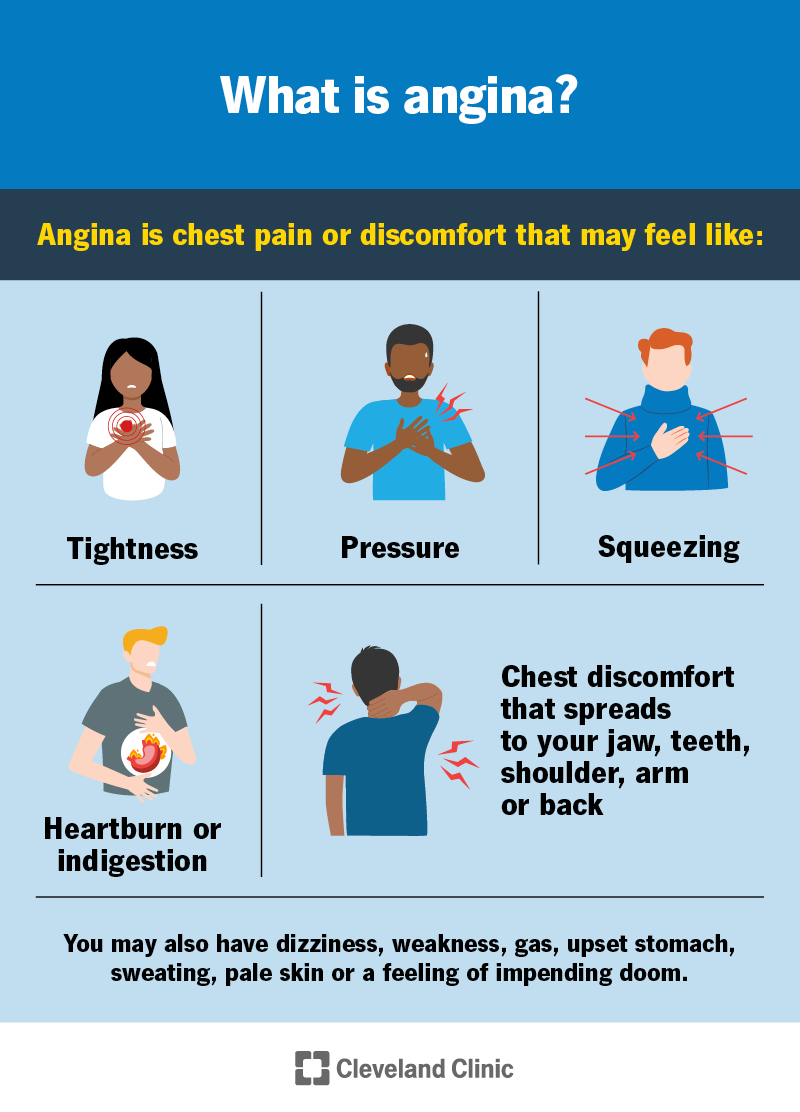
- Critical Symptom: Chest pressure, tightness, or squeezing (substernal pressure)
- Duration: Symptoms often last more than 2 minutes or come and go
- The 1-in-5 Rule: 20% of cases are 'silent' where damage occurs without typical pain
- Survival Factor: Early recognition reduces mortality from 6.7% to 1.5%
- Emergency Protocol: Always call 911 rather than driving to the ER
Common heart attack signs include chest pain or discomfort characterized by pressure, tightness, squeezing, or aching in the center of the chest. This pain often spreads to the shoulders, arms, neck, jaw, or back. Other symptoms include shortness of breath, cold sweats, nausea, lightheadedness, and unusual fatigue. Women and older adults may experience atypical symptoms like indigestion or localized back pain instead of classic chest pressure.
Identifying Heart Attack Signs: The Early Warning Signals
Recognizing heart attack signs is not always as dramatic as the movies suggest. For many, a Myocardial infarction begins with a subtle sense of unease or a dull discomfort that builds over time. Imagine an elephant sitting on your chest—this metaphor is frequently used by patients to describe substernal pressure. Unlike a sudden muscle cramp, early heart attack symptoms often involve a gradual onset of diffuse pressure or squeezing that lasts more than a few minutes.
It is a common misconception that cardiac events happen without warning. In fact, research shows that between 40% and 60% of heart attack patients experience prodromal symptoms, such as unusual fatigue, sleep disturbances, or chest discomfort, in the weeks or months prior to a major cardiac event. If you notice a persistent change in your energy levels accompanied by a vague Angina pectoris sensation, your body may be signaling primary warning signs that require a preventive consultation.
During the event itself, the body often enters a state of high stress. You might experience Dyspnea, making it feel impossible to catch your breath even while resting. This is frequently paired with Diaphoresis, which is a sudden cold sweat that is not related to physical exertion or room temperature. Being aware of these signs of a silent heart attack to watch for is essential, as the heart can sustain damage even if the individual remains unaware of the severity of the situation.
Heart Attack vs. Other Causes: Differentiating the Pain
Distinguishing between a life-threatening emergency and a benign issue like indigestion is one of the most stressful challenges for patients. When evaluating chest pain vs heart attack symptoms, the nature of the sensation is your most important clue. Heart-related pain is rarely sharp or stabbing; instead, it is felt as a heavy, crushing weight that is difficult to pinpoint with a single finger.
The following table provides a clear breakdown of how to differentiate these sensations:
| Feature | Heart Attack Sensation | Other Causes (Reflux, Anxiety, Muscle) |
|---|---|---|
| Pain Quality | Dull pressure, squeezing, or crushing tightness | Sharp, stabbing, or burning sensation |
| Duration | Lasts several minutes, or goes away and returns | Lasts only a few seconds or remains for many hours |
| Position | Pain persists regardless of movement or position | Pain may change when you breathe, cough, or move |
| Location | Diffuse, felt in the center or left of the chest | Often localized to one small spot you can point to |
| Associated Signs | Nausea, cold sweat, shortness of breath | Sour taste in mouth, localized tenderness to touch |
Differentiating heart attack symptoms from common chest pain is vital for avoiding unnecessary panic while ensuring you don't ignore a crisis. For example, heart attack vs acid reflux chest pain can be tricky because both may cause Epigastric distress. However, Gastroesophageal reflux disease usually responds to antacids and is often triggered by lying down after a meal. Conversely, sharp stabbing chest pain vs heart attack pressure is usually musculoskeletal, such as Costochondritis, especially if the area is tender when you press on your ribs.
Atypical Symptoms in Women, Seniors, and Diabetics
The "classic" heart attack signs were largely defined by studies on middle-aged men, which often leaves women and seniors at a disadvantage. In the United States, approximately 805,000 people suffer a heart attack every year, and about one in five of these cases are classified as 'silent.' This means the person may not feel any chest pressure at all.
For women, demographic-specific symptoms often manifest as extreme, unexplained exhaustion that makes daily tasks feel impossible. They are more likely to experience nausea, lightheadedness, and pain that radiates specifically to the jaw or the upper back between the shoulder blades. Seniors and those living with diabetes may have a muted pain response due to neuropathy, meaning they might only present with sudden Dyspnea or confusion. Understanding these atypical heart attack signs in women and seniors is critical because delayed treatment leads to worse outcomes. Even without the "clutching the chest" moment, the underlying Coronary artery disease is just as dangerous.

When to Go to the ER: The Emergency Protocol
When it comes to your heart, time is muscle. If you experience emergency heart attack warning signs, you must act within minutes. According to clinical data, patients who correctly recognize the warning signs of a heart attack have a significantly lower in-hospital mortality rate of 1.5% compared to 6.7% for those who delay.
If you suspect you or someone else is having a cardiac event:
- Call 911 immediately. Do not attempt to drive yourself to the hospital. Paramedics can begin life-saving treatment, such as administering oxygen or Nitroglycerin, the moment they arrive.
- If the person is conscious and not allergic, have them chew and swallow one adult-strength aspirin or two baby aspirins to help thin the blood.
- If the person becomes unconscious and is not breathing, begin Hands-only CPR. Push hard and fast in the center of the chest at a rate of 100-120 bpm (to the beat of "Stayin' Alive").
- If you have been prescribed Nitroglycerin for Angina, follow your doctor’s specific instructions on when to take it during when to go to the ER for chest pain scenarios.
Calling for help ensures you bypass the hospital waiting room. Emergency medical services are trained to stabilize a patient experiencing Cardiac arrest and can transmit an Electrocardiogram directly to the ER doctors while en route.
What to Expect at the Hospital: The Clinical Path
Once you arrive at the emergency department, the medical team will work rapidly to confirm if a Myocardial infarction is in progress. The first step is almost always an Electrocardiogram (ECG or EKG). This painless test records the electrical activity of your heart and can show if the heart muscle is being deprived of oxygen in real-time.
In addition to the ECG, doctors will perform blood tests to look for specific proteins, such as Troponin. These proteins are released into the bloodstream when the heart muscle is damaged. While the environment may feel fast-paced and stressful, remember that these tools are designed for precision. Even if your tests come back negative for a heart attack, the visit is never a "waste of time." Ruling out a life-threatening event is a vital part of proactive health management and long-term wellness.

FAQ
What are the most common signs of a heart attack?
The most frequent symptoms include pressure, tightness, or a squeezing sensation in the center of the chest that lasts for more than a few minutes. This is often accompanied by shortness of breath, cold sweats, and discomfort that may spread to the arms, neck, or jaw.
How do heart attack symptoms differ in women?
Women are less likely to experience the classic chest-crushing pain. Instead, they often report unusual fatigue, nausea, lightheadedness, and pain in the upper back, jaw, or neck. Many women describe the sensation as a general feeling of pressure or even an "upset stomach" rather than sharp pain.
Can you have a heart attack without chest pain?
Yes, this is known as a silent heart attack. About 20% of heart attacks occur without obvious symptoms or with very mild discomfort that the person ignores. This is particularly common in older adults and individuals with diabetes who may have reduced pain sensitivity.
What should you do immediately if someone shows signs of a heart attack?
You should call 911 right away. Keep the person calm and seated, and if they are not allergic, have them chew an aspirin. If they lose consciousness and stop breathing, perform chest compressions (hands-only CPR) until emergency responders arrive.
Can indigestion be mistaken for a heart attack?
Indigestion, acid reflux, and heartburn are frequently mistaken for cardiac issues because they all occur in the upper chest and throat area. However, heart-related pain typically does not improve with antacids and is often accompanied by other systemic symptoms like sweating or difficulty breathing.
Do heart attack symptoms start suddenly or gradually?
While some heart attacks are sudden and intense, many start slowly with mild pain or discomfort. Symptoms may come and go for several hours or even days before the event becomes severe. Recognizing these early, gradual signals is the key to preventing permanent heart damage.