Quick Facts
- Vaccine Safety: The flu shot is 100% safe and highly recommended for individuals with both Type 1 and Type 2 diabetes.
- Glucose Impact: You may notice a transient increase in blood sugar levels within the first 24 to 48 hours due to a natural immune response.
- Hospitalization Risk: Statistics show a 79% reduction in diabetes-related hospitalizations for those who are vaccinated.
- Immunity Window: It takes approximately 14 days after the injection for the body to build full protection against the influenza virus.
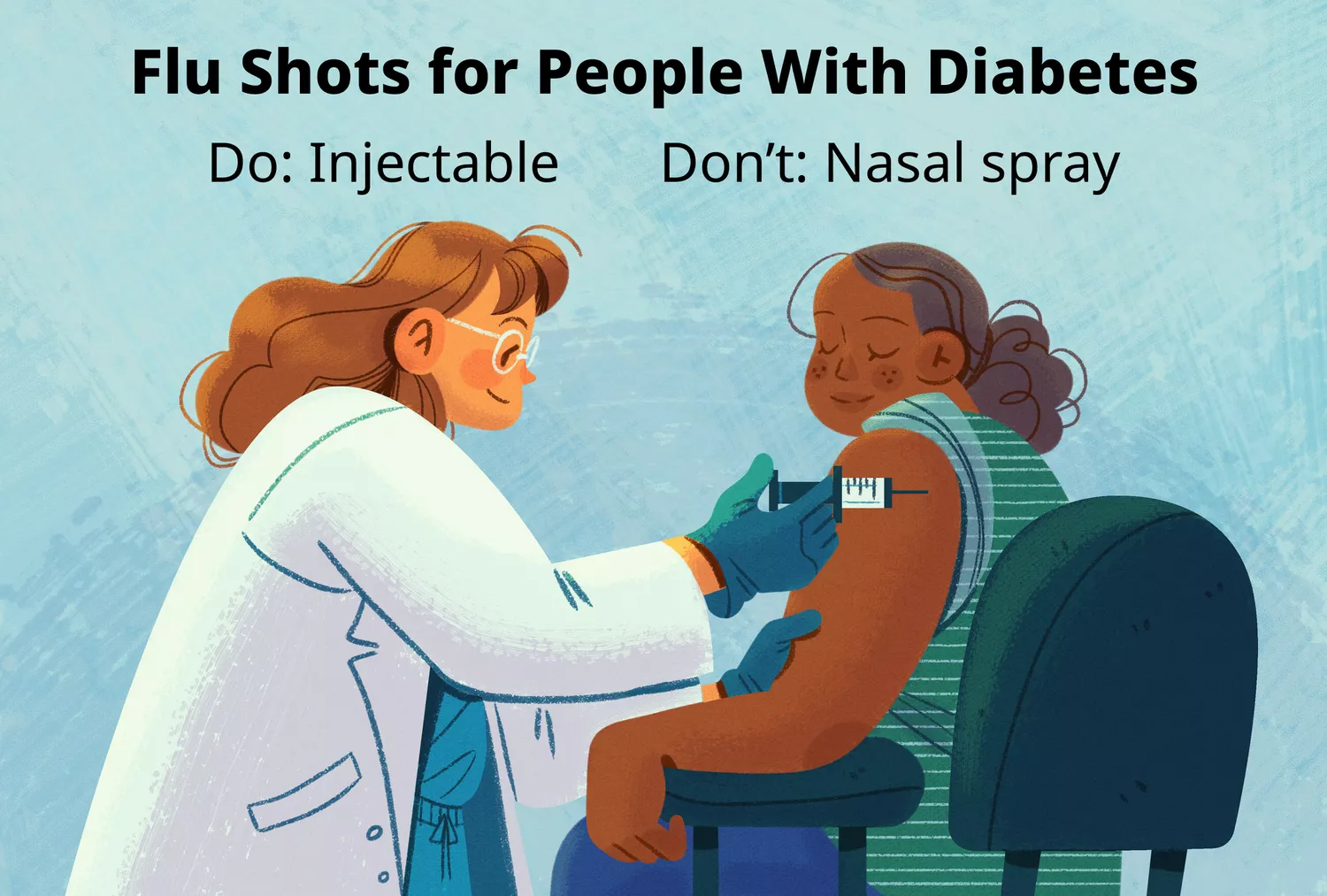
- Vaccine Type: People with diabetes should receive the inactivated injectable vaccine rather than the live-attenuated nasal spray.
- Pro Tip: Increasing the monitoring glucose frequency after flu shot for at least 48 hours helps identify and manage any temporary spikes early.
While the flu shot is safe for people with diabetes, some individuals may experience a transient increase in blood sugar levels within the first 24 hours. This metabolic reaction is typically caused by the body's immune response to the vaccine. Research suggests these spikes are temporary, with glucose levels generally returning to pre-vaccination ranges by the second day.
Why the Flu Shot is Non-Negotiable for Diabetics
As a preventive healthcare specialist, I often speak with patients who worry that the stress of a vaccine might disrupt their carefully managed routines. However, the physiological stress of the actual influenza virus is incomparable to the mild, temporary immune response triggered by a vaccine. For those living with diabetes, the flu is not just a week of feeling under the weather; it is a significant threat to metabolic stability.
According to the Centers for Disease Control and Prevention (CDC), flu vaccination is associated with a 79% reduction in hospitalizations among people with diabetes. This is a staggering figure that highlights how seasonal immunization serves as a primary defense mechanism. Without this protection, the risks escalate quickly. People with diabetes are approximately six times more likely to be hospitalized and three times more likely to die from flu-related complications compared to those without the condition.
The primary danger lies in how the body reacts to infection. When you contract the flu, your body releases stress hormones like cortisol and adrenaline to fight the virus. These hormones naturally antagonize insulin, leading to uncontrolled hyperglycemia. For someone with type 1 diabetes, this hormonal surge can rapidly transition into diabetic ketoacidosis (DKA), a life-threatening emergency. Furthermore, data from recent flu seasons indicates that about 30% of adults hospitalized with influenza also have a diagnosis of diabetes, emphasizing that this population is disproportionately affected by severe respiratory complications like pneumonia.
Managing Blood Sugar Spikes: The 48-Hour Window
Understanding the flu shot blood sugar effects requires a look at the body’s internal defense system. When the vaccine enters your system, your immune system recognizes the inactivated virus particles and begins building antibodies. This process often involves a minor inflammatory response, which can cause a temporary dip in insulin sensitivity.
Many patients ask me: how long does flu shot raise blood sugar? In most clinical observations, if a spike occurs, it begins within 4-6 hours of the injection and typically resolves within 24 to 48 hours. This is what we call transient hyperglycemia. It is not caused by any sugar in the vaccine itself—the amount of stabilizer used in a flu shot is negligible—but rather by the cortisol rise associated with the immune response.
If you are navigating type 2 diabetes flu shot hyperglycemia management, the key is to stay ahead of the curve. Expect that your numbers might be 20-40 mg/dL higher than usual for the first day. By acknowledging this metabolic reaction as a sign that your immune system is working, you can reduce the anxiety that often further elevates cortisol levels.
Choosing the Right Vaccine: Injectables vs. Nasal Sprays
Not all flu vaccines are created equal when it comes to endocrine health. It is essential to understand the difference between the "inactivated" and "live" versions of the vaccine. For the diabetic community, the choice is clear: stick to the needle.
The injectable flu shot contains a "killed" version of the virus, which cannot give you the flu but still teaches your immune system how to fight it. On the other hand, the nasal spray vaccine contains a live-attenuated virus. While safe for many healthy individuals, the nasal spray is generally not recommended for people with underlying health conditions like diabetes, as the live virus could potentially cause a more significant physiological stress response.
| Vaccine Feature | Inactivated Injectable (Recommended) | Live-Attenuated Nasal Spray (Avoid) |
|---|---|---|
| Virus Status | Inactivated (Dead) | Live-Attenuated (Weakened) |
| Diabetes Safety | High / Recommended | Generally not recommended |
| Standard Dose | Available for all ages | Typically restricted to ages 2-49 |
| High Dose | Recommended for seniors (65+) | Not available |
| Immune Response | Focused and predictable | May cause more systemic symptoms |
If you are over the age of 65, you should also discuss the high-dose flu shot with your provider. This version is specifically designed to create a more robust antibody response in older adults, who may have a naturally weaker immune system. While the high-dose version might slightly increase the chance of a temporary blood sugar rise, the protection it offers against severe influenza is superior for the senior demographic.
Your Post-Vaccination Action Plan
Preparing for blood sugar spikes after flu vaccine is the best way to maintain peace of mind. I recommend a proactive 48-hour recovery window where you prioritize self-care and data collection.
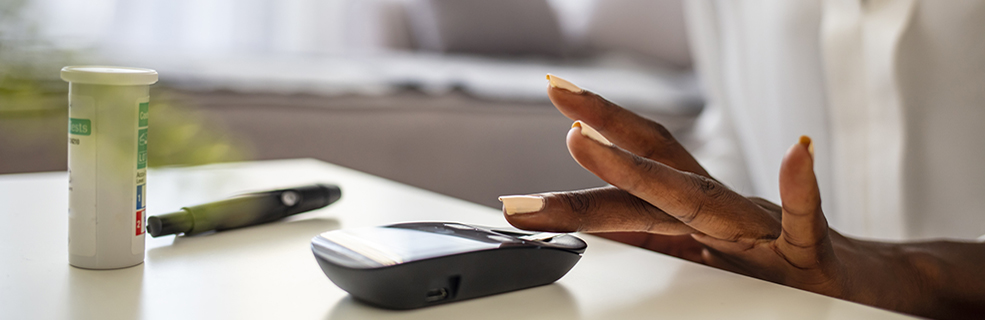
First, increase your monitoring glucose frequency after flu shot. If you usually test twice a day, consider testing every 4 hours. If you use a continuous glucose monitor (CGM), set your high-glucose alerts slightly lower than usual so you can catch a rising trend before it becomes problematic.
Hydration protocols are equally vital. Hyperglycemia can lead to mild dehydration as the kidneys work to flush out excess glucose. Aim to drink at least 8 ounces of water every hour during the first day post-vaccination. This helps maintain blood volume and supports the kidneys.
From a nutritional perspective, focus on diabetic diet tips for flu shot recovery that emphasize stability. For the 48 hours following your appointment, try to stick to lower-carbohydrate, high-fiber meals. Avoiding heavily processed sugars or large carbohydrate loads will give your body more "breathing room" to handle the temporary decrease in insulin sensitivity caused by the vaccine.
Editor’s Tip: If your blood sugar remains consistently above 240 mg/dL despite extra hydration and your usual medication, it is time to implement your "Sick Day Rules." This includes checking for ketones, especially if you have type 1 diabetes, as even the minor stress of a vaccine can occasionally trigger ketone production in sensitive individuals.
Medication and Technology Safety
For those who rely on a continuous glucose monitor or an insulin pump, placement matters. When you go for your flu shot diabetes appointment, ask the clinician to administer the shot in the arm opposite to where your CGM or pump site is currently located. While the vaccine is intramuscular, localized inflammation at the injection site can occasionally interfere with the interstitial fluid readings of a nearby sensor, leading to inaccurate data.
Furthermore, keep a close eye on your medication schedule. Do not skip doses of your metformin or basal insulin because you aren't "feeling well" or have a sore arm. Maintaining your prescribed medication schedule is the foundation of preventing a minor spike from turning into a major event.
If you take SGLT2 inhibitors, be extra vigilant about hydration and ketone testing. While rare, these medications have been linked to a higher risk of euglycemic DKA during periods of illness or physiological stress. If you develop nausea, abdominal pain, or a fruity odor on your breath after your vaccine, contact your healthcare team immediately, even if your blood sugar numbers look relatively normal.
FAQ
Why is the flu shot important for people with diabetes?
The flu shot is critical because diabetes can weaken the immune system’s ability to fight off infections. People with diabetes face a significantly higher risk of severe complications from the flu, including pneumonia, bronchitis, and diabetic ketoacidosis. The vaccine acts as a preventative healthcare tool that reduces the risk of hospitalization by nearly 80%.
Can a flu shot cause blood sugar levels to rise?
Yes, it is possible for blood sugar levels to rise temporarily. This is not due to the vaccine ingredients but is a result of the body’s natural immune response. The immune system releases cytokines and stress hormones to build protection, which can lead to a brief period of insulin resistance and transient hyperglycemia.
Can people with diabetes use the nasal spray flu vaccine?
Generally, no. The nasal spray contains a live-attenuated (weakened) virus. Clinical guidelines usually recommend that people with chronic conditions like diabetes receive the inactivated injectable vaccine instead, as it provides a safer and more predictable response for those with metabolic sensitivities.
Should diabetics receive the high-dose flu shot?
If you are age 65 or older, the high-dose flu shot is highly recommended. It contains four times the amount of antigen as a standard flu shot, which helps older adults with diabetes develop a stronger immune response and better protection against the virus.
What are the most common flu shot side effects for diabetics?
The most common symptoms include soreness at the injection site, a low-grade fever, muscle aches, and a temporary increase in blood glucose levels. These are signs that the body is building immunity and typically resolve within 24 to 48 hours.
Is the flu shot safe for people with type 1 and type 2 diabetes?
Yes, the flu shot is considered safe and essential for individuals with both type 1 and type 2 diabetes. While those with type 1 need to be more vigilant about ketone testing if spikes occur, the overall benefits of preventing the flu far outweigh the temporary metabolic fluctuations caused by the vaccine.