Quick Facts
- Regulatory Status: As of 2026, the FDA has not authorized, cleared, or approved any smartwatch or smart ring designed to measure blood glucose levels non-invasively.
- Technology Limits: Current prototypes using optical biosensors often show a significant lag and fail to meet the diagnostic reliability required for medical-grade monitoring.
- Major Health Risks: Relying on unauthorized devices can lead to life-threatening errors in insulin dosing, potentially causing severe hypoglycemia or hyperglycemia.
- Clinical Accuracy: While consumer wearables aim for convenience, they currently lack the precision of FDA cleared continuous glucose monitors which measure glucose in the interstitial fluid with high accuracy.
- FDA Position: A formal safety communication issued on February 21, 2024, explicitly warns consumers and healthcare providers against using these non-invasive wearables for diabetes management.
- Recall Awareness: Users should monitor official updates, such as the May 2026 Trividia Health correction for TRUE METRIX systems, to ensure their diagnostic tools meet current safety standards.
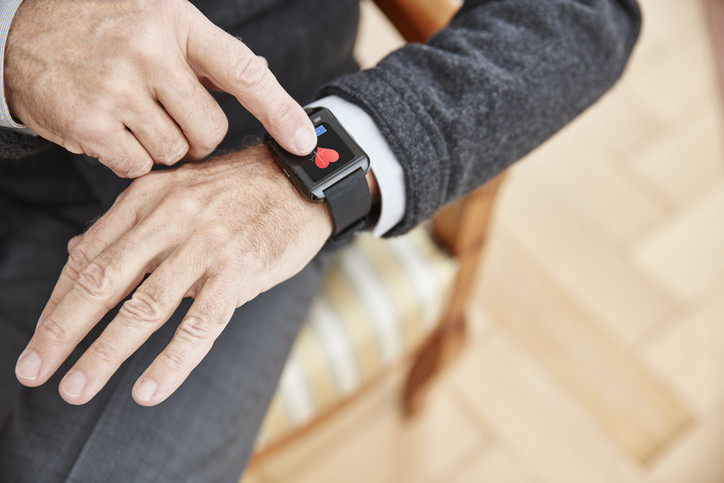
As of May 2026, the FDA has not authorized or cleared any blood sugar watch or smart ring to measure glucose levels non-invasively. While these devices are marketed as needle-free solutions, they lack the clinical accuracy required for medical diagnosis. Using an unauthorized blood sugar watch for insulin dosing can lead to life-threatening errors.
The Technology Gap: Why Your Smartwatch Isn't a Medical Device
The dream of managing diabetes without a single needle prick is a powerful motivator for innovation. Many tech companies are currently developing prototypes that utilize optical biosensors to estimate glucose levels through the skin. These sensors work by shining specific wavelengths of light through the tissue and measuring the backscatter to detect glucose molecules. However, there is a fundamental scientific hurdle known as the Interstitial Fluid lag that makes this technology difficult to perfect.
Most non-invasive glucose monitoring accuracy claims are based on measurements of the Interstitial Fluid (ISF), which is the fluid surrounding your cells. While there is a correlation between blood glucose and ISF glucose, the two are not identical in real-time. Changes in blood sugar levels typically show up in the ISF with a delay of 5 to 15 minutes. For a person experiencing a rapid drop in blood sugar, that ten-minute gap can be the difference between taking preventive action and a medical emergency.
Furthermore, accuracy of non-invasive glucose monitoring watch prototypes is often compromised by external factors. Medical Device Regulation exists because health data must be consistent regardless of the environment. In consumer wearables, variables such as skin temperature, perspiration, movement, and even skin tone can interfere with how optical biosensors read the data. This creates issues with Signal Quality Indexing, where the device might provide a reading that looks legitimate but is actually skewed by the user’s physical activity or ambient heat. Until these devices can demonstrate consistent diagnostic reliability across diverse populations and conditions, they remain wellness novelties rather than medical tools.
Serious Risks: The Danger of Unauthorized Health Marketing
The rise of online marketplaces has made it easier than ever for dozens of companies to sell unauthorized wearables under various brand names. These products often use sophisticated marketing language to suggest they are a viable alternative to traditional testing. However, the FDA warned that inaccurate blood glucose readings from these unauthorized devices can lead to life-threatening errors in medication dosing.
When a patient relies on a blood sugar watch that provides a falsely high reading, they may administer a dose of insulin that is too high. This can trigger severe hypoglycemia, leading to confusion, seizures, or a coma within hours. Conversely, a falsely low reading might cause a patient to skip a necessary dose, resulting in prolonged hyperglycemia and long-term organ damage. The historical failure of the GlucoWatch G2 serves as a reminder that even when a device reaches the market, maintaining clinical accuracy in daily life is incredibly complex.
Modern consumers must be vigilant. These unauthorized smartwatches and smart rings that claim to measure blood sugar without piercing the skin are often sold without any clinical validation. Unlike medical devices, these trackers do not undergo the rigorous testing required to ensure Hypoglycemia Alerts and Hyperglycemia Risks are communicated accurately to the user. For someone managing a chronic condition, the margin for error is zero.

Verified Solutions: How to Identify FDA Cleared Glucose Monitoring Wearables
Navigating the world of health tech requires a discerning eye. It is vital to distinguish between general wellness trackers, which might monitor heart rate or steps, and medical devices intended for disease management. If you are looking for a reliable way to track your levels, you should only use FDA cleared continuous glucose monitors (CGMs) or traditional finger-stick meters.
To help you stay safe, consider this comparison between unauthorized consumer wearables and regulated medical technology:
| Feature | Unauthorized Blood Sugar Watch | FDA-Cleared CGM (e.g., Dexcom, Abbott) |
|---|---|---|
| Sensing Method | Non-invasive (Light/Optical) | Minimally invasive (Subcutaneous sensor) |
| Data Source | Surface skin/ISF estimation | Deep Interstitial Fluid |
| Regulatory Status | Not authorized/Not cleared | FDA Cleared/Approved |
| Clinical Accuracy | High variability; not validated | Meets strict MARD standards |
| Dosing Utility | Dangerous for insulin dosing | Approved for treatment decisions |
When searching for a device, look for the specific phrase FDA Cleared or FDA Approved on the packaging or the manufacturer’s website. You can also search the FDA’s 510(k) database to verify a product's status. Reliable systems like the Dexcom G-series or the Abbott FreeStyle Libre are designed to meet clinical accuracy standards, providing a Reference Glucose Meter level of precision that consumers can trust for daily Diabetes Management.
If you encounter a product that claims to be a blood sugar watch without needles, it is best to approach it with extreme caution. These devices are often marketed through social media ads and lack the oversight necessary for Patient Self-Monitoring. Always consult with your healthcare provider before integrating any new technology into your routine, especially if you plan to use that data for medication adjustments.
FAQ
Are blood sugar watches accurate enough for diabetics?
Currently, no non-invasive blood sugar watch is considered accurate enough for people with diabetes to make medical decisions. These devices often lack the clinical validation required to ensure they can reliably detect dangerous fluctuations in glucose. For medical-grade accuracy, patients should continue to use FDA-cleared devices that use a physical sensor to measure fluid or blood.
Do blood sugar watches require FDA approval?
Yes, any device that claims to diagnose, treat, or monitor a medical condition like diabetes is classified as a medical device and requires FDA clearance or approval. Since blood sugar watch data is used to make health decisions, the manufacturer must prove the device is safe and effective through rigorous clinical testing before it can be legally marketed for that purpose.
Can a smartwatch replace a finger-stick glucose test?
A consumer smartwatch cannot replace a finger-stick test or a professional glucose meter. While some smartwatches can display data from a separate, FDA-cleared CGM system, the watch itself is not the sensor. The finger-stick remains the gold standard for calibrating sensors and confirming readings when symptoms do not match the digital display.
What is the difference between a CGM and a blood sugar watch?
The primary difference is the method of measurement and regulatory status. An FDA cleared CGM uses a small filament inserted under the skin to provide continuous, high-accuracy readings of the interstitial fluid. In contrast, a blood sugar watch typically attempts to use non-invasive light sensors on the surface of the skin, a method that is currently not approved by the FDA due to its lack of precision.
Are there any smartwatches that provide real-time glucose alerts?
There are smartwatches, such as the Apple Watch or Garmin, that can display real-time glucose alerts by syncing with a medical-grade CGM like the Dexcom G7. In this scenario, the watch acts only as a display screen (a secondary monitor). The actual measurement is performed by the authorized CGM sensor, not the watch itself.
Call to Action
Your health and safety are paramount. If you or a loved one are currently using a non-invasive device that claims to measure blood glucose, we strongly recommend switching to a device that has received official FDA clearance. Relying on unverified data can lead to serious health complications that are entirely preventable with the right tools.
If you have experienced an injury or an inaccurate reading from a blood sugar watch, please report it to the FDA MedWatch program at 1-888-INFO-FDA. Reporting these incidents helps regulatory bodies track dangerous products and protect the wider community. Always speak with your endocrinologist or primary care physician before making changes to your diabetes management routine. Stay informed, stay skeptical of "miracle" technologies, and prioritize evidence-based care for your long-term wellness.