Quick Facts
- Survival Impact: Engaging in 2.5 to 5 hours of moderate-to-vigorous physical activity per week after a cancer diagnosis is associated with improved overall survival for survivors of ten different cancer types.
- Mortality Reduction: Consistent movement can reduce the risk of all-cause mortality by 25% and increase median survival time by approximately five years.
- Fatigue Management: Physical activity is 40% more effective than pharmaceutical interventions for treating cancer-related fatigue during active treatment.
- Safety Standard: The 2022 ASCO guidelines officially recommend both aerobic and resistance training during chemotherapy and radiation.
- Preservation of Function: Clinical exercise helps maintain cardiovascular endurance and preserves muscle mass, which are often depleted during systemic treatments.
- Adherence Advantage: Home-based walking programs show a 77.9% adherence rate, proving that movement does not always require a clinical facility.
Traditionally, cancer patients were told to rest and avoid exertion. Today, clinical research proves that exercise during cancer treatment is vital for reducing fatigue by 40% and improving survival rates. Integrating movement into your journey is no longer optional—it is a core component of oncology care. Exercise during cancer treatment is vital for managing cancer-related fatigue, preserving muscle mass, and maintaining cardiovascular endurance. Clinical research indicates that structured physical activity supports immune function, reduces systemic inflammation, and improves overall quality of life. By integrating prehabilitation and oncology rehabilitation, patients can better tolerate treatments like chemotherapy and radiation while maintaining mobility.

The Clinical Shift: Why Exercise is Now Prescribed Medicine
For decades, the standard medical advice for those facing a cancer diagnosis was "take it easy." We now know that this advice, while well-intentioned, often led to a downward spiral of muscle loss, decreased cardiovascular endurance, and worsening fatigue. The paradigm has shifted from rest as the primary recovery tool to movement as medicine. This shift is backed by a robust body of evidence that positions physical activity not just as a lifestyle choice, but as a clinical intervention that directly influences treatment outcomes.
The benefits of physical activity for cancer patients extend far beyond general wellness. A large-scale analysis led by the American Cancer Society found that engaging in 2.5 to 5 hours of moderate-to-vigorous physical activity per week after a cancer diagnosis is associated with improved overall survival for survivors of ten different cancer types, including breast, colon, and prostate cancer. This level of activity helps modulate systemic inflammation, which is often a driver of cancer progression and treatment side effects.
Furthermore, research tracking adults with cancer over several years indicates that regular exercise can reduce the risk of all-cause mortality by 25% and increase the median survival time by approximately five years compared to those who remain inactive. When we look at the specific challenges of chemotherapy, clinical studies have shown that participating in regular physical activity during chemotherapy can reduce the risk of severe treatment-related side effects, including a 40% reduction in fatigue and a significant decrease in toxicities such as neutropenia and dehydration. This level of fatigue reduction is statistically superior to any pharmaceutical options currently available on the market for managing cancer-related exhaustion.

How to Build Your Plan: The FITT-VP Principle
Effective oncology exercise is not about pushing for a personal best in the gym; it is about finding a sustainable rhythm that supports the body under stress. To achieve this, oncology rehabilitation specialists use the FITT-VP principle. This framework ensures that every individualized exercise prescription is tailored to the patient’s current health status, treatment stage, and energy levels.
The FITT-VP principle for oncology exercise programs stands for Frequency, Intensity, Time, Type, Volume, and Progression. By breaking the plan down into these components, we can ensure safe exercises for oncology patients while still achieving meaningful physiological changes.
| Component | Guideline for Oncology Patients |
|---|---|
| Frequency | 3–5 days per week for aerobic; 2–3 days for resistance. |
| Intensity | Low to moderate (4–6 on a 1–10 scale); avoid high-intensity during "dip" weeks. |
| Time | 20–60 minutes per session, which can be broken into 10-minute bouts. |
| Type | Low-impact aerobic (walking, cycling) and resistance training (bands, light weights). |
| Volume | Aim for 150 minutes of aerobic activity per week. |
| Progression | Gradual increases in duration before increasing intensity. |
For many, the first step is prehabilitation protocols. This involves building physical resilience before surgery or the start of chemotherapy. Strengthening the body before the "assault" of treatment begins helps patients bounce back faster and maintain muscle mass preservation throughout the process.
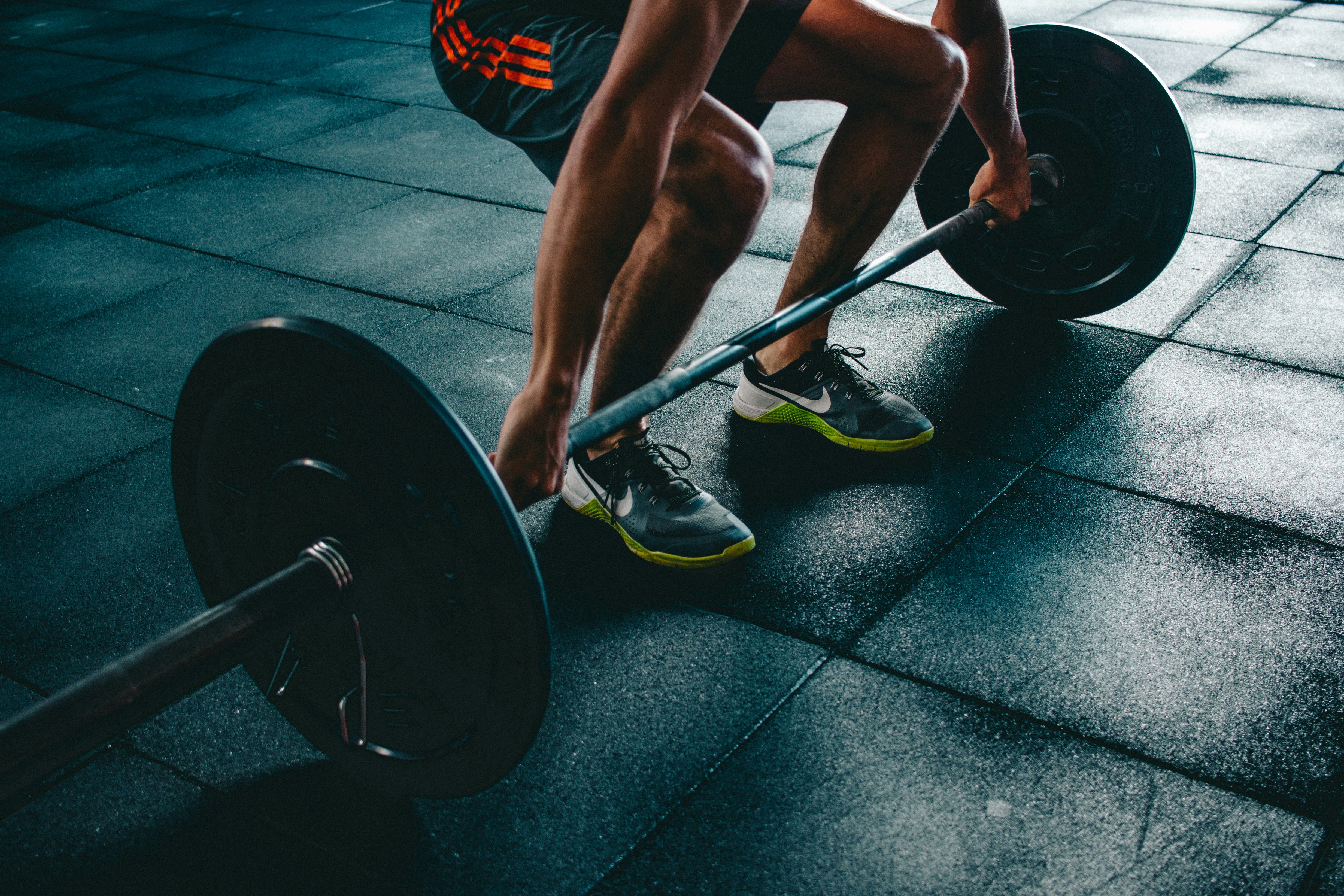
When engaging in safe resistance training for oncology patients, the focus should be on bone health maintenance and functional mobility. Using light resistance bands or bodyweight exercises like wall push-ups or chair squats can counteract the muscle-wasting effects of certain treatments. Incorporating exercise modifications for patients undergoing chemotherapy—such as reducing intensity during the three days following an infusion—is essential to prevent overtraining and immune suppression.
Practical Implementation: Managing Treatment Schedules
One of the biggest hurdles to maintaining a routine is the fluctuating nature of treatment side effects. Managing cancer fatigue through exercise requires a strategy known as energy conservation. Instead of forcing a workout when your energy is at a zero, we use "pacing" and "energy mapping."
- Energy Mapping: Track your energy levels for a week to identify when you feel most alert. If you feel strongest in the morning before radiation, that is your window for movement.
- The 10-Minute Rule: If you feel exhausted, commit to just 10 minutes of light walking. Often, this small burst of activity helps clear metabolic waste and actually boosts energy. If you still feel terrible after 10 minutes, it is okay to stop.
- Home-Based Consistency: Research shows that home-based programs have a high adherence rate because they eliminate the stress of travel. A simple daily walking path or a set of yoga movements at home is often more effective than an intermittent gym routine.
Knowing how to build an exercise schedule around radiation therapy is particularly important. Radiation can cause localized skin sensitivity and cumulative fatigue. Scheduling movement earlier in the day, before your appointment, can help you maintain your routine before the post-treatment slump hits. Additionally, for patients at risk for lymphedema or those experiencing peripheral neuropathy, modifications like using seated equipment or wearing compression garments are vital steps in oncology rehabilitation.

Safety First: Red Flags and Medical Contraindications
While movement is vital, safety is the priority. During active treatment, the body’s "warning lights" may change. Being aware of signs to stop exercising during cancer treatment is essential for avoiding complications like falls or cardiac strain.
Expert Tip: Always consult with your oncology team before starting a new program. Many insurance providers now cover these services under physical therapy if they are billed as oncology rehabilitation, which provides the benefit of professional supervision.
Checklist for Your Doctor
When discussing exercise with your oncologist, ask these specific questions:
- Are my platelet counts high enough for resistance training?
- Do I have any bone metastases that require me to avoid weight-bearing impact?
- Are there specific movements I should avoid due to my surgical site or medical port?
- Is my heart function (ejection fraction) stable enough for aerobic activity?
The "Red Flag" Safety Box
If you experience any of the following during or after exercise, stop immediately and contact your medical team:
- Sudden, extreme dizziness or fainting.
- Unusual or sharp pain that doesn't feel like typical muscle soreness.
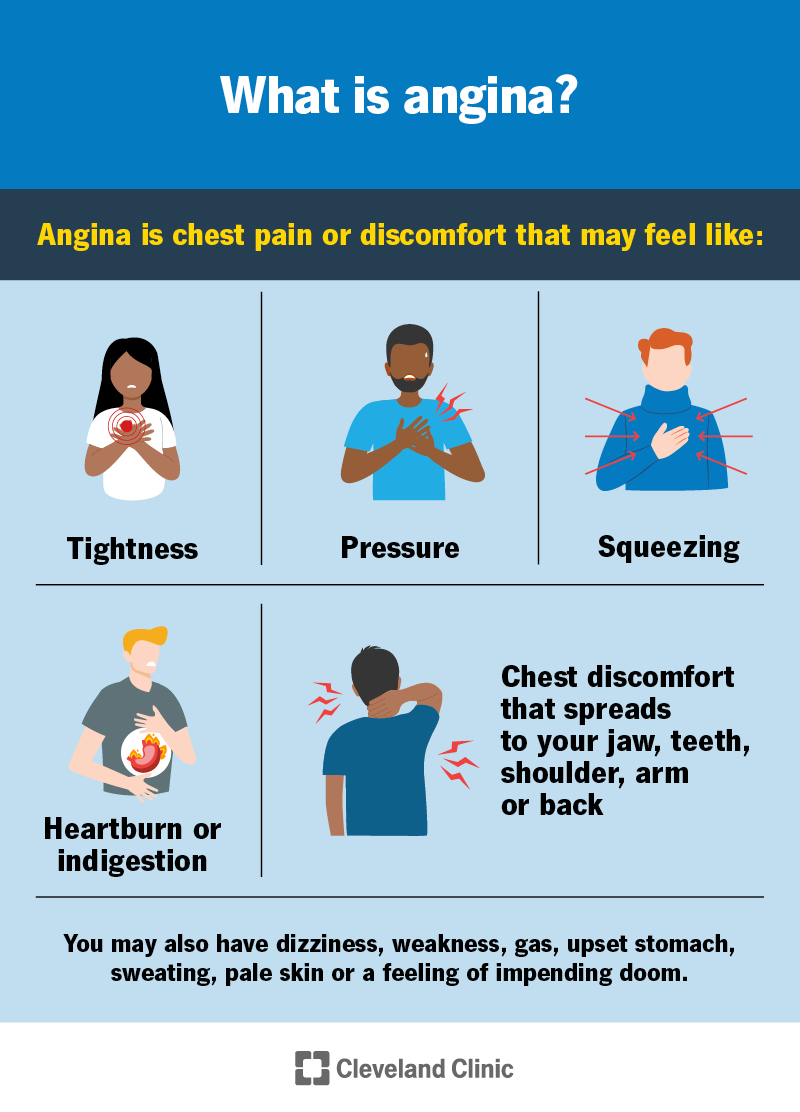
- Chest pain, pressure, or rapid heart palpitations.
- Sudden swelling in a limb (potential lymphedema or blood clot).
- Blurred vision or sudden loss of balance.
- A fever above 100.4°F (38°C).

FAQ
Is it safe to exercise while undergoing chemotherapy?
Yes, it is generally safe and highly recommended for most patients. Clinical guidelines from organizations like ASCO suggest that moderate exercise can actually help the body process chemotherapy more effectively by improving blood flow and reducing systemic inflammation. However, intensity should be adjusted based on your blood counts (neutrophils and platelets) and daily energy levels.
What are the benefits of exercise for cancer patients?
Exercise provides a wide range of physiological and psychological benefits, including the preservation of muscle mass, improved cardiovascular health, and better immune function. It also plays a significant role in improving mental health by reducing treatment-related anxiety and depression while boosting overall quality of life.
Can exercise help reduce cancer-related fatigue?
Exercise is one of the few evidence-based interventions that consistently reduces cancer-related fatigue. While it may seem counterintuitive to move when tired, physical activity helps improve mitochondrial function and reduces the "brain fog" often associated with treatment. Studies show it is more effective than rest or medication for managing this specific type of exhaustion.
Should I exercise during radiation therapy?
Exercise is beneficial during radiation as it helps combat the cumulative fatigue that often peaks toward the end of treatment. The focus should be on maintaining flexibility and moderate aerobic activity. It is important to wear loose-fitting clothing to avoid irritating treated skin and to stay well-hydrated.
What types of exercise are best for people with cancer?
A balanced program including low-impact aerobic activity (like brisk walking or swimming) and light resistance training (using bands or light weights) is usually best. This combination addresses both cardiovascular endurance and muscle strength. Activities like yoga or Tai Chi are also excellent for improving balance and managing stress.
Can exercise prevent cancer recurrence?
Observational studies strongly suggest that regular physical activity is associated with a lower risk of recurrence for several types of cancer, particularly breast, colon, and prostate cancers. By managing insulin levels, reducing inflammation, and supporting a healthy immune system, exercise creates a less hospitable environment for cancer cells to return.