Quick Facts
- The Core Conclusion: Small daily servings of low-glycemic dried fruits can significantly reduce the risk of type 2 diabetes.
- Key Statistic: Research indicates that adding roughly 1.3 portions of dried fruit to your daily diet is linked to a 60.8% lower risk of developing the condition.
- Top Benefits: High concentrations of dietary fiber and polyphenols improve insulin sensitivity and slow sugar absorption.
- The Magic Number: A safe serving is generally 15 grams of carbohydrates, which translates to about 2 tablespoons for most varieties.
- Best Varieties: Dried apricots (GI 30), dried apples (GI 29), and prunes (GI 29) are the most metabolic-friendly choices.
- Pro Strategy: Pairing dried fruit with healthy fats like walnuts or proteins like Greek yogurt helps blunt the post-meal glucose spike.
- Expert Insight: The 2026 ADA Standards emphasize these nutrient-dense whole foods over refined, processed snacks.
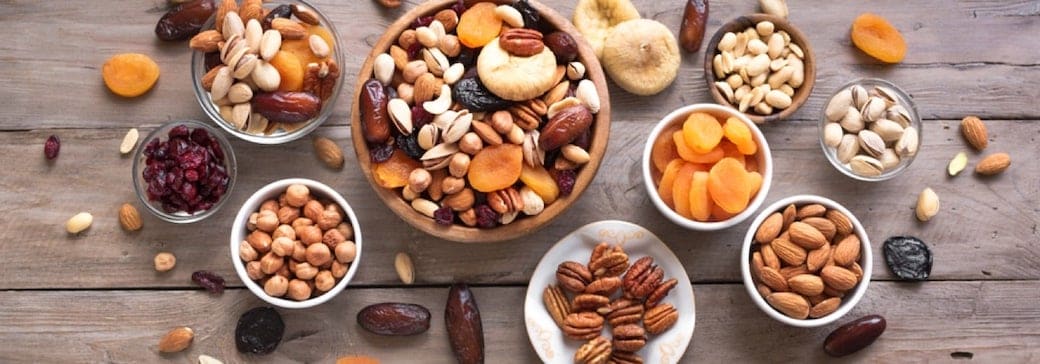
Consuming small daily portions of dried fruit may reduce diabetes risk due to their high fiber and polyphenol content. Low-glycemic options like dried apricots, apples, and prunes can improve metabolic health by slowing sugar absorption while providing nutrient density and satiety. These fruits potentially modify after-meal glucose levels, especially when paired with other whole foods, making dried fruit diabetes management both practical and effective.
For years, the conventional wisdom in nutrition circles was simple: if you are at risk for diabetes, stay away from dried fruit. The logic seemed sound—dried fruit is essentially a concentrated version of fresh fruit, packed with natural sugars. However, as an editor specializing in nutrition science, I have watched the evidence shift dramatically. We now understand that the relationship between dried fruit and metabolic health is far more nuanced than we once thought.
The Science: Why This Small Habit Lowers Diabetes Risk
The reason a small habit can yield such significant results lies in the unique nutritional profile of dried fruit. When fruit is dried, its water content is removed, but its fiber, vitamins, and bioactive compounds become highly concentrated. In fact, dried fruit often contains up to 3.5 times the fiber and antioxidants found in its fresh counterparts.
The most compelling evidence for this habit comes from recent large-scale data. A Mendelian randomization study published in BMC Nutrition & Metabolism suggests that increasing daily dried fruit consumption by approximately 1.3 portions is associated with a 60.8% lower risk of developing type 2 diabetes. This finding challenges the "sugar is sugar" myth by showing that the specific matrix of whole dried fruit behaves differently in the body than refined sugars.
The benefits of dried fruit for blood sugar stem largely from polyphenols. these plant compounds help improve how your cells respond to insulin. Furthermore, the high dietary fiber content slows down gastric emptying, which means sugar enters your bloodstream at a slow, steady pace rather than a sudden rush. By choosing nutrient-dense whole foods over processed snacks like crackers or granola bars, you are providing your body with the tools it needs to maintain metabolic health.
Selecting the Best: Low Glycemic Dried Fruits for Diabetes Prevention
Not all dried fruits are created equal. If you want to use this habit to lower your risk, you need to focus on the glycaemic index. The glycemic index (GI) measures how quickly a food raises your blood sugar levels. For those focused on low glycemic dried fruits for diabetes prevention, the goal is to choose fruits that fall into the low category (GI of 55 or less).
The best dried fruits for type 2 diabetes are typically stone fruits and apples. These options provide a slow release of energy without the dramatic insulin spikes associated with tropical dried fruits like mango or pineapple. Using a dried fruit glycaemic index chart for diabetics can help you make the best choices at the grocery store.
| Dried Fruit | Glycemic Index (GI) | Key Nutrient Highlight |
|---|---|---|
| Dried Apples | 29 | High in pectin (soluble fiber) |
| Prunes | 29 | Rich in sorbitol and potassium |
| Dried Apricots | 30 | Excellent source of Vitamin A |
| Dried Peaches | 35 | High in antioxidants |
| Raisins | 54 | Contains resveratrol |
| Dates | 62 | High in minerals (use sparingly) |
When comparing dried apricots vs raisins for diabetics, apricots have a slight edge due to their lower GI score. However, raisins are still a valid choice in moderation. Clinical research involving patients with type 2 diabetes found that replacing processed snacks with raisins resulted in a 23% reduction in post-meal glucose levels over a 12-week period.

Master the Portion: How to Eat Dried Fruit Without Spiking Blood Sugar
The "habit" we are discussing is a small one for a reason. Because the natural fructose in dried fruit is concentrated, the portion size is the most critical factor in your success. If you eat a whole bag of dried fruit, you will experience a blood sugar spike regardless of the fruit's GI score.
A standard dried fruit portion size for diabetes is generally considered to be 15 grams of carbohydrates. To visualize this, think of 2 tablespoons of raisins or about 3 to 4 halves of dried apricots. This may look small compared to a large fresh apple, but remember that the nutrient density is much higher.
It is also vital to look for no added sugar dried fruit for diabetics. Many commercial brands add sugar or syrups to tart fruits like cranberries or blueberries to make them more palatable. These "infused" fruits are essentially candy and will not provide the same metabolic benefits. Always check the ingredient list; the only thing on it should be the fruit itself and perhaps a preservative like sulfur dioxide (which helps keep apricots orange).

The Power Pairing: Fat, Protein, and Fruit Synergy
One of my favorite evidence-based strategies for stabilizing your insulin response is what I call "Power Pairing." You should rarely eat dried fruit in isolation. By combining the natural sugars and fiber of the fruit with a healthy fat or a protein, you create a complex metabolic environment that further slows down the absorption of glucose.
For example, pairing dried fruit with a handful of walnuts or almonds adds healthy fats and plant-based protein. This combination signals your digestive system to slow down, leading to a much flatter postprandial glucose curve. This approach aligns perfectly with the 2026 ADA Mediterranean diet focus, which encourages the consumption of whole plant foods, healthy fats, and fiber-rich snacks to maintain satiety and prevent insulin resistance.

Another excellent pairing is mixing a small amount of chopped prunes or apricots into plain Greek yogurt. The protein in the yogurt provides a steady foundation, while the fruit adds sweetness and antioxidants without the need for honey or refined sugar. According to the American Diabetes Association, prunes have a low glycemic index of 29 and contain fiber and sorbitol which help slow the absorption of glucose into the bloodstream.
Practical Implementation for Your Daily Routine
Incorporating this habit doesn't require a major lifestyle overhaul. It’s about making smarter substitutions. Instead of grabbing a granola bar in the afternoon, try a small portion of dried apples paired with a piece of low-fat cheese. Instead of adding brown sugar to your morning oatmeal, chop up one prune or two dried apricot halves for natural sweetness and extra fiber.
By focusing on consistency and quality, you can leverage the natural properties of these fruits to protect your long-term health. The goal isn't perfection; it’s about making choices that support your metabolic health one small bite at a time. If you use a Continuous Glucose Monitor (CGM), you can even see for yourself how much more stable your levels are when you practice the power pairing method compared to eating fruit alone.

FAQ
Can people with diabetes eat dried fruit?
Yes, people with diabetes can enjoy dried fruit as part of a balanced meal plan. The key is to select varieties with a low glycemic index and to be mindful of portion sizes. Because dried fruit is rich in fiber and antioxidants, it can be a healthier alternative to processed, sugary snacks when eaten in moderation.
Which dried fruits are best for diabetics?
The best choices are those with the lowest glycemic index. Dried apricots, dried apples, and prunes are top-tier options because they cause a slower rise in blood sugar. These fruits are also high in fiber, which helps with glucose management and digestive health.
How much dried fruit can a diabetic have per day?
Most nutritionists recommend a serving size that contains about 15 grams of carbohydrates. For many dried fruits, this is roughly 2 tablespoons or about 1/4 cup depending on the fruit's density. It is always best to spread these portions throughout the day rather than eating them all at once.
Does dried fruit raise blood sugar faster than fresh fruit?
Generally, yes, because the sugars are more concentrated and the volume is smaller, making it easier to overeat. However, many dried fruits have a lower or similar glycemic index to fresh fruits. The speed of the blood sugar rise can be successfully managed by controlling the portion and pairing the fruit with protein or fat.
Are there any dried fruits diabetics should avoid?
It is best to avoid dried fruits with a high glycemic index, such as dried dates or sweetened dried cranberries. You should also avoid any dried fruit that contains added sugars, juices, or syrups. Always read the label to ensure you are getting 100% fruit with no added sweeteners.