Quick Facts
- Target Accuracy: A Mean Absolute Relative Difference (MARD) of less than 10% is the industry gold standard for 2026.
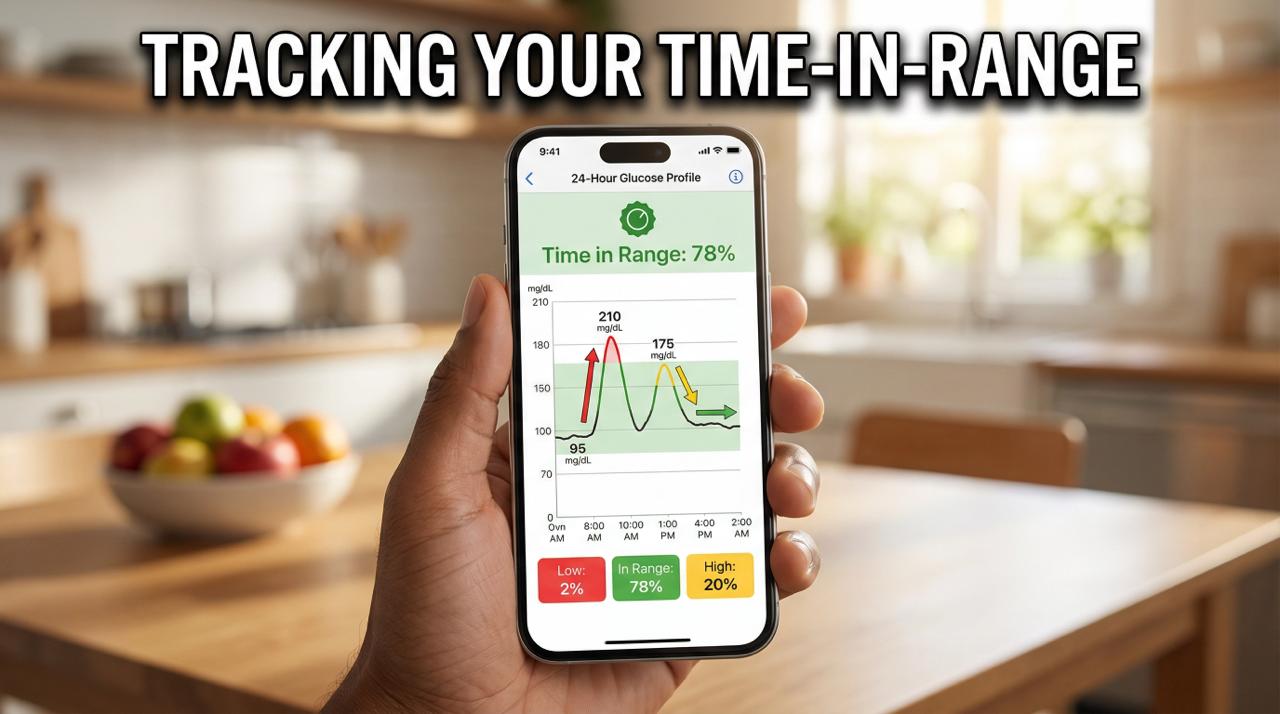
- Time in Range (TIR): Most clinicians recommend a target range of 70–180 mg/dL to maintain metabolic health.
- Sensor Life: Modern devices offer wear times ranging from 10 days for disposable patches to 365 days for implantable versions.
- Lag Time: Users should expect a 5-15 minute delay between interstitial fluid readings and capillary blood glucose levels.
- Key Health Outcome: Consistent use can lead to a significant 1.52% reduction in HbA1c for adults with type 2 diabetes.
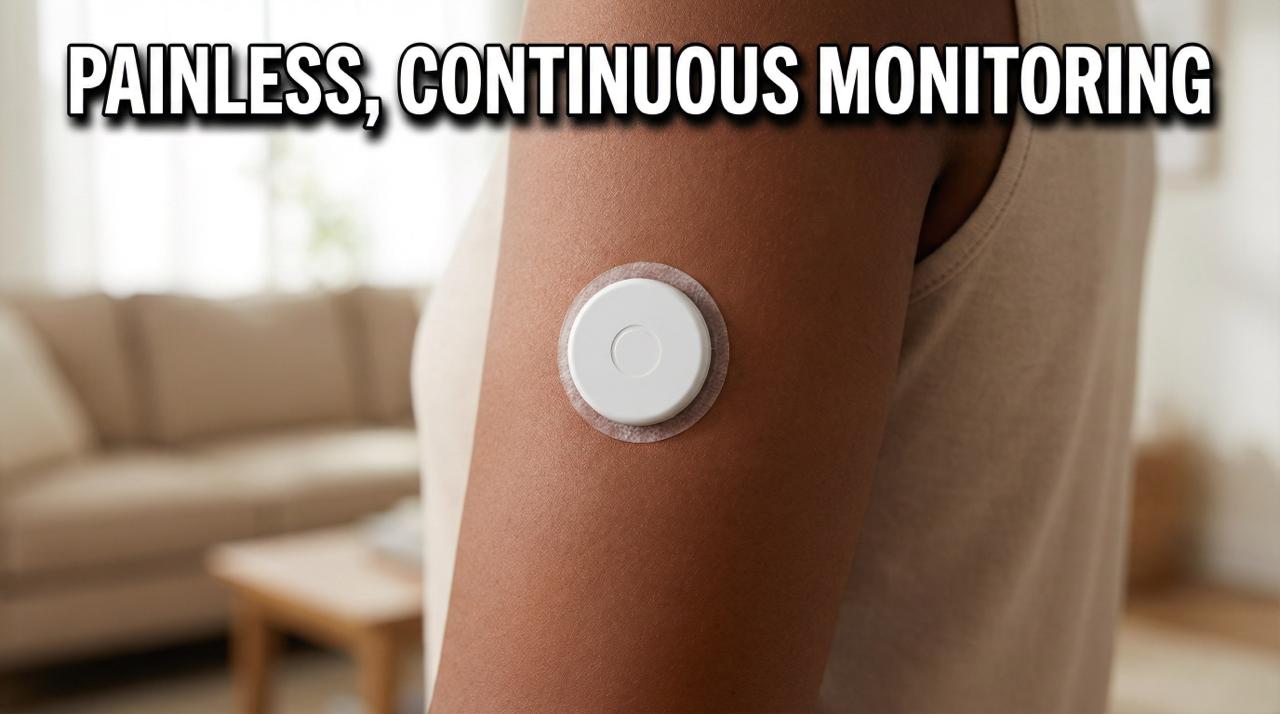
Continuous glucose monitors offer real-time data on blood sugar levels, helping users identify trends and glycemic variability without frequent finger pricks. Unlike single-point finger sticks, a continuous glucose monitor provides a comprehensive view of time in range and trigger predictive alerts for hypoglycemia or glucose spikes, allowing for immediate lifestyle adjustments.
Understanding CGM: The "Movie" vs. "Snapshot" Perspective
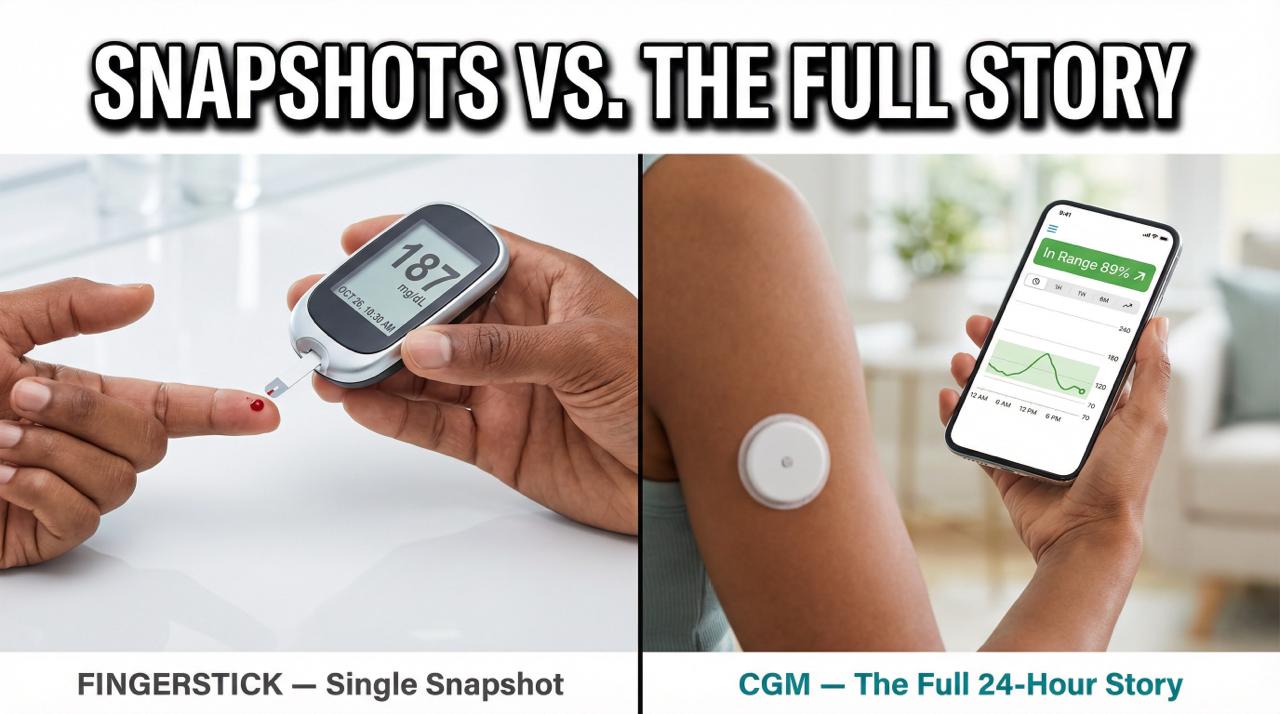
For decades, managing blood sugar required a high degree of guesswork. You would prick your finger, see a number like 115 mg/dL, and assume you were doing well. However, that single number is just a snapshot in time. It doesn't tell you if your sugar is rapidly rising after a bowl of pasta or if it is crashing after a morning workout. This is where the revolution of real-time data comes into play.
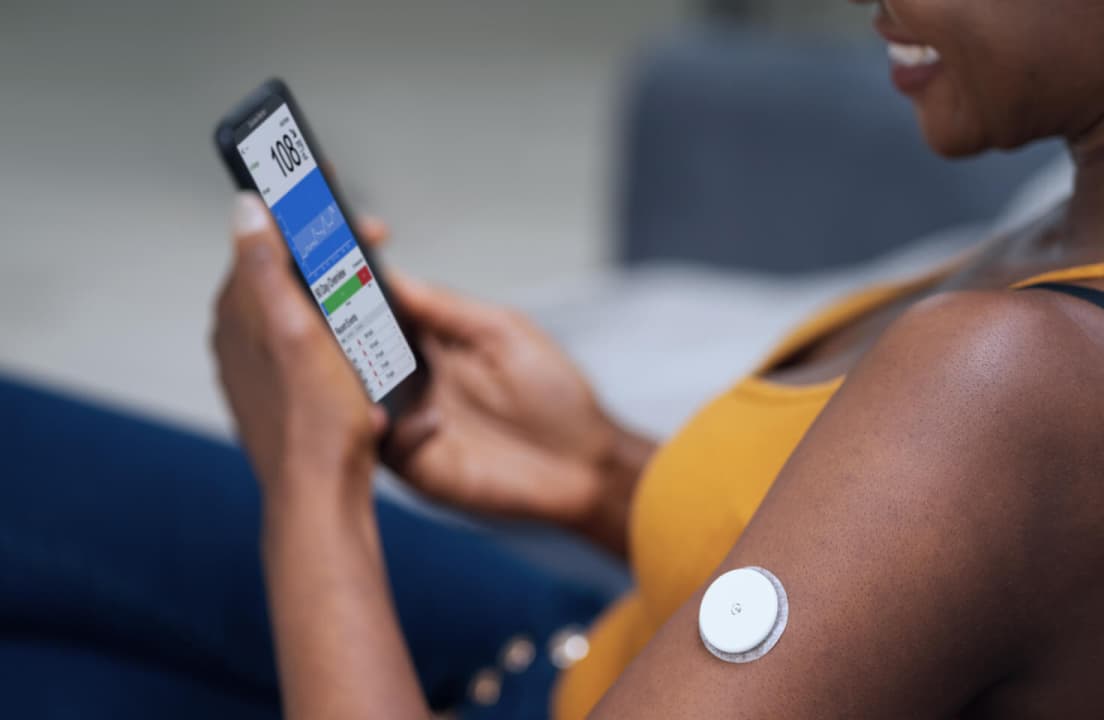
When you use a continuous glucose monitor, you are essentially switching from a photo album to a high-definition movie. The device uses a tiny sensor filament inserted just under the skin to measure glucose in the fluid between your cells. By providing a real-time feedback loop, these devices allow you to see the immediate impact of your choices. You can observe how a twenty-minute walk after dinner flattens a glucose spike or how a poor night of sleep affects your fasting levels the next morning.
This dynamic view is crucial for understanding glycemic variability—the "ups and downs" that happen throughout the day. While traditional HbA1c levels provide a three-month average, they can mask dangerous spikes and dips. A person with an "ideal" A1C might still be spending significant time in high-stress glucose zones. By focusing on time in range, users can achieve much more stable energy levels and long-term health outcomes.
The Science of Accuracy: MARD and Interstitial Fluid Lag
A common question for anyone considering this technology is: how does CGM vs finger stick accuracy compare? To answer this, we look at a metric called the Mean Absolute Relative Difference, or MARD. In the world of medical-grade wearables, a lower MARD percentage indicates higher precision. In 2026, most top-tier devices feature MARD scores between 7.8% and 9.1%, which makes them comparable to the manual meters you find at the pharmacy.
However, it is vital to understand that your continuous glucose monitor and your finger stick meter will rarely show the exact same number at the same time. This is due to the physiological difference between capillary blood and interstitial fluid.
The 15-Minute Rule Think of your blood glucose as the locomotive of a train and the interstitial fluid glucose as the caboose. When the train is moving at a steady speed on flat ground, the locomotive and caboose are at the same point on the track. But when the train starts climbing a hill (a glucose spike) or descending (a glucose drop), there is a 5 to 15-minute delay before the caboose reaches the same elevation as the locomotive.
Because of this inherent lag, most modern sensors are calibration-free, meaning they are factory-calibrated and don't require daily finger pricks to stay accurate. Still, during times of rapid change—such as immediately after a high-carb meal or intense exercise—it is wise to rely on a traditional finger stick if the sensor's reading doesn't match how you feel. Understanding cgm vs finger stick accuracy for daily management is about knowing when to trust the "movie" and when to double-check with a "snapshot."
Medical Necessity vs. Lifestyle Performance: Who is a CGM For?
Historically, these devices were reserved for people with type 1 diabetes. In fact, utilization of continuous glucose monitoring technology among individuals with type 1 diabetes increased from 20.12% during the 2010–2013 period to 49.78% in the 2016–2019 study period. Today, the landscape has shifted dramatically toward preventive care and lifestyle optimization.
Who Should Consider a CGM?
- Individuals with Type 2 Diabetes: Research shows that adults with type 2 diabetes who consistently use sensors for more than 270 days per year can achieve a mean HbA1c reduction of 1.52 percentage points over 12 months.
- Those with Prediabetes: There are immense benefits of continuous glucose monitoring for prediabetics who want to reverse their trajectory. Seeing the direct link between specific foods and glucose spikes can be the ultimate motivational tool for dietary changes.
- Athletes and Fitness Enthusiasts: Many are now wearing a cgm for athletic performance and metabolic health. By tracking glucose during training, athletes can optimize their fueling strategies and prevent "bonking" or hitting the wall.
- Wellness Seekers: For those interested in biohacking and metabolic flexibility, these devices provide insights into how stress, sleep hygiene, and even "healthy" snacks like grapes or oatmeal impact their unique biology.
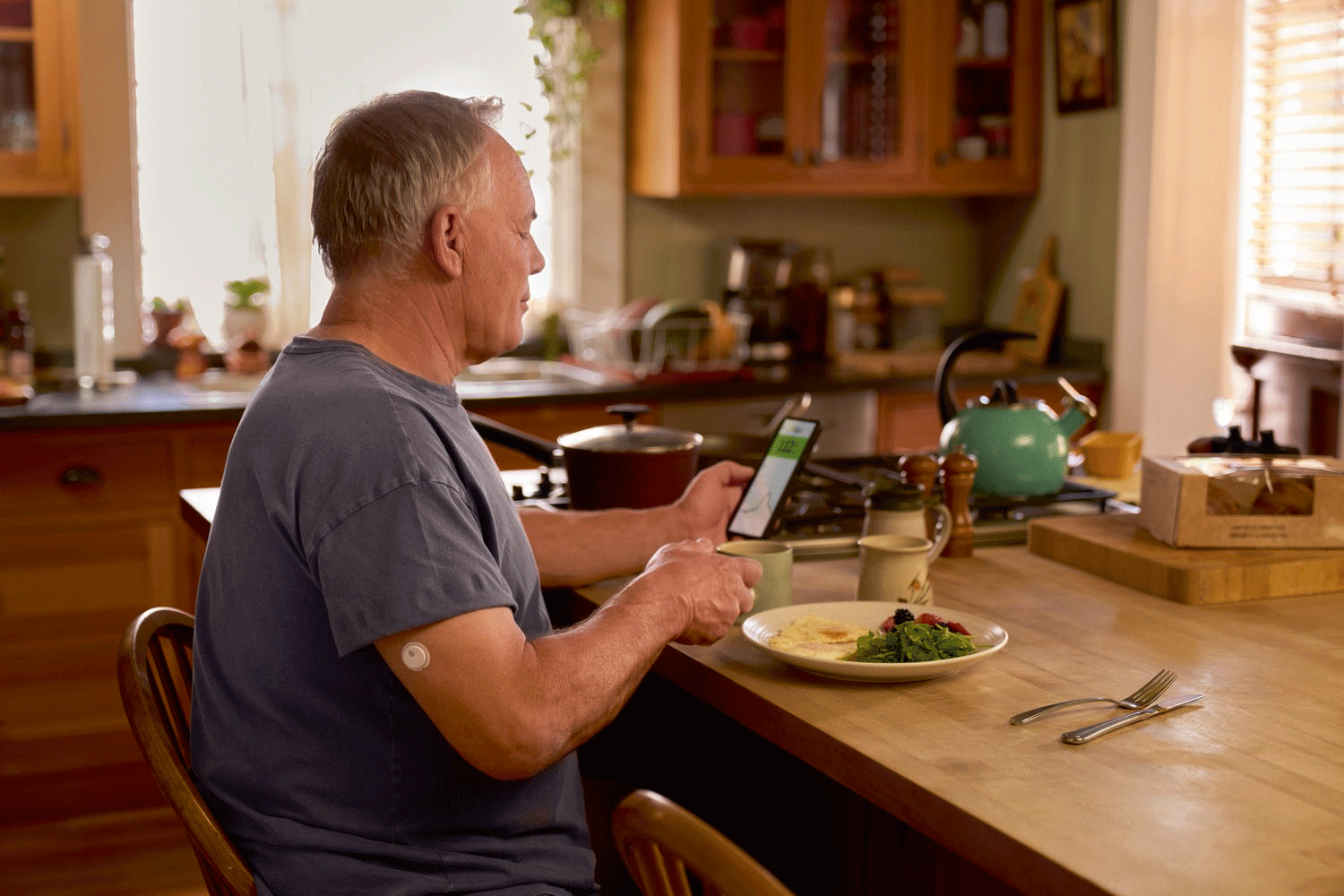
The market in 2026 now offers "over-the-counter" (OTC) versions designed specifically for non-insulin users. These devices, like the Dexcom Stelo or Abbott Lingo, focus more on lifestyle coaching and trend analysis than on medical alarms, making it easier than ever to determine if a cgm is right for you.
How to Choose Your CGM Device
When choosing a CGM device, you should weigh your daily routine against the features offered by the leading manufacturers. Some users prefer a small, discreet sensor that stays on for two weeks, while others want a long-term solution they can forget about for months.
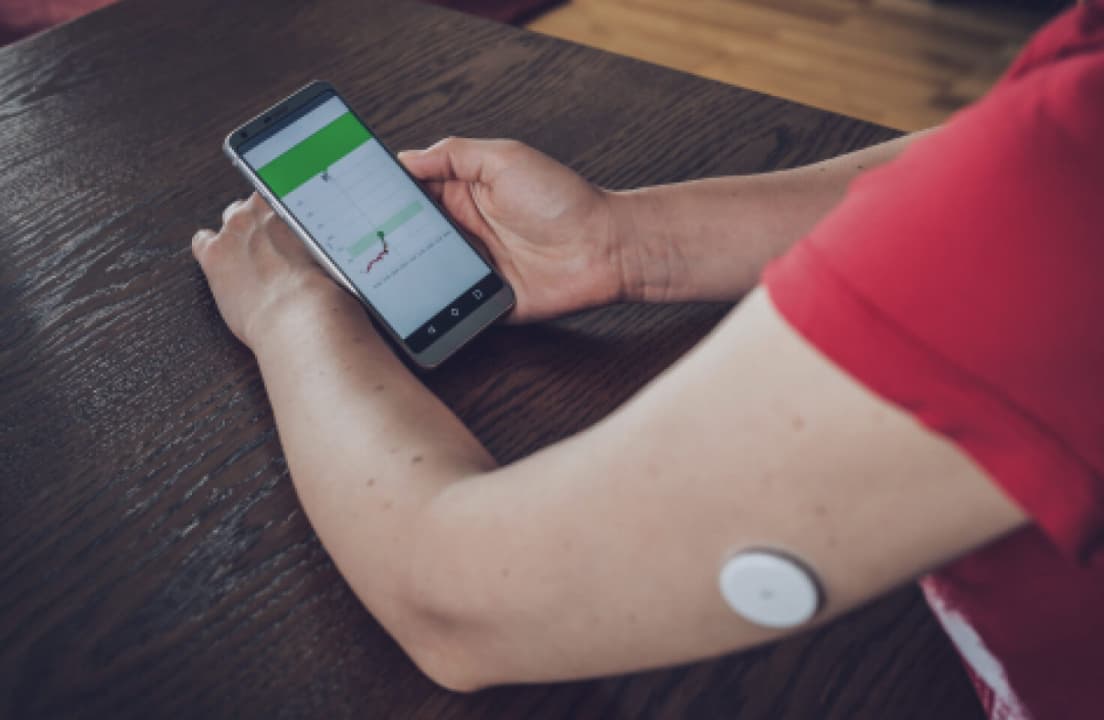
One of the most important selection criteria is the ecosystem surrounding the hardware. The best cgm features for data sharing with doctors allow your healthcare team to review your trends remotely, making your quarterly check-ups much more productive. You should also consider how the device integrates with your other health apps. If you already track your sleep and steps, choosing a CGM that syncs with your existing platform can provide a more holistic view of your wellness.
| Feature | Dexcom G7 | FreeStyle Libre 3 | Eversense 365 |
|---|---|---|---|
| Wear Duration | 10 days (+12h grace) | 14 days | 365 days |
| MARD Accuracy | ~8.2% | ~7.9% | ~8.5% |
| Calibration | Factory (No pricks) | Factory (No pricks) | Requires occasional pricks |
| Application | Self-applied patch | Self-applied patch | In-office procedure |
| Alerts | Predictive high/low | Real-time high/low | On-body vibration |
For those seeking a long-term solution, implantable sensors like the Eversense 365 offer year-round glucose monitoring with minimal maintenance. These are particularly useful for active individuals who don't want to worry about a patch falling off during a swim or a contact sport.

Choosing a cgm device based on lifestyle needs also means looking at the cost. While insurance coverage is expanding, many lifestyle users pay out-of-pocket, which can range from $75 to $400 per month depending on the brand and subscription model.
When to Consult a Healthcare Professional
While a continuous glucose monitor is a powerful tool for self-care, it is not a replacement for professional medical advice. If you are using a sensor and notice unexplained highs or lows that do not match your diet and activity, you must reach out to your doctor. Furthermore, if you experience symptoms of hypoglycemia—such as dizziness, shakiness, or confusion—and your sensor shows a normal reading, trust your body and perform a finger stick test immediately.
In 2026, while some sensors are available over-the-counter for wellness, medical-grade devices for diabetes management still require a prescription. Your physician can help you interpret the data and ensure you are using the information to make safe, evidence-based adjustments to your lifestyle or medication. Hypoglycemia prevention is the most critical safety feature of these devices, and your healthcare provider can help you set the right alert thresholds for your specific needs.
FAQ
What is a continuous glucose monitor and how does it work?
A continuous glucose monitor is a wearable device that tracks your blood sugar levels 24/7. It consists of a small sensor with a tiny filament that sits just under your skin in the interstitial fluid. The sensor sends data wirelessly to a smartphone or receiver every few minutes, allowing you to see your glucose levels and trends in real-time.
Do you need a prescription for a continuous glucose monitor?
It depends on the device and your location. In 2026, many high-end medical sensors for insulin-dependent individuals require a prescription. However, newer lifestyle-focused versions designed for type 2 non-insulin users and healthy individuals are available over-the-counter in many regions, allowing for easier access to metabolic data.
Are continuous glucose monitors more accurate than finger stick tests?
Both methods are highly accurate but measure different things. Finger sticks measure glucose in the blood, while sensors measure glucose in the fluid surrounding your cells. While modern sensors have a MARD score comparable to manual meters, finger sticks are still considered the "gold standard" during rapid glucose swings due to the 5-15 minute lag time in interstitial fluid.
Can non-diabetics use a continuous glucose monitor?
Yes, non-diabetics increasingly use these devices for biohacking, athletic performance, and metabolic health. By seeing how different foods, stressors, and sleep patterns affect their blood sugar, non-diabetics can optimize their diet to maintain steady energy levels and potentially prevent the future onset of insulin resistance.
Does insurance typically cover the cost of a continuous glucose monitor?
Insurance coverage has expanded significantly. Most plans cover these devices for individuals with type 1 diabetes and many now cover type 2 patients who use insulin. However, coverage for prediabetes or general wellness use is still limited, meaning lifestyle users often pay for their sensors out-of-pocket.