Quick Facts
- 标签: A blood clot in the calf, or deep vein thrombosis (DVT), often feels like a persistent, throbbing ache or a deep cramp that does not subside with rest.
- 标签: Unlike a muscle strain, DVT pain frequently intensifies when standing or walking and is accompanied by a heavy or tight sensation in the affected leg.
- 标签: According to the Centers for Disease Control and Prevention, as many as 100,000 people in the United States die each year from pulmonary embolisms brought on by deep vein thrombosis.
- 标签: Sudden death is the first symptom for approximately 25 percent of people who experience a pulmonary embolism.
- 标签: Approximately 50 percent of individuals with deep vein thrombosis experience no symptoms at all, making preventive awareness critical.
- 标签: The unilateral comparison method—checking for swelling, warmth, and redness in only one leg—is the most effective way to self-triage at home.
- 标签: If calf pain is paired with sudden shortness of breath or chest pain, seek emergency department care immediately, as this may indicate a pulmonary embolism.
A blood clot in the calf, scientifically known as deep vein thrombosis (DVT), often presents as a persistent, throbbing ache or a deep, charley-horse-like cramp that does not subside with rest. Unlike a typical muscle injury, a calf pain blood clot may cause the leg to feel unusually heavy, tight, or warm to the touch, and symptoms often worsen when you are standing or walking. Because this condition can lead to a life-threatening pulmonary embolism, recognizing these early warning signs is a vital part of your preventive healthcare routine.
DVT Warning Signs: What Does a Blood Clot in the Calf Feel Like?
When we think about leg pain, our minds often go straight to a pulled muscle or an intense workout. However, as a preventive care editor, I always urge my readers to look deeper. The sensory experience of a blood clot is distinct. Many patients describe the feeling as a deep-seated, persistent cramp that they simply cannot "rub out" or stretch away. It is less of a sharp, stabbing pain and more of a dull, agonizing throb that originates deep within the muscle.
Understanding the timeline of these symptoms can help you differentiate a minor issue from a medical emergency. On Day 1, you might notice a subtle, dull ache that feels like you slept in an awkward position. By Day 4, however, the sensation often evolves into significant tightness and visible skin changes. You might feel like your calf is "full" or that the skin is being stretched from the inside out. This is often caused by pitting edema, a phenomenon where fluid builds up in the tissues. If you press your finger into the swollen area and a small indentation remains for several seconds after you let go, this is a major warning sign that your circulatory system is struggling.
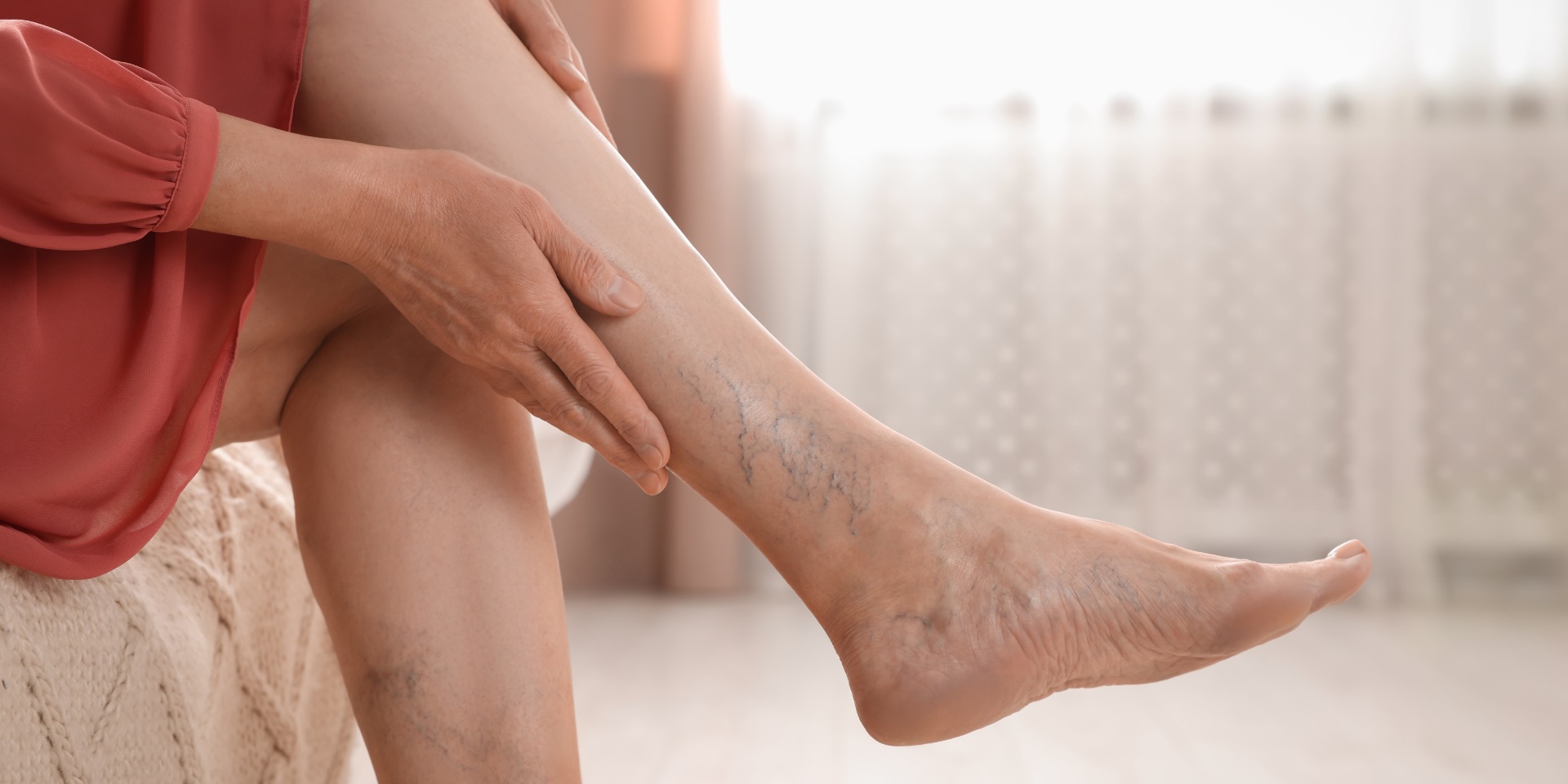
The skin over the affected area may also undergo changes. You might notice erythema, or a reddish or reddish-purple discoloration of the skin. To the touch, this area will often feel noticeably warmer than the surrounding skin or the opposite leg. This localized heat is a hallmark of inflammation within the lower extremity veins. Because so many cases are asymptomatic, paying attention to these subtle warning signs of deep vein thrombosis in the lower leg is your first line of defense.

Calf Muscle Strain vs. Blood Clot: How to Tell the Difference
One of the most common questions I receive is how to distinguish between a standard calf muscle strain vs blood clot. While they can feel remarkably similar, there are key clinical differences that you can check for at home. The most effective technique is the unilateral comparison method. Sit with both legs extended in front of you and compare them side by side. Is one leg significantly larger than the other? Does one ankle look puffy while the other is bony? DVT almost always affects only one leg, resulting in unilateral leg swelling and calf pain symptoms.
Another helpful diagnostic tool you can perform is the ankle-bend test, also known as Homan’s sign. Gently flex your foot upward, pulling your toes toward your shin. In many cases of deep vein thrombosis symptoms leg, this movement intensifies the deep ache in the calf. While it can also be uncomfortable with a muscle strain, the "rest response" is usually the tie-breaker. A muscle strain will typically feel better if you follow the RICE protocol (Rest, Ice, Compression, Elevation). Conversely, a blood clot does not respond to rest; in fact, the pain may feel even more intense after a period of immobilization, such as a long flight or a day spent at a desk.
To help you visualize these differences, refer to the comparison table below:
| Feature | Calf Muscle Strain | Calf Pain Blood Clot (DVT) |
|---|---|---|
| Onset | Usually sudden, during activity | Often gradual or after long periods of rest |
| Pain Description | Sharp, localized, or "tearing" | Deep, throbbing, or cramping ache |
| Swelling | Minimal or localized to the injury | Often significant, involving the whole calf/ankle |
| Temperature | Usually normal | Localized warmth or heat |
| Skin Color | May have bruising (later) | Redness, bluish, or pale discoloration |
| Response to Rest | Improves with elevation and rest | Persists or worsens; leg feels heavy |
Red Flags: When to Seek Medical Attention for Persistent Calf Pain
In the world of preventive care, we use risk stratification to determine the urgency of a situation. If you have been on a flight or a car ride longer than 2 hours, or if you have recently undergone surgery, your risk for venous stasis—where blood pools in the veins—increases significantly. I often tell my readers to look for the "tight shoe sign." If your favorite pair of sneakers suddenly feels much tighter on one foot than the other, it is time to pay attention.
There are specific red flags that should prompt an immediate trip to the emergency department. If your calf pain is accompanied by any of the following, do not wait for a doctor's appointment:
- Sudden shortness of breath that feels unexplained by physical exertion.
- Sharp chest pain that may feel worse when you take a deep breath.
- A rapid heart rate or feeling lightheaded and dizzy.
- Coughing up blood or a pink, foamy mucus.
These symptoms indicate that a piece of the clot may have broken off and traveled to your lungs, a condition known as a pulmonary embolism. This is the "PE" in the VTE equation (DVT + PE = Venous thromboembolism). Since 25 percent of those with a pulmonary embolism experience sudden death as their first and only symptom, we must treat every instance of calf pain that gets worse when walking blood clot with the highest level of caution.
Diagnosis and Treatment: 2026 Clinical Standards
If you seek medical help, your healthcare provider will likely follow a specific diagnostic pathway. The first step is often a D-dimer blood test. This test measures a substance in the blood that is released when a blood clot breaks up. While a high D-dimer doesn't always mean you have a clot, a low result is very effective at ruling one out.
2026 Clinical Guidelines: Age-Adjusted D-dimer Formula
For patients over the age of 50, clinicians now use an age-adjusted formula to reduce unnecessary imaging. The threshold for a "positive" result is calculated as: Age × 10 ug/L. For example, a 75-year-old patient would have a cutoff of 750 ug/L rather than the standard 500 ug/L.
If the D-dimer is elevated or if your clinical symptoms are highly suggestive of DVT, the gold standard for diagnosis is a duplex ultrasound. This non-invasive imaging test uses sound waves to look at the flow of blood in your veins and can pinpoint the exact location of a blockage.
If a clot is confirmed, the standard of care usually involves anticoagulant therapy. These medications, often referred to as blood thinners, do not actually "dissolve" the existing clot. Instead, they prevent the clot from getting larger while allowing your body’s natural processes to slowly break it down over three to six months. In addition to medication, many specialists recommend medical-grade compression stockings. These help move blood back toward the heart and are vital for preventing post-thrombotic syndrome, a long-term complication that causes chronic swelling and pain in the leg.
FAQ
What does a blood clot in the calf feel like?
A blood clot in the calf typically feels like a heavy, deep ache or a persistent cramp. Many people describe it as a "charley horse" that doesn't go away with stretching or rest. It often creates a throbbing sensation and may make the leg feel tight or "full."
How can I tell if calf pain is a muscle strain or a blood clot?
A muscle strain usually happens during physical activity and often improves with rest and ice. A blood clot often appears after long periods of sitting or standing and will not improve with rest. Comparing your legs is key—if only one leg is swollen, red, or warm, it is more likely to be a clot.
Can you have a blood clot in your calf without swelling?
Yes, it is possible. Data shows that about half of people with DVT do not experience visible symptoms like swelling. This is why it is important to pay attention to other warning signs of deep vein thrombosis in the lower leg, such as unexplained warmth or a deep, persistent throb.
When should I go to the ER for calf pain?
You should head to the emergency department if your calf pain is accompanied by significant swelling, redness, or heat. Most importantly, seek emergency care immediately if you develop shortness of breath, chest pain, or a rapid heart rate, as these could signal a life-threatening pulmonary embolism.
Is calf pain always a sign of a blood clot?
No, calf pain is very common and can be caused by muscle fatigue, dehydration, nerve issues (like sciatica), or a simple strain. However, because a calf pain blood clot is potentially fatal, you should never ignore persistent or unilateral symptoms, especially if you have risk factors like recent travel or surgery.
Moving Toward Long-Term Wellness
Recognizing the DVT warning signs calf is a powerful act of self-care. While the thought of a life-threatening clot can be frightening, being informed allows you to act quickly and decisively. Preventive health is not just about big lifestyle changes; it is about the small, daily choices we make to stay mobile and hydrated.
If you find yourself sitting for long periods, make it a habit to perform "seated calf raises" to keep your blood moving. If you are planning a long flight, consider wearing compression stockings as a proactive measure. Most importantly, trust your intuition. If your leg pain feels "different" or if your calf is behaving in a way it never has before, do not hesitate to reach out to a professional. When it comes to your cardiovascular health, it is always better to be safe and get the screening you need.