Quick Facts
- Top Pick for Technology: Dexcom Stelo (approx. $89–$99/month)
- Top Pick for Lifestyle Coaching: Abbott Lingo (approx. $49 per sensor)
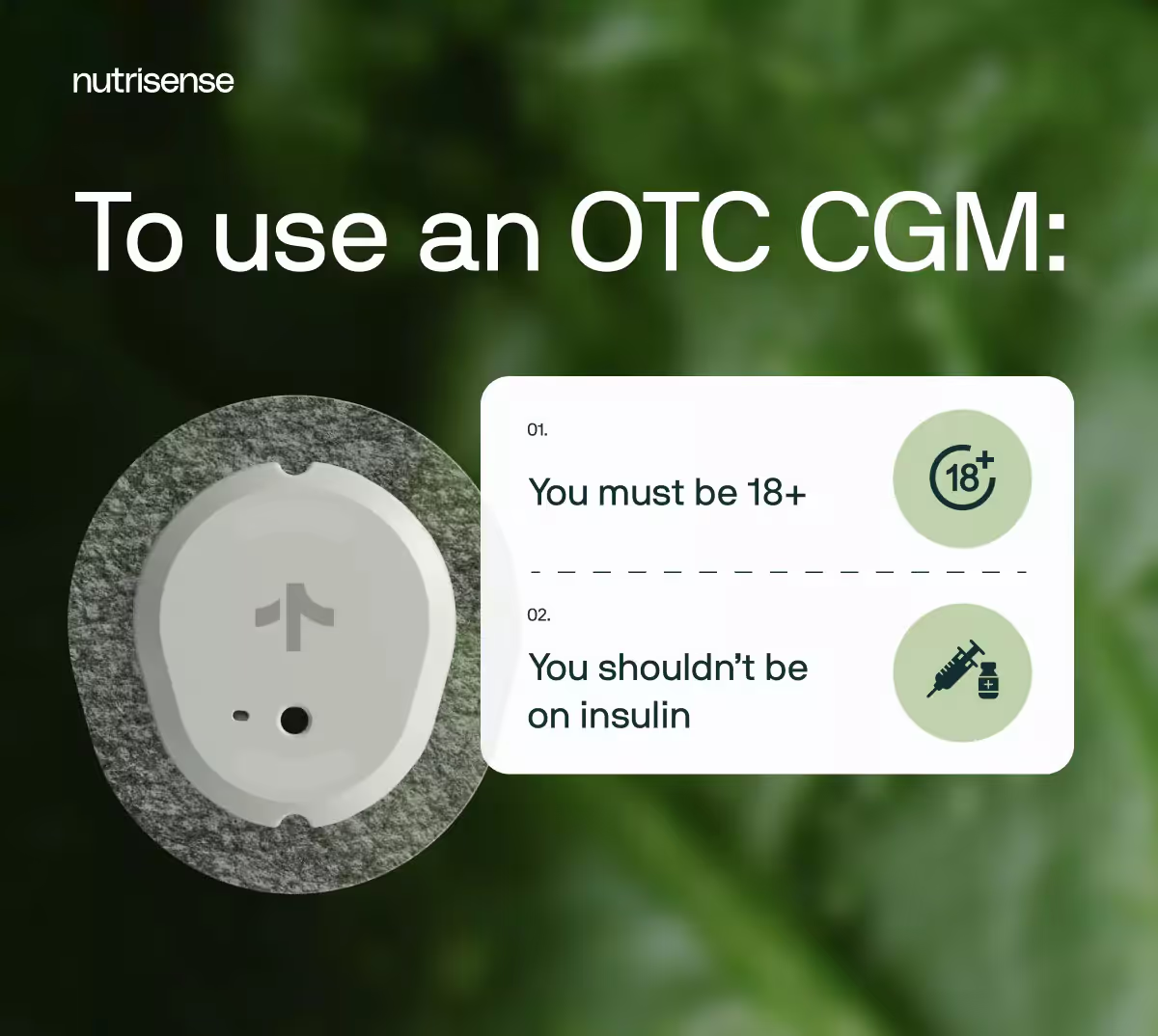
- Eligibility: Adults 18+ who are non-insulin dependent
- Wear Time: 14 to 15 days depending on the brand
- Key Limitation: No emergency hypoglycemia (low blood sugar) alerts
- Cost Factor: Typically HSA/FSA eligible; monthly subscriptions offer the best value
- Primary Function: Monitoring glycemic variability and metabolic health trends
The era of prescription-free metabolic tracking has arrived. An otc glucose monitor now allows millions of non-insulin-using adults to track blood sugar in real-time. Whether you are managing type 2 diabetes or optimizing metabolic health, these FDA-cleared biosensors provide the biofeedback needed for smarter lifestyle choices.
Understanding the FDA Shift: Benefits of Continuous Glucose Monitoring
For years, continuous glucose monitoring was a tool reserved strictly for those with a medical prescription, primarily individuals with Type 1 or insulin-dependent Type 2 diabetes. However, on March 5, 2024, the U.S. Food and Drug Administration cleared the Dexcom Stelo Glucose Biosensor System as the first over-the-counter continuous glucose monitor for adults aged 18 and older. This shift addresses a massive gap in preventive care, as there are approximately 25 million people in the United States living with type 2 diabetes who do not use insulin.
The benefits of continuous glucose monitoring extend far beyond basic data collection. By providing a window into how your body responds to specific triggers, these devices offer real-time biofeedback that can fundamentally alter your daily routines. For many of my readers, the most significant advantage is seeing the immediate impact of a 15-minute post-dinner walk or the hidden sugar in a "healthy" morning smoothie. This helps bridge the expert gap—that space between receiving medical data and actually knowing how to change your behavior.
One strategy I often recommend to my clients is the Baseline Week. During your first 14 days with an FDA approved over-the-counter CGM, change nothing about your diet. Simply observe the glycemic variability. You might find that your stress levels during a morning commute spike your sugar as much as a slice of toast does. This level of pre-diabetes monitoring is a game-changer for long-term wellness.
Dexcom Stelo vs. Abbott Lingo: Features Comparison
Choosing the best otc glucose monitor for type 2 diabetes non-insulin management or general wellness depends on whether you value deep data integration or guided coaching. In June 2024, the FDA cleared two additional over-the-counter continuous glucose monitoring systems from Abbott, the Lingo and Libre Rio, which expand the options available for consumers looking to understand how non-prescription CGM works.
Dexcom Stelo: The Data Powerhouse
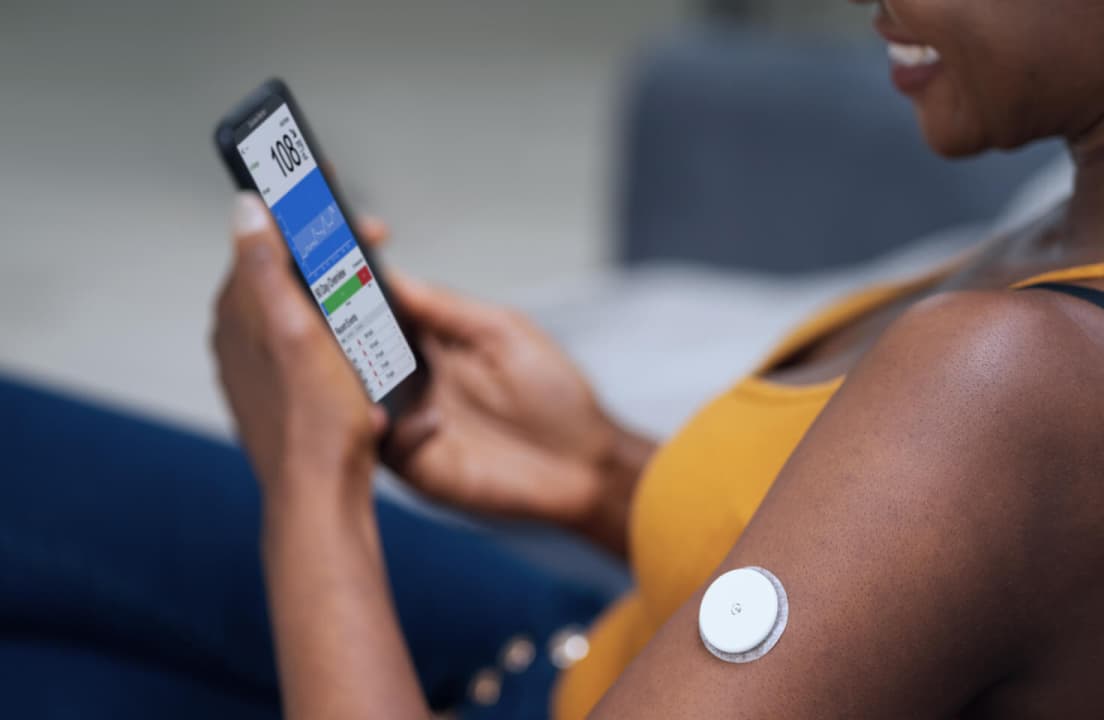
The Dexcom Stelo is essentially a modified version of the high-end G7 system. It is specifically designed for the non-insulin dependent population. Its standout feature is a 15-day wear time, providing a full two weeks of data plus a 12-hour grace period for sensor changes.
If you are a fan of wearables, you will appreciate that Stelo is an otc glucose monitor compatible with apple watch and oura ring. This allows you to see your glucose trends alongside your sleep and activity data, offering a holistic view of your metabolic health.
Abbott Lingo: The Wellness Coach
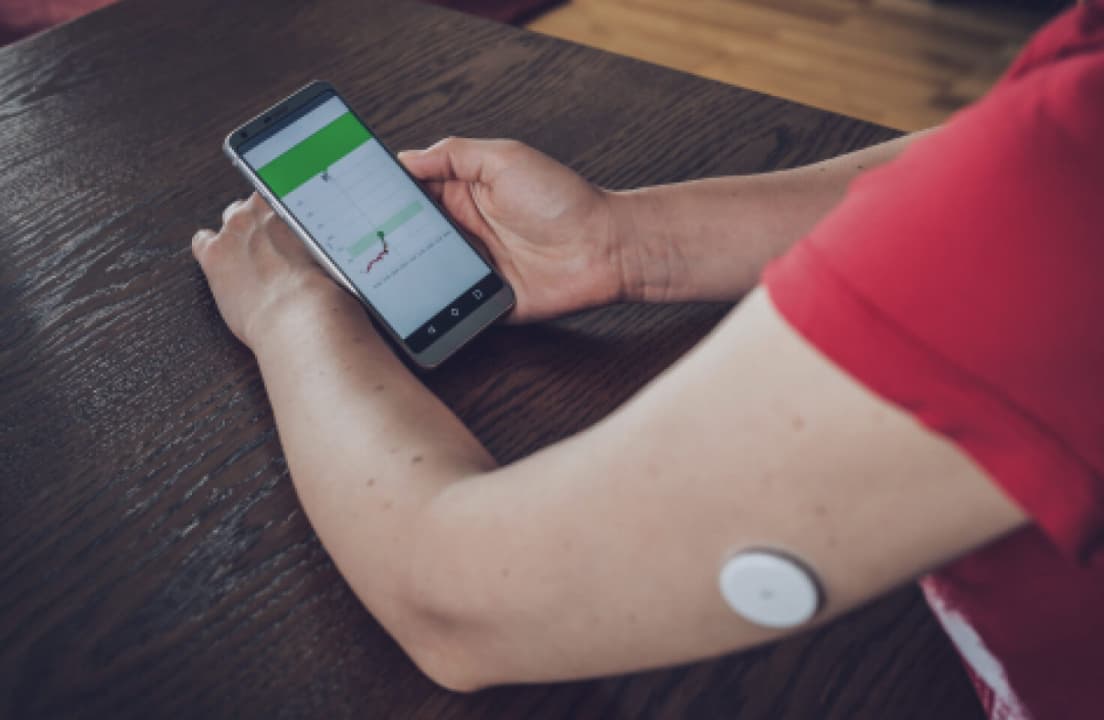
Abbott Lingo takes a different approach, focusing heavily on lifestyle monitoring and behavior change. The app translates complex glucose numbers into a "Lingo Count," a simplified metric that helps users stay within a healthy range. It’s ideal for individuals primarily interested in metabolic fitness and weight management rather than clinical diabetes data.
| Feature | Dexcom Stelo | Abbott Lingo |
|---|---|---|
| Wear Time | 15 Days | 14 Days |
| Primary Goal | T2D Management (Non-Insulin) | Lifestyle & Metabolic Coaching |
| App Integration | Apple Health, Oura, Garmin | Proprietary Coaching App |
| Warm-up Time | 30 Minutes | 60 Minutes |
| Direct to Watch | Yes (Select Models) | No (Phone Required) |
Abbott Libre Rio
The Libre Rio is the third major player, designed specifically for those with Type 2 diabetes who are not on insulin. It shares much of the same hardware as the professional Libre 3 system but is adapted for over-the-counter accessibility. It is a robust option for those who want a clinical-grade glucose biosensor without the need for a physician's visit.
Accuracy and Safety: MARD Scores and FDA Recalls
When discussing any medical device, accuracy is paramount. In the world of CGMs, we measure this using MARD accuracy (Mean Absolute Relative Difference). A lower MARD percentage indicates a more accurate device.
Technical Spec Box: Accuracy Benchmarks
- Dexcom Stelo: Features a MARD of approximately 8.2%, mirroring the high standards of the prescription G7.
- Abbott Lingo/Libre Rio: Utilizes technology with a MARD in the 8% to 9% range, consistent with the FreeStyle Libre 3.
- Eversense 365: An implantable system (prescription only) with a MARD of 8.8% over a full year.
It is important to understand the difference between prescription cgm and over the counter glucose monitors. The most critical distinction is that OTC units do not include "Low Glucose" alarms. These devices are meant for tracking trends and glycemic variability, not for preventing acute hypoglycemic emergencies. If you are prone to sudden drops in blood sugar, a prescription system remains the gold standard for safety.
Furthermore, being an informed consumer means staying aware of safety updates. In 2025, there were minor software updates regarding smartphone app integration for the Libre 3 and Stelo systems to ensure data security. Always ensure your sensor is applied to the correct location to maintain MARD accuracy and avoid irritation.

Practical Guide: How to Apply and Wear Your Sensor
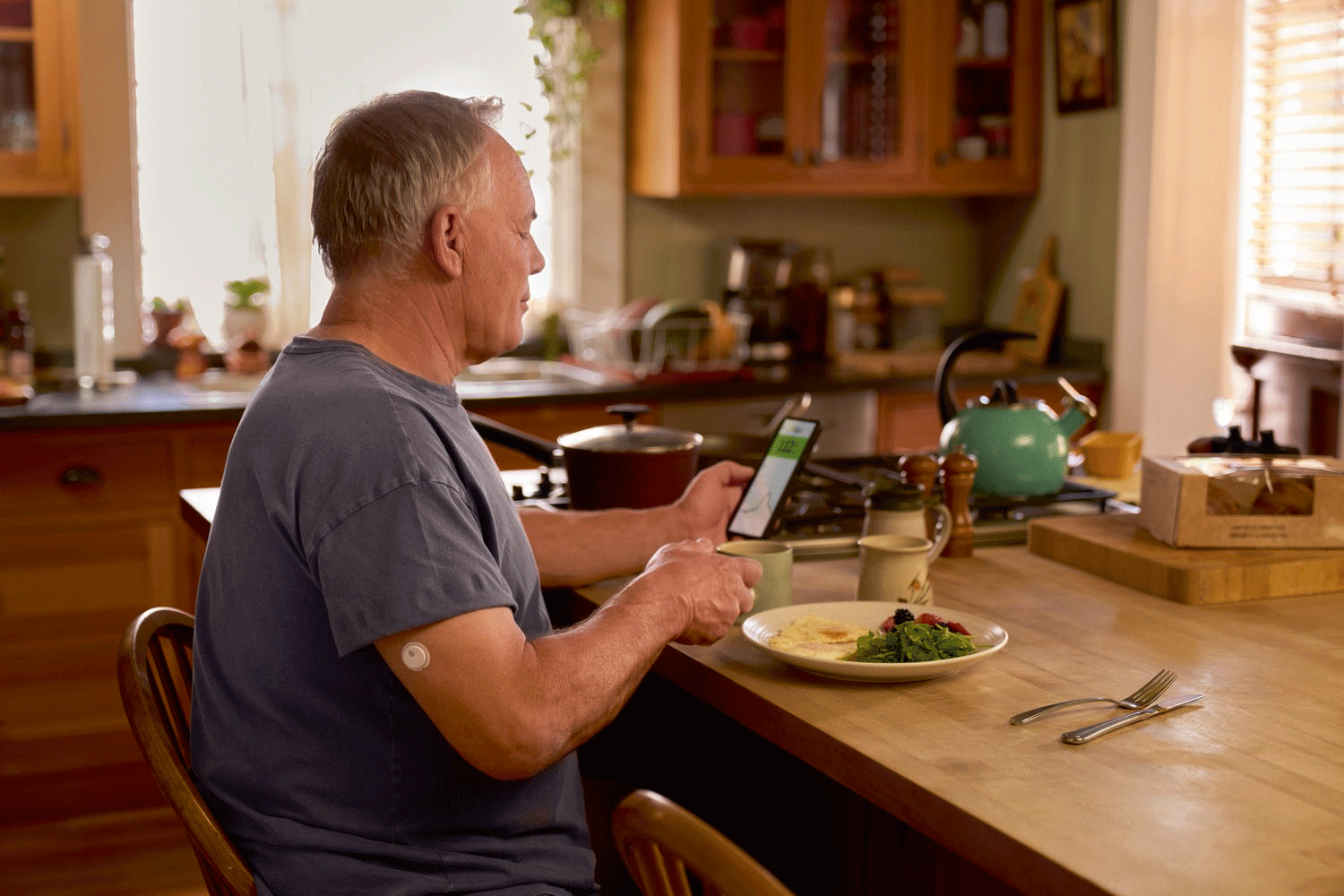
Applying a glucose biosensor is much less intimidating than it sounds. Most modern systems use a single-push applicator that is virtually painless.
Here is a quick guide on how to apply and wear otc glucose monitor sensors for the best results:
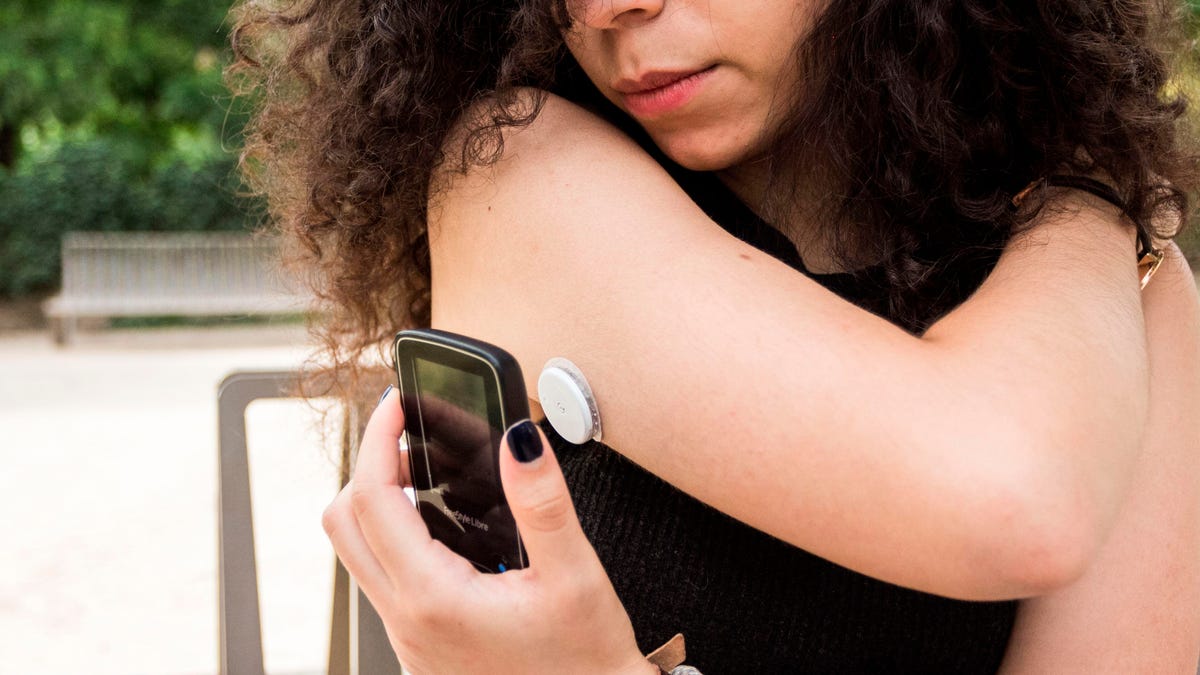
- Selection of Site: The back of the upper arm is the FDA-cleared location for most sensors. Choose a fleshy area, avoiding muscle or scar tissue.
- Preparation: Clean the area with an alcohol wipe and let it dry completely. This is the most important step for sensor longevity.
- Application: Place the applicator against the skin and press the button. You will feel a quick snap, but the tiny filament is thinner than a human hair.
- Syncing: Open your smartphone app and scan the sensor. It will take 30 to 60 minutes to "warm up" before data begins to flow.
Remember, these sensors measure interstitial fluid—the fluid surrounding your cells—rather than blood. This means there may be a 5 to 15-minute delay in readings compared to a fingerstick, especially after a high-carb meal or intense exercise. Understanding this biological lag is key to interpreting your real-time biofeedback correctly.
FAQ
Can you buy a glucose monitor over the counter?
Yes, as of 2024 and heading into 2026, several continuous glucose monitors are available without a prescription. These include the Dexcom Stelo, Abbott Lingo, and Abbott Libre Rio. Traditional fingerstick monitors have always been available over the counter, but these new wearable biosensors provide continuous, automatic tracking.
How accurate are OTC glucose monitors compared to prescription ones?
The accuracy of an otc glucose monitor is remarkably similar to its prescription counterparts. Most use the same sensor hardware and filaments. The primary difference is the software; OTC versions lack the emergency high/low alerts required for insulin-dependent medical management, but the core MARD accuracy remains high enough for lifestyle and Type 2 management.
Who is eligible to use an over-the-counter glucose monitor?
These devices are FDA-cleared for adults 18 years and older who do not use insulin. They are particularly beneficial for the 25 million Americans with non-insulin-using Type 2 diabetes, those with pre-diabetes, and individuals interested in general metabolic health optimization. They are not intended for use by pregnant women or those with Type 1 diabetes.
How much does an OTC glucose monitor cost?
The cost of over the counter cgm without insurance usually ranges from $89 to $99 per month. Dexcom Stelo offers a subscription model that brings the cost down, while Abbott Lingo often sells individual 14-day sensors for approximately $49 each. Most of these devices are HSA/FSA eligible, which can help offset the out-of-pocket expense.
Are there continuous glucose monitors available without a prescription?
Yes, the Dexcom Stelo, Abbott Lingo, and Abbott Libre Rio are all continuous glucose monitors available without a prescription. They allow users to view their glucose levels every few minutes via a smartphone app, providing a much more comprehensive view of blood sugar than occasional fingersticks.
Get Started with Your Metabolic Health Journey
In my view as a preventive health editor, the availability of an otc glucose monitor is one of the most significant wellness breakthroughs of the decade. By removing the barrier of a doctor's visit, we are empowering individuals to take ownership of their metabolic fitness.
If you are a "Data Enthusiast" who loves seeing how every minute of your day affects your health, the Dexcom Stelo with its Apple Watch and Oura integration is your best bet. If you are a "Habit Builder" who needs a bit more guidance and simplified metrics, the Abbott Lingo coaching app will be your ideal companion.
Before purchasing, I recommend checking your HSA or FSA balance, as these devices are a fantastic way to invest those pre-tax dollars into your long-term health. Understanding your glycemic variability today is the best gift you can give your future self. For where to buy fda approved otc glucose monitors, you can find them directly on the manufacturers' websites or through major online retailers.