Quick Facts
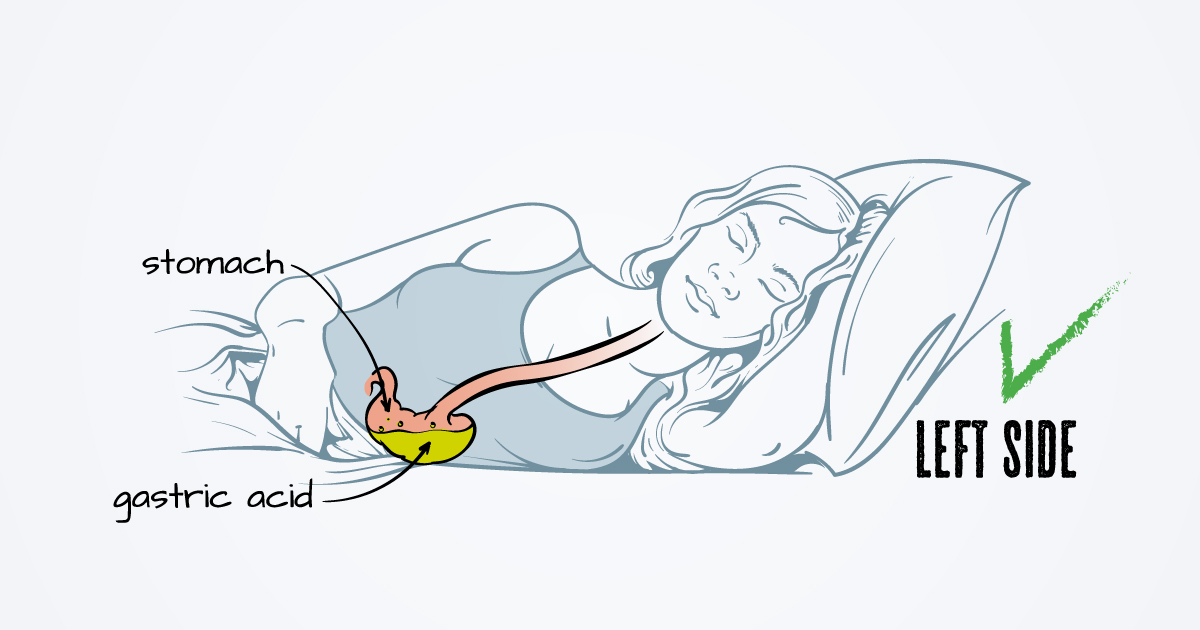
- Digestive Relief: Left side sleeping utilizes gravity to keep stomach acid below the esophagus, which helps prevent acid reflux and heartburn. This anatomical alignment supports efficient gastric emptying and promotes smoother digestion throughout the night.
- Reflux Reduction: Clinical evidence shows that this position can reduce esophageal acid exposure time by 40% to 60% and decrease the frequency of reflux episodes by 50% compared to other positions.
- Circulatory Boost: Resting on your left enhances blood flow by reducing pressure on the inferior vena cava and supporting the natural path of the aorta.
- Toxin Removal: Approximately 75% of the body's lymphatic drainage enters the thoracic duct on the left side, allowing for more efficient filtration of waste.
- Pregnancy Safety: In late pregnancy, this posture is associated with a 23.7% higher internal iliac arterial blood flow to the uterus, improving oxygen movement to the placenta.
- Respiratory Support: By keeping the airways open and preventing the tongue from obstructing the throat, it can significantly minimize snoring and symptoms of mild sleep apnea.
Sleeping on the left side utilizes gravity to keep stomach acid below the esophagus, which helps prevent acid reflux and heartburn. This anatomical alignment supports efficient gastric emptying and promotes smoother digestion throughout the night. Beyond digestive benefits, left side sleeping enhances circulation by reducing pressure on the inferior vena cava and supporting the lymphatic system's natural drainage processes, which facilitates the removal of metabolic waste from the body.
We often focus on the quantity of our sleep, counting hours like currency, yet we rarely consider the geometry of our rest. As a preventive care editor, I have spent years looking at how small, daily routines accumulate into long-term wellness outcomes. One of the most overlooked variables in our nightly recovery is our physical orientation. While it may seem like a minor detail, the direction you face when you drift off can profoundly influence your digestive comfort, cardiac efficiency, and even how your brain clears out metabolic waste.
Modern science is finally catching up to what ancient medical traditions, such as Ayurveda, have suggested for centuries: our internal anatomy is not symmetrical. Because our organs are arranged in specific ways, our posture during the eight hours we spend unconscious matters. Choosing the left side sleeping position is not just a matter of preference; it is a way to work with your biology rather than against it. By understanding the physiological benefits of sleeping on left side, you can transform your sleep from a simple period of downtime into a proactive health practice.
The Gravity of Digestion: Relieving Acid Reflux and Bloating
The primary reason many gastroenterologists advocate for the left side is the unique, J-shaped curvature of the human stomach. Your stomach sits on the left side of your abdomen. When you lie on your left, the stomach stays below the level of the esophagus. This positioning creates a natural gravitational barrier that makes it much harder for stomach acid to escape upward.
If you suffer from Gastroesophageal reflux disease or frequent heartburn, you likely know the burning sensation that occurs when the lower esophageal sphincter fails to close tightly. When you sleep on your right side, the stomach is actually positioned above the esophagus, allowing acid to leak through that sphincter quite easily. This can lead to esophageal irritation and disrupted sleep. Recent studies from 2022 highlight that left side sleeping can reduce acid exposure by 40% to 60%, providing a drug-free way to manage nocturnal symptoms.
Furthermore, this position aids in gastric emptying. The waste from your small intestine moves more easily into the large intestine via the ileocecal valve, located in the lower right abdomen. From there, it travels up the ascending colon, across the abdomen, and down into the descending colon on the left side. By resting on your left, you are encouraging the natural flow of waste, which can reduce morning bloating and promote more regular bowel movements.
To maximize these benefits of left side sleeping for digestion and bloating, I recommend a few lifestyle adjustments:
- Maintain a two to three-hour gap between your last meal and bedtime to allow initial digestion to occur.
- For those with severe GERD, consider elevating the head of your bed by 6 to 8 inches. This adds a second layer of gravitational protection to help with how to sleep on left side for acid reflux relief.
- Avoid sleeping in a tightly curled fetal position, which can put unnecessary pressure on the stomach and lungs.
Heart Health and Lymphatic Drainage: The Circulatory Advantage
The benefits extend far beyond the gut. Your heart and lymphatic system also operate more efficiently when you favor your left side. The heart is the engine of the body, and its main artery, the aorta, arches to the left as it leaves the heart to carry blood to the rest of the body. When you sleep on your left, the heart pumps blood "downhill" into this arch, which slightly reduces the workload on the cardiac muscle.
Conversely, the inferior vena cava—the body's largest vein which carries deoxygenated blood back to the heart—is located on the right side of the spine. When you sleep on your right side, the weight of your internal organs can compress this vein, potentially slowing down the return of blood to the heart. This is why left side vs right side sleeping for heart health is a common topic in preventive medicine; the left side keeps the return path clear and the exit path unobstructed.
The lymphatic system, our body's waste disposal network, is also left-dominant. Approximately 75% of the body's lymphatic drainage occurs through the thoracic duct, which empties into the left subclavian vein. This means that left side sleeping benefits for lymphatic drainage by allowing gravity to assist the filtration of lymph fluid and the removal of metabolic toxins. This is particularly important for brain health, as the glymphatic system—the brain's unique waste removal process—is most active during deep sleep.
| Physiological Feature | Left Side Sleeping | Right Side Sleeping |
|---|---|---|
| Aorta / Blood Flow | Blood pumps downhill through the aortic arch | Heart must pump slightly against gravity |
| Vena Cava Pressure | Minimal; supports efficient venous return | Potential compression from organ weight |
| Lymphatic System | Aids 75% of drainage via the thoracic duct | Less efficient drainage of metabolic waste |
| Stomach Acid | Acid stays below the esophagus | Acid more likely to leak into the esophagus |
| Waste Transit | Supports movement to descending colon | May slow down bowel regularity |
Left Side Sleeping for Snoring, Pregnancy, and Back Pain
For many, the struggle with sleep isn't about digestion but about breathing and comfort. Snoring and mild sleep apnea often occur when the base of the tongue and the soft palate collapse toward the back wall of the throat. While back sleeping is the primary culprit for these issues, side sleeping tips often emphasize the left side to ensure a stable, open airway. By keeping the head in a neutral position on the left, you reduce the likelihood of airway obstruction, leading to quieter and more restorative rest.
In the realm of prenatal care, the left side is frequently called the "gold standard" of sleep positions. As the uterus grows, it can put significant pressure on the liver (located on the right) and the inferior vena cava. Research has demonstrated that in late pregnancy, resting in the left lateral position is associated with a 23.7% higher internal iliac arterial blood flow to the uterus. This ensures that the fetus receives an optimal supply of nutrients and oxygen, while also reducing the risk of swelling in the mother's legs and feet.

Spinal alignment is another critical factor. While back sleeping is often praised for spinal health, many people find it causes lower back pain. Side sleeping, when done correctly, can alleviate this. The key is to maintain a neutral spine from the neck to the hips. Placing a small pillow between your knees can prevent the upper leg from pulling the spine out of alignment, which significantly reduces hip and lower back strain. This is one of the most effective side sleeping tips for those dealing with chronic musculoskeletal issues.
How to Train Yourself to Stay on Your Left Side
If you are a lifelong back or right-side sleeper, switching positions can feel unnatural at first. However, the body is remarkably adaptable. Training yourself how to stay on your left side while sleeping involves a combination of environmental cues and physical barriers.
First, consider your equipment. The best pillows for left side sleeping support should be thick enough to fill the gap between your ear and your outer shoulder. This keeps your neck in line with your spine. A body pillows is also an excellent investment; by hugging a long pillow, you provide a physical "stop" that prevents you from rolling onto your stomach or back during the night.
If you find yourself consistently rolling onto your right side, try the classic "tennis ball technique." By sewing a small pocket onto the right side of a tight-fitting pajama top and placing a tennis ball inside, you create a gentle, subconscious reminder to roll back to the left whenever you turn over. Over time, your brain will associate the left side with comfort and the right side with minor disturbance, eventually making the left your default position.

Finally, look to the wisdom of the past. Historical accounts suggest that Ancient Roman citizens often rested on their left side after large feasts to aid digestion. You can adopt a modern version of this by practicing a 10-minute quiet rest on your left side immediately after dinner. This prepares your body for the digestive rhythm it will follow once you actually go to bed.
FAQ
What are the benefits of sleeping on your left side?
Sleeping on the left side offers several systemic health advantages, including improved digestion, enhanced lymphatic drainage, and better heart health. It works with the body's natural anatomy to reduce the workload on the heart and facilitate the movement of waste through the digestive tract.
Does sleeping on your left side help with digestion?
Yes, it is considered the optimal sleeping position for digestion because the stomach is naturally located on the left side of the abdomen. This position uses gravity to keep stomach acid from rising into the esophagus and helps food waste move more efficiently from the small intestine to the large intestine.
Is it better to sleep on the left or right side?
For most people, the left side is superior due to the anatomical placement of the stomach, heart, and lymphatic vessels. While right side sleeping may be comfortable for some, it can increase the risk of acid reflux and put more pressure on the inferior vena cava, potentially hindering circulation.
Why do doctors recommend sleeping on the left side during pregnancy?
Doctors recommend this position because it prevents the heavy uterus from compressing the liver and the inferior vena cava. This leads to a 6.2% increase in oxygen movement across the placenta and ensures optimal blood flow to both the mother and the baby.
Does sleeping on your left side help with snoring?
Yes, side sleeping helps keep the airways open. When you sleep on your back, gravity can cause the tongue and soft tissues in the throat to collapse, leading to snoring. Side sleeping, particularly on the left, keeps these tissues out of the airway.
How can I train myself to sleep on my left side?
You can train yourself by using a body pillow to prevent rolling, or by using the tennis ball technique, which involves placing a small object in a pajama pocket on the right side. Additionally, ensuring you have a supportive pillow that fills the space between your neck and shoulder will make the position more comfortable.