Quick Facts
- The Foundation: Healthy arteries ensure smooth oxygenated blood flow throughout the body via flexible endothelial linings that react to the body's needs.
- Core Goal: Focus on atherosclerosis prevention strategies early in life to maintain vascular integrity and prevent long-term complications.
- The Global Challenge: Cardiovascular diseases are the leading cause of death worldwide, accounting for 32% of all global deaths as of 2022.
- Critical Metrics: Aim for 150 minutes of weekly exercise, 7-8 hours of quality sleep, and keeping environmental noise below 50dB for optimal vascular recovery.
- Primary Prevention: Modern medicine has moved beyond routine aspirin use toward personalized lipid management and the "Lower for Longer" approach to cholesterol.
- Key Risk Factor: High blood pressure is a silent threat currently affecting approximately 47% of adults in the United States.
Arterial health refers to the functional integrity and elasticity of the vascular system, which ensures efficient oxygenated blood flow throughout the body. Healthy arteries possess smooth endothelial linings and the ability to dilate effectively, acting as a dynamic delivery system rather than just static pipes.
Anatomy of the Arterial System: Beyond Veins
To understand how to protect your heart, we must first look at the unique architecture of our arteries. Unlike veins, which carry blood back to the heart under lower pressure, arteries must withstand the high-velocity surge of every heartbeat. This vascular system function is made possible by a sophisticated three-layered wall structure.
The innermost layer, the tunica intima, is lined with a single layer of endothelial cells. This endothelium is the "brains" of the artery, releasing chemicals that tell the vessel when to widen or narrow. Surrounding this is the tunica media, a thick layer of smooth muscle cells and elastic fibers that provide the strength needed to manage high-pressure hemodynamics. Finally, the tunica externa provides a protective outer sheath of collagen.
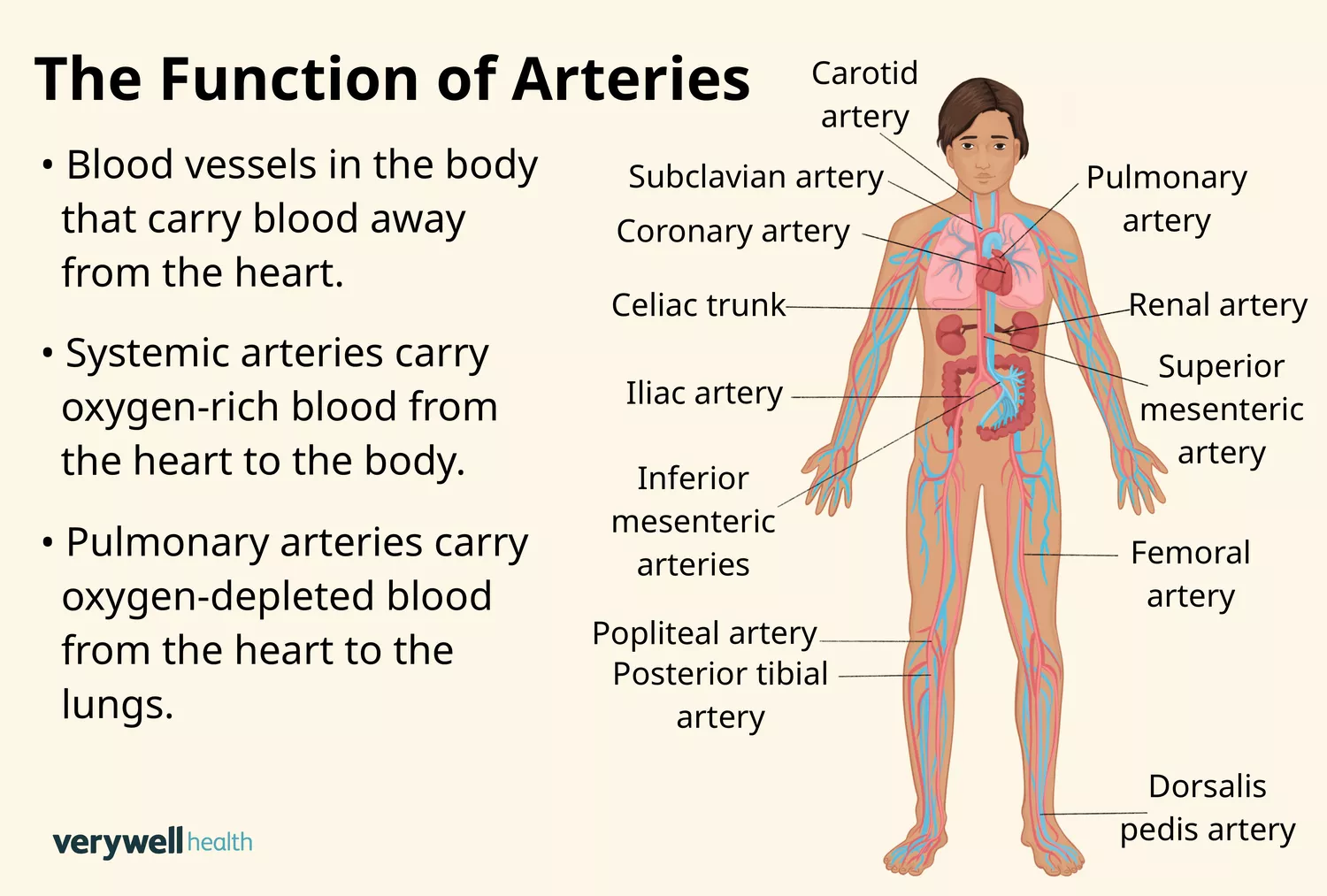
One fascinating exception to the rule is the pulmonary artery. While most arteries carry oxygen-rich blood, the pulmonary artery is the only one designed to transport deoxygenated blood from the heart to the lungs for a fresh supply of oxygen. Understanding the difference between arteries and veins function is essential; while veins use valves to prevent backflow in a low-pressure environment, arteries rely on their muscular elasticity to propel blood forward.
Understanding Atherosclerosis: The Silent Hardening
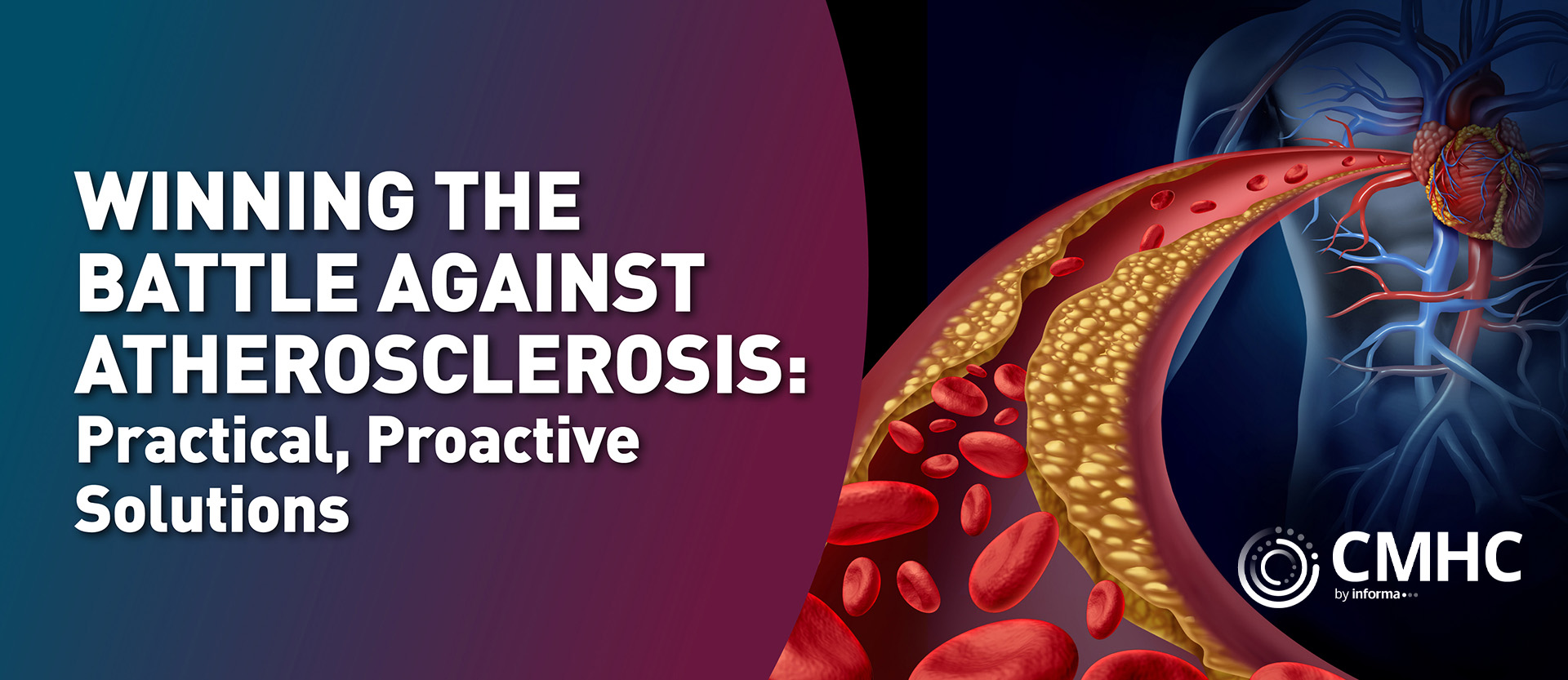
The most significant threat to our longevity is the gradual process of atherosclerosis. This condition occurs when the once-smooth inner lining of the artery becomes damaged, allowing for plaque accumulation. This plaque—a sticky mixture of fats, cholesterol, and cellular waste—embeds itself within the intima layer, causing the vessel to narrow and lose its flexibility.
This process is often fueled by systemic inflammation and hyperlipidemia, a state where there are too many lipids in the blood. When your lipid profile shows high levels of LDL cholesterol, these particles can become oxidized and trapped in the arterial wall, triggering an immune response that accelerates the formation of hard, calcified plaques.
Because this hardening happens over decades, early signs of hardening of the arteries are rarely felt. Instead, they are measured. If you notice a gradual increase in your blood pressure or changes in your cholesterol numbers during a check-up, these are the primary indicators that your arteries may be losing their youthful elasticity. Ischemic heart disease, which stems directly from this arterial narrowing, currently accounts for half of all cardiovascular deaths globally.
Lifestyle Pillars: Maintaining Arterial Elasticity
The good news is that our vascular age does not have to match our chronological age. Maintaining arterial elasticity is a goal we can work toward every day through specific lifestyle choices. The most effective atherosclerosis prevention strategies center on a "Lower for Longer" philosophy regarding LDL cholesterol—the lower your levels are and the longer they stay that way, the less likely plaque is to form.
Dietary habits to prevent atherosclerosis should prioritize the Mediterranean pattern. This means loading your plate with antioxidant-rich foods like leafy greens, berries, and nuts, which help protect the endothelium from oxidative stress. Healthy fats found in olive oil and fatty fish help balance your lipid profile, while soluble fiber from whole grains actively sweeps cholesterol out of the digestive system before it can enter the bloodstream.
Movement is equally vital. The best exercises for vascular system health include a combination of moderate aerobic activity—like brisk walking or swimming—and resistance training. Aerobic exercise improves hemodynamics and helps reduce pulse wave velocity, a clinical measure of arterial stiffness. When you exercise, your blood vessels are forced to dilate and constrict, which essentially "trains" the smooth muscle cells in the tunica media to stay flexible.
Environmental & Metabolic Factors in ASCVD Prevention
Beyond the kitchen and the gym, we must consider the invisible factors that influence our vascular health. Modern research has highlighted how lifestyle changes for primary prevention of ASCVD must include stress and environmental management. For instance, chronic exposure to noise pollution above 50dB—especially during sleep—can trigger a stress response that damages endothelial function and raises blood pressure over time.
Sleep itself is a critical period for vascular repair. Aiming for the "Goldilocks zone" of 7-8 hours of quality sleep allows the heart rate to drop and the vascular system to recover from the day’s pressure. Furthermore, managing metabolic health is paramount. Conditions like diabetes or insulin resistance create a pro-inflammatory environment that makes the arterial walls more "sticky" and prone to damage.
Psychosocial stress is another hidden culprit. High levels of cortisol and adrenaline can lead to temporary arterial constriction and increased heart rate. Incorporating mindfulness, deep breathing, or even laughter therapy into your daily routine helps maintain a healthy balance in the autonomic nervous system, which in turn supports better arterial dilation and blood flow.
Settled Medical Consensus vs. Emerging Research
For decades, the consensus was that a daily low-dose aspirin was the gold standard for preventing heart attacks in almost everyone over 50. However, emerging research and updated clinical guidelines now suggest a more nuanced approach. Because aspirin increases the risk of internal bleeding, it is no longer recommended for primary prevention in adults who do not have a high risk of cardiovascular disease. Instead, the focus has shifted toward aggressive lipid management and early lifestyle interventions.
Clinical Monitoring: Tracking Your Vascular Age
To truly master your heart health, you need data. The importance of regular blood pressure monitoring for artery health cannot be overstated. Since high blood pressure is a primary driver of arterial damage, knowing your numbers allows you to intervene before permanent calcification occurs.
Starting as early as age 20, individuals should undergo a cardiovascular risk assessment every few years. Tools like the QRISK2 or the ASCVD Risk Estimator help clinicians predict the likelihood of a heart event over the next decade by looking at your age, cholesterol, smoking status, and blood pressure. For those at higher risk, doctors may use more advanced tests like measuring pulse wave velocity to determine the actual stiffness of the vessels.
Weight management also plays a secondary but vital role. Excess visceral fat secretes inflammatory cytokines that directly harm the vascular lining. By maintaining a healthy weight, you reduce the mechanical load on your heart and improve the overall efficiency of your oxygenated blood flow.
FAQ
How can I improve my arterial health naturally?
Focus on a diet rich in nitrates, such as beets and arugula, which help the body produce nitric oxide to relax blood vessels. Combine this with at least 150 minutes of zone 2 aerobic exercise weekly and prioritize 7-8 hours of sleep to reduce systemic inflammation.
What are the early warning signs of poor arterial health?
Poor arterial health is often a silent condition, but early indicators include erectile dysfunction, calf pain while walking (claudication), or a persistent rise in blood pressure. These symptoms suggest that blood flow is becoming restricted in various parts of the body.
Can arterial plaque be reversed with diet and exercise?
While it is difficult to completely remove calcified plaque, intensive lifestyle changes and lipid-lowering therapies can stabilize existing plaques, making them less likely to rupture. These changes can also reduce the fatty components of "soft" plaques and significantly improve endothelial function.
What lifestyle habits have the biggest impact on the health of your arteries?
The most impactful habits include avoiding all forms of tobacco and vaping, maintaining a low-sodium and high-fiber diet, and managing chronic stress. Consistency in these areas prevents the initial endothelial damage that leads to plaque formation.
How do doctors test for arterial stiffness?
Doctors often use pulse wave velocity (PWV) tests, which measure the speed at which the pressure wave from your heartbeat travels through your arteries. Faster speeds typically indicate stiffer, less healthy vessels. Other methods include the ankle-brachial index (ABI) or carotid intima-media thickness (CIMT) ultrasound.