Quick Facts
- Diagnostic Rule: The 3-3-3 rule serves as the clinical floor for determining if sleep issues require medical intervention.
- Prevalence Stats: Research shows that 10% of the adult population suffers from a formal chronic insomnia disorder.
- Primary Metric: Taking more than 30 minutes to fall asleep (sleep latency) is a major diagnostic indicator.
- Sleep Efficiency: A red flag is raised when sleep efficiency—the time spent asleep versus time in bed—drops below 85 percent.
- Mental Health Link: Approximately 50% of individuals with this condition also experience co-occurring anxiety or depression.
- First-Line Treatment: Clinical guidelines prioritize CBT-I (Cognitive Behavioral Therapy for Insomnia) as the gold standard over long-term medication.
Chronic insomnia is clinically defined by sleep disturbances occurring at least three nights per week for a minimum of three months. A formal diagnosis of chronic insomnia symptoms requires that these issues cause significant daytime impairment or distress, such as mood disturbances, fatigue, or decreased work performance. Unlike short-term insomnia, which is often a temporary response to stress, the chronic form persists even when the initial stressor is removed.
Sign 1: The 3-3-3 Rule and Symptom Duration
In the world of preventive health, we often distinguish between a bad week and a clinical condition. Most of us have experienced a few nights of tossing and turning before a big presentation or after a difficult life event. This is known as acute or short-term insomnia, and it usually resolves as the stressor fades. However, clinical guidelines suggest that once you hit the 90-day mark, the nature of the problem changes fundamentally.
To meet the criteria for a formal diagnosis, clinicians look for the 3-3-3 rule. This means having trouble falling or staying asleep at least three nights per week for three months or longer. If you are wondering how many nights a week for chronic insomnia diagnosis are necessary, this three-night threshold is the standard used by sleep specialists to differentiate between occasional restlessness and a self-perpetuating sleep disorder.
Important Note: The 3-3-3 Rule Definition Chronic insomnia symptoms are recognized when sleep difficulties occur at least 3 nights per week, persist for at least 3 months, and result in 3 or more daytime functional impairments (such as fatigue, irritability, or cognitive lapses).
When sleep issues reach this level of persistence, the brain begins to form a "conditioned" response. You may start to associate your bed with wakefulness and frustration rather than rest. This transition from short term insomnia vs chronic insomnia duration is critical because, at this stage, the insomnia often becomes its own independent problem, remaining long after the original cause of your worry has vanished.
Sign 2: Sleep Latency Exceeds the 30-Minute Mark
One of the most frustrating chronic insomnia symptoms is the inability to initiate sleep, a metric technically known as sleep latency. While it is normal to take 10 to 20 minutes to drift off, consistently requiring more than 30 minutes to fall asleep is a major warning sign of clinical insomnia.
During this period of sleep latency, the brain often enters a state of ruminative thinking. You might start by worrying about your taxes or a conversation you had at work, but eventually, the focus shifts. You begin worrying specifically about your inability to fall asleep. This "sleep-related anxiety" creates a physiological feedback loop: the more you worry about not sleeping, the more your body produces stress hormones like cortisol, which further prevents sleep.
If you find yourself staring at the clock and calculating how many hours of rest you have left before the sun comes up, you are experiencing a hallmark sign of a chronic sleep disorder. This shift from "life worry" to "sleep worry" is a psychological pivot that suggests the condition has moved beyond simple nighttime anxiety.
Sign 3: Nighttime Anxiety vs. Hyperarousal Phenotype
Many people confuse generalized anxiety with sleep disorders, but there is a distinct physiological difference. Nighttime anxiety usually involves worrying about external life events. In contrast, signs of clinical insomnia often involve a state of hyperarousal. This is a physiological condition where your nervous system remains in a "fight or flight" mode even though you are exhausted.
You might feel "tired but wired"—your body is heavy with fatigue, but your brain is buzzing, your heart rate might be slightly elevated, and your muscles feel tense. This hyperarousal state is why simple relaxation techniques that work for general stress often fail for those with chronic sleep loss.
To help you distinguish between the two, consider the following comparison of anxiety versus insomnia symptoms:
| Feature | Nighttime Anxiety | Clinical Insomnia (Hyperarousal) |
|---|---|---|
| Primary Focus | Worries about the future, past, or safety | Worries about the consequences of not sleeping |
| Physical Sensation | Panic, "butterflies," or shortness of breath | "Tired but wired," muscle tension, restless legs |
| Timing | Often occurs before even getting into bed | Peaks once the head hits the pillow or during mid-night wakes |
| Response to Distraction | Can sometimes be calmed by media or reading | Brain remains alert regardless of environment |
| Daytime Impact | Constant state of worry throughout the day | Primary struggle is fatigue and cognitive "fog" |
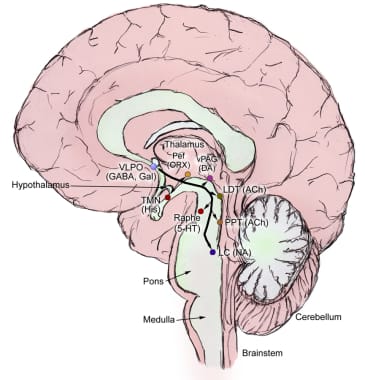
This physiological state often requires more than just better sleep hygiene; it requires retraining the brain’s arousal system through behavioral interventions. Understanding these nighttime anxiety vs clinical insomnia differences is the first step in seeking the right kind of help.
Sign 4: Consistent Sleep Maintenance Issues
Insomnia isn't just about the struggle to fall asleep; it is equally defined by the struggle to stay asleep. This is known as sleep maintenance. If you frequently wake up in the middle of the night and find yourself unable to return to sleep for more than 30 minutes, you are seeing one of the core chronic sleep loss indicators.
In a healthy sleep cycle, we move through various stages, including deep sleep and REM sleep. However, those with chronic insomnia symptoms often have fragmented sleep. These frequent "micro-awakenings" or long periods of wakefulness prevent the body from entering the deeper, restorative sleep stages necessary for physical repair and memory consolidation.
Identifying chronic insomnia based on sleep maintenance issues is vital because these mid-night wakes are often when the most intense ruminative thinking occurs. When the house is silent and there are no distractions, the brain’s "default mode network" becomes hyper-active, leading to an endless loop of self-criticism or future-focused dread that keeps you awake for hours.
Sign 5: Early Morning Awakening Patterns
Do you find yourself waking up at 4:00 AM or 5:00 AM, long before your alarm is set to go off, and feeling completely unable to drift back to sleep? Chronic insomnia early morning awakening patterns are a specific subtype of the disorder that can be particularly draining.
This isn't the same as being a "morning person." These awakenings are often characterized by a sudden jolt into alertness, accompanied by a sense of malaise or dread. Biologically, this can be linked to disruptions in your circadian rhythm—your body’s internal 24-hour clock. When the circadian rhythm is out of sync, your body may begin its "internal morning" (releasing cortisol and raising core temperature) hours too early.
Persistent early waking is also frequently linked to mood disorders. If you are experiencing this sign alongside a loss of interest in activities you usually enjoy, it is especially important to consult with a professional to see if there is a co-morbidity between your sleep patterns and your mental health.
Sign 6: Significant Daytime Functional Impairment
In my practice, I always emphasize that insomnia is a 24-hour disorder. It doesn't end when you get out of bed. In fact, you cannot be clinically diagnosed with chronic insomnia unless you experience daytime impairment signs of chronic insomnia.
Without these daytime consequences, someone who sleeps very little might simply be a "short sleeper" by nature. However, if your lack of sleep leads to:
- Increased irritability or emotional volatility with family and friends
- Frequent cognitive errors or a "brain fog" that makes focus impossible
- Work performance issues related to chronic sleep loss, such as missed deadlines or slow processing
- A general sense of malaise or physical tension headaches
Then you are likely dealing with a clinical condition. The cognitive impairment caused by chronic sleep loss is often compared to the effects of alcohol intoxication; it slows your reaction time and impairs your judgment, making daily tasks—like driving or managing complex projects—significantly more difficult.
Sign 7: Feeling Unrefreshed Despite 'Enough' Time in Bed
You might spend eight hours in bed, but if your sleep efficiency is low, you will still wake up feeling exhausted. Sleep efficiency is the percentage of time you are actually asleep compared to the total time you spend in bed. In a healthy adult, this should be above 85 percent. If you spend 9 hours in bed but are only asleep for 6 of them, your efficiency is roughly 66 percent—a major red flag for chronic insomnia symptoms.
Feeling unrefreshed after sleep chronic insomnia signs often point to a lack of restorative sleep. During high-quality sleep, the brain’s glymphatic system clears out metabolic waste buildup that accumulates during the day. When sleep is fragmented or shallow, this "cleaning process" is interrupted.
Physical health indicators of long term sleep deprivation can include a weakened immune system, increased sensitivity to pain, and metabolic shifts that make you crave high-sugar foods. If you wake up every morning feeling as though you haven't slept at all, it's a sign that the quality of your sleep is being compromised by hyperarousal or poor sleep architecture.
When to See a Sleep Specialist: Beyond Sleep Hygiene
When people first struggle with sleep, they usually try sleep hygiene: they buy blackout curtains, stop drinking caffeine at noon, and put their phones away. While these are great habits, they often fail to fix chronic insomnia because they don't address the underlying physiological hyperarousal or the psychological conditioning that keeps the cycle going.
If you have been following the 3-3-3 rule, it is time to look beyond home remedies. Clinical guidelines now recommend CBT-I (Cognitive Behavioral Therapy for Insomnia) as the first-line treatment. CBT-I is a structured program that helps you identify and replace thoughts and behaviors that cause or worsen sleep problems with habits that promote restorative sleep.
You should consider when to see a doctor for chronic insomnia symptoms if:
- Your Insomnia Severity Index (ISI) score is consistently high.
- Sleep issues are interfering with your ability to hold a job or maintain relationships.
- You are relying on alcohol or over-the-counter sleep aids every night to get by.
- You feel a sense of hopelessness or extreme anxiety regarding the upcoming night.
A sleep specialist can help rule out other conditions like sleep apnea or restless leg syndrome and get you started on a path to long-term wellness.
FAQ
What are the primary symptoms of chronic insomnia?
The primary chronic insomnia symptoms include difficulty falling asleep (long sleep latency), waking up frequently during the night (sleep maintenance issues), waking up too early in the morning, and experiencing significant daytime impairment such as fatigue, irritability, and cognitive fog.
How long do symptoms have to last to be considered chronic insomnia?
To be diagnosed as chronic, sleep disturbances must occur at least three nights per week for a minimum duration of three months. This distinguishes the condition from acute insomnia, which is usually short-term and tied to a specific stressful event.
What is the difference between acute and chronic insomnia symptoms?
Acute insomnia is a brief episode of difficulty sleeping, often triggered by life stress (like a new job or grief) and resolving on its own. Chronic insomnia symptoms persist for 90 days or longer and often continue even after the original stressor is gone, as the brain becomes conditioned to stay awake.
Can chronic insomnia cause psychological symptoms like anxiety or depression?
Yes, there is a strong link. Approximately 50% of people with chronic insomnia have a co-occurring mental health disorder. Sleep deprivation can exacerbate feelings of anxiety and is a significant risk factor for the development of depression.
How do doctors evaluate and diagnose chronic insomnia symptoms?
Doctors typically use sleep diaries, clinical interviews, and standardized tools like the Insomnia Severity Index. They look for the 3-3-3 rule and assess how sleep loss affects your daytime functioning. In some cases, they may recommend a sleep study to rule out other disorders.
When should I seek medical help for persistent insomnia?
You should seek help if your sleep troubles occur at least three times a week for three months, if you feel unsafe (such as falling asleep while driving), or if the lack of sleep is causing significant distress in your personal or professional life.
Next Steps for Restorative Sleep
If you recognize yourself in these signs, don't lose heart. Chronic sleep issues are highly treatable, but they require a proactive, evidence-based approach.
- Start a Sleep Diary: Track your sleep for two weeks. Note when you go to bed, how long it takes to fall asleep, and how many times you wake up. This data is invaluable for a sleep specialist.
- Audit Your Daytime Functioning: Be honest about how your work performance or mood is being affected. Sometimes we "normalize" exhaustion, but recognizing the impairment is key to seeking help.
- Practice Stimulus Control: If you can't sleep after 20 minutes, get out of bed. Go to another room and do something quiet in dim light. Only return to bed when you are truly sleepy to avoid conditioning your brain to be awake in bed.
- Consult a Professional: Use the 3-3-3 rule as your signal to book an appointment. Ask about CBT-I programs in your area or through reputable digital platforms.
Prioritizing your sleep is the foundation of long-term wellness. By identifying these warning signs early, you can break the cycle of nighttime worry and reclaim your restorative sleep.