Quick Facts
- Top Repellent: 20% Picaridin is a leading choice for its odorless, non-greasy feel and up to 12 hours of reliable protection.
- Infant Safety: Never use DEET on infants under 2 months old, and avoid Oil of Lemon Eucalyptus (OLE) for children under 3 years.
- The 15-Minute Rule: Always apply sunscreen first, wait 15 minutes for it to set, and then apply your insect repellent.
- Physical Barrier: Permethrin-treated clothing provides a powerful secondary defense and can remain effective for up to six washes.
- Global Impact: Vector-borne diseases account for more than 17% of all infectious diseases globally and cause more than 700,000 deaths annually.
- Environmental Control: Managing standing water and using mechanical tools like floor fans can significantly reduce local mosquito populations.
To prevent insect bites effectively, use EPA-registered repellents containing active ingredients like DEET, picaridin, or oil of lemon eucalyptus. Wear light-colored, long-sleeved clothing and pants, preferably treated with permethrin, to create a physical barrier. Additionally, manage your environment by removing standing water where mosquitoes breed and using mesh netting in high-risk outdoor areas.
1. Choose EPA-Registered Active Ingredients
When it comes to preventive healthcare, the quality of the barrier you put between yourself and nature matters. The foundation of any strategy to prevent insect bites starts with selecting the right chemical defense. The Environmental Protection Agency (EPA) registers repellents that have been evaluated and approved for both safety and effectiveness.
There are three primary active ingredients that I recommend for daily wellness routines. First is picaridin, also known as Icaridin. It is a synthetic version of a compound found in pepper plants. Picaridin is highly effective, odorless, and does not feel greasy on the skin. A significant advantage of picaridin over older formulas is its material safety; it won't damage your plastics, synthetic fabrics, or watch crystals.
Second is DEET, which remains a gold standard for long-lasting protection. While it has a distinct scent and can feel slightly oily, its efficacy is unmatched for deep-woods activities. According to research, repellents containing 20% DEET provide approximately one to three hours of protection, while concentrations of 50% can offer up to 12 hours of effectiveness. However, DEET is a solvent, meaning it can melt certain synthetic materials, so apply it with care.
Finally, for those seeking a more plant-derived approach, Oil of lemon eucalyptus (OLE) or its synthetic version, Citriodiol, is an excellent choice. It provides protection similar to lower concentrations of DEET and is a favorite for those who prefer natural scents.
Repellent Comparison Guide
| Ingredient | Duration | Material Safety | Recommended For |
|---|---|---|---|
| Picaridin (20%) | 8–12 Hours | Safe for all materials | Daily use, gear-heavy trips |
| DEET (30-50%) | 6–12 Hours | Can damage plastics | High-risk tick and mosquito areas |
| OLE / Citriodiol | 6 Hours | Generally safe | Natural preference, short outings |
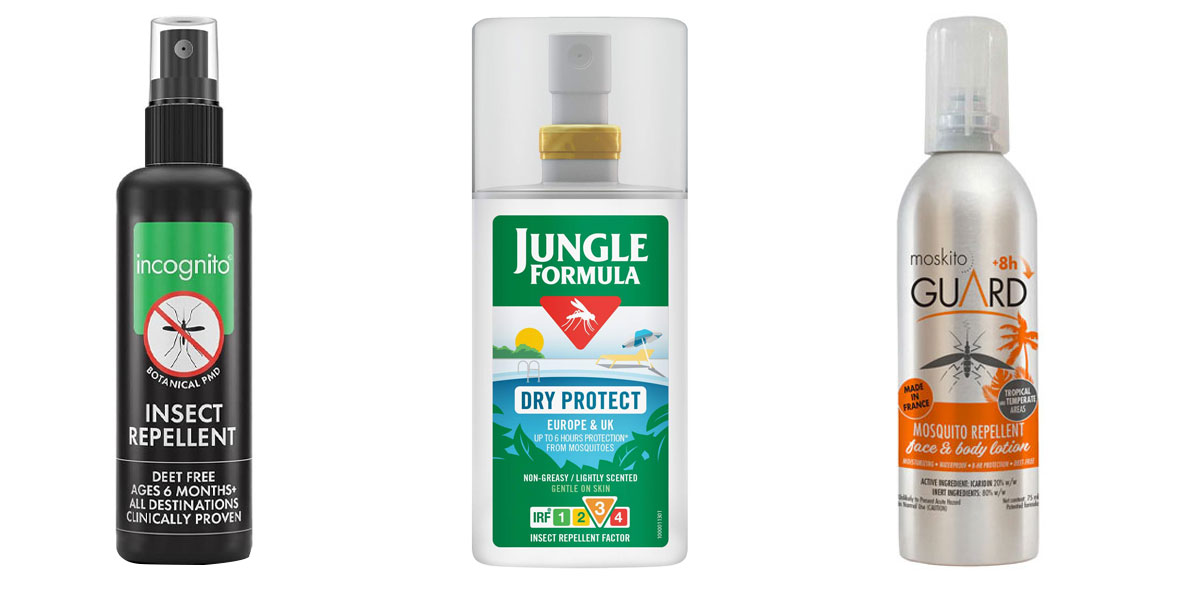
Understanding the picaridin vs deet for mosquito protection debate helps you tailor your defense to your environment. While both are highly effective, picaridin is often preferred for those with skin sensitivity and irritation concerns.
2. Master the Art of Repellent Application
Simply owning the right spray isn't enough; how you apply it dictates your level of success. Many people spray repellent like perfume, but to truly prevent insect bites, you must ensure complete coverage of all exposed skin.
One of the most common questions I receive as an editor is how to apply sunscreen and bug spray together. The order is vital for skin health and efficacy. Sunscreen should always be the first layer. Apply your SPF, allow it to dry for at least 15 minutes, and then apply your bug repellent over the top. This ensures the repellent stays on the surface where it can effectively deter insects, and it prevents the sunscreen from trapping the repellent chemicals too deeply into your pores.
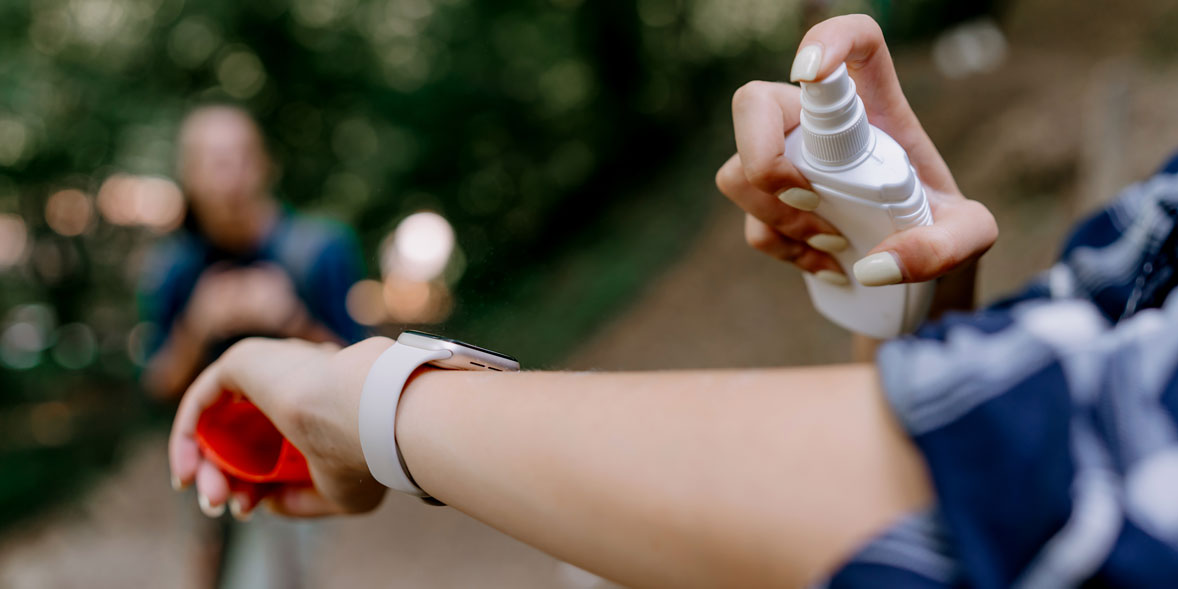
When applying, focus on pulse points and areas where skin is thin, such as ankles, wrists, and the neck. If you are using a spray, do not spray it directly onto your face. Instead, spray it into your palms and then gently pat it onto your face, avoiding the eyes and mouth.
Application Checklist
- Apply sunscreen first and wait 15 minutes.
- Use just enough repellent to cover exposed skin and clothing.
- Avoid applying over cuts, wounds, or irritated skin.
- Reapply according to the product label, especially if you are sweating heavily or swimming.
- Wash treated skin with soap and water once you return indoors.
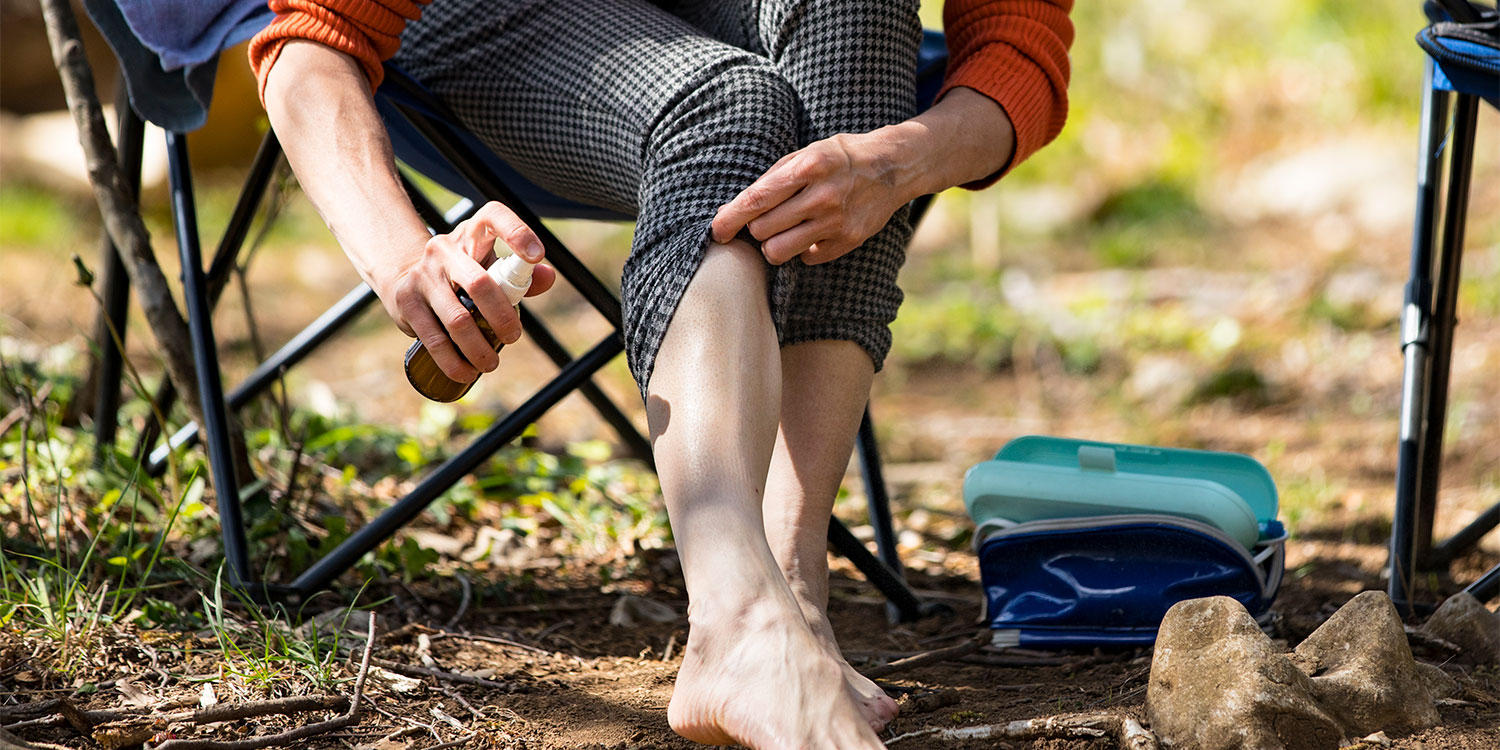
Following these CDC health advisories for application ensures that you are maximizing effective insect repellent types without compromising your skin's integrity. Remember that mosquito bite prevention tips only work if the product remains active on your skin's surface.
3. Wear Protective and Permethrin-Treated Fabrics
Physical barriers are a cornerstone of long-term wellness when spending time outdoors. The right choice of clothing and fabrics that prevent mosquito bites can reduce your reliance on topical chemicals while providing superior protection.
Opt for light-colored apparel whenever possible. Dark colors, such as navy blue or black, tend to absorb heat and attract mosquitoes, which use thermal sensors to find their targets. Light colors also make it significantly easier to spot crawling pests, which is essential for preventing tick bites in high risk areas like tall grass or wooded trails.
For an added layer of security, consider treating your outdoor gear with permethrin. Unlike topical repellents, permethrin is an insecticide designed for fabrics. It bonds to the fibers of your clothes, boots, and camping gear, killing or incapacitating insects on contact. A single treatment can last through six washes, making it a highly efficient part of your outdoor preparation.

In areas with high insect density, loose-fitting clothes are better than tight ones. Mosquitoes can often bite through thin, tight leggings or athletic wear. By wearing slightly baggier silhouettes in tight-weave synthetic fabrics, you create a space between the fabric and your skin that insects cannot easily penetrate. This is a primary insect sting prevention techniques for those who enjoy hiking or gardening.
4. Specific Precautions for Infants and Children
Protecting the most vulnerable members of our families requires a specialized approach. Children have thinner skin and different metabolic rates, which means we must be diligent about safe insect repellent for toddlers and babies.
The general consensus among pediatric experts is that DEET should not be used on infants younger than 2 months old. Even for older children, the concentration of DEET should generally not exceed 30%. Furthermore, Oil of Lemon Eucalyptus (OLE) and Para-menthane-diol (PMD) should be avoided entirely for children under the age of 3, as there is insufficient data on their safety for that specific age group.
Instead of relying solely on chemicals, use mechanical barriers for infants. Protective mesh netting is the most effective way to keep strollers and car seats safe from pests. It allows for airflow while ensuring no insects can reach the child. When applying repellent to older children, adults should always apply the product to their own hands first and then rub it onto the child, avoiding the child's hands to prevent them from accidentally rubbing it into their eyes or mouth.
5. Environmental Control and Mechanical Deterrents
Lifestyle optimization extends to the spaces where we live and play. You can significantly lower your risk by managing your immediate environment. Mosquitoes require very little water to breed; even a bottle cap full of stagnant water can host hundreds of larvae.
Regularly check your yard for standing water management. Empty birdbaths, unclog gutters, and turn over empty flowerpots. If you have decorative ponds that cannot be emptied, use "mosquito dunks" containing Bti, a naturally occurring bacterium that kills larvae but is safe for pets and other wildlife.
Mechanical deterrents are also surprisingly effective. Mosquitoes are weak fliers. Using a simple floor fan on your patio can create enough wind (even just 1 MPH) to make it difficult for them to land on you. Additionally, try to avoid outdoor activities during peak times, such as dusk and dawn, when many species are most active. If you must be out during these times, combine these environmental shifts with the other mosquito bite prevention tips mentioned earlier for a holistic defense.
6. Identifying and Managing Bites and Stings
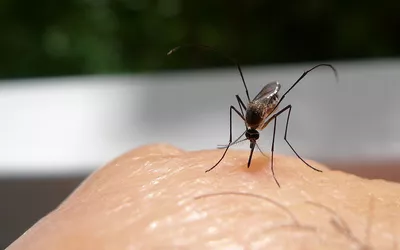
Despite our best efforts, bites sometimes happen. Identifying the culprit is the first step in proper post-bite care. Mosquito bites typically appear as itchy, red, or puffy bumps. Tick bites may be painless but often leave a small red spot or, in the case of Lyme disease, a bullseye rash. Wasp and bee stings are usually immediately painful and result in localized swelling.
Most reactions are minor, but safety is paramount. In the United States, an estimated 90 to 100 people die each year due to severe allergic reactions resulting from insect bites or stings. It is vital to know the signs of anaphylactic shock, which include difficulty breathing, swelling of the throat or tongue, dizziness, and a rapid pulse. If these symptoms occur, seek emergency medical attention immediately.
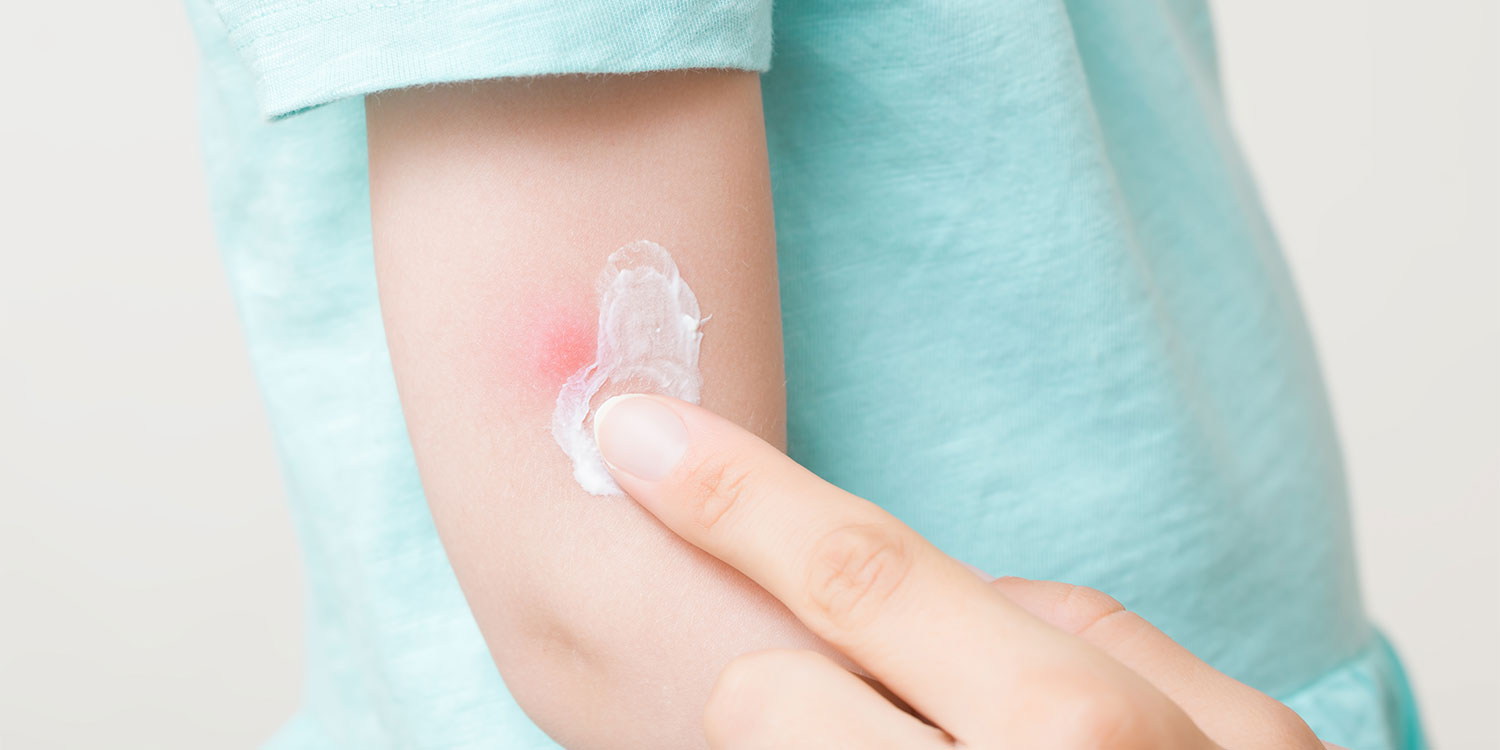
For standard bites, avoid the urge to scratch, as this can lead to secondary skin sensitivity and irritation or infection. Use a cold compress to reduce swelling and apply a topical antihistamine or hydrocortisone cream to manage the itch.
Practicing these insect sting prevention techniques and keeping a well-stocked first aid kit ensures that a minor encounter with nature doesn't derail your long-term wellness goals.
FAQ
What is the most effective way to prevent insect bites?
The most reliable method is a multi-layered approach: use an EPA-registered repellent containing picaridin or DEET, wear long-sleeved protective clothing, and stay away from areas with standing water during peak insect activity hours like dusk and dawn.
Which ingredients should I look for in an insect repellent?
Look for EPA-registered active ingredients such as picaridin, DEET, oil of lemon eucalyptus (OLE), or IR3535. These have been scientifically tested for both efficacy and safety. Picaridin is often recommended for its odorless and non-greasy properties.
How do I stop getting bitten by insects at night?
To protect yourself at night, ensure all window screens are intact and free of holes. Use a mosquito net over your bed if you are in a high-risk area or sleeping outdoors. Additionally, using a ceiling or floor fan can disrupt the flight patterns of mosquitoes while you sleep.
How can I prevent insect bites while traveling?
Research your destination to see if vector-borne diseases are prevalent. Pack a repellent with at least 20% picaridin or DEET, and consider pre-treating your travel clothing with permethrin. When sleeping, choose accommodations with air conditioning or screened-in windows.
How often should I reapply insect repellent?
Reapplication depends on the concentration of the active ingredient. For example, a product with 20% DEET may last up to three hours, while higher concentrations can last up to 12. Always check the specific product label and reapply more frequently if you are sweating, swimming, or in a high-density insect environment.