Quick Facts
- Lean Mass Impact: Clinical data reveals that lean mass can account for 39% to 40% of the total weight lost by patients using semaglutide.
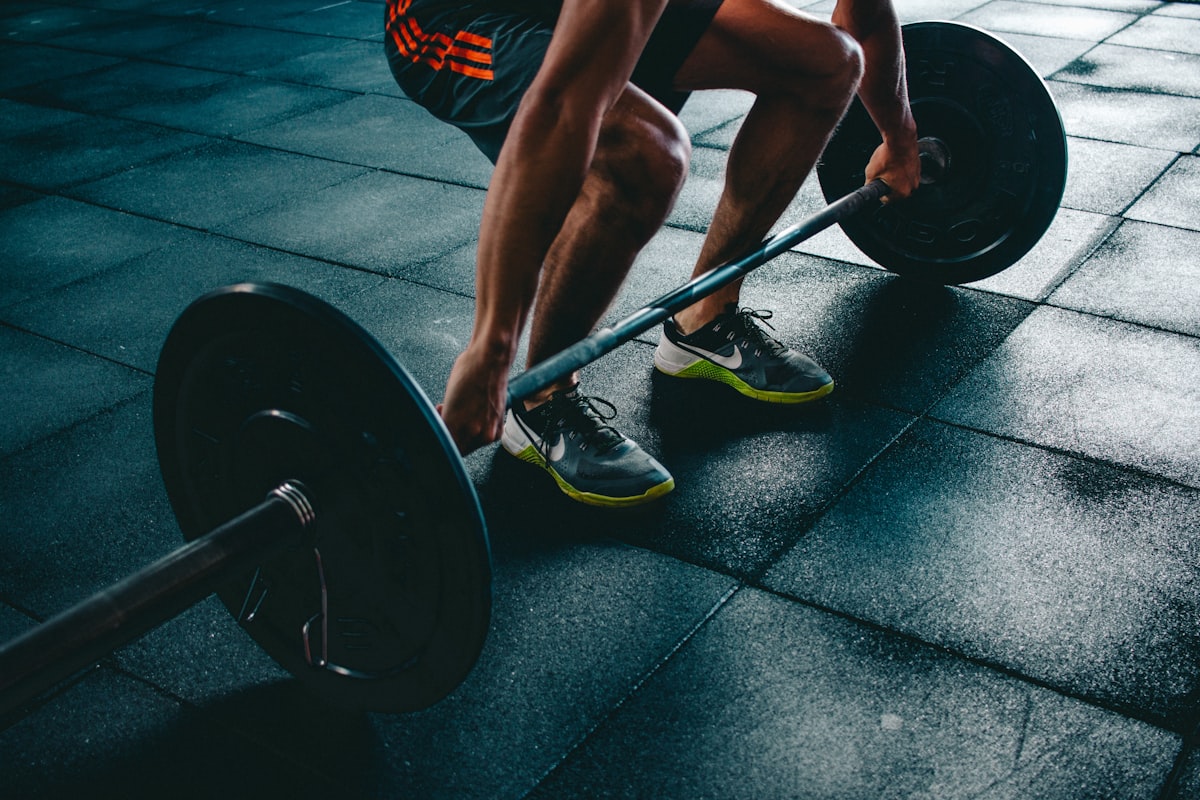
- The 2-Day Rule: To maintain skeletal muscle quality, you must engage in a minimum of two full-body strength training sessions every week.
- Protein Target: Consuming 1.6 g/kg of body weight daily is the gold standard for preserving lean mass on Wegovy.
- Metabolic Protection: Muscle tissue is your primary site for glucose disposal; losing it significantly lowers your basal metabolic rate and increases the risk of weight regain.
- Sarcopenia Risk: In the SEMALEAN study, muscle loss accounted for 18% of weight loss, though targeted therapy helped reduce the prevalence of sarcopenic obesity.
To prevent Wegovy muscle loss, you must combine consistent resistance training with high protein intake. Engaging in a strength training routine for Wegovy users at least twice per week provides the essential stimulus needed to maintain muscle protein synthesis and offset the risks of sarcopenic obesity during rapid weight loss. Whether you are using the oral pill or the injection, the same muscle-preservation strategies, such as progressive overload and body composition tracking, are non-negotiable for long-term health.
The Science of Wegovy Muscle Loss: Fat vs. Lean Mass
When you lose weight rapidly on a GLP-1 medication, your body doesn't just burn through fat stores. It looks for energy wherever it can find it, and unfortunately, that often includes your hard-earned muscle tissue. We see this clearly in the clinical data. In the landmark STEP 1 trial, a DXA substudy showed that participants taking 2.4 mg of semaglutide experienced a 9.7% reduction in total lean body mass. While they lost more fat—a 19.3% reduction—the loss of lean tissue is a serious concern for your long-term metabolic health.
It is important to understand what lean mass actually is. It isn't just the "mirror muscles" like your biceps or quads. Lean mass includes your bones, organs, and water weight. However, the most metabolically active part of that lean mass is your skeletal muscle. If you lose too much, you risk developing sarcopenic obesity—a condition where you have a high body fat percentage but very low muscle mass. This is particularly dangerous for older adults and women, as it can lead to frailty and a higher risk of fractures.
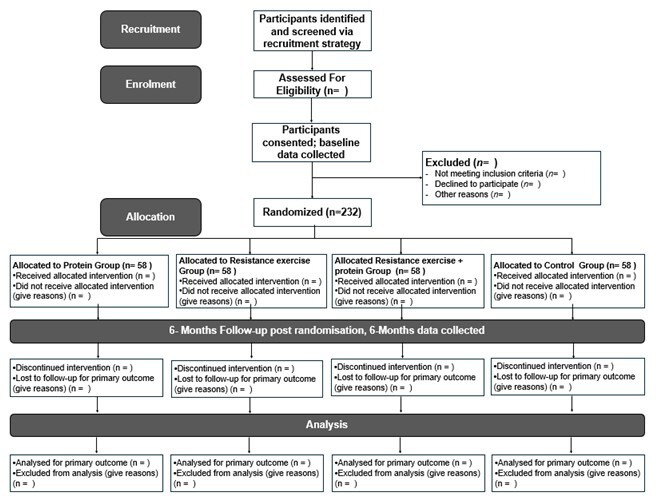
Recent real-world evidence from the SEMALEAN study offers a bit of a silver lining. In that study, muscle loss accounted for about 18% of total weight loss over one year. While that is still a significant number, the study also found that the prevalence of sarcopenic obesity actually decreased from 49% to 33% when patients were monitored and managed correctly. This proves that while Wegovy muscle loss is a real threat, it is a manageable one if you use the right tools, specifically body composition tracking during GLP-1 therapy.
Why Strength Training is Non-Negotiable for Metabolic Health
Think of your muscle mass as the metabolic engine of your body. It is the primary tissue responsible for burning calories at rest and managing your blood sugar levels. When you lose muscle, your basal metabolic rate drops. This means your body requires fewer calories to maintain its weight, making it incredibly easy to hit a plateau or, worse, regain the weight once you stop the medication.
Beyond just burning calories, strength training for GLP-1 weight loss is essential for maintaining functional mobility. As you lose weight, you want to ensure that the weight coming off is the "bad" weight (visceral fat) and not the "good" weight (functional muscle). By applying progressive overload—gradually increasing the weight, frequency, or number of repetitions in your workouts—you send a powerful chemical signal to your body. You are telling your brain that your muscle tissue is still "in use" and must be preserved, even in a calorie-restricted state.
Furthermore, muscle is the main site for glucose disposal. Keeping your skeletal muscle quality high helps maintain insulin sensitivity and healthy HbA1c levels. For those taking Wegovy for weight management related to metabolic issues, preserving lean mass on Wegovy is not just about aesthetics; it is a clinical necessity for heart health and diabetes prevention.
The Blueprint: Essential Strength Training Routine for Wegovy Users
You don't need to spend two hours a day in a commercial gym to see results. The goal of a strength training routine for Wegovy users is to provide enough stimulus to maintain hypertrophy (muscle growth) and protect your metabolic rate. I recommend focusing on compound movements that recruit multiple muscle groups simultaneously. This is the most efficient way to maintain muscle mass when your energy levels might be lower due to a calorie deficit.
Aim for a minimum weekly strength training for GLP-1 weight loss of two sessions, though three is ideal. Each session should last 30 to 45 minutes and focus on the following seven essential exercises:
- Goblet Squats: Hold a weight at your chest and sit back into a squat. This builds lower body strength and core stability.
- Push-ups: Whether on your toes or knees, this is the gold standard for chest, shoulder, and tricep preservation.
- Planks: Essential for core stability and protecting your spine as your body composition changes.
- Walking Lunges: Great for balance and targeting the glutes and hamstrings.
- Dumbbell or Resistance Band Rows: Crucial for back strength and maintaining good posture.
- Glute Bridges: Targets the posterior chain, which is often weakened during rapid weight loss.
- Overhead Press: Builds shoulder stability and upper body power.
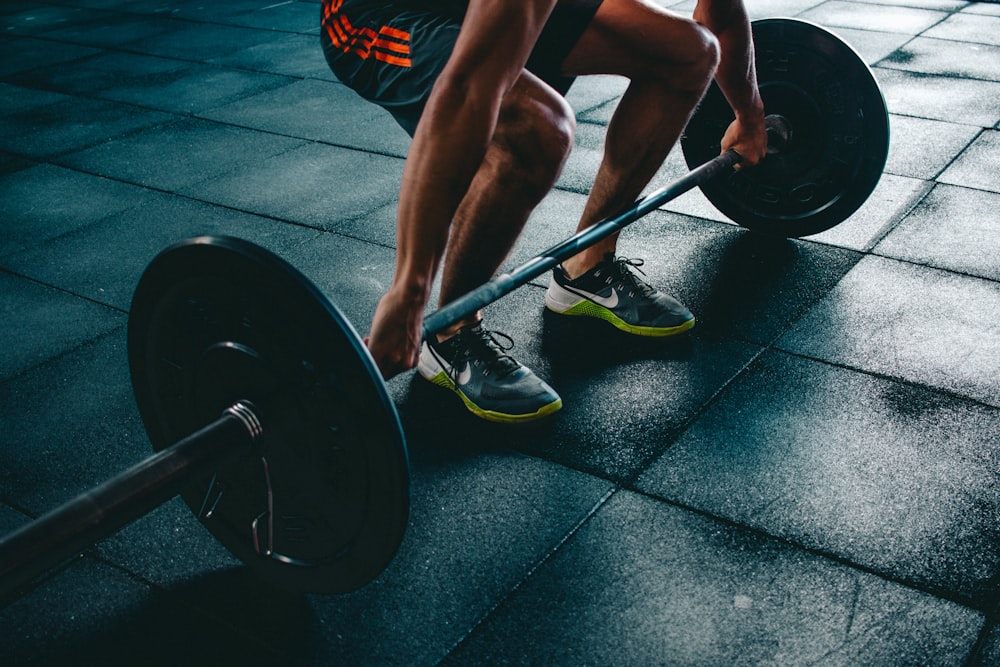
When performing these movements, focus on the quality of each rep. Since semaglutide can sometimes affect your energy levels, you want to make every movement count. If you are wondering how to prevent muscle loss on Wegovy injection or pill forms, the answer is the same: lift heavy enough that the last two reps of every set feel challenging. This intensity is what triggers muscle protein synthesis.
Nutrition: Meeting Protein Requirements for Wegovy Users
Exercise is the stimulus, but protein is the fuel. One of the biggest challenges with GLP-1 medications is that they suppress your appetite so effectively that you might forget to eat enough. When you are in a deep caloric deficit, your body will readily break down muscle for energy unless you provide it with adequate amino acids.
The gold standard for daily protein intake to maintain muscle on semaglutide is 1.6 grams of protein per kilogram of body weight. For a 200-pound person (about 91 kg), that equates to roughly 145 grams of protein per day. This can feel daunting when you aren't feeling particularly hungry.

To hit these protein requirements for Wegovy users, you should prioritize nutrient-dense sources at every meal. Instead of trying to eat one or two large meals, spread your intake throughout the day. Aim for 25 to 30 grams of protein per serving to maximize amino acid bioavailability. Good sources include:
| Protein Source | Typical Serving Size | Protein Content |
|---|---|---|
| Chicken Breast | 4 oz | 31g |
| Greek Yogurt (Non-fat) | 1 cup | 23g |
| Egg Whites | 1 cup | 26g |
| Lean Ground Turkey | 4 oz | 28g |
| Tofu (Extra Firm) | 1/2 cup | 10-15g |
| Whey Protein Shake | 1 scoop | 20-25g |
If you struggle to eat solid food, liquid protein like shakes or collagen peptides can help bridge the gap. However, whole food sources are generally better for maintaining a positive nitrogen balance. Remember, the goal is to keep your body in an anabolic (building) state as much as possible to counteract the catabolic (breaking down) nature of rapid weight loss.

Checklist: Signs You May Be Losing Too Much Muscle
How do you know if your current plan is failing to protect your lean tissue? Since the scale only tells you your total weight, you need to look for other diagnostic signs. If you check more than two of the boxes below, it is time to increase your protein intake or ramp up the intensity of your strength training for GLP-1 weight loss.
- Routine Fatigue: You feel exhausted even when you've had enough sleep, indicating your body may be breaking down tissue for energy.
- Declining Strength: Exercises that used to feel easy are now difficult, or you find yourself needing to lower the weights in the gym.
- Difficulty with Daily Tasks: Activities like carrying groceries or climbing stairs feel noticeably more taxing.
- Loose Skin and "Soft" Texture: While some loose skin is expected with weight loss, a sudden loss of muscle "tone" can indicate lean mass wasting.
- Stalled Progress: You are losing weight, but your body fat percentage (if tracked) is staying the same or increasing.
- Poor Recovery: Muscles stay sore for many days after a light workout, suggesting a lack of amino acids for repair.

If you notice these signs, don't panic. Simply adjust your strategy. Prioritize sleep, hit your protein goals, and ensure you are hitting the minimum weekly strength training for GLP-1 weight loss. Consistency is more important than perfection.
FAQ
Does Wegovy cause muscle loss?
Yes, Wegovy can cause muscle loss as a byproduct of rapid weight reduction. Clinical data shows that lean mass can account for up to 40% of the weight lost if preventive measures like resistance training and high protein intake are not followed.
How can I prevent muscle loss while taking Wegovy?
The most effective way to prevent muscle loss is to combine a twice-weekly strength training routine with a high-protein diet. Aiming for 1.6 grams of protein per kilogram of body weight ensures your body has the building blocks necessary to preserve skeletal muscle.
Is the weight lost on Wegovy mostly fat or muscle?
In most clinical trials, the majority of weight lost is fat. However, without strength training, a significant portion (roughly 20% to 40%) can be lean mass. Proper intervention can shift this ratio so that fat loss is maximized and muscle loss is minimized.
How much protein should I eat to prevent muscle loss on Wegovy?
Experts generally recommend 1.6 grams of protein per kilogram of body weight. For many users, this means aiming for 100 to 150 grams of protein daily, depending on their total weight and activity level.
What exercises help maintain muscle while using Wegovy?
Compound resistance exercises are the most effective. Focus on movements like squats, lunges, push-ups, rows, and overhead presses, as these stimulate the largest muscle groups and encourage the highest rate of muscle protein synthesis.
The journey on Wegovy is about more than just a number on the scale; it is about building a healthier, stronger version of yourself. By making strength training and protein non-negotiable, you aren't just losing weight—you are transforming your body composition for the long haul. Keep lifting, keep fueling, and focus on the functional strength that will serve you long after you reach your goal weight. Use body composition tracking during GLP-1 therapy to stay informed and empowered throughout your transformation.