Quick Facts
- CV Health Target: Hitting 7,126 steps per day is associated with a 51% reduction in cardiovascular disease risk.
- Longevity Peak: A daily count of 8,763 steps provides the maximal protective benefit against all-cause mortality.
- Minimum Threshold: Research indicates that walking as few as 2,337 steps per day is sufficient to begin significantly reducing the risk of death from cardiovascular disease.
- Intensity Rule: To qualify as walking for cardio, you must maintain a brisk pace between 2.5 and 4.2 mph, or a cadence of 88–97 steps per minute.
- Age-Specific Goals: For adults 60 and older, walking 6,000 to 9,000 steps daily reduces the risk of heart attacks and strokes by 40% to 50%.
- Injury Prevention: Active adults over 40 should buy walking shoes 0.5 size larger than their standard size to accommodate natural foot swelling during exercise.
Walking for cardio is an incredibly effective tool for improving heart health, provided you hit the right volume and intensity metrics. To maximize the benefits of walking for cardio, recent research indicates that 7,100 daily steps is the optimal target for reducing cardiovascular disease risk. For those focused on overall longevity and reducing all-cause mortality, aiming for approximately 8,700 steps per day provides the highest protective benefit. Even a modest 3,000 steps daily can significantly improve the health outcomes of previously sedentary individuals, proving that you do not need to hit the arbitrary 10,000-step mark to see life-changing results.
Science-Backed Daily Step Goals for Fitness
For decades, the 10,000-step goal has been the undisputed benchmark for fitness. However, this number originated from a 1960s Japanese marketing campaign for a pedometer, not from clinical research. As an editor focused on performance, I look at the data, and the latest findings from the Radboud University Medical Center and a major 2023 study published in the Journal of the American College of Cardiology tell a more nuanced story. The data reveals a clear plateau effect: while benefits increase as you add steps, the curve for mortality reduction flattens out around 8,700 steps.
When comparing 8700 steps vs 10000 steps for mortality reduction, the additional 1,300 steps offer diminishing returns for your heart. This is excellent news for busy professionals. It means you can achieve peak longevity benefits without spending two hours on the pavement. However, the floor is just as important as the ceiling. A meta-analysis published in the European Journal of Preventive Cardiology found that walking as few as 2,337 steps per day is sufficient to begin significantly reducing the risk of death from cardiovascular disease.
For those just starting, the health benefits of 3000 steps for sedentary individuals are profound. Moving from a state of physical inactivity to even a low-volume routine triggers metabolic improvements that stabilize blood sugar and lower resting heart rate. For adults aged 60 and older, walking between 6,000 and 9,000 steps daily is associated with a 40% to 50% lower risk of cardiovascular events, such as heart attacks and strokes, compared to walking 2,000 steps. These daily step goals for fitness should be your baseline as you look toward optimal daily steps for heart health 2026 research updates.

Brisk Walking Intensity Guide for Cardiovascular Fitness
If you want your walk to count as a workout, you have to stop strolling and start training. Walking for cardio requires a specific intensity level to trigger adaptations in your aerobic capacity and VO2 max. In the fitness world, we measure this using Metabolic Equivalents (METs). A casual stroll sits around 2.0 METs, but cardiovascular benefits really kick in when you reach the moderate-intensity activity zone of 3.0 to 6.0 METs.
The most practical way to measure this is through cadence, or steps per minute. To turn your walk into a tool for cardiovascular health improvement, you should aim for a cadence of 88 to 97 steps per minute. At this rhythm, you are likely moving at a speed of 2.5 to 4.2 mph. This brisk walking intensity is key to transforming a casual stroll into an effective cardio workout. Maintaining a moderate-intensity pace, characterized by an increased cadence where you can speak but not sing, helps improve aerobic capacity and VO2 max.
| Metric | Casual Stroll | Brisk Cardio Walk |
|---|---|---|
| Speed | < 2.5 mph | 2.5 – 4.2 mph |
| Cadence | < 80 steps/min | 88 – 97 steps/min |
| MET Value | 2.0 METs | 3.0 – 6.0 METs |
| Effort Level | 2/10 | 5-6/10 |
| The Talk Test | Can sing or whistle | Can talk but not sing |
Higher intensity level is more effective at reducing cardiovascular risk than slow-paced walking, even if the total step count remains the same. According to the brisk walking intensity guide for cardiovascular fitness, the goal is to keep your heart rate elevated for sustained periods. This creates the physiological stress necessary for the heart muscle to become more efficient at pumping blood.

Preventing Walking Injuries for Active Adults Over 40
As we age, our connective tissues lose some elasticity, and our recovery times lengthen. Preventing walking injuries for active adults over 40 requires a progressive approach to daily activity. The most common mistake I see is the "weekend warrior" spike—suddenly jumping from 2,000 steps a day to 10,000 because of a New Year's resolution or a new fitness tracker. This is a recipe for plantar fasciitis or shin splints.
To avoid overuse injuries, individuals should focus on gradual increases in step count and stride length rather than sudden spikes in volume. I recommend the 500-step increment rule: only increase your daily average by 500 steps each week. This allows your tendons and joints to adapt to the load. Furthermore, proper footwear and attention to walking mechanics are essential for maintaining a consistent routine and achieving long-term cardiovascular health improvements without physical strain.
Pro Tip: The Half-Size Rule When shopping for walking shoes, always buy a half-size larger than your casual shoes. During a brisk walk, your feet will swell due to increased blood flow. If your shoes are too tight, you risk blisters, black toenails, and restricted circulation that can lead to nerve pain. Ensure there is a thumb-width of space between your longest toe and the end of the shoe.
Pay close attention to your stride length. Many people try to walk faster by taking longer steps, which leads to overstriding and puts excessive force on the knee and hip joints. Instead, increase your speed by taking shorter, quicker steps—increasing your cadence rather than your reach. This protects your joints while keeping your heart rate in the cardio zone. These walking injury prevention tips are vital for longevity in your training program.
Incorporating Brisk Walking Into a Busy Daily Schedule
Most people tell me they don't have time for walking for cardio. However, research involving over 72,000 participants published in the British Journal of Sports Medicine indicates that taking between 9,000 and 10,000 steps per day can lower the risk of cardiovascular disease by 21%, even for individuals who are otherwise highly sedentary. You don't need a single 90-minute block to achieve this.
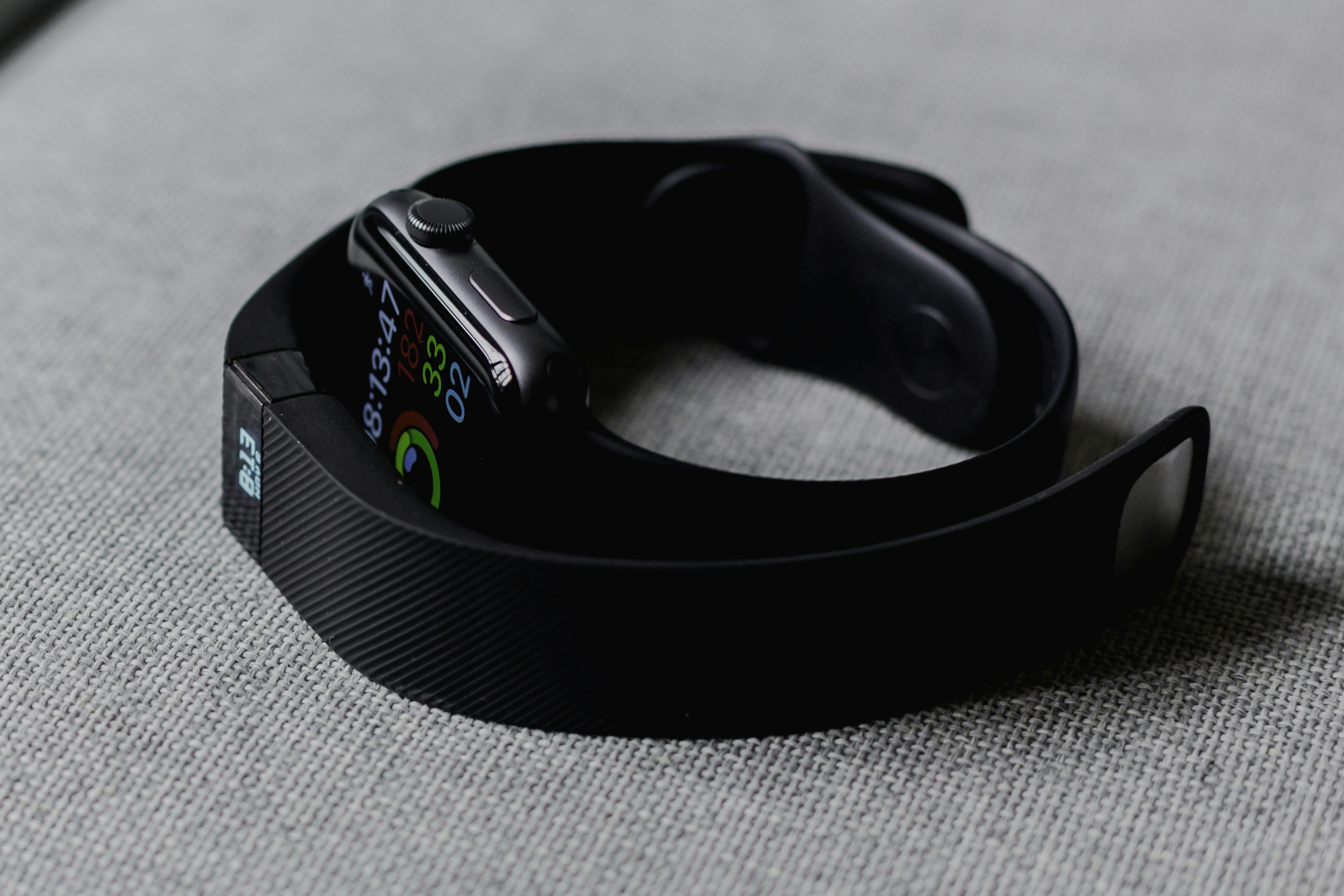
The key to incorporating brisk walking into a busy daily schedule is "habit stacking" and micro-workouts. Just 11 minutes of brisk walking per day—roughly 75 minutes a week—has been shown to significantly lower the risk of heart disease and certain cancers. Break your day into three 10-minute "power walks" at a high cadence. Use a pedometer or fitness tracker to stay accountable; research suggests hip-worn trackers are slightly more accurate for step count, while wrist trackers are better for monitoring heart rate intensity.
- Commuter Sprints: Park 10 minutes away from your office and walk at a 90-step-per-minute pace to the door.
- The Meeting Walk: If you have a phone call that doesn't require a screen, pace your office or walk outside.
- Stair Integration: Taking the stairs instead of the elevator is a high-intensity burst that significantly boosts aerobic capacity.
- Post-Meal Reset: A 15-minute walk after dinner aids digestion and helps clear glucose from the bloodstream, doubling the health benefits.
By focusing on a progressive walking program for cardiovascular health improvement, you can move away from the sedentary behavior that characterizes modern life. The transition doesn't have to be perfect; it just has to be consistent.
FAQ
Is walking considered a good cardio workout?
Yes, walking is an excellent form of cardiovascular exercise, provided it is performed at a brisk pace that raises your heart rate into the moderate-intensity zone. While it may take longer to achieve the same caloric burn as running, it provides similar benefits for heart health, blood pressure management, and aerobic capacity with significantly lower impact on the joints.
How fast do I need to walk for it to count as cardio?
To count as cardio, you should aim for a speed of 2.5 to 4.2 mph. A more accurate measure is cadence; aim for at least 88 to 100 steps per minute. At this intensity, you should be breathing heavily enough that you can carry on a conversation but would find it difficult to sing a song.
Is 30 minutes of walking a day enough cardio?
For most adults, 30 minutes of brisk walking five days a week meets the CDC's recommendation of 150 minutes of moderate-intensity activity per week. This volume is sufficient to significantly reduce cardiovascular disease risk, improve cholesterol levels, and boost mental health.
Can you lose belly fat by walking for cardio?
Walking can contribute to fat loss, including visceral (belly) fat, by creating a caloric deficit. When combined with a proper diet, consistent brisk walking helps mobilize fat stores for energy. High-intensity walking, such as walking on an incline or varying your pace, is particularly effective at targeting stubborn fat.
Is walking as effective as running for heart health?
Research suggests that for the same amount of energy expended, walking is just as effective as running for reducing the risk of hypertension, high cholesterol, and diabetes. While running is more time-efficient, walking at a brisk pace offers the same long-term cardiovascular protection with a lower risk of injury.
Does walking on an incline improve cardiovascular fitness?
Walking on an incline significantly increases the cardiovascular demand and muscle activation compared to walking on flat ground. It raises your heart rate more quickly, burns more calories per minute, and strengthens the glutes, hamstrings, and calves, making it a highly effective variation for improving VO2 max.