Quick Facts
- Primary Goal: Preserve lean tissue during rapid weight loss to prevent metabolic slowdown.
- Clinical Risk: Data shows that 25% to 40% of total weight lost on Semaglutide can be lean mass.
- Training Frequency: 2 to 4 resistance training sessions per week are recommended for optimal muscle mass preservation Ozempic patients.
- Protein Target: A daily intake of 1.2 to 1.6 grams of protein per kilogram of body weight is the established floor for muscle maintenance.
- Core Strategy: Prioritize compound movements like squats and rows to maximize hormonal response and efficiency.
- Long-term Benefit: Maintaining muscle ensures a higher basal metabolic rate, making weight maintenance easier after medication.
Ozempic strength training is the most critical variable for healthy weight loss. Without it, up to 40% of weight lost could be lean muscle mass. This guide covers how to preserve muscle mass preservation Ozempic users need to ensure their transformation is high-quality fat loss rather than metabolic degradation.
The Muscle Gap: Why GLP-1 Weight Loss Requires Resistance
When you use Semaglutide medications like Ozempic or Wegovy, your body enters a profound caloric deficit by suppressing appetite and slowing gastric emptying. While this is highly effective for reducing the number on the scale, the body does not naturally distinguish between burning fat stores and breaking down lean tissue for energy. This phenomenon creates what I call the "Muscle Gap."
Clinical trial data from the STEP 1 and SUSTAIN 8 studies indicate that lean mass loss can account for 25% to 40% of the total weight lost during treatment. This is significantly higher than what we typically see in traditional diet-and-exercise interventions. In fact, a systematic review of 36 randomized clinical trials found that 68% of patients using incretin-based weight loss medications exceeded the 25% threshold for muscle mass loss, compared to only 50% of those using lifestyle changes alone.
This rapid loss of fat-free mass can lead to a condition known as Sarcopenic obesity, where an individual has a low amount of muscle relative to their body fat, even if they appear "thin." From a performance and health perspective, this is a disaster. Muscle is your primary metabolic engine. Every pound of muscle you lose lowers your basal metabolic rate, making it harder to keep the weight off in the long run. To combat this, we must provide a biological signal that the muscle is necessary. Resistance training is that signal. It tells your body to prioritize fat burning while sparing the precious lean tissue required for metabolic health and functional mobility.
Building Your Ozempic-Safe Strength Routine
For many Wegovy users, energy levels can be a challenge, especially during the initial titration phases of the medication. This is why a beginner strength training routine for Ozempic users should focus on efficiency and high-yield movements. You do not need to spend two hours in the gym six days a week. Instead, we focus on a protocol that maximizes the anabolic signal with minimal fluff.
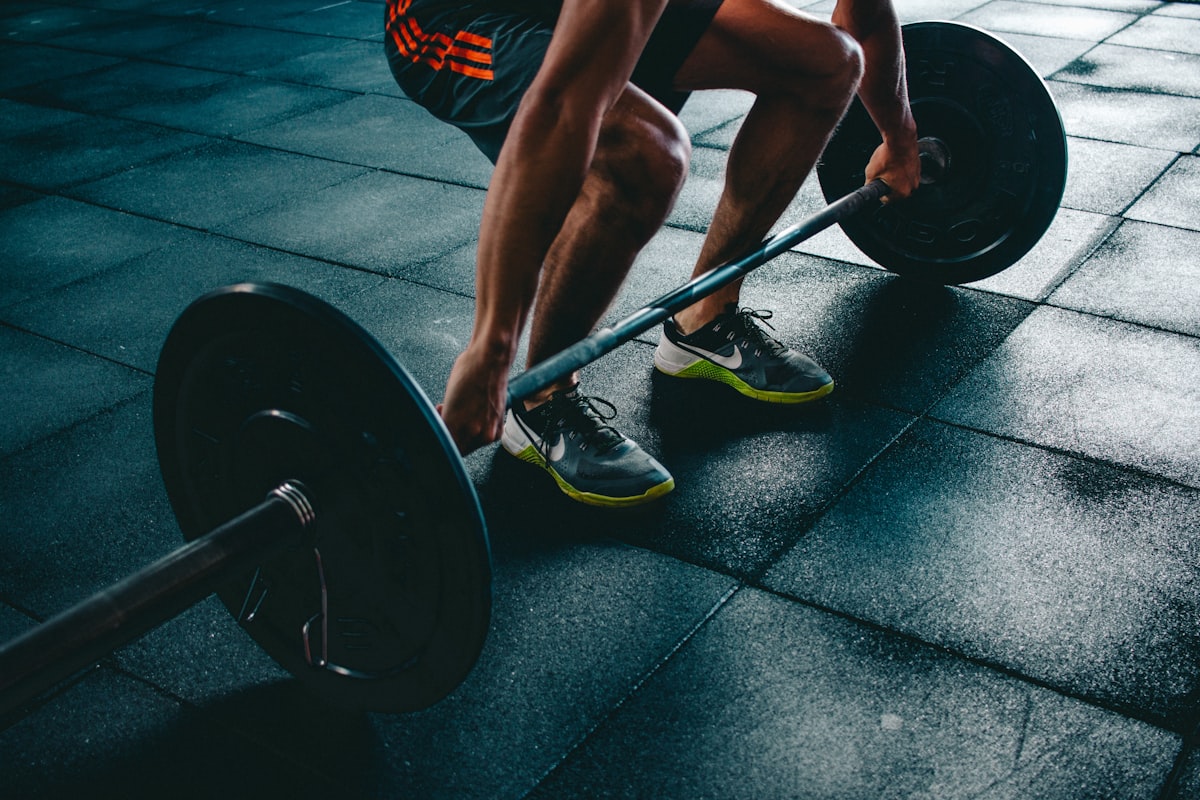
The best weight lifting frequency for Ozempic weight loss is generally two to four sessions per week. Each session should be built around compound movements—exercises that work multiple joints and muscle groups simultaneously. This approach provides the greatest stimulus for muscle mass preservation Ozempic users need to protect their bone mineral density and hypertrophy goals.
Sample 3-Day Full Body Protocol
- Day 1: Lower Body Focus
- Goblet Squats: 3 sets of 10-12 reps
- Romanian Deadlifts (Dumbbells or Kettlebell): 3 sets of 12 reps
- Plank: 3 sets, hold for 30-45 seconds
- Day 2: Upper Body Focus
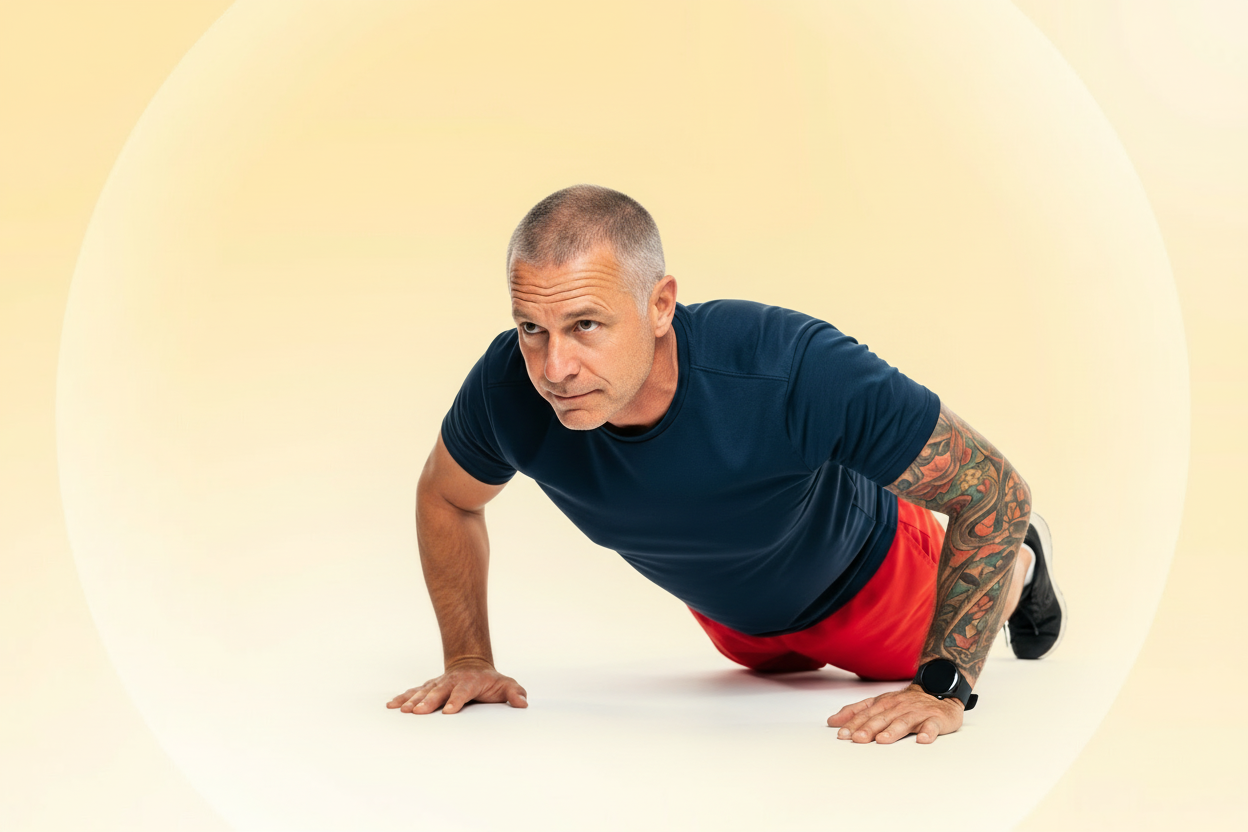
- Push-ups (Modified if necessary): 3 sets to failure
- Dumbbell Rows or Lat Pulldowns: 3 sets of 10 reps
- Overhead Press: 3 sets of 12 reps
- Day 3: Hybrid/Functional
- Reverse Lunges: 3 sets of 10 reps per leg
- Glute Bridges: 3 sets of 15 reps
- Farmer’s Carry: 3 sets, walking 30 seconds
Progressive overload is the key here. You should aim to slowly increase the weight or the number of repetitions every two weeks. Even as you lose weight, your strength should ideally remain stable or increase. This ensures that the weight loss is primarily derived from fat. A 2024 systematic review of eight trials found that combining GLP-1 receptor agonist therapy with structured resistance exercise preserved or increased fat-free mass more effectively than using the medication alone.
Nutrition & Protein: Fueling Muscle Preservation
Resistance training for Wegovy users is only half of the equation; the other half is providing the building blocks for repair. Because GLP-1 medications reduce your overall appetite, every bite you take must be nutrient-dense. Protein is non-negotiable. It provides the essential amino acids required to repair the micro-tears created during strength training.
Actionable Math: The Protein Floor To calculate your daily protein intake for resistance training on GLP-1, take your weight in kilograms and multiply it by 1.2 to 1.6. Example: An 80kg (176lb) individual should aim for 96g to 128g of protein per day.
If you find it difficult to eat large amounts of meat or plant-based proteins due to the medication’s effect on satiety, consider the following strategies:
- Liquid Nutrition: High-quality whey or vegan protein shakes can help you hit your targets without feeling overly full.
- Protein First: Always eat your protein source before your carbohydrates or fats during a meal.
- Distribution: Aim for 25-30g of protein at every meal to keep muscle protein synthesis elevated throughout the day.
Proper nutrition also supports insulin sensitivity. While Semaglutide naturally improves how your body handles glucose, muscle tissue is the primary site for glucose disposal. By maintaining muscle, you are doubling down on the medication's metabolic benefits. Hydration is equally critical; aim for at least half your body weight in ounces of water daily to support kidney function and muscle recovery.
Red Flags: Warning Signs of Muscle Loss
While the scale moving down is usually a cause for celebration, we must be vigilant about how that weight is coming off. If you are not engaging in regular Ozempic strength training, you may notice certain warning signs of muscle loss while on Ozempic.
- Functional Struggles: Difficulty climbing stairs, carrying groceries, or standing up from a low chair.
- Excessive Fatigue: Feeling drained even when you are getting enough sleep. While some fatigue is a side effect of the medication, extreme lethargy often points to a loss of lean tissue.
- Strength Plateaus: If the weights you once found easy now feel heavy, or if you are consistently losing strength, your body is likely catabolizing muscle.
- Skin Changes: While "Ozempic face" is often discussed, rapid muscle loss in the body can also contribute to more pronounced skin sagging.
It is vital to prioritize tracking body composition vs weight on Wegovy. A standard bathroom scale doesn't tell the whole story. Use tools like DEXA scans, smart scales, or even simple tape measurements and progress photos. If your weight is dropping but your waist-to-hip ratio isn't improving, or your strength is plummeting, it is time to reassess your resistance training for Wegovy protocol.

FAQ
How do I prevent muscle loss while on Ozempic?
The most effective way to prevent muscle loss while on Ozempic is to combine a high-protein diet with consistent resistance training. You must give your body a reason to keep its muscle by challenging it with weights at least twice a week. Aiming for 1.2 to 1.6 grams of protein per kilogram of body weight ensures your muscles have the raw materials they need to stay intact during a caloric deficit.
Can you build muscle while taking Ozempic?
Yes, it is possible to build muscle while taking Ozempic, though it is more challenging due to the caloric deficit. For beginners, "body recomposition"—losing fat while gaining muscle—is quite common if they follow a structured lifting program and hit high protein targets. Advanced trainees should focus primarily on muscle mass preservation Ozempic strategies to maintain their current levels.
How much protein do I need for strength training on Ozempic?
Experts recommend a daily protein intake for resistance training on GLP-1 of 1.2 to 1.6 grams of protein per kilogram of body weight. This is higher than the standard RDA because the rapid weight loss environment increases the risk of muscle breakdown. For most people, this equates to roughly 25-40 grams of protein per meal.
Can strength training prevent skin sagging while on Ozempic?
While strength training cannot change the elasticity of your skin, it can help "fill out" the space beneath the skin by maintaining or building the underlying muscle. By preventing muscle loss on GLP-1 medications, you ensure that the body retains its shape and tone, which can significantly reduce the appearance of loose or sagging skin compared to losing weight through dieting alone.
Why is strength training important when taking weight loss medication?
Strength training is important because it protects your metabolic health. Muscle is metabolically active tissue; losing it slows down your basal metabolic rate, which can lead to rapid weight regain once the medication is stopped. Furthermore, resistance training supports bone mineral density and functional mobility, ensuring that you are not just smaller, but stronger and healthier.
The Long-Term Exit Strategy
The ultimate goal of using GLP-1 medications should be to reach a healthier weight and stay there. However, many people struggle with weight regain after they stop the medication. This is often because they lost a significant amount of muscle during the process, leaving them with a damaged metabolism.
Muscle is your insurance policy. By committing to Ozempic strength training today, you are building the foundation for long-term success. Maintaining lean tissue ensures that your body continues to burn calories efficiently at rest. It also improves insulin sensitivity and hormonal balance, making it easier for your body to regulate its weight naturally.
Think of the medication as a tool to open the door to weight loss, but think of strength training as the key to staying inside that room. Whether you are using free weights, resistance bands, or your own body weight, the effort you put into the gym now will pay dividends for years to come. Focus on the quality of your weight loss, not just the quantity. Your future, stronger self will thank you.