Quick Facts
- 2026 Trend Ranking: Ranked #9 in the ACSM Worldwide Fitness Trends for Adult Recreation.
- Metabolic Engine: Burns up to 600 calories per hour through a high-intensity interval training structure.
- Longevity Stat: Regular play can add up to 9.7 years to your life expectancy according to long-term heart studies.
- Cardiovascular Perk: Participants see a 47% lower risk of cardiovascular-related death compared to sedentary individuals.
- Accessibility: Scalable 20-30 minute starter routines make it viable for all ages and fitness levels.
- Tech Integration: Fully optimized for smart fitness wearables that track VO2 max and recovery periods.
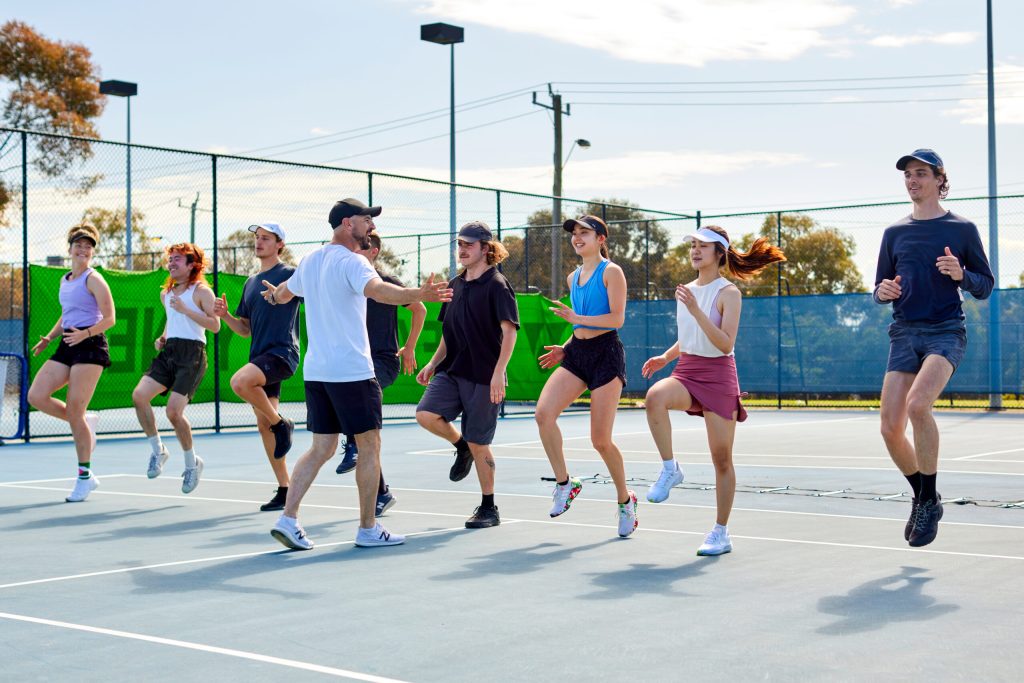
Cardio tennis is a high-intensity interval training (HIIT) method that effectively builds metabolic health through explosive movement and lateral agility. Unlike steady-state running, it requires constant shifts in heart rate zones, engaging the entire kinetic chain. This variability strengthens both aerobic and anaerobic capacity, making it a comprehensive full-body fitness solution that is tennis good cardio for athletes at any level.
1. The Science of the HIIT Engine: VO2 Max and Heart Rate Zones
When we talk about performance in 2026, we are looking at metabolic efficiency. Cardio tennis functions as a premier HIIT engine because it replicates the natural rhythms of a match but strips away the downtime between points. In a standard session, you are pushing for a 30-second explosive burst followed by a 90-second active recovery ratio. This specific work-to-rest cadence is the gold standard for skyrocketing your VO2 max.
By forcing the body to transition rapidly between aerobic and anaerobic states, you aren't just burning fat; you are teaching your heart how to recover under stress. While gym-based HIIT can feel repetitive, cardio tennis keeps the heart rate zones fluctuating naturally as you chase down balls and reset for the next drill. This constant stop-and-go mechanic builds an anaerobic capacity that traditional linear cardio simply cannot match. For any tennis cardio program, the goal is to keep the player in the 70% to 90% HR max range for the majority of the session, ensuring a massive afterburn effect.
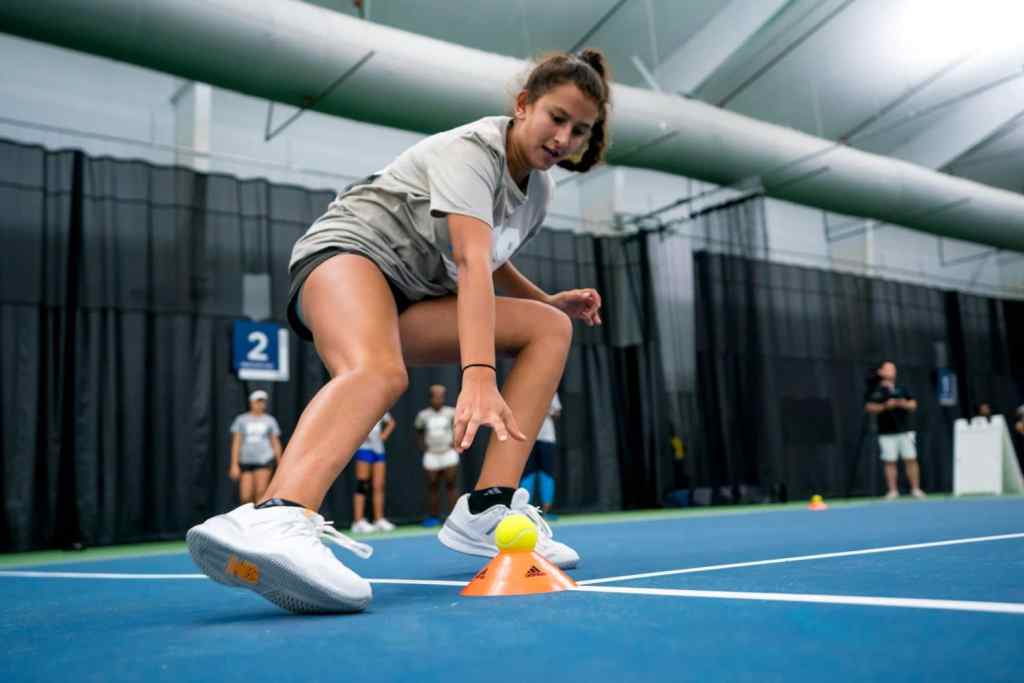
This training style is particularly effective for cardio for tennis players who want to maintain their edge without the wear and tear of long-distance miles. By focusing on quality over quantity, you hit the metabolic sweet spot faster.
2. Dynamic Lateral Agility vs Running for Weight Loss
Most people default to the treadmill when they want to shed pounds, but linear movement is only one dimension of fitness. Cardio tennis exercises emphasize lateral agility, forcing you to move side-to-side, diagonally, and backpedal. This multi-directional movement requires significantly more energy because it engages the entire kinetic chain, from the calves up through the glutes and core.
When comparing cardio tennis vs running for weight loss, the winner is clear for those seeking functional strength. Running is a repetitive, forward-facing motion. Tennis, however, demands sudden decelerations and accelerations. This constant change in direction recruits more muscle fibers and burns more calories per minute.
| Feature | Cardio Tennis | Steady-State Running |
|---|---|---|
| Calorie Burn | 500-800 per hour | 350-500 per hour |
| Movement Type | Multi-directional / Lateral | Linear / Forward |
| Social Factor | High (Group setting) | Low (Usually solo) |
| Core Engagement | High (Rotational force) | Low to Medium |
| Impact | Variable | Repetitive |
Beyond the calorie count, the dynamic nature of these movements builds better joint stability. Because you are training your body to handle forces in all planes of motion, you are less likely to experience the repetitive stress injuries common in high-mileage runners.
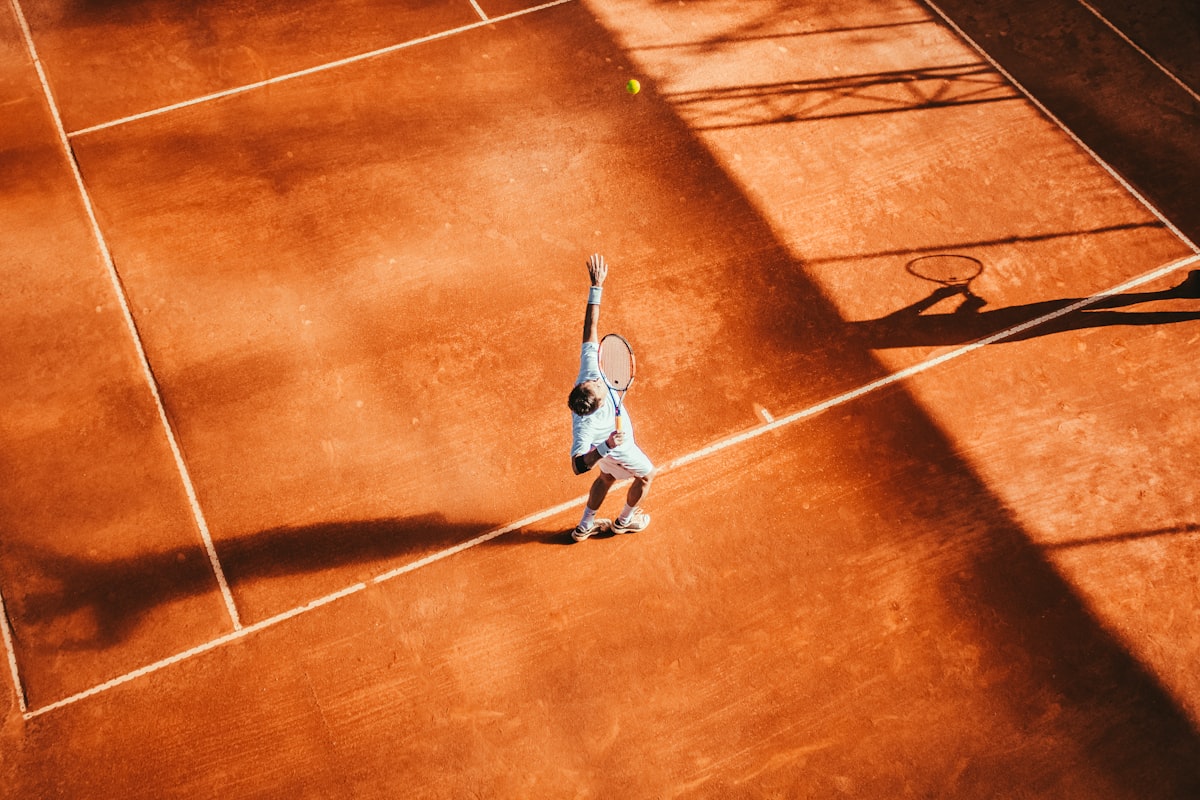
3. A Social Connection: Mental Health as the Primary Driver
The fitness world has shifted away from the "silent gym" era. In 2026, people are looking for community-based movement. According to the 2026 U.S. Tennis Participation Report, national participation reached a record 27.3 million players in 2025, marking a 54% increase since 2019. This surge isn't just about physical health; it’s about the "Sport Club" environment that provides a social connection many find missing in solo workouts.
A landmark study in the British Journal of Sports Medicine highlighted that racquet sports participants have a 47% lower risk of cardiovascular-related death compared to sedentary individuals. Much of this is attributed to the combination of physical exertion and the social accountability of a group. When you search for cardio tennis near me, you aren't just finding a workout; you are finding a team. This mental well-being factor is a primary motivator for keeping players consistent, which is the most important variable in any fitness journey.
4. Scalability for Beginners: The 20-Minute Starter Routine
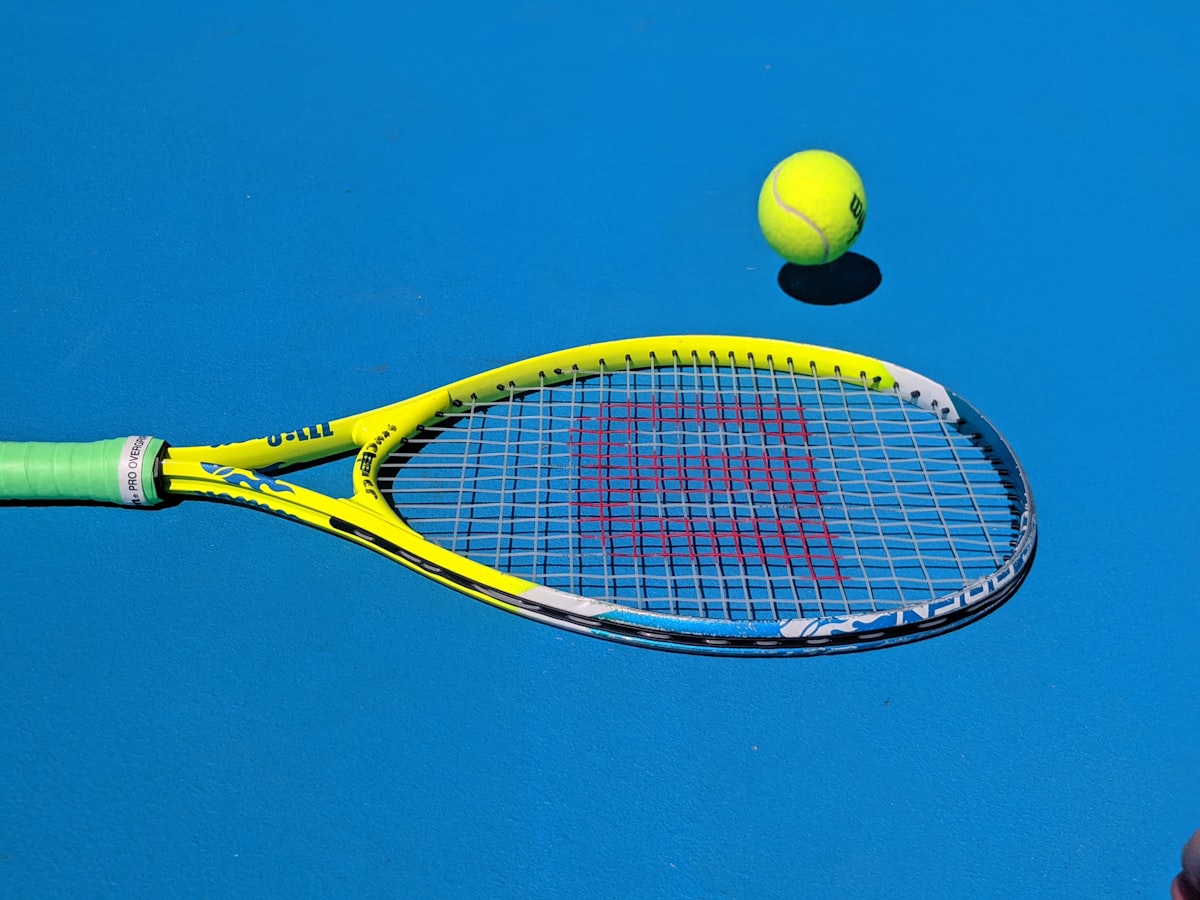
One of the biggest myths in fitness is that you need to be a pro to step on the court. In reality, cardio tennis for beginners is one of the most accessible entry points to high-level fitness. You don't need a perfect serve to get a world-class workout; you just need to move.
If you are just starting a tennis cardio program, I recommend a focused 20-minute routine that prioritizes high repetitions over technical perfection. Before you start, ensure you have the best tennis shoes for cardio workout to provide the necessary lateral support. Running shoes are designed for forward motion and lack the reinforced sidewalls needed for court movements.
The 20-Minute Beginner Burner:
- Warm-up (5 mins): Low-intensity jogging across the baseline and light agility ladder patterns to wake up the feet.
- Side-to-Side Shuffles (5 mins): Focus on staying low and pushing off the outside foot. Keep your hands up and eyes on the coach.
- The "Spider" Drill (5 mins): Sprint from the center of the baseline to the corners and net in a star pattern, returning to the center each time.
- Cool Down (5 mins): Slow-paced walking and dynamic stretching to improve functional strength and flexibility.
This routine focuses on keeping the heart rate elevated while developing the hand-eye coordination needed for more advanced play.
5. Cognitive Gains and Hand-Eye Coordination
Tennis is often described as "chess at 90 miles per hour." While the primary goal of cardio tennis is fitness, the cognitive benefits are a massive secondary win. Tracking a fast-moving ball requires the brain to process information rapidly, which builds complex neural pathways. This "brain workout" helps sharpen focus and improves reaction times in everyday life.
Drills like the 6 Point Agility Test or reactive ball drops are staple cardio tennis drills that challenge both the mind and the body. These movements require you to read a situation, decide on a movement pattern, and execute it under physical fatigue. This mental-emotional-physical synergy is what makes racket sports so unique for longevity. Research from the Copenhagen City Heart Study indicates that playing tennis can add up to 9.7 years to life expectancy, the highest gain among all sports studied.
6. The Athleisure Aesthetic: Fitness Meets Fashion
We cannot ignore the cultural momentum. The 2026 fitness trend is heavily influenced by the global popularity of Grand Slams and the rise of the athleisure aesthetic. High-performance gear is no longer just about sweat-wicking; it’s about a lifestyle that merges the "All White" classic tennis look with modern, street-ready designs.

This aesthetic drives participation because it makes the sport feel aspirational yet reachable. When you feel good in your gear, you perform better. The blend of high-fashion and high-intensity athletics has made the tennis court the new social hub, replacing the traditional happy hour with a high-energy drill session.
7. Tech-Driven Gains: Tracking Your 6-Point Agility
In 2026, we don't guess—we measure. The integration of smart fitness wearables has changed how we approach the court. Modern watches and heart rate straps now have specific algorithms to track the explosive bursts found in tennis. You can now see exactly how much time you spent in Zone 4 during a series of solo tennis cardio drills and how quickly your heart rate dropped during your recovery.
The use of the 6 Point Agility Test as a diagnostic tool allows players to see objective improvements in their lateral agility over time. By tracking these metrics, you can fine-tune your training to ensure you are constantly pushing your metabolic boundaries. Technology has made the gains visible, and for the results-driven athlete, that data is the ultimate motivation.

FAQ
What is cardio tennis?
It is a high-energy group fitness program that combines the best features of tennis with cardiovascular exercise, delivering a total-body, calorie-burning workout. It focuses more on keeping your heart rate up through constant movement than on competitive match play rules.
Can beginners do cardio tennis?
Yes, it is designed for all skill levels. Because the focus is on movement and heart rate rather than winning points, even those who have never picked up a racket can participate and see significant fitness gains.
Is cardio tennis worth it?
Absolutely. For those looking for a HIIT alternative that is more engaging than a treadmill and offers social benefits, it is one of the most efficient ways to improve metabolic health and longevity.
Is cardio tennis for beginners?
It is highly recommended for beginners. Most classes use pressure-less balls and high-repetition drills that make it easy to stay in the workout regardless of your technical tennis skill.
Is 20 minutes of cardio enough for beginners?
A 20-minute high-intensity session can be highly effective for building a baseline of cardiovascular endurance. As your fitness improves, you can extend these sessions or increase the intensity of the drills.
The shift toward cardio tennis in 2026 represents a broader movement toward functional, social, and data-driven fitness. Whether you are looking to boost your VO2 max or simply find a more exciting way to stay active, the court is waiting. Find a session near me today and see why this trend is dominating the fitness landscape.