Quick Facts
- Duration: 12 weeks
- Weekly Increase: Max 10-15% mileage
- Target Cadence: 80-90 RPM
- Fueling Target: 60-90g carbs/hour
- Peak Ride: 75 miles (Week 10)
- Training Focus: Aerobic base and lactate threshold development
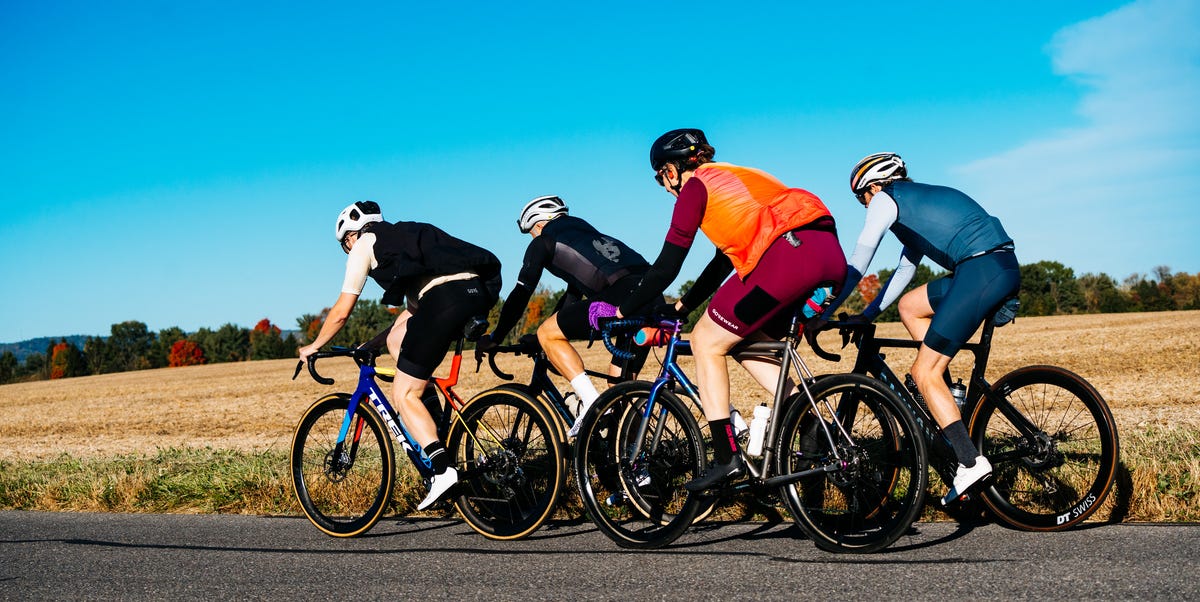
Start your journey with a structured 12-week century training plan designed to build your aerobic base and prepare you for 100 miles on the road. A 12-week century training plan focuses on progressive mileage increases to build an aerobic base and improve lactate threshold through structured periodization and tapering. Early phases emphasize consistency with shorter, high-intensity or indoor workouts. As the event approaches, the schedule incorporates longer weekend rides to build endurance, followed by a two-week taper to allow for physiological recovery and glycogen replenishment.
The Foundation: Safety and the 10% Rule
Before you start clicking into your pedals for the first long training ride, we need to talk about the most critical law in endurance sports: the 10% rule. To ensure safe cycling endurance building and avoid the overuse injuries that sideline so many riders, cycling training experts recommend that participants gradually increase their weekly mileage by no more than 10% to 15%. This incremental load allows your tendons, ligaments, and muscles to adapt to the repetitive motion without reaching a breaking point.
Long distance bike ride preparation also involves more than just your cardiovascular system. Your contact points with the bike are under immense pressure during a 100-mile effort. I highly recommend a professional bike fit adjustment before you begin this 12-week journey. A saddle that is five millimeters too low might feel fine for an hour, but it can cause debilitating knee pain at mile 60. Additionally, never underestimate the power of comfort; using chamois cream is a non-negotiable part of preparing for the road to prevent saddle sores that could derail your consistency.

Phase 1 (Weeks 1-4): Building the Aerobic Base
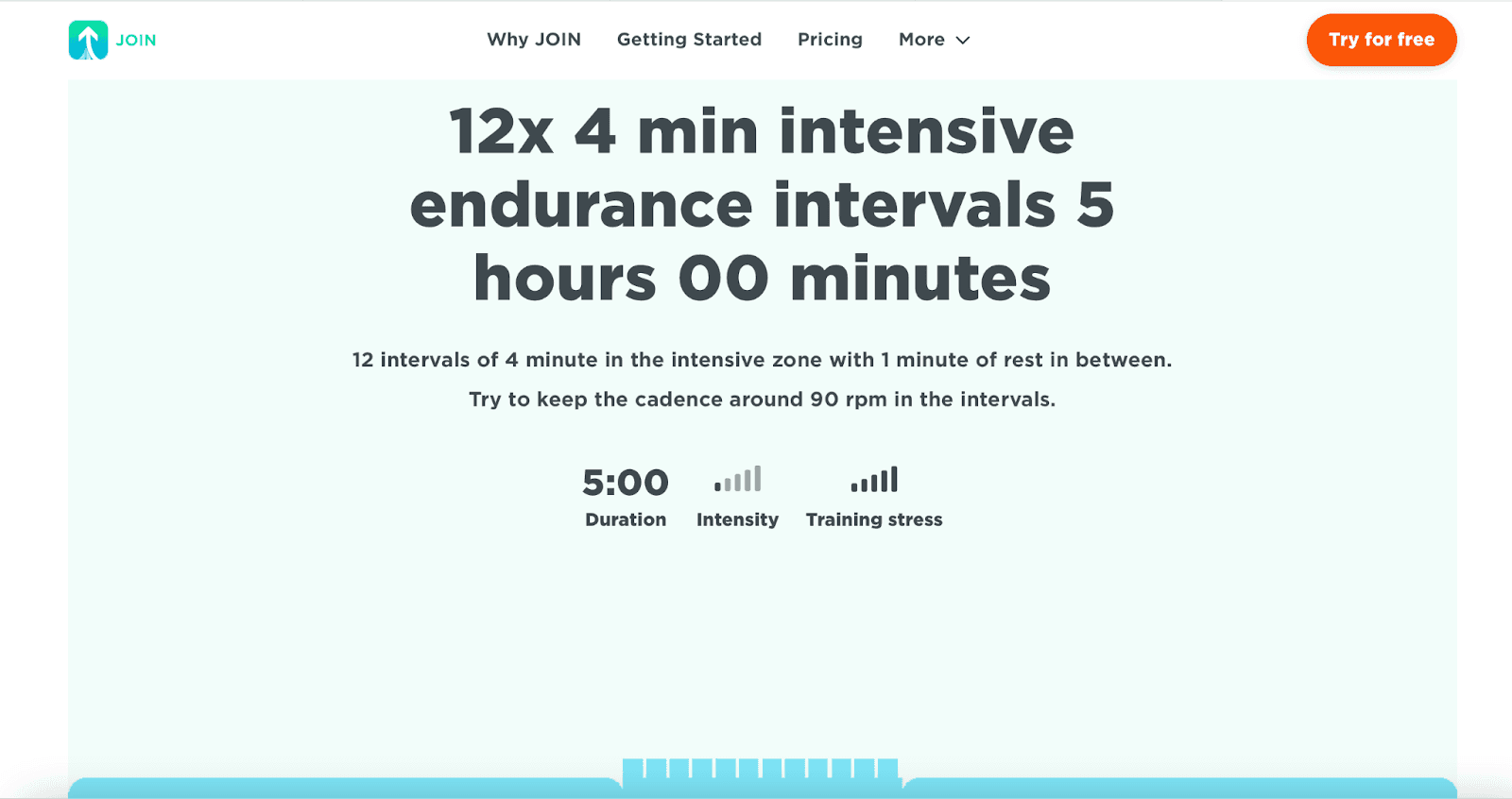
The first month of your century training plan is dedicated to establishing a rock-solid aerobic base. During this phase, you are training your body to become efficient at burning fat as a primary fuel source and teaching your muscles to endure hours in the saddle. Most of your riding should occur in Zone 2, which is typically 57-75% of your functional threshold power (FTP). It should feel like a "conversational pace"—you can speak in full sentences but can still feel the effort in your legs.
Consistency is the goal here. If you have a busy schedule, leverage indoor cycling workouts for century ride preparation. Modern trainers and platforms allow you to hit specific heart rate zones and power targets without the distractions of traffic or weather. Mix in recovery rides that are very short and very easy to keep the blood flowing without adding fatigue. Furthermore, incorporate cross-training like core work or yoga twice a week. A strong core is what keeps you stable when you are tired at the end of a long ride.
Phase 2 (Weeks 5-8): Strength and Lactate Threshold
Once you have the foundation, it is time to build the engine. Phase 2 shifts toward increasing your power and raising your lactate threshold. This is the point at which your body can no longer clear lactic acid as fast as it is produced. By pushing this threshold higher, you can maintain a faster average speed for a longer duration. You will start seeing a structured scale in the duration of the weekly long ride, moving from an initial 1 to 1.5 hours up to an eventual peak of 5 to 6.5 hours of continuous cycling.
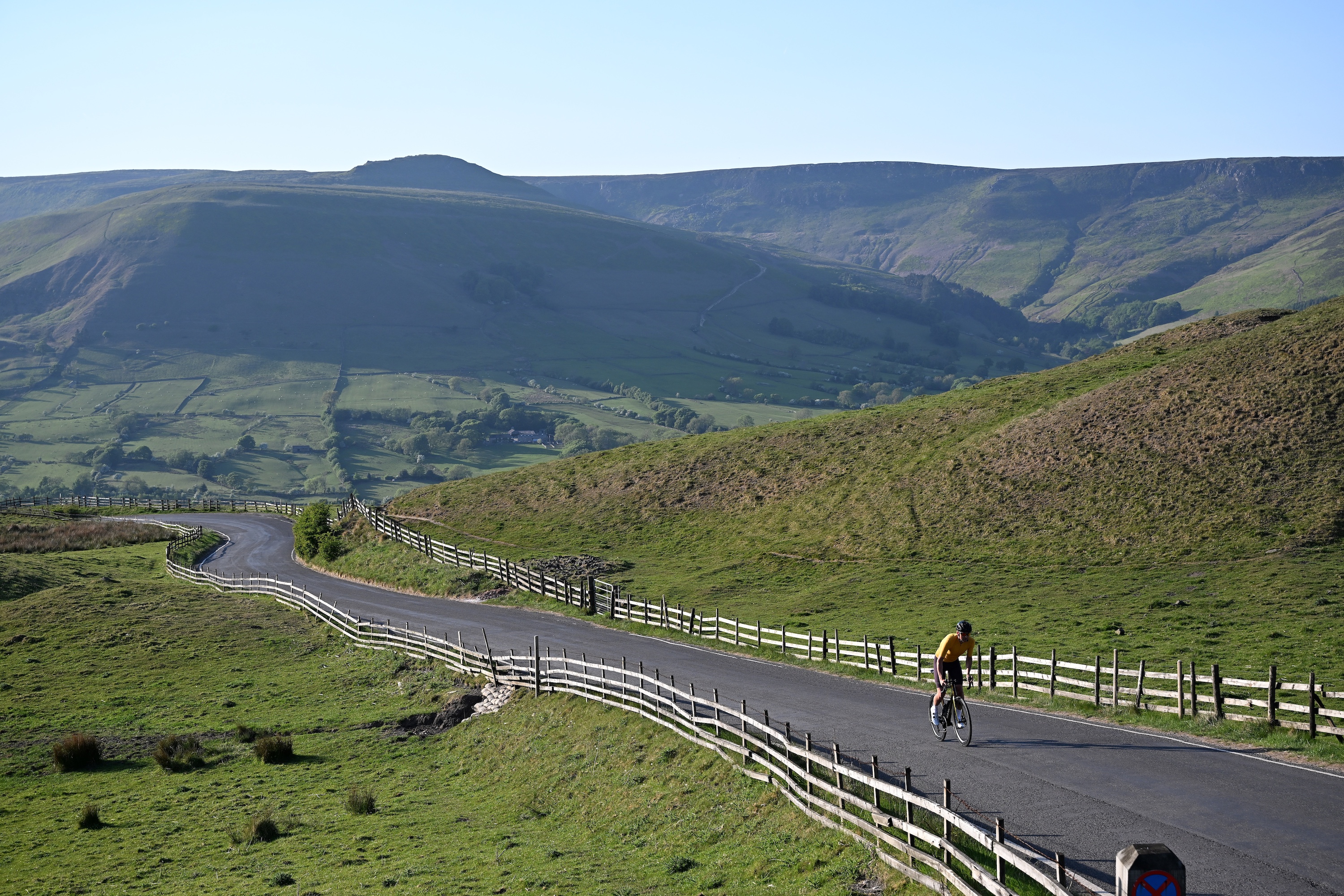
Incorporate hill climbing techniques into your mid-week sessions. Sustained climbs of 10 to 20 minutes help build muscular endurance. Focus on cadence optimization, aiming for a steady 80-90 RPM. If you find yourself "mashing" the gears at a low RPM, you are putting unnecessary strain on your joints and burning through glycogen too quickly. Higher cadences shift the load from your muscles to your cardiovascular system, which is more resilient over long distances.
Phase 3 (Weeks 9-11): Peak Endurance and Pacing
This is the sharpening phase. Your training volume will reach its highest point, culminating in the "Big Ride" in Week 10. Training guidelines for long-distance cycling suggest that riders should aim to complete a single training ride of at least 70% to 75% of the 100-mile goal distance before the day of the event. For most, this is a 70 to 75-mile ride. This ride is a dress rehearsal; wear the clothes you plan to wear, eat the food you plan to eat, and ride the bike you will use on the big day.
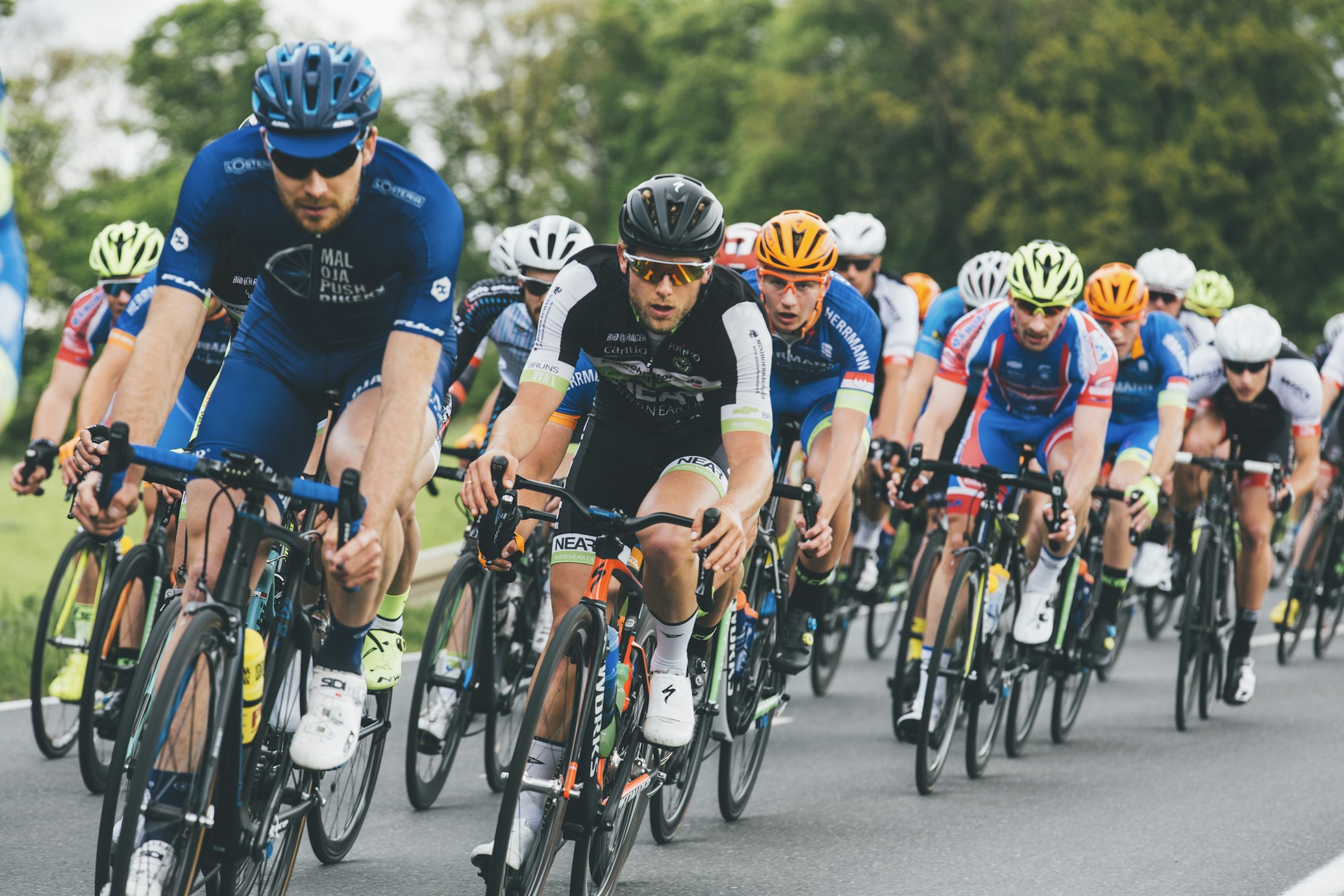
Developing a century ride pacing strategy for intermediate cyclists is about discipline. It is easy to feel fresh in the first 20 miles and ride too hard, only to hit the wall at mile 80. Learn group drafting techniques if you are riding with others; sitting in a person's slipstream can save you up to 30% of your energy. Your goal during these peak weeks is to manage your effort so that your heart rate zones stay controlled, ensuring you don't deplete your energy stores prematurely.
12-Week Century Training Schedule
Use the following table to track your progress. Note that "Long Ride" refers to your weekend endurance session, while "Total Weekly Mileage" includes all mid-week intervals, recovery rides, and hills.
| Week | Long Ride Distance (Miles) | Total Weekly Mileage (Estimate) | Focus |
|---|---|---|---|
| 1 | 15 | 35-40 | Base Building |
| 2 | 20 | 45-50 | Base Building |
| 3 | 25 | 55-60 | Base Building |
| 4 | 15 | 30-35 | Recovery Week |
| 5 | 35 | 70-80 | Strength/Threshold |
| 6 | 45 | 85-95 | Strength/Threshold |
| 7 | 55 | 100-110 | Strength/Threshold |
| 8 | 30 | 50-60 | Recovery Week |
| 9 | 65 | 130-140 | Peak Endurance |
| 10 | 75 | 150-160 | Peak Performance |
| 11 | 40 | 80-90 | Taper Phase |
| 12 | 100 (Event Day) | 120-130 | The Century |
Century Ride Nutrition and Hydration Strategy
You can have the strongest legs in the world, but if you don't fuel correctly, you will fail. Effective century ride nutrition involves consistent electrolyte replenishment and carbohydrate intake to prevent glycogen depletion. During your long rides, you must practice your fueling strategy. The standard recommendation is to consume 60-90g of carbohydrates per hour. This can come from gels, chews, sports drinks, or easily digestible snacks like bananas or small rice cakes.
Hydration is equally vital. Aim to drink 500-750ml of fluid per hour, depending on the temperature and your sweat rate. Water alone is often not enough for a 100-mile ride; you need electrolytes (sodium, potassium, magnesium) to maintain nerve function and muscle contractions. If you wait until you are thirsty or hungry, it is already too late. Set a timer on your cycling computer to remind you to eat and drink every 20 minutes to maintain steady blood sugar levels throughout the day.

Phase 4 (Week 12): Tapering and Event Day Prep
The final week is all about recovery and glycogen replenishment. Many riders make the mistake of trying to "cram" in one last hard workout, but fitness isn't built in the final seven days—it is only lost through fatigue. Follow these tapering for a century ride tips: reduce your total volume by 40-60%, but keep a few short, high-intensity efforts to keep your legs "sharp."
Prepare your equipment early. Before event day, perform a full mechanical check to ensure your gear is as ready as your legs. Check your tires for cuts, ensure your shifting is crisp, and lube your chain. Pack your jersey pockets the night before so you aren't rushing in the morning. Focus on high-quality sleep and staying hydrated in the 48 hours leading up to the start. When the gun goes off, trust the work you have put in over the last 12 weeks.

FAQ
How long does it take to train for a 100-mile bike ride?
For most cyclists with a basic fitness level, a 12-week period is the gold standard. This allows enough time to build the necessary aerobic base and muscular endurance without rushing the process and risking injury. If you are starting from zero, you may want to extend the base phase by an additional 4 weeks.
How many miles a week should I ride to prepare for a century?
Your weekly mileage will fluctuate as you progress through the century training plan. You should start around 40 miles per week and gradually scale up to a peak of 150-160 miles during the highest volume weeks (usually Week 9 and 10). Consistency across 3-5 rides per week is more important than one massive ride.
What is a good 12-week century training plan for beginners?
A good plan for beginners prioritizes gradual mileage increases and emphasizes recovery. It should include two or three shorter mid-week rides focusing on cadence and one long weekend ride that progressively gets longer. It must also incorporate rest days and recovery weeks every fourth week to allow the body to heal.
What is the longest ride you should do before a century?
You do not need to ride the full 100 miles before the event. Most experts suggest a peak ride of 70 to 75 miles. This distance is enough to test your century ride nutrition and hydration strategy and build psychological confidence without requiring a massive recovery period that could disrupt your tapering phase.
How do I increase my cycling endurance for a 100-mile ride?
To increase endurance, you must combine long, slow distance rides in Zone 2 with structured intervals. The long rides build your fat-burning efficiency, while tempo and threshold intervals increase your power and speed. Together, these elements allow you to ride longer at a faster pace with less fatigue.
How do I fuel and hydrate during a century training ride?
Consistency is the secret. Aim for 60-90 grams of carbohydrates per hour and roughly one bottle of fluid (with electrolytes) per hour. Practice using different fuels (gels, bars, real food) during your training to see what your stomach tolerates best at high heart rates. Avoid trying any new nutrition products on the actual event day.