Quick Facts
- Primary Fabric Choice: Lightweight synthetic technical blends designed for maximum breathability and rapid drying.
- Hydration Target: Aim for 13–27 ounces of fluid per hour depending on sweat rate and intensity.
- Acclimatization Period: A standard heat acclimatization period of 10 to 14 days is required to optimize physiological cooling.
- Safety Baseline: Medical data shows that life-threatening heat stroke is 10 times more likely to occur than cardiac events during warm-weather endurance races.
- Performance Impact: Expect a performance decline of roughly 1.6% to 3% for every 10°F increase in temperature above 55°F.
- Essential Accessories: Ice bandanas for active carotid cooling and PTFE fiber socks for friction reduction.
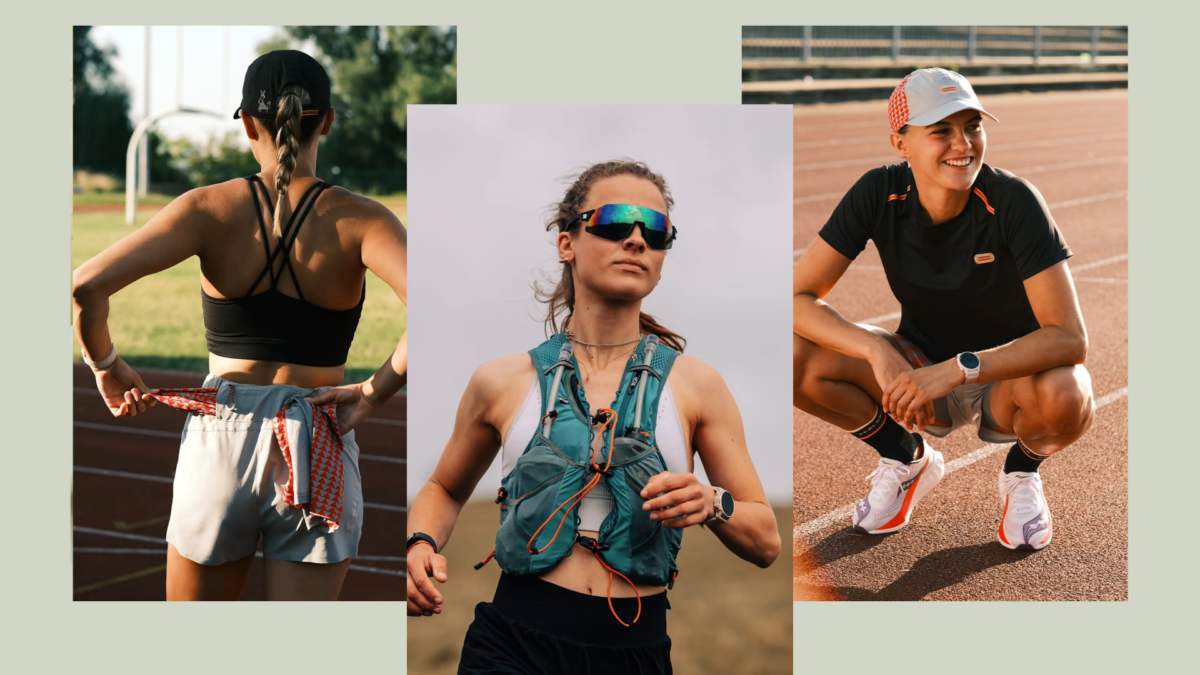
The best summer trail running gear focuses on moisture management and thermal regulation. To maintain performance, runners should prioritize sweat wicking running apparel made from technical synthetic blends and trail running sun protection with UPF 50+ ratings to stabilize core body temperature and prevent heatstroke symptoms during high-exertion efforts.
Sweat-Wicking Apparel: Managing Core Temperature
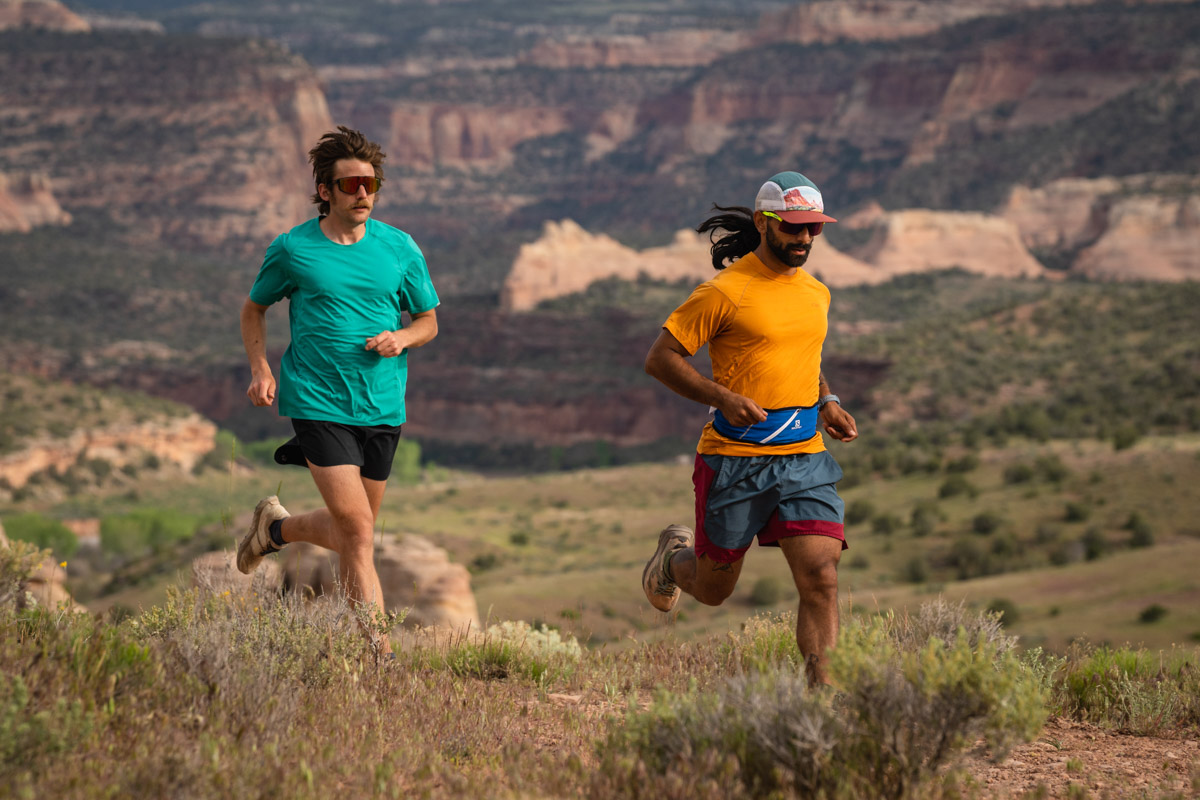
When you hit the trails in July, your body enters a state of physiological redirection. To keep you cool, the brain signals blood to move away from your working muscles and toward the surface of your skin for evaporative cooling. If your apparel fails to move that sweat away from the body, your core body temperature climbs, your heart rate spikes, and your pace craters. This is why choosing the right sweat wicking running apparel is not just about comfort; it is about performance survival.
The best sweat wicking shirts for trail running in heat are those that weigh almost nothing. Look for technical synthetic blends like the Montane Dart Nano, which tips the scales at just 2.8 ounces. These fabrics use a honeycomb or pique structure to maximize the surface area exposed to the air, accelerating evaporation. For your lower body, 2-in-1 shorts are the gold standard for high-moisture management. The inner compression layer provides a snug fit that prevents the fabric from bunching or clinging when soaked with sweat, which is essential during steep alpine climbs where range of motion is critical.
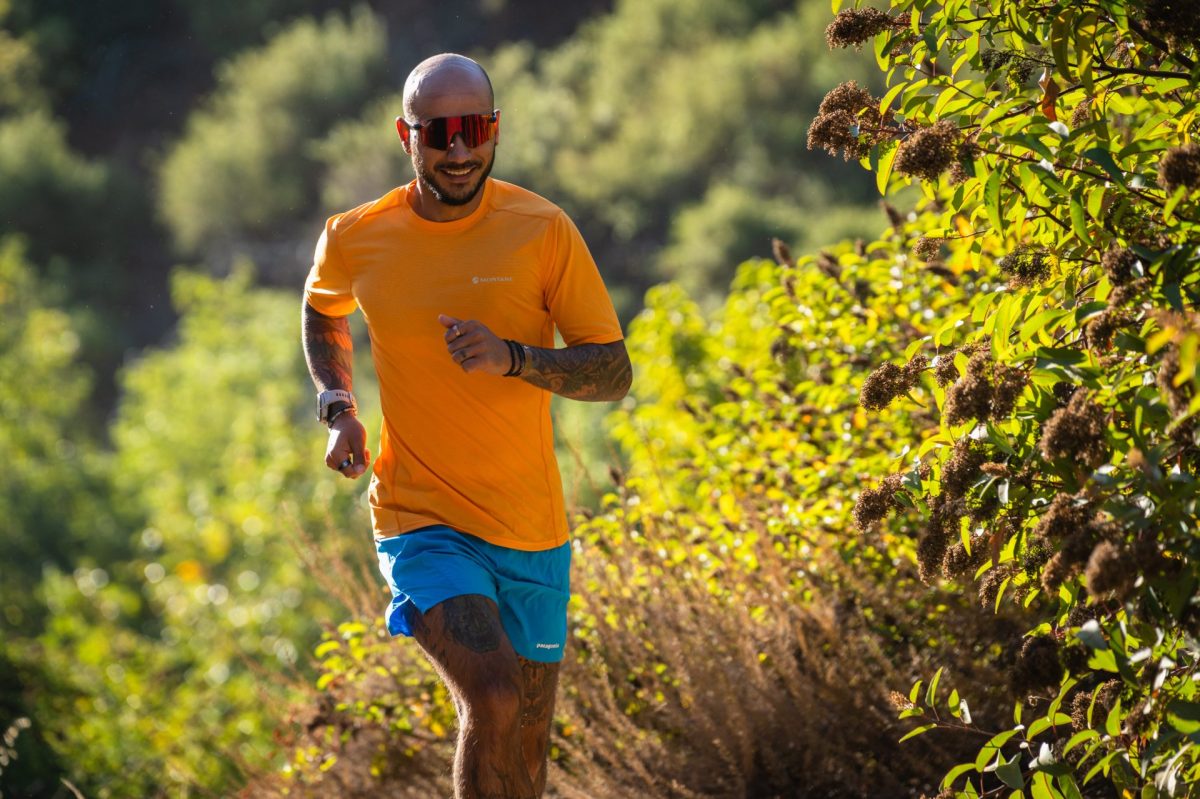
Beyond the fabric itself, consider the mechanics of heat acclimatization. As you adapt to the heat over a two-week period, your sweat rate will actually increase, and you will begin sweating sooner. This adaptation makes high-performance moisture management even more vital, as the volume of liquid your gear must handle will be significantly higher than in the spring or fall.
Advanced Hydration Solutions for Arid Environments
Hydration is the fuel for your internal cooling system. In high-heat environments, your fluid requirements change from "supplemental" to "mission-critical." For long-duration mountain efforts, trail running hydration vests for hot weather are indispensable. These vests are designed with open-mesh back panels to allow airflow, preventing the dreaded "hot back" syndrome. They allow you to carry high volumes of water while keeping your hands free for technical descents.
However, water alone is rarely enough. To prevent hyponatremia and maintain muscle function, electrolyte replenishment must be a priority. Using salt tablets or adding high-sodium mixes to your soft flasks ensures that your nervous system remains responsive. If you are venturing into remote areas where carrying five liters of water is impractical, carrying a compact water filter like the Katadyn BeFree allows you to utilize natural water sources safely.
Summer Hydration Matrix
| Gear Type | Best For | Capacity Range | Key Benefit |
|---|---|---|---|
| Handheld Soft Flasks | Short, high-intensity loops | 250ml - 500ml | Lightweight, easy to refill |
| Hydration Vests | Long mountain days | 1.5L - 3L+ | Integrated storage for fuel/safety gear |
| Waist Belts | Moderate distances | 500ml - 1L | Keeps the torso completely ventilated |
| Water Filters | Remote, long-range runs | N/A | Infinite water supply from streams |
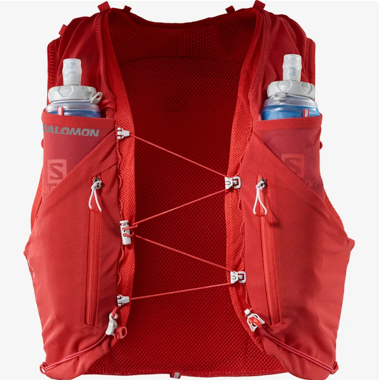
When selecting summer running hydration solutions, ergonomics matter. Soft flasks that conform to your chest or hand reduce sloshing, which can be a major distraction during the late stages of a race when mental fatigue sets in. Always test your hydration rate during training; aim for a consistent intake rather than chugging large amounts of water at long intervals.
Sun Protection & Specialized Accessories
Direct UV radiation is a silent performance killer. It increases the perceived exertion of your run and can lead to rapid dehydration. For those tackling high-altitude trails, the sun is even more intense due to the thinner atmosphere. This makes sun protection apparel for high altitude trail runs a non-negotiable part of your kit. Many modern sun hoodies offer UPF 50+ protection while utilizing ultra-thin technical synthetic blends that actually feel cooler than bare skin because they provide a physical barrier against thermal radiation.
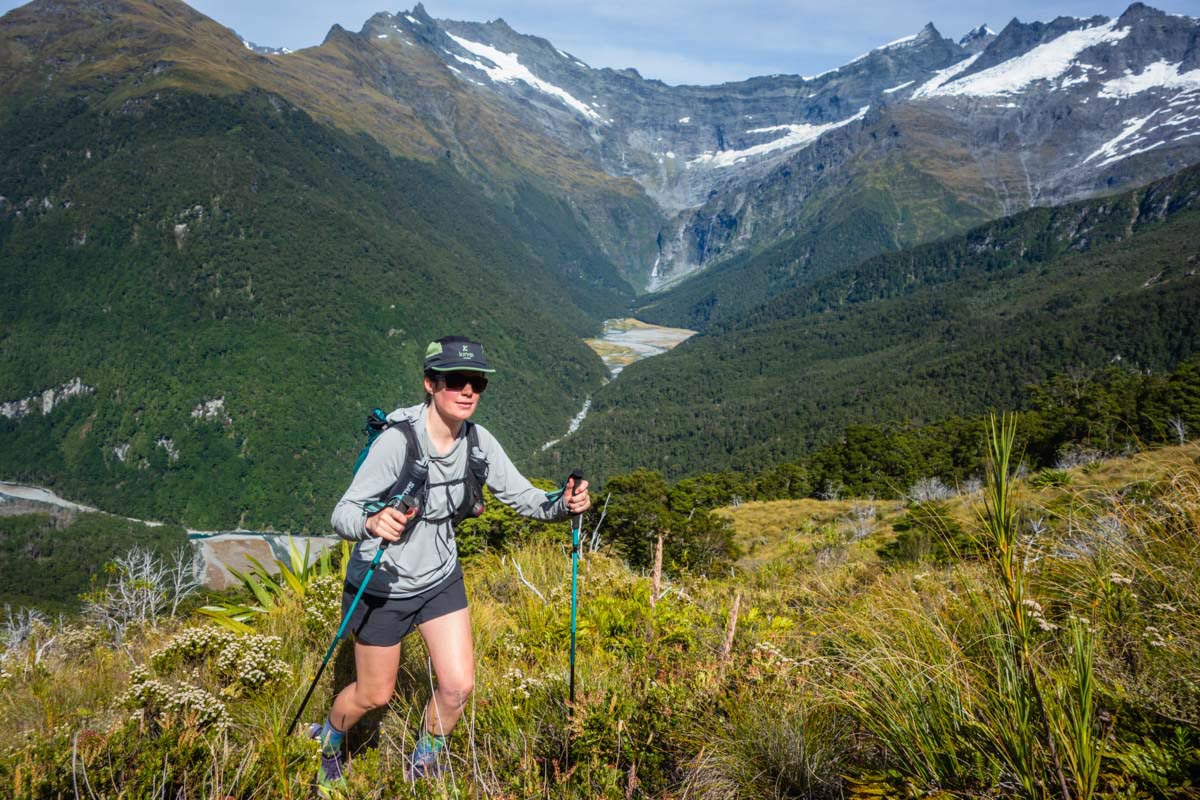
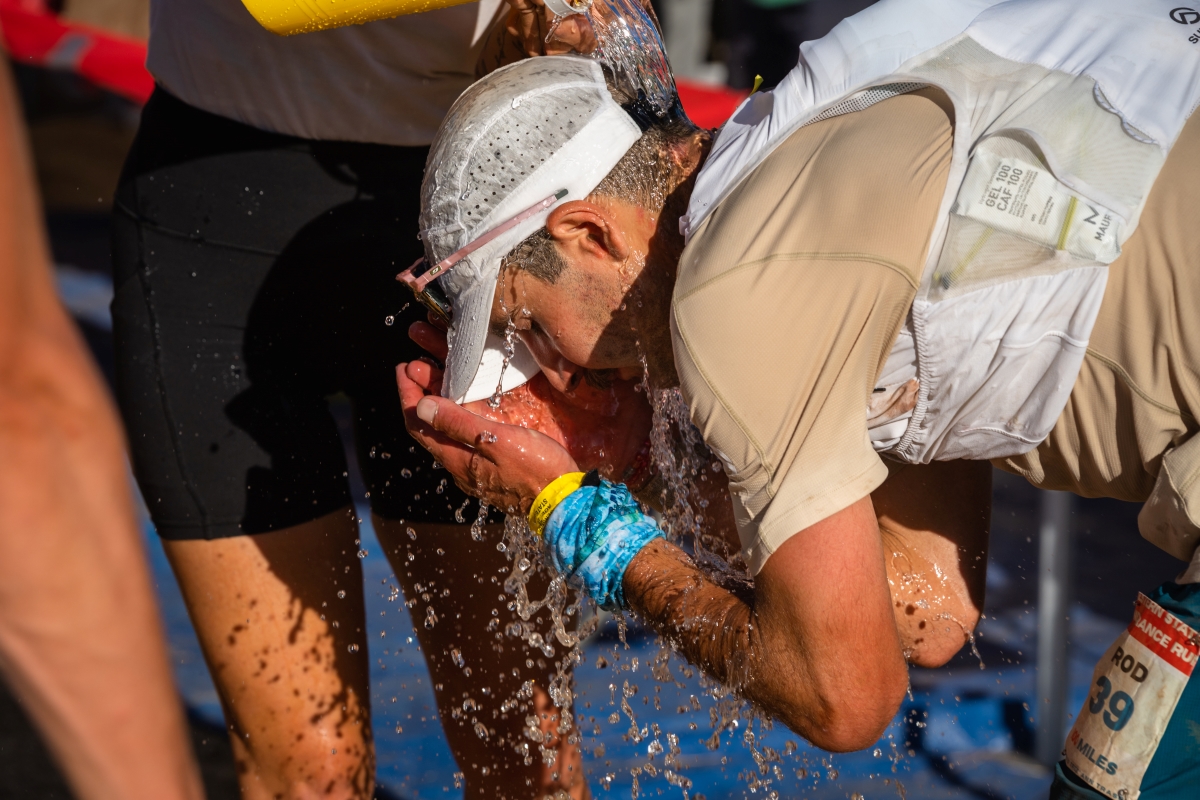
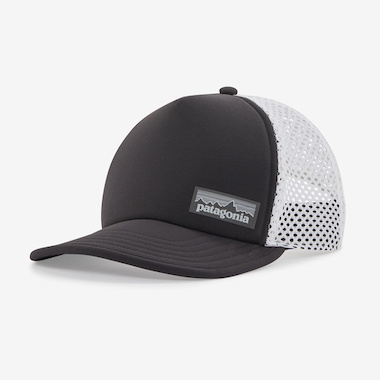
Do not overlook the "little things" that provide a massive psychological and physiological edge. Breathable technical hats for sun exposed trails are essential for protecting your face and eyes, but they must have mesh side panels to allow heat to escape from the crown of your head. Furthermore, if the mercury rises above 90°F, you should employ active cooling techniques.
Pro Tip: The Ice Bandana Trick Fill a buff or bandana with ice cubes and wrap it around your neck. The ice sits directly over your carotid arteries, cooling the blood before it reaches your brain. This can significantly lower your perceived effort and help regulate core body temperature in extreme conditions.
Finally, remember that sweat-resistant sunscreens are your last line of defense. Look for formulas with at least 16% zinc oxide. These provide a physical shield that won't run into your eyes the moment you start working hard, ensuring your trail running sun protection remains effective throughout the duration of your session.
Blister Prevention and Footwear Considerations
Heat and moisture are the primary ingredients for blisters. As you run in high temperatures, your feet will naturally swell, and the friction between your skin and your shoes increases. To combat this, you need a strategy focused on abrasion resistance and moisture management.
Start with moisture wicking socks to prevent blisters in summer. The best options incorporate PTFE (Teflon) fibers in high-friction areas like the heel and toes. These fibers have an extremely low coefficient of friction, allowing the sock to slide against the shoe rather than the sock sliding against your skin. Additionally, ensure your footwear features highly breathable mesh uppers. In the summer, "waterproof" usually means "heat trap"—avoid Gore-Tex or similar membranes in favor of maximum airflow.
To further protect your skin, apply anti chafing solutions for long distance summer runs before you even step out the door. Focus on high-friction zones: the inner thighs, underarms, and the arches of your feet. These balms create a barrier that remains stable even when you are sweating heavily, preventing the raw irritation that can end a long run prematurely.
FAQ
What is the best gear for trail running in hot weather?
The best gear includes a lightweight hydration vest with a high airflow back panel, moisture-wicking synthetic apparel, and a technical hat with UV protection. Prioritize items that facilitate sweat evaporation and provide a physical barrier against the sun.
What should I wear for summer trail running?
You should wear a UPF-rated technical tee or sun hoodie, 2-in-1 shorts to prevent inner-thigh chafing, and specialized technical socks. Opt for light colors to reflect solar radiation and choose fabrics that weigh under 4 ounces for maximum breathability.
How much water do I need for trail running in the heat?
Most athletes need between 13 and 27 ounces of fluid per hour during high-heat exertion. However, you should conduct a sweat test to determine your specific needs, and always include electrolyte replenishment to maintain salt balance.
How can I prevent chafing during summer trail runs?
Prevent chafing by wearing form-fitting liners or compression-style shorts and applying high-quality anti-chafing balm to high-sweat areas. Avoid cotton fabrics, as they retain moisture and increase the friction that causes skin irritation.