Quick Facts
- Core Concept: A fitness philosophy that prioritizes low-impact movement within a comfortable, sensory-rich environment to eliminate the psychological barriers to exercise.
- Origin and Growth: The movement gained momentum through the Cozy Cardio Club on social media, which has seen over 5.6 million views since late 2022.
- Market Trends: Reflecting a broader shift toward convenience, 51% of exercisers in the United States chose home workouts in 2023.
- Economic Impact: The global at-home fitness equipment market is expected to grow from $8.6 billion in 2023 to over $21 billion by 2035.
- Primary Goal: To establish sustainable consistency by making movement feel like a restorative self-care ritual rather than a high-stress chore.
- Ideal Tools: Low-profile equipment like a walking pad, resistance bands, or a high-quality yoga mat, paired with ambient elements like candles or soft lighting.
Cozy cardio is a fitness philosophy focused on low-impact movement in a comfortable, low-stress environment. Unlike high-intensity training, it prioritizes a supportive atmosphere by allowing practitioners to wear comfortable clothing, use soft lighting, and perform gentle exercises such as walking on a pad or slow core work. The goal is to make daily movement sustainable by reducing the mental and physical friction associated with traditional gym workouts.
For many of us, the traditional fitness narrative has always been about more: more sweat, more intensity, more grit. But as a preventive care editor, I have seen how this "all-or-nothing" mentality often leads to burnout and injury rather than long-term health. That is why the rise of cozy cardio is so refreshing. It acknowledges that the hardest part of working out isn't usually the physical exertion—it is the mental hurdle of getting started. By creating a cozy cardio routine for beginners, we are essentially hacking our brain's resistance to change, transforming movement into something we actually look forward to.
Tip 1: Curating "The Vibe" for Low-Friction Fitness
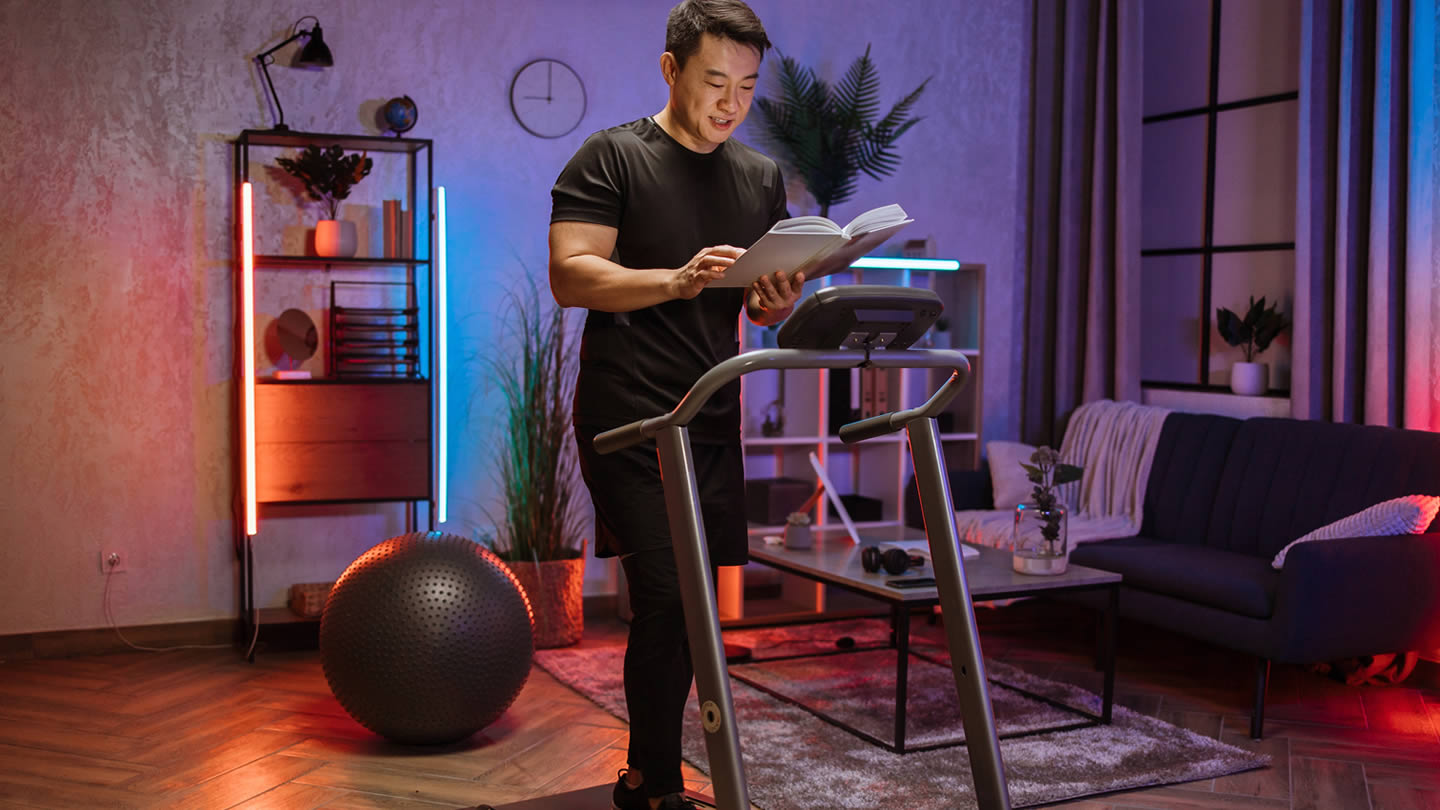
The cornerstone of this movement is sensory engineering. Traditional gyms are often bright, loud, and intimidating—environments that can trigger a subtle stress response before you even begin your first set. To master cozy cardio, you must intentionally design a space that feels safe and inviting. This involves setting the vibe with dimmed lighting, a favorite scented candle, or perhaps a calming playlist. When you cultivate an ambient environment, you shift your nervous system from a state of high alert to a state of receptive calm.
One of the most effective ways to lower the entry barrier is the practice of low impact cardio in pajamas at home. By removing the need to find matching activewear or drive to a facility, you eliminate several steps of decision fatigue. This environmental setup should ideally happen the night before. Lay out your walking pad or unroll your mat in a sunlit corner so that when you wake up, the path to gentle daily movement is already clear. Creating a supportive environment for home workouts is about making the healthy choice the easiest choice.

Tip 2: Master the Art of Habit Stacking
While the aesthetic of cozy cardio is what draws people in, the science of habit stacking for fitness is what keeps them consistent. Habit stacking is a behavioral psychology technique where you anchor a new, desired behavior to an existing ritual. Because your brain already has established neural pathways for your morning coffee or your evening skincare routine, "stacking" a workout onto these anchors requires much less willpower.
Research into neurological loops suggests that it takes about ten weeks to automate a new habit, driven largely by the release of dopamine and norepinephrine when we successfully complete a task. By using a specific formula, you can make how to habit stack low impact workouts feel almost automatic. This reduces the cognitive load of deciding when and where to exercise, allowing your body to move into the routine without internal debate.
The Habit Stacking Template
- Formula: After/Before [Current Habit], I will [New Behavior].
- Example 1: After I press start on the coffee maker, I will do 10 minutes of gentle morning movement with a walking pad.
- Example 2: Before I start my evening skincare routine, I will do 15 minutes of restorative stretching on my mat.
- Example 3: While I listen to my favorite daily news podcast, I will perform a low-impact home workouts circuit in my living room.
Tip 3: Choose Your Low-Impact Movement Style
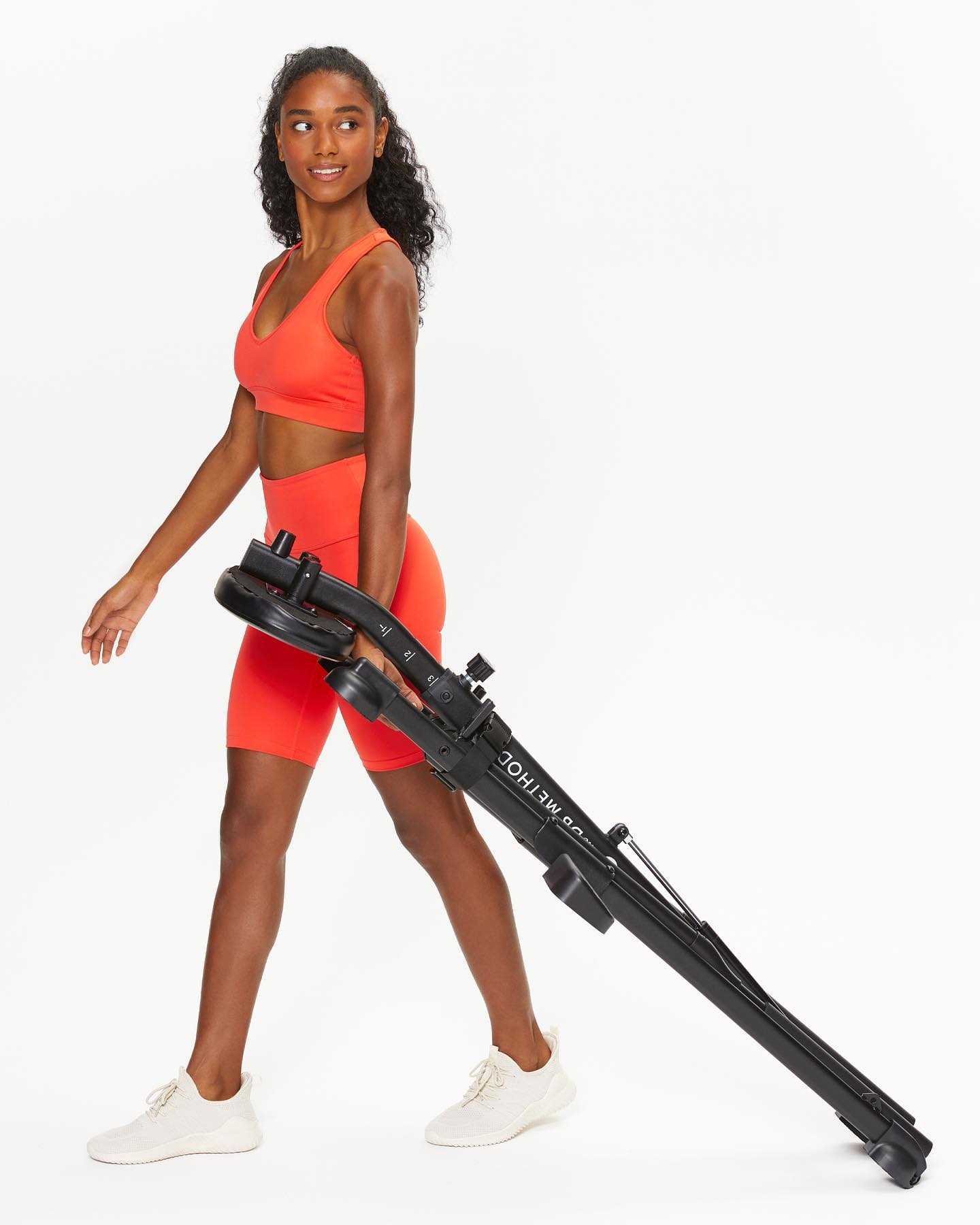
The beauty of this approach is its flexibility. You do not need a rigorous plan to see results; you need movement that honors your body's current state. For many, a walking pad is the ultimate tool—often referred to as a treadmill with a twist because it fits under a desk or in front of a TV, allowing for soft exercise while you engage in other activities.
Beyond walking, consider restorative stretching or postpartum cozy cardio pelvic floor exercises. These movements focus on core stability and joint health rather than caloric burn. If 150 minutes of weekly exercise feels daunting, try breaking it down into micro-workouts. A fifteen-minute session in the morning and another in the evening are just as effective for metabolic health and mood regulation. This variety ensures that your gentle daily movement never feels like a repetitive chore.
- Walking Pad: Best for steady-state aerobic health while watching a show or reading.
- Restorative Yoga: Ideal for down-regulating the nervous system after a stressful day.
- Pelvic Floor Core Work: Essential for functional strength and postpartum recovery.
- Resistance Band Flows: Great for maintaining muscle tone without the joint strain of heavy weights.
Tip 4: Integrating Self-Care and "Beauty Stacking"
One of the most innovative ways to ensure sustainable consistency is through beauty stacking. This involves pairing your low-impact movement with a self-care ritual. For example, you might apply a deep-conditioning hair mask or an LED face mask while you walk on your pad. This rebrands the exercise session as a "pamper session," further reducing the mental friction associated with traditional workouts.
When you integrate self-care with fitness, you are building sustainable workout habits without burnout. Instead of viewing exercise as a withdrawal from your energy bank, you start to see it as a deposit. Mindful movement becomes a time to catch up on an audiobook, enjoy a cup of herbal tea, or simply be present with your breath. This holistic approach ensures that your wellness journey is nourishing for both the body and the mind.
Tip 5: Monitoring Intensity to Ensure Results
While the focus of cozy cardio is comfort, we still want to reap the preventive health benefits of movement. To ensure you are hitting the right mark, it helps to understand your heart rate. For moderate aerobic benefits—which support bone density and reduce dementia risk—you generally want to stay within 64% to 76% of your maximum heart rate. You can calculate this simply by subtracting your age from 220 and then finding the percentage.
However, on days when your energy is low, I recommend the 2-minute rule. Give yourself permission to stop after just two minutes of movement. More often than not, once you have overcome the initial resistance, you will choose to continue. But even if you don't, you have successfully reinforced the neural habit loop, which is the most important factor for long-term health.
| Age | Target Heart Rate (64-76%) | Purpose |
|---|---|---|
| 25 | 125–148 bpm | Sustained aerobic health |
| 35 | 118–141 bpm | Metabolic efficiency |
| 45 | 112–133 bpm | Active recovery and longevity |
| 55 | 105–125 bpm | Bone density and joint health |
Ultimately, mastering this lifestyle is about more than just a TikTok trend. It is about reclaiming your relationship with movement. By prioritizing atmospheric fitness and mindful habits, you are creating a wellness strategy that can last a lifetime. Whether you are using short low impact workout stacks for small spaces or enjoying a long, slow walk in your favorite slippers, the goal remains the same: show up for yourself with kindness and consistency.
FAQ
What is the cozy cardio trend?
The cozy cardio trend is a wellness movement that encourages performing low-impact exercise in a comfortable, aesthetically pleasing home environment. It emphasizes wearing pajamas or lounge clothes, using ambient lighting like candles, and engaging in gentle movement like walking or stretching to make fitness feel like a restorative self-care ritual rather than a stressful obligation.
How do you start a cozy cardio routine?
To start, choose a low-impact activity you enjoy, such as walking on a pad or restorative stretching. Set up a dedicated space in your home with comfortable lighting and perhaps a favorite beverage or podcast. Use the habit stacking method by attaching your new movement session to an existing daily ritual, such as your morning coffee, to help make the routine feel automatic.
Is cozy cardio effective for weight loss?
While cozy cardio focuses on consistency and mental well-being, it can support weight loss by encouraging regular movement that might otherwise be skipped due to gym dread. By staying in the 64-76% heart rate range, you can achieve moderate aerobic benefits. However, its primary strength lies in building sustainable, long-term habits that prevent the burnout often associated with high-intensity weight loss programs.
What equipment is needed for cozy cardio?
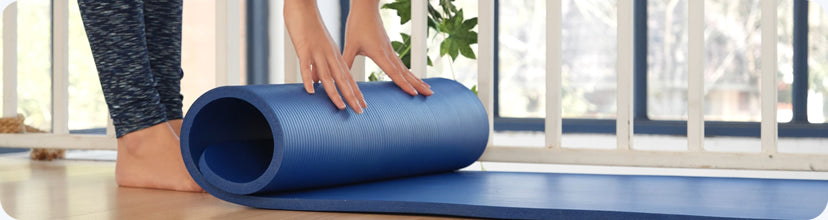
The equipment needs are minimal and focus on low-impact tools. Many practitioners use a walking pad, which is a slim, portable version of a treadmill. Other useful items include a high-quality yoga mat, light resistance bands, or small hand weights. The most important "equipment" is often the sensory elements, such as candles, soft blankets, and comfortable loungewear.
Can you do cozy cardio every day?
Yes, because the movements are low-impact and restorative, cozy cardio can safely be practiced daily. It is designed to be a form of active recovery and gentle daily movement that supports joint health and reduces stress. By listening to your body and adjusting the intensity, you can use these sessions to maintain consistency without the risk of overtraining or injury.