Quick Facts
- Carbohydrate Target: Consuming 60-90g of carbohydrates per hour is optimal for performance.
- Pacing Rule: Aim to start 15-20 seconds slower than your target goal pace for the first 5K.
- Fueling Golden Rule: Never try anything new on race day; stick strictly to products tested in training.
- Hydration Sync: Always consume energy gels with water to assist with gastrointestinal comfort and absorption.
- The Wall Strategy: Break the race mentally into segments using the 10-10-10 breakdown method.
- Post-Race Goal: Prioritize active recovery and high-protein intake immediately after crossing the finish line.
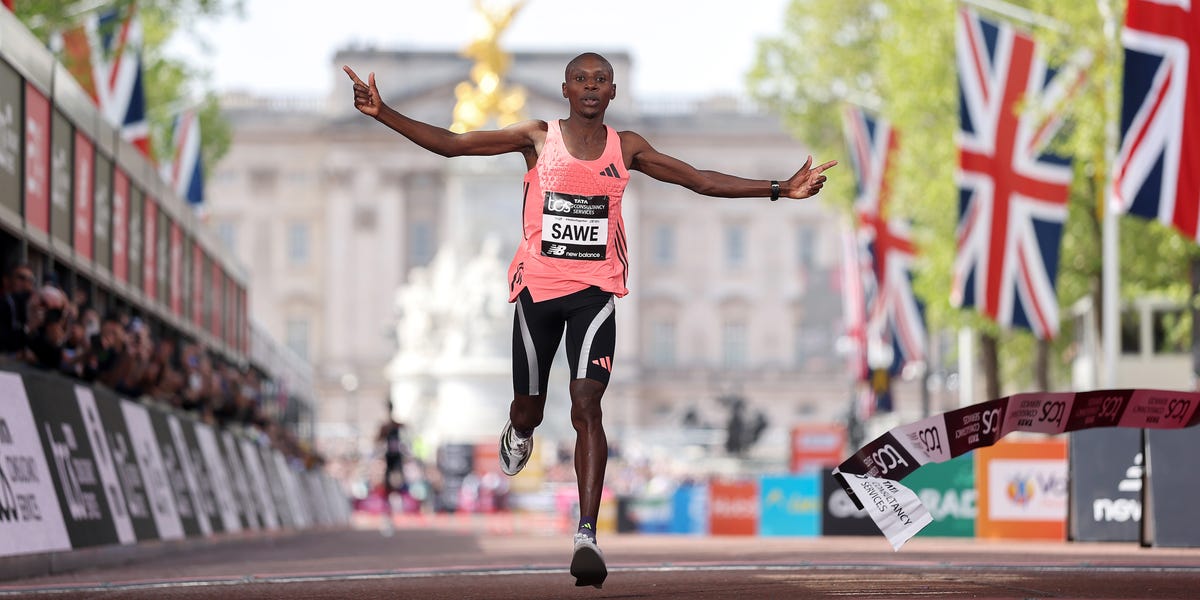
Prepare for your best performance with these proven marathon race tips. Whether it is your first 26.2-mile journey or a hunt for a personal best, mastering your marathon fueling strategy and pacing is critical for athletic success. An effective marathon fueling strategy starts with a carbohydrate-rich meal like oats or pasta one to three hours before the race, followed by the use of isotonic energy gels to replenish glycogen stores every 45 to 90 minutes. It is essential to use only products tested during training to prevent gastrointestinal discomfort and ensure consistent energy levels throughout the distance.
Gear and Logistics: The Ultimate Marathon Race Day Checklist
Success in a marathon is often determined before the starting gun even fires. As we move into the final 24 hours, your focus must shift from physical training to logistical precision. A comprehensive marathon race day checklist ensures that no detail is overlooked, allowing you to focus entirely on your performance. The most critical component is your apparel. You must opt for technical fabric that wicks moisture away from the skin to prevent heavy, water-logged clothing. Furthermore, never wear brand-new shoes on race day; stick to the pair you have successfully used in your long training runs to avoid blisters or mechanical issues.
Your marathon race day packing checklist should also prioritize skin protection. Applying an anti-chafe lubricant to high-friction areas like the inner thighs, underarms, and feet is a non-negotiable step for comfort. For the start area, especially if the morning is chilly, bring warm disposable layers that you can discard once the race begins. Additionally, include a portable phone charger in your gear bag and a pre-race snack to top off your energy.
Speaking of energy, your nutrition begins the moment you wake up. Effective pre race breakfast ideas for marathon energy center on easily digestible carbohydrates that provide a steady release of glucose. A bowl of oats with a sliced banana or a simple bagel with a small amount of nut butter are excellent choices. These meals replenish liver glycogen stores after an overnight fast without causing stomach distress.

Mastering the Start: Warm-Ups and Early Pacing
The atmosphere at a marathon start line is electric, but high adrenaline can lead to early mistakes. To prepare your muscles without depleting your energy, perform a dynamic mobility warm up for marathon runners. Focus on movements like hip airplanes, leg swings, and walking lunges. These exercises activate the glutes and open up the hip flexors, ensuring your gait remains efficient from the first mile.
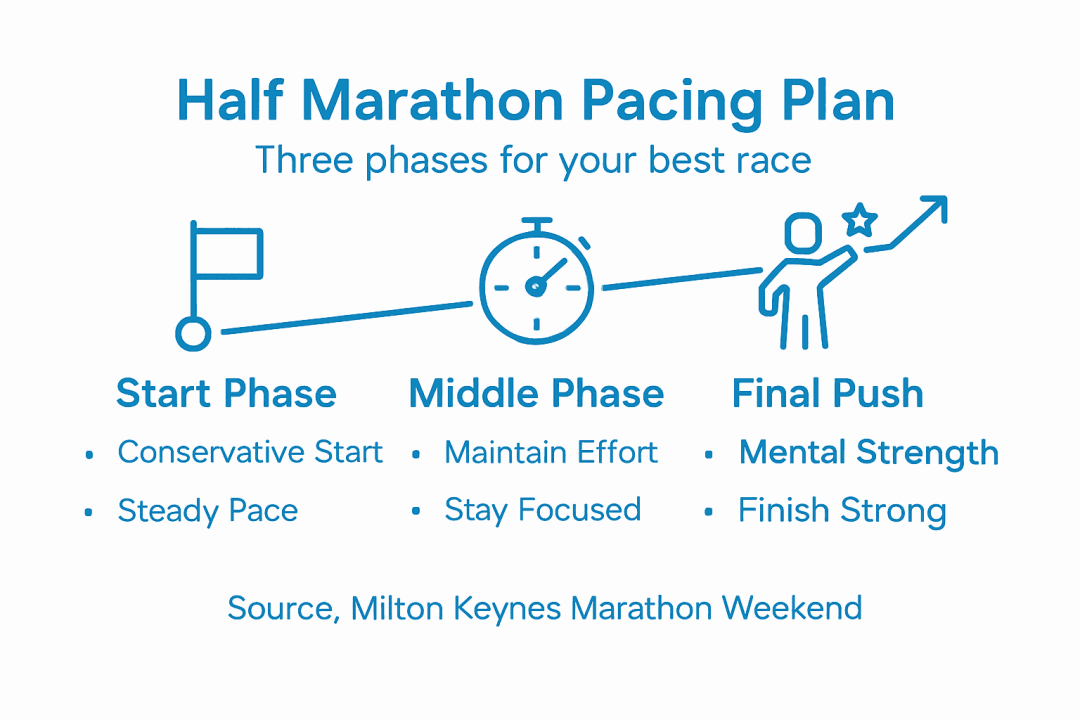
Once the race starts, the most common error is "banking time" by running too fast in the early miles. A successful marathon pacing strategy requires discipline. This is where knowing how to use marathon pace groups effectively becomes an advantage. Joining a group led by an experienced pacer can help you maintain a steady rhythm and prevent the temptation to sprint during the initial downhill sections or the crowded early kilometers. By tucking into a group, you also benefit from a psychological boost, sharing the effort with others aiming for the same goal.

The Science of Mid-Race Fueling
As you progress into the middle miles, your primary objective shifts to physiological maintenance. Your body has limited glycogen stores, and once they are depleted, your performance will plummet. To avoid this, you must implement a rigorous marathon fueling strategy. For most athletes, the target should be high-density carbohydrate intake. A study of marathon runners found that those who met the expert recommendation of consuming 60 to 90 grams of carbohydrates per hour were significantly more likely to achieve a finish time of under three hours.
However, consuming high volumes of sugar while running can be difficult. To develop a marathon fueling strategy for sensitive stomachs, we recommend practicing with different brands of gels or liquid carbohydrates during your training. Isotonic gels are often easier on the digestive system because they do not require as much water to process. In addition to carbohydrates, electrolyte replenishment is vital to maintain muscle function and prevent cramping, especially if you are a heavy sweater or racing in humid conditions.
| Fueling Component | Target Amount | Purpose |
|---|---|---|
| Carbohydrates | 60–90g per hour | Maintain blood glucose and spare glycogen stores. |
| Fluid | 400–800ml per hour | Maintain hydration and blood volume. |
| Sodium | 300–600mg per hour | Prevent hyponatremia and muscle cramping. |
David's Pro Tip: If you feel nausea beginning to creep in, slow your pace by 10% and switch to plain water for 15 minutes. Often, gastrointestinal discomfort is caused by a lack of blood flow to the gut because the intensity is too high.

Finishing Strong: Manual Splits and Negative Splitting
The final 10 kilometers of a marathon are where the race is truly won or lost. To manage this phase, we suggest a marathon pacing strategy using manual splits. While GPS watches are incredible tools, they can become inaccurate in cities with tall buildings or heavy tree cover. Writing your target times for every 5 kilometers on your arm or a pace band allows you to verify your actual progress against the course markers.
The elite standard for marathon running is the negative split—running the second half of the race slightly faster than the first. This requires immense patience during the first 13 miles. By conserving your glycogen and keeping your heart rate stable early on, you ensure you have the metabolic capacity for a controlled push during the final kilometers.
If you find yourself struggling, break the remaining distance into manageable segments. Instead of thinking about the 10 miles left, think about three 10-kilometer blocks. This mental shift helps maintain focus and prevents the sheer distance from becoming overwhelming.
Conquering the Wall and Post-Race Recovery
Hitting the wall is a physiological phenomenon where glycogen stores are exhausted, but it is also a mental battle. Employing psychological strategies for hitting the marathon wall can make the difference between a DNF and a podium finish. Use positive self-talk, focus on your cadence, or find a "running buddy" in the crowd to shadow. Remind yourself of the months of training you have already completed.
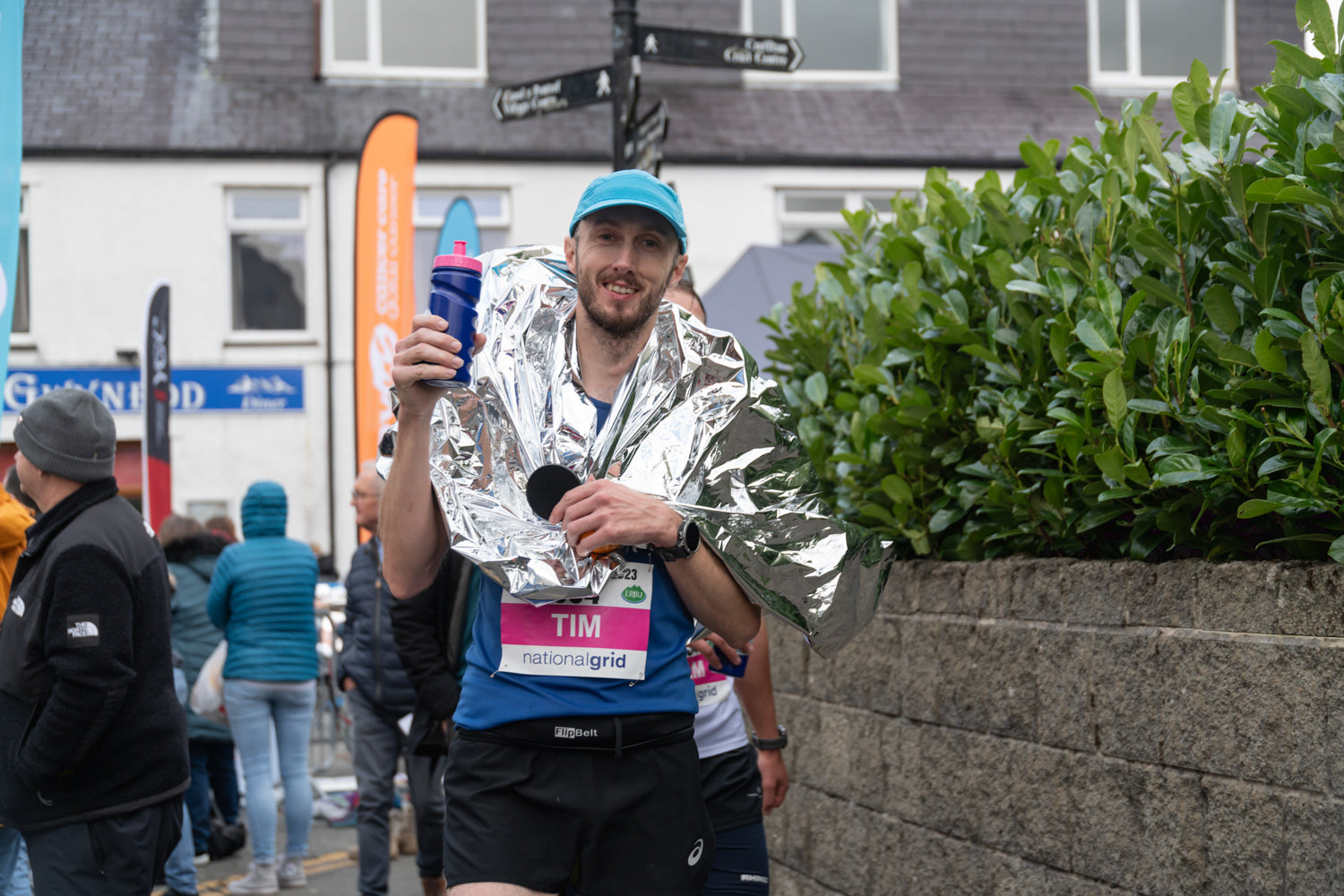
Once you cross the finish line, the work of muscle repair begins immediately. While you may want to sit down, following active recovery tips for post marathon stiffness is much more effective. Keep walking for at least 10 to 15 minutes to help with lactate clearance and prevent blood pooling in the legs.
Your post-race recovery essentials should include dry clothes to prevent your body temperature from dropping and a high-protein snack to facilitate immediate muscle repair. Within two hours of finishing, aim for a balanced meal containing both protein and complex carbohydrates to kickstart the long-term recovery process.
FAQ
What is the best pacing strategy for a marathon?
The most effective approach is the negative split, where you run the second half of the race faster than the first. This requires starting conservatively—about 15 to 20 seconds slower than your goal pace—to conserve energy for the challenging final miles.
How do I avoid hitting the wall during a marathon?
To avoid the wall, you must strictly follow a marathon fueling strategy that provides 60 to 90 grams of carbohydrates per hour. Additionally, maintaining a steady, disciplined pace early in the race prevents premature glycogen depletion.
What should I wear on marathon race day?
You should wear moisture-wicking technical fabric and shoes that have been thoroughly broken in during your training. Avoid cotton, as it absorbs sweat and causes chafing. Don't forget to apply anti-chafe lubricant to any areas prone to friction.
What are the best tips for marathon recovery?
Immediately after finishing, keep moving to assist with blood circulation. Consume a high-protein snack within 30 minutes, change into dry clothes, and prioritize sleep and gentle movement, like walking or swimming, in the days following the race.
What items should I carry with me during a marathon?
You should carry your preferred energy gels, any specific electrolytes you have tested, and perhaps a small amount of salt tablets. Many runners also find it helpful to carry manual splits written on their arm as a backup for GPS data.