Quick Facts
- Success Rate: Hyperbaric oxygen therapy has been shown to achieve success rates exceeding 90% in emergency medical applications.
- Wound Healing: Approximately 81% of patients with chronic wounds achieved complete or near-complete healing with this therapy.
- Cellular Impact: Research indicates up to a 20% increase in telomere length, supporting longevity science.
- Duration: A typical session lasts between 60 to 90 minutes.
- Cycle: Most chronic issues or anti-aging protocols require 20 to 40 sessions for optimal results.
- Primary Mechanism: Supersaturating blood plasma with oxygen to stimulate stem cell activation and tissue repair.
Hyperbaric oxygen therapy accelerates the healing process and tissue repair by supersaturating blood plasma with oxygen under increased atmospheric pressure. This process, often utilized in high-level biohacking, stimulates angiogenesis and stem cell activation to repair hypoxic tissues while offering significant benefits of hyperbaric oxygen therapy for midlife longevity.
The Science of Hyperbaric Healing: Beyond Breathing
To understand why hyperbaric oxygen therapy is a cornerstone of modern preventive care, we have to look past our lungs. Normally, your red blood cells carry oxygen. They are like a fleet of delivery trucks that are almost always full; you can't really cram more oxygen into them just by breathing harder. However, when you enter a pressurized environment—usually between 2.0 and 2.8 ATA (Atmospheres Absolute)—the physics of the body changes. Under this pressure, oxygen begins to dissolve directly into your blood plasma and other bodily fluids.
This is a game-changer for HBOT for tissue repair because plasma can travel where red blood cells cannot. When you have an injury, swelling often chokes off microcirculation, leaving tissues "hypoxic" or starved of oxygen. By saturating the plasma, we bypass these blockages, delivering the raw materials for cellular metabolism directly to the site of the damage.
We often refer to this in longevity circles as a form of Hormesis. This is the concept of a "beneficial stressor." By exposing the body to high-pressure oxygen, we trigger a survival-like response that actually strengthens our systems. This stressor signals the body to start angiogenesis—the formation of new blood vessels—and kicks mitochondrial efficiency into high gear. This is how HBOT stimulates collagen production and tissue repair at a fundamental, cellular level.
Accelerated Recovery: Sports Injuries and Post-Surgery
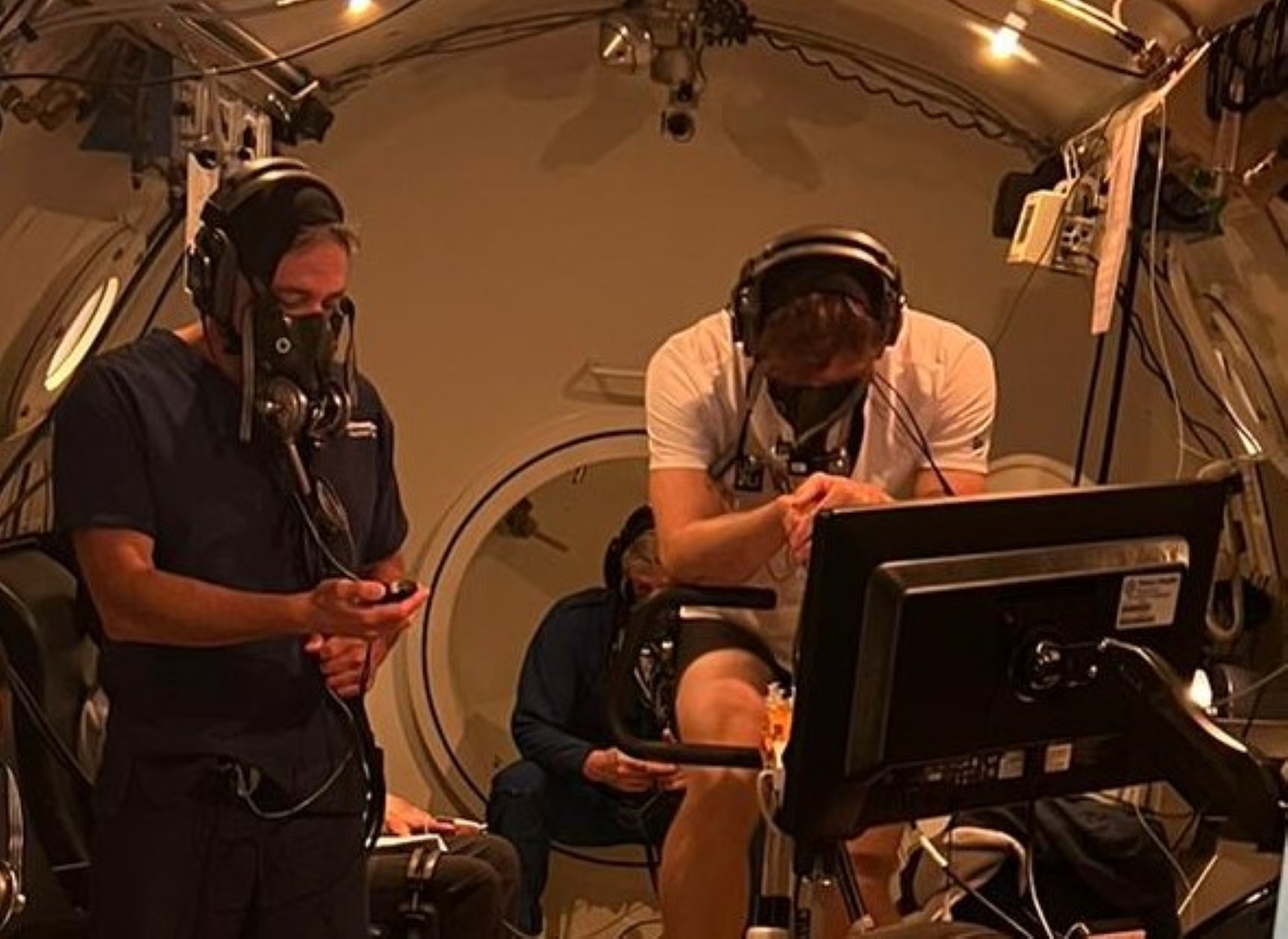
If you follow elite sports, you’ve likely seen photos of stars like LeBron James or Russell Wilson using a hyperbaric oxygen chamber. They aren't just doing it for the "cool factor." In the world of professional athletics, downtime is the enemy. Using hyperbaric oxygen therapy for sports injury recovery has become a standard recovery modality because it addresses the two biggest hurdles to getting back on the field: inflammation and cellular energy.
Hyperbaric therapy for inflammation works by down-regulating inflammatory cytokines and reducing the edema (swelling) that follows a hard hit or a surgical procedure. Clinical observations have shown that in certain scenarios, such as detox or specific wound closures, patients recovered nearly twice as fast as those receiving standard care alone.
For those of us not playing in the NBA, this is exactly how hyperbaric oxygen therapy speeds up post-surgery healing. Whether it is a knee replacement or a minor elective procedure, the increased oxygen levels reduce bruising and help the skin knit back together faster. By reducing chronic inflammation with hyperbaric oxygen therapy, we aren't just masking symptoms; we are giving the body the metabolic surplus it needs to rebuild.
Longevity and Aesthetics: The Anti-Aging Power of Oxygen
As an editor focused on longevity, I am most excited about the anti-aging benefits of hyperbaric oxygen that happen deep within our DNA. One of the most significant markers of aging is the shortening of telomeres—the protective caps on the ends of our chromosomes. Recent studies have suggested that a specific protocol of hyperbaric oxygen therapy can actually lengthen these telomeres, effectively "turning back the clock" on a cellular level.
The treatment also targets senescent cells, often called "zombie cells," which have stopped dividing but refuse to die, lingering in the body and causing systemic inflammation. By clearing these out, we improve overall tissue health. For those interested in hyperbaric oxygen therapy for skin rejuvenation and anti-aging, the mechanism is clear: increased oxygen levels boost the production of collagen and elastin, which are vital for maintaining skin elasticity and reducing wrinkles.
Beyond the physical, there is the cognitive aspect. Many men in midlife complain of "brain fog." This is often a result of decreased microcirculation in the brain. HBOT supports neuroplasticity by providing the oxygen required for the brain to repair neural pathways and improve cognitive function. When we talk about the benefits of hyperbaric oxygen therapy for midlife longevity, we are talking about staying sharp as much as staying strong.
Medical Grade vs. Wellness Bags: What to Look For
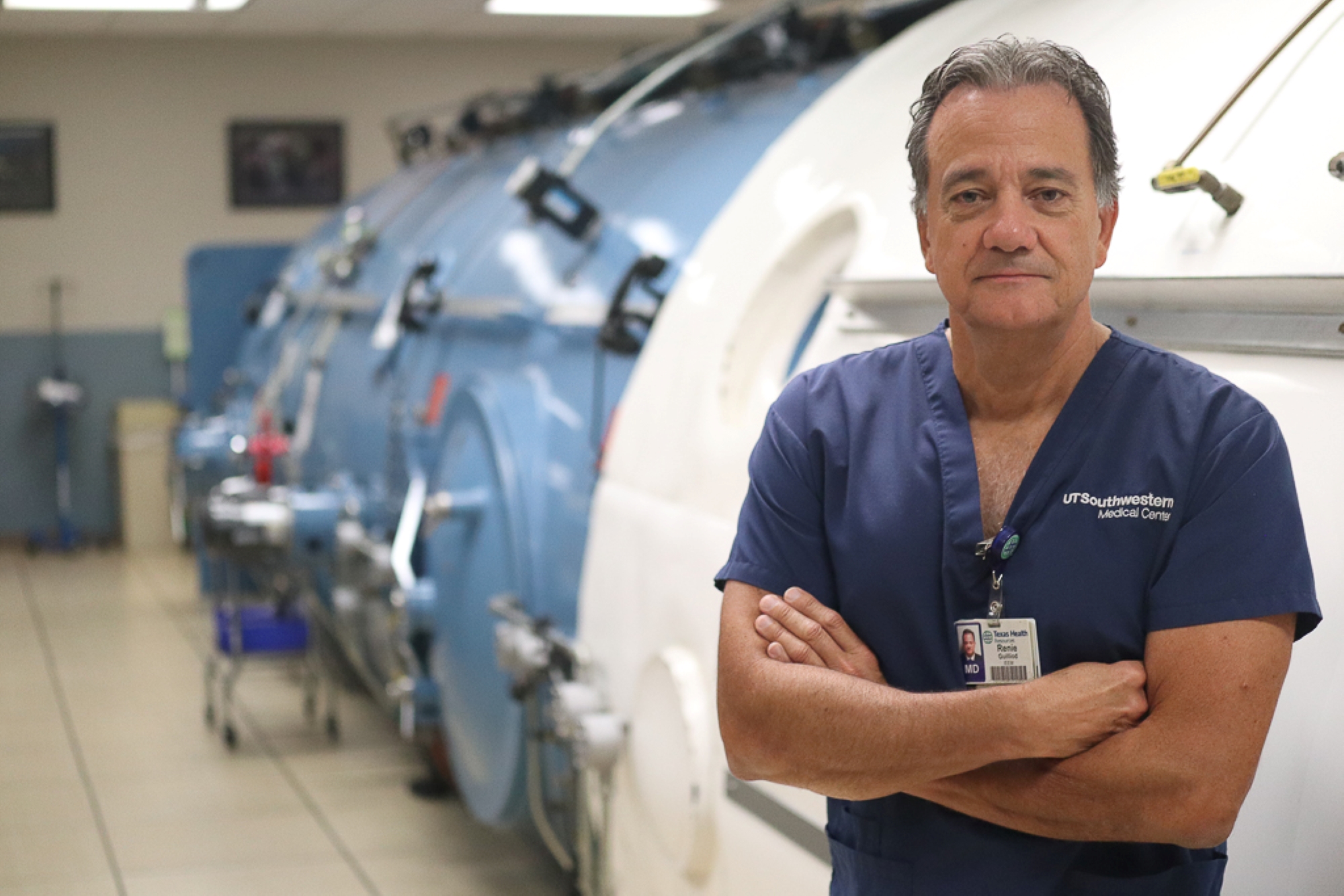
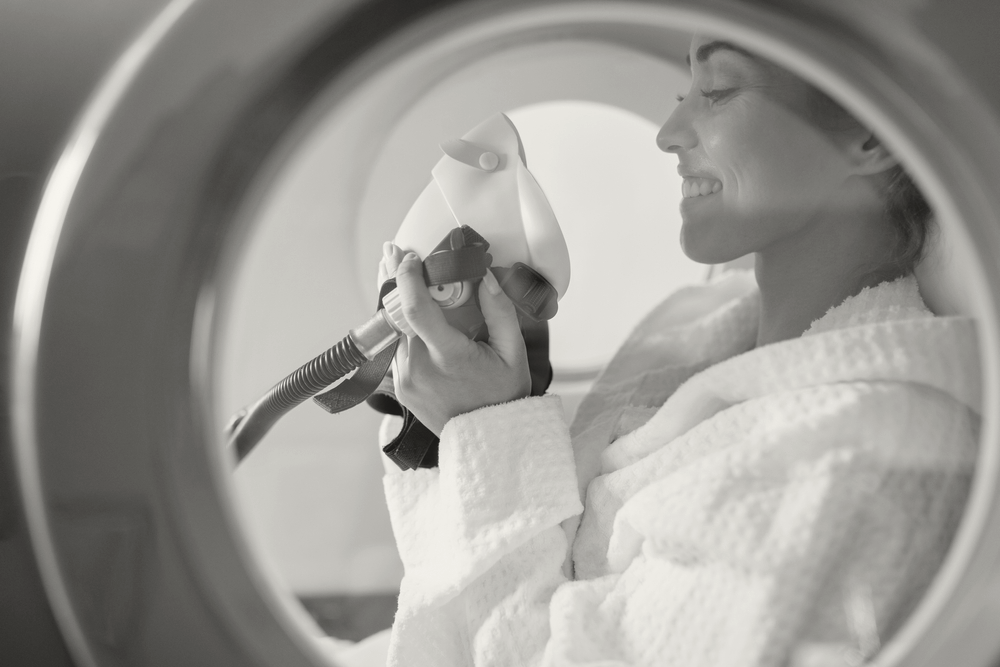
Not all hyperbaric oxygen therapy is created equal, and this is where you need to be a savvy consumer. There is a massive difference between a medical-grade rigid chamber and the "soft-shell" or inflatable wellness bags you might see in a local spa.
| Feature | Medical-Grade Chamber | Wellness Inflatable Bag |
|---|---|---|
| Pressure Level | 2.0 - 3.0 ATA | 1.3 - 1.4 ATA |
| Oxygen Concentration | 100% Medical Grade | Ambient air or limited concentrator |
| Primary Use | Clinical healing, bone repair, anti-aging | General relaxation, mild recovery |
| Safety Standard | UHMS Accredited | Consumer grade |
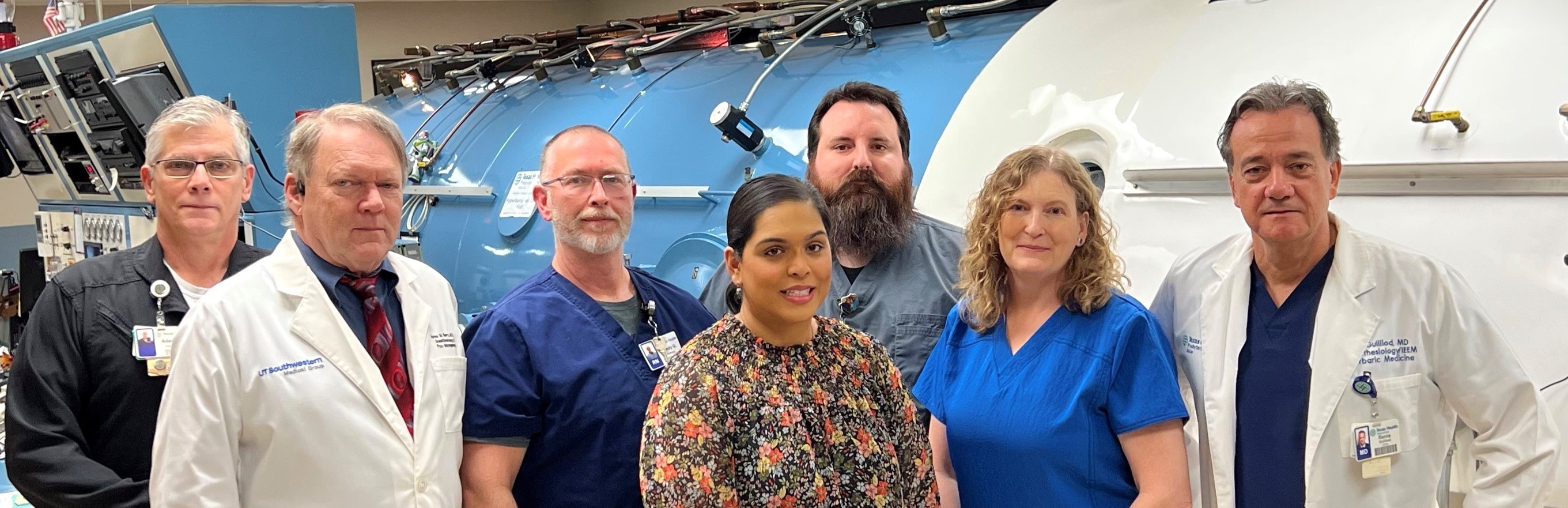
To achieve the physiological changes needed for things like angiogenesis or significant stem cell release, you generally need pressures above 1.5 ATA. Most inflatable bags cannot reach these pressures safely. If you are seeking hyperbaric oxygen therapy for a specific medical condition or serious longevity goals, look for a facility with UHMS (Undersea and Hyperbaric Medical Society) accreditation. Only about 4% of centers carry this distinction, ensuring the highest safety and efficacy standards.
What to Expect: Your First HBOT Session
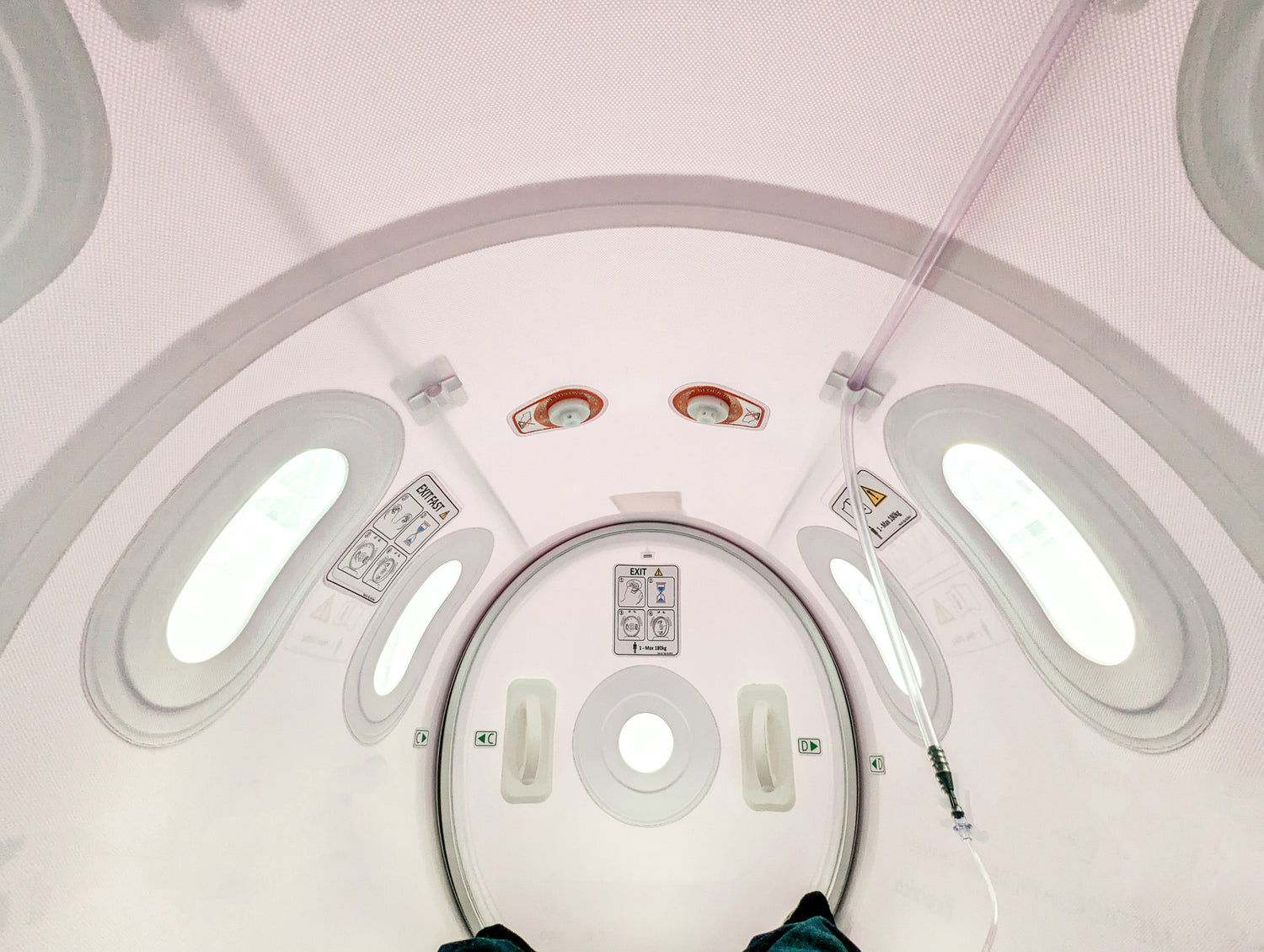
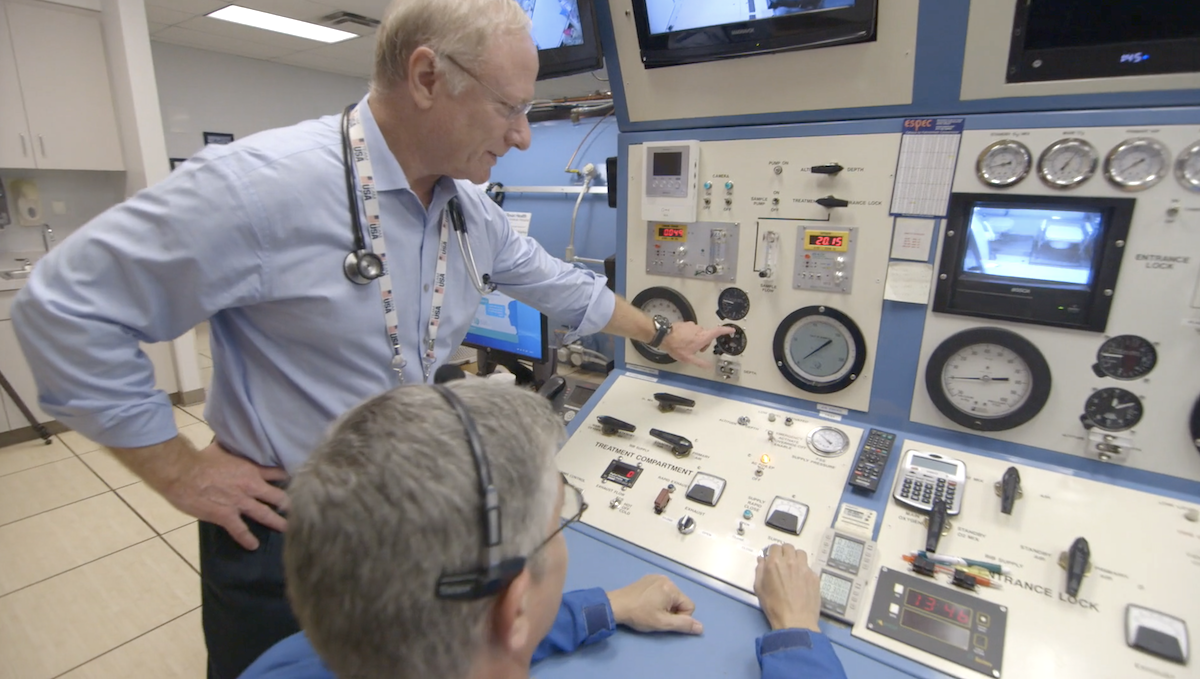
If you’ve never been inside a chamber, the idea can be a bit daunting. However, the experience is actually quite peaceful. Once you enter the chamber—which can be a single-person tube (monoplace) or a larger room (multiplace)—the technician will begin the "compression" phase.
During this time, you will feel a sensation in your ears similar to what you experience when a plane takes off or lands. You'll need to clear your ears by yawning or swallowing. Once you reach the target atmospheric pressure, the "dive" begins. Most sessions last 60 to 90 minutes. You can usually watch a movie, listen to a podcast, or even take a nap.
Modern facilities are designed to be comfortable and cater to those with claustrophobia, offering transparent acrylic chambers or larger rooms where you can sit upright. Costs typically range from $100 to $300 per session, depending on your location and whether the treatment is covered by insurance (which is usually only the case for specific FDA-approved medical conditions).
FAQ
What are the main benefits of hyperbaric oxygen therapy?
The primary benefits include accelerated wound healing, reduced systemic inflammation, and the stimulation of new blood vessel growth. It is also used to enhance cognitive function, boost collagen production for anti-aging, and speed up recovery from sports injuries or surgeries by delivering high concentrations of oxygen to oxygen-starved tissues.
How many sessions of hyperbaric therapy are usually needed?
The number of sessions depends on the goal. For acute sports injuries or post-surgical recovery, 5 to 10 sessions may suffice. However, for chronic conditions, significant tissue repair, or longevity protocols like telomere lengthening, clinical studies typically suggest a "block" of 20 to 40 sessions, often administered five days a week.
How long does a typical hyperbaric oxygen session last?
A standard session usually lasts between 60 and 90 minutes. This does not include the 10 to 15 minutes required for "compression" at the start and "decompression" at the end, which allows your body to adjust to the changing pressure safely.
What does it feel like inside a hyperbaric chamber?
The most common sensation is a feeling of fullness in the ears, similar to changing altitude in an airplane. Once the chamber reaches its target pressure, the sensation disappears, and the rest of the session is generally relaxing. The air inside might feel slightly warmer during compression and cooler during decompression.
Who is not a good candidate for hyperbaric oxygen therapy?
Individuals with certain lung conditions, such as a history of pneumothorax (collapsed lung) or some types of chronic obstructive pulmonary disease (COPD), may not be candidates. It is also generally avoided by those with active ear infections or certain types of heart failure. Always consult with a specialized physician to ensure the therapy is safe for your specific health profile.