Quick Facts
- Market Outlook: The global wellness economy reached a peak valuation of $6.8 trillion in 2024 and is forecasted to reach nearly $9.8 trillion by 2029.
- Recovery Window: Central nervous system recovery typically requires 48-72 hours after maximal strength or high-intensity sessions.
- Training Balance: Follow the 80/20 Rule—80% of endurance work should remain at Zone 2 intensity or below to maximize aerobic base.
- Environment: Scientific data suggests optimal sleep recovery occurs in a room temperature between 65-68°F.
- Direct Answer: Hybrid wellness is an integrated approach to fitness that balances high-performance training with intentional recovery modalities like infrared therapy and nervous system regulation to improve mitochondrial health and prevent CNS fatigue.
Hybrid wellness is the evolution of fitness, shifting the focus from pure intensity to long-term longevity. By merging high-performance training with advanced recovery techniques like infrared therapy and HRV tracking, athletes can achieve metabolic efficiency without burnout. This guide explores the hybrid wellness 3.0 model, providing a blueprint for those who want to push their limits while ensuring their body remains resilient for decades to come.
The Evolution of Hybrid Wellness 3.0
For the last decade, the fitness industry was obsessed with the "more is more" philosophy. We saw the rise of high-intensity interval training and grueling bootcamps that prioritized calorie burn above all else. However, we are now entering the era of hybrid wellness 3.0. This shift marks a transition from traditional boutique fitness toward multi-use longevity hubs. These spaces are designed not just for sweating, but for muscle preservation, metabolic support, and physiological restoration.
The modern hybrid athlete is no longer just a runner or a lifter; they are individuals using longevity science to inform every movement. This is especially relevant in the current landscape of metabolic health, where there is a growing focus on maintaining lean muscle mass. We are seeing a move away from "Zone 1 commuting"—mindless walking or low-effort activity—toward structured, high-tech social wellness spaces. These environments allow for biohacking and community-driven performance training to coexist under one roof.

Managing the Interference Effect: Performance Meets Physiology
One of the biggest challenges in building a sustainable fitness routine is managing the interference effect. This occurs when an athlete tries to build maximal strength and elite endurance simultaneously, potentially leading to metabolic confusion where the body struggles to adapt to competing stimuli. To master performance and recovery training, you must adopt a more intelligent approach to periodization.
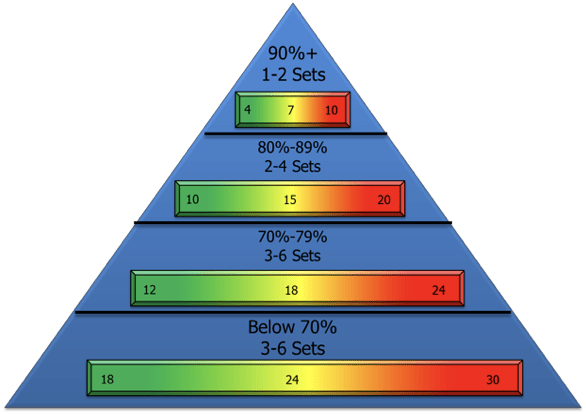
The gold standard for hybrid training is the 80/20 rule for endurance. This means 80% of your cardiovascular work should stay in Zone 2, allowing you to build mitochondrial health without overtaxing your system. When it comes to strength, volume targets are critical. Beginners should aim for 40-60 hard reps per muscle group per week, while advanced athletes can scale up to 100 reps. It is also vital to remember that lagging tissue adaptation is a real risk; your tendons and ligaments recover much slower than your muscles. Ignoring this discrepancy is the fastest way to invite injury.
Developing a high-performance lifestyle requires monitoring recovery markers like heart rate variability (HRV). If your HRV is consistently low, it is a clear signal of CNS fatigue, suggesting you should swap a heavy lifting session for active recovery or mobility work. This data-driven approach ensures you are training with intent rather than just exercising for the sake of movement.
The Recovery Toolkit: Infrared and Nervous System Regulation
In a hybrid wellness model, recovery is not a passive event—it is a scheduled discipline. One of the most effective tools in the modern toolkit is infrared therapy. Unlike traditional saunas that use steam or high humidity, infrared training utilizes radiant heat to warm the body directly. This provides significant infrared workout benefits, including enhanced circulation, deeper tissue repair, and improved muscle flexibility at lower intensities.
To maximize your results, you must focus on integrating nervous system regulation into fitness routines. This involves moving between the sympathetic (fight or flight) state of training and the parasympathetic (rest and digest) state of recovery. Techniques like breathwork and mind-body integration are essential for managing the total load on your system. By balancing high intensity training with infrared recovery, you allow the body to flush metabolic waste and reduce inflammation more efficiently than through rest alone.

Monitoring recovery markers in hybrid training programs is the key to longevity. Beyond HRV, athletes should look at resting heart rate and sleep quality. Incorporating contrast therapy into weekly workout schedules—alternating between heat and cold—can further stimulate the vascular system and accelerate joint mobility. Whether it is a rooftop cold plunge or a session in an infrared-heated studio, these modalities are the bridge between a high-intensity session and your next peak performance.
Designing Your Blueprint: How to Build a Hybrid Routine
If you want to know how to build a hybrid wellness routine, you need to think in terms of blocks rather than individual days. A 6-week longevity template usually follows a specific progression: Foundations, Load, and Capacity. This structure allows for adequate periodization and ensures your body doesn't hit a plateau.
You should also practice chronological habit stacking. Your morning (AM) should focus on joint mobility and light movement to prime the nervous system. Your evening (PM) should be dedicated to deep recovery and sleep optimization. Nutrition is equally important; aiming for 1.2-1.5g of carbohydrates per kilogram of body weight post-workout helps replenish glycogen stores and supports muscle preservation.
| Phase | Duration | Primary Focus | Recovery Focus |
|---|---|---|---|
| 1: Foundations | 2 Weeks | Aerobic Base (Zone 2) & Mobility | Infrared sessions & Sleep hygiene |
| 2: Load | 2 Weeks | Functional Hypertrophy & Strength | Contrast therapy & HRV monitoring |
| 3: Capacity | 2 Weeks | High Intensity & Metcon | Breathwork & Central nervous system rest |

When you are incorporating contrast therapy into weekly workout schedules, aim for at least two sessions per week following your most taxing training days. This strategic placement helps mitigate the delayed onset muscle soreness (DOMS) and keeps your joints feeling fluid. Best recovery practices for hybrid athletes always prioritize the basics—hydration, protein intake, and sleep—before moving on to high-tech biohacking tools.
Summary: The Intelligent Path Forward
The transition to a hybrid wellness journey is not about doing less; it is about doing more of what matters. By moving away from an intensity-only mindset and adopting an intelligent model that values recovery as much as the workout, you set yourself up for decades of high performance. Start by implementing one passive recovery habit this week—perhaps optimizing your sleep environment or adding one infrared session—and watch how your performance markers respond.

FAQ
What is hybrid wellness?
Hybrid wellness is an integrated fitness philosophy that combines high-performance physical training with intentional, evidence-based recovery modalities. It seeks to optimize both athletic performance and long-term longevity by focusing on mitochondrial health, nervous system regulation, and metabolic efficiency.
How does a hybrid wellness model work?
A hybrid wellness model works by balancing different training stimuli, such as strength and endurance, through structured periodization. It utilizes data, such as heart rate variability, to adjust training intensity and incorporates recovery tools like infrared heat or contrast therapy to ensure the body can handle the training volume without experiencing chronic fatigue.
What are some examples of hybrid wellness activities?
Common activities include combining functional hypertrophy (weightlifting) with Zone 2 endurance running, followed by infrared-heated mobility work. Other examples include practicing breathwork sessions between high-intensity intervals or using cold plunges after heavy strength sessions to manage systemic inflammation.
How can I create a hybrid wellness routine at home?
You can create a routine at home by designating specific days for strength and others for recovery-focused movement. Focus on bodyweight strength or resistance bands, utilize wearable technology to track recovery markers, and implement simple recovery habits like contrast showers or dedicated mobility routines in a cool, optimized environment.
Is hybrid wellness more effective than traditional wellness programs?
Hybrid wellness is often more effective for long-term health because it prevents the burnout and injury common in traditional high-intensity programs. By prioritizing recovery and using data to guide training, it allows for more consistent progress over years rather than just short-term gains, ultimately supporting better metabolic health and joint longevity.